
- BGG rank
- BGG #9,964
- BGG rating
- 8.2
Tikal Legend
- 1–4 players
- 30–180 min
- Complexity 3.1/5
- 2026
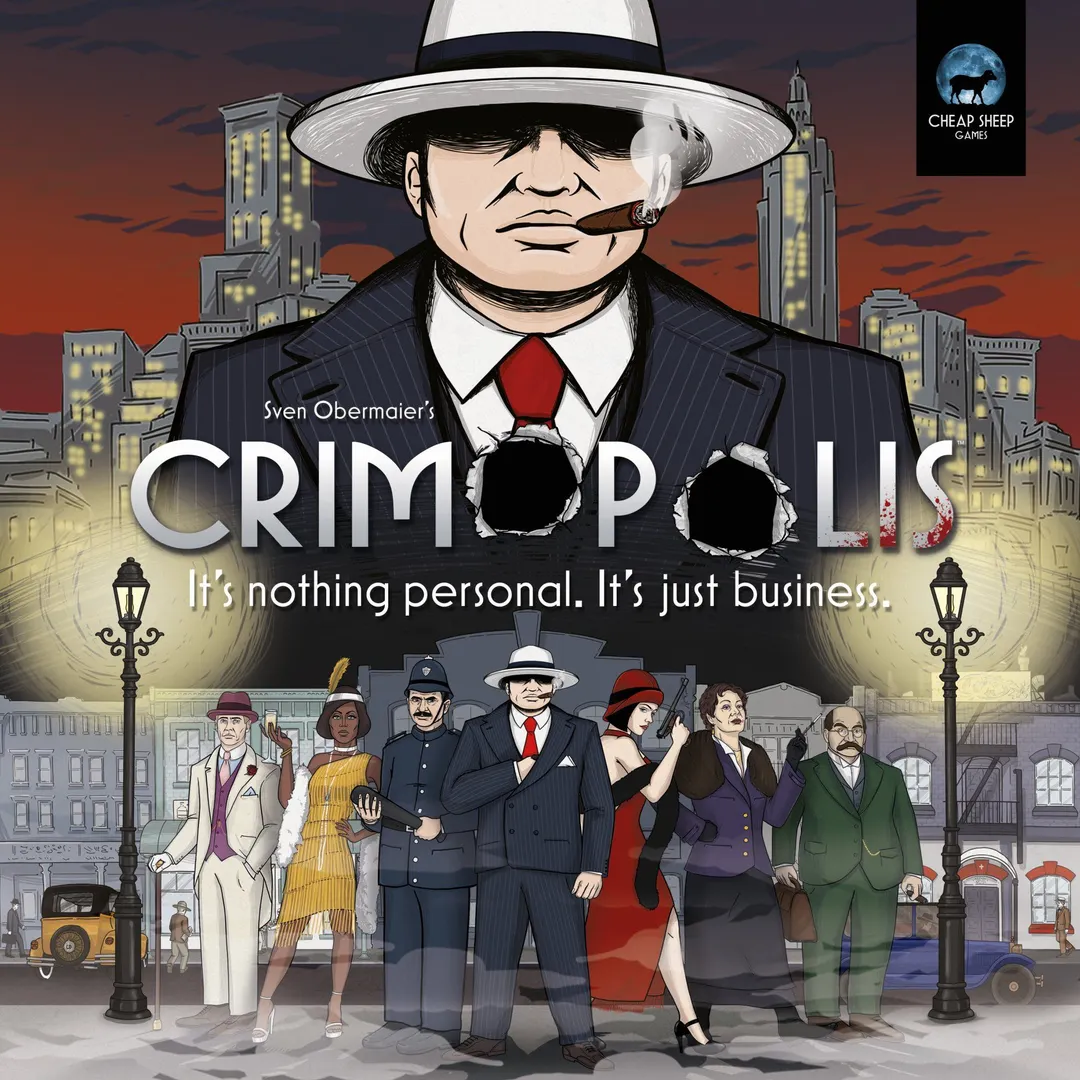
2019
Rules assistance for Crimopolis
Plain-language explanations of turns, card effects and disputed situations, with official source references and saved question history.
For 2 players
What would you like to know?
Answers come from the official rulebook, with the page to check.
Crimopolis is a board game released in 2019 for 2–5 players, 30–100 minutes per game, and ages 12 and up. It was designed by Sven Obermaier and its main mechanics are Take That, Area Movement, and Area Majority / Influence.

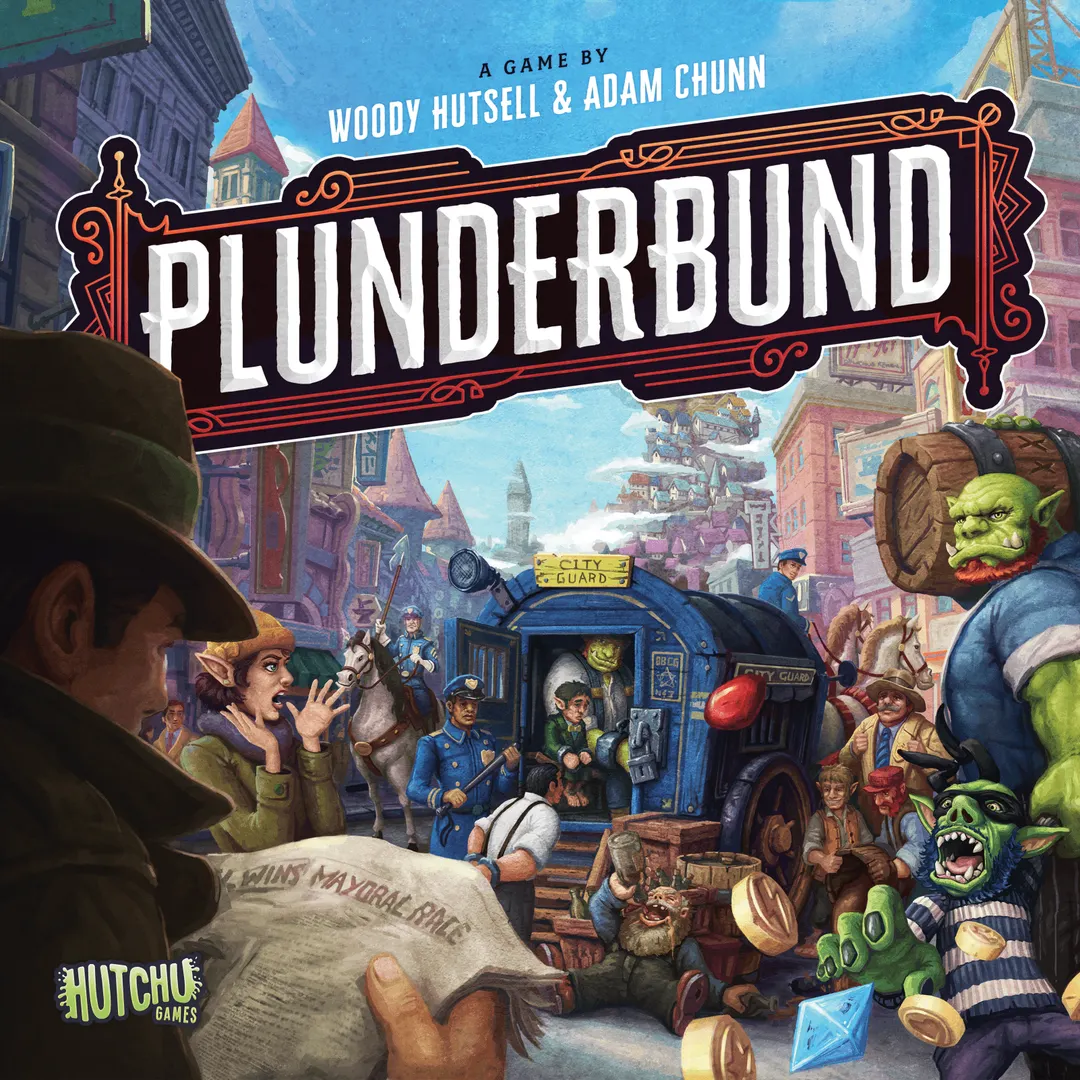



Set in 1926, you are an unsuccessful gangster in a petty town. Tired of doing small jobs that only earn stress and scars, you dream of putting the hype on big time. The rumble on the street is the big guys in the big cities are pulling the big dough, and you want to be the most prestigious of them all. Crimopolis is a fast-paced strategy board game about bean-shooters, chippies, and sugar in a city where nothing counts but underground influence. Recruit criminals, explore the city, execute illicit jobs, ambush others, and take over their assets. Grow your skills and abilities, so you can counteract when reporters and enemies get in the way. Players explore a city area by moving gangsters further and further away from their headquarters. Tiles feature streets and city blocks with parks, banks, graveyards, churches, lakes, etc. Players assemble gangsters and execute jobs. The trickier the job the more prestige they earn. Taking over other players' assets also gains prestige as well as end game contributions such as city influence, body count, and hidden skills. The player with the most prestige wins. Crimopolis is a mixture of a Eurogame featuring strategy with multiple winning paths and downplaying luck, and an Amerigame allowing for an immersive 1920s gangster theme with direct player conflict and highly intuitive rules. The game length can be freely adjusted: shorter games increase luck, longer games deepen gameplays. The recommended game length balances both and allows for family game nights with players of different ages. Crimopolis was awarded Best Physical Game of 2020 by NZ Games Festival. —description from the publisher
Crimopolis supports 2–5 players according to the catalogue. This range comes from the publisher’s listed player count, so the game can be set up for any group size within it. Some setups, rules and scoring details may still vary by player count, so check your edition’s rulebook for the exact configuration.
The listed playing time for Crimopolis is 30–100 minutes. This is the publisher’s estimate for a full game. The actual duration depends on the group, the player count and familiarity with the rules: first sessions usually run longer, while experienced groups often finish faster. Setup and teaching time are not included in this estimate.
The catalogue lists Crimopolis for ages 12 and up. This is the publisher’s recommendation and reflects reading demands, rule complexity and small components rather than theme alone. Younger players can often join with help from an adult, so check the age guidance on your edition and consider your group’s experience with board games.
Crimopolis has a complexity rating of 2.2 out of 5 from BoardGameGeek players, which makes it a medium-light game. The rating reflects how much rules knowledge, planning and decision-making a typical game demands. Expect a longer first teach for heavier games, and use a preparation guide before game night.
Crimopolis belongs to these categories: Territory Building, Exploration, and City Building. Its main mechanics are Take That, Area Movement, and Area Majority / Influence. Categories describe the theme and setting of a game, while mechanics describe what players actually do on their turns. Each mechanic links to a catalogue hub with similar games, which helps when you want something comparable.
The credited designers of Crimopolis are: Sven Obermaier. These credits come from the published game data and name the people responsible for the game’s design, not its illustrators or publishers. Designer pages on MeepleRules collect other titles by the same designers, which helps when you enjoy a game and want to find similar ones.
The catalogue lists Crimopolis as a base game. It can be played on its own with the components in the box and does not require any other title. Expansions, if any exist, add new content or rules on top of it and are listed separately in the catalogue with a link back to this base game.