
- BGG rank
- BGG #33
- BGG rating
- 8.1
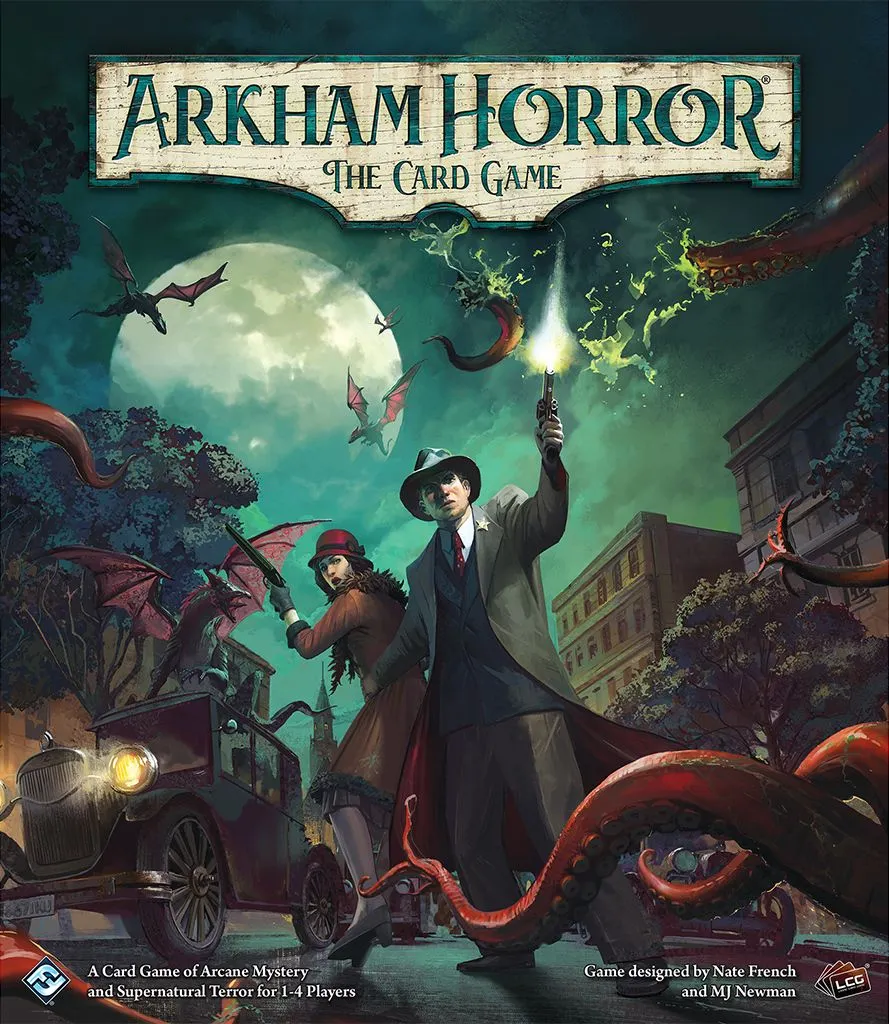
Arkham Horror: The Card Game
- 1–2 players
- 60–120 min
- Complexity 3.6/5
- 2016
2003
Rules assistance for Cyberpunk: The Collectible Card Game
Plain-language explanations of turns, card effects and disputed situations, with saved question history.
For 2 players
What would you like to know?
Answers come from the official rulebook, with the page to check.
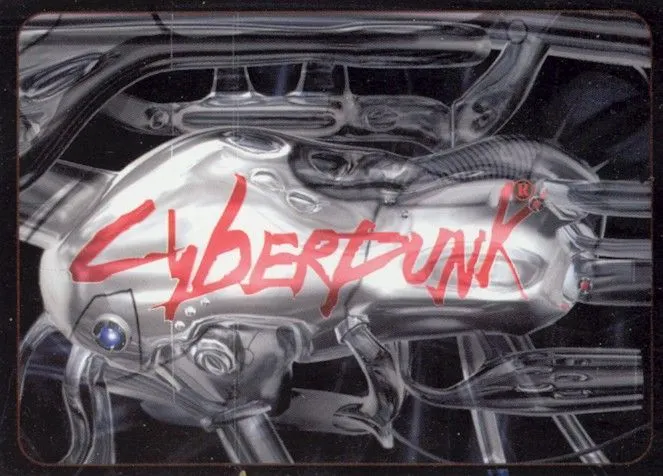
Cyberpunk: The Collectible Card Game is a board game released in 2003 for 2 players, 30 minutes per game, and ages 6 and up. It was designed by Peter Wacks.
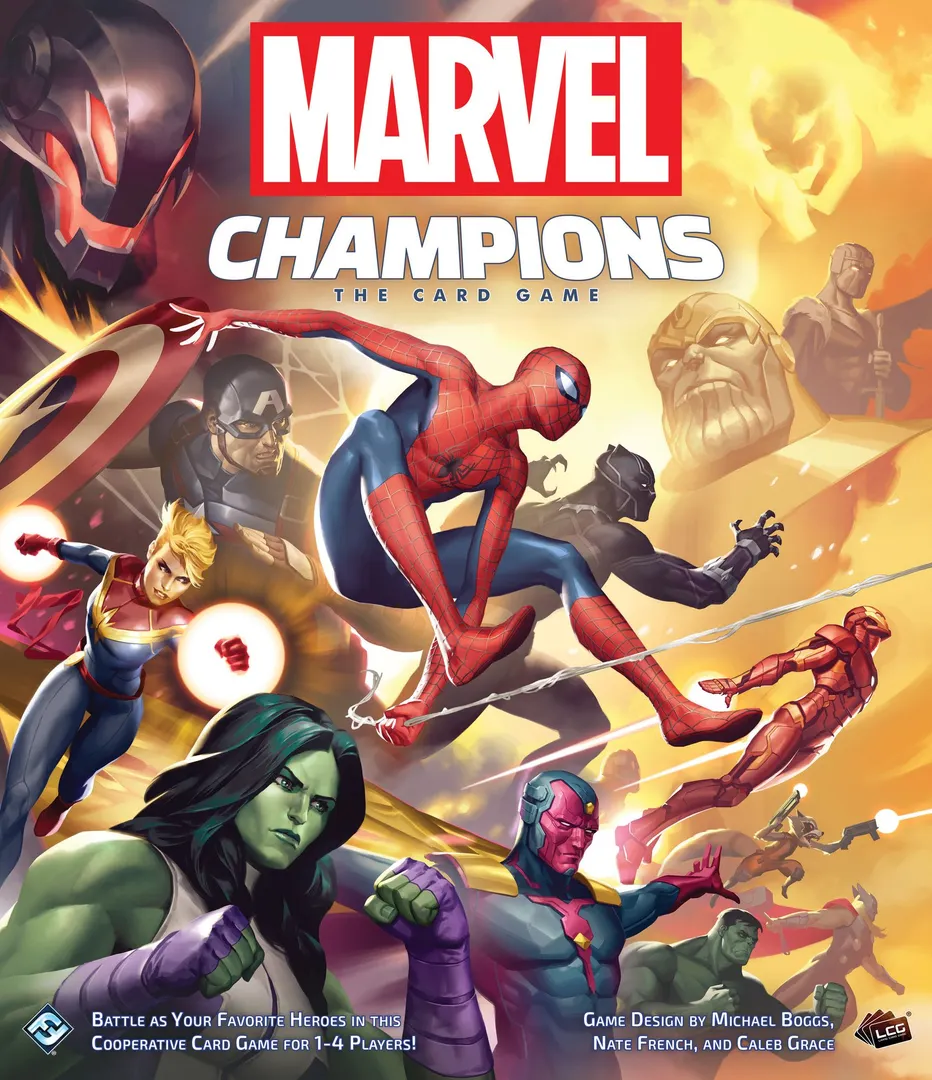
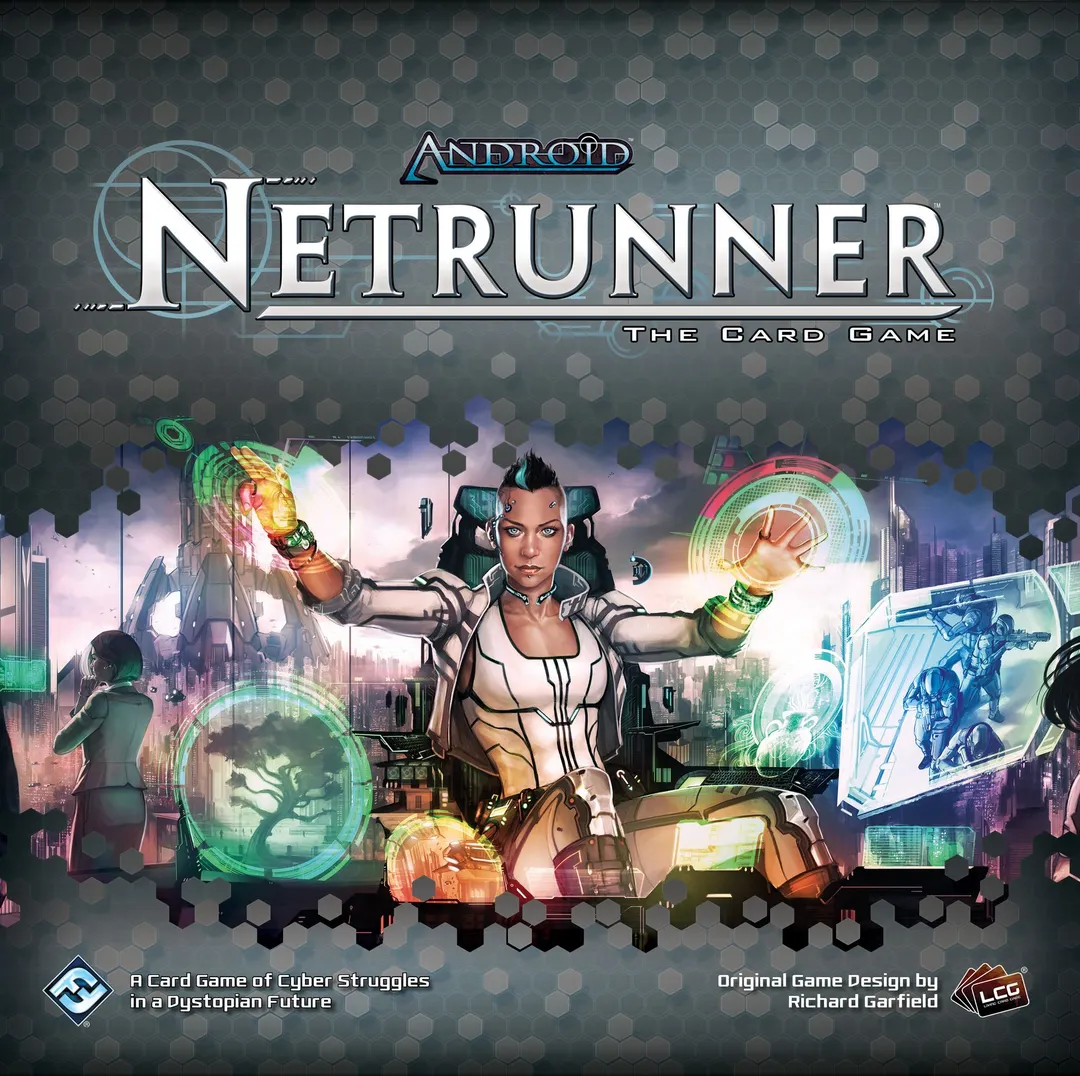

From the Website Cyberpunk: The Collectible Card Game is a game based in the near dark future of the Cyberpunk world. The world of Cyberpunk is a world in which corporations are the elite ruling class, dark soldiers of fortune rule the streets, and everybody has a price. It is a world based very much on authors like William Gibson, Bruce Sterling, Neal Stephenson, and movies such as "Blade Runner", "Johnny Mnemonic" (which was based on a Gibson story), and "The Matrix." Combining the elements of these popular worlds, Cyberpunk the CCG is a game where the player sits down to play the special agenda of one of the world's ruling groups (or Sponsors.) The player brings Hackers, Gangers, Rockers, Solos, and many other characters into a cohesive team under their command and then sends them on missions (Black Ops). Once the player has scored 100 ops points by completing missions (each mission is worth a different amount of points) the player wins. However -- in this world of intrigue and backstabbing - style is just as important. A player can also win if they manage to gather 100 points of style. The final way that a player can win is through the special agenda of their sponsor; each of the seven sponsors has a different agenda. 2013 Edition released in December, 2003 as a limited edition; 2020 Edition released February, 2004
Cyberpunk: The Collectible Card Game supports 2 players according to the catalogue. This is the publisher’s listed player count, so the game is designed for exactly that number of participants. Variants for other group sizes, if any, are described in the rulebook of your edition, so check it before setting up a different configuration.
The listed playing time for Cyberpunk: The Collectible Card Game is 30 minutes. This is the publisher’s estimate for a full game. The actual duration depends on the group, the player count and familiarity with the rules: first sessions usually run longer, while experienced groups often finish faster. Setup and teaching time are not included in this estimate.
The catalogue lists Cyberpunk: The Collectible Card Game for ages 6 and up. This is the publisher’s recommendation and reflects reading demands, rule complexity and small components rather than theme alone. Younger players can often join with help from an adult, so check the age guidance on your edition and consider your group’s experience with board games.
Cyberpunk: The Collectible Card Game has a complexity rating of 2.4 out of 5 from BoardGameGeek players, which makes it a medium-light game. The rating reflects how much rules knowledge, planning and decision-making a typical game demands. Expect a longer first teach for heavier games, and use a preparation guide before game night.
Cyberpunk: The Collectible Card Game belongs to these categories: Card Game and Collectible Components. Categories describe the theme, setting and style of a game rather than its rules. Filter the catalogue by the same category to find similar games when you enjoyed Cyberpunk: The Collectible Card Game and want something comparable for your next game night.
The credited designers of Cyberpunk: The Collectible Card Game are: Peter Wacks. These credits come from the published game data and name the people responsible for the game’s design, not its illustrators or publishers. Designer pages on MeepleRules collect other titles by the same designers, which helps when you enjoy a game and want to find similar ones.
The catalogue lists Cyberpunk: The Collectible Card Game as a base game. It can be played on its own with the components in the box and does not require any other title. Expansions, if any exist, add new content or rules on top of it and are listed separately in the catalogue with a link back to this base game.