
- BGG rating
- 7.4
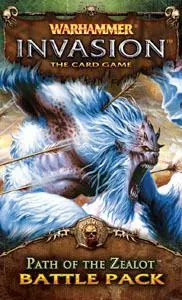
Warhammer: Invasion – Path of the Zealot
- 2 players
- 60 min
- Complexity 2.1/5
- 2009
2009
Rules assistance for Warhammer: Invasion
Plain-language explanations of turns, card effects and disputed situations, with official source references and saved question history.
For 2 players
What would you like to know?
Answers come from the official rulebook, with the page to check.
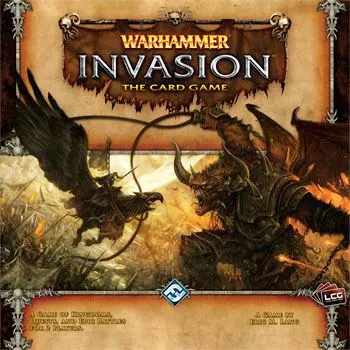
Warhammer: Invasion is a board game released in 2009 for 2 players, 45 minutes per game, and ages 13 and up. It was designed by Eric M. Lang and its main mechanics are Variable Player Powers and Hand Management.
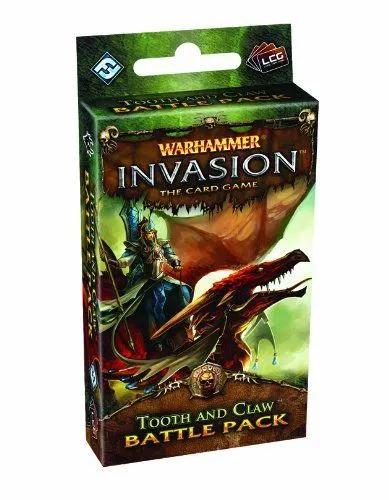
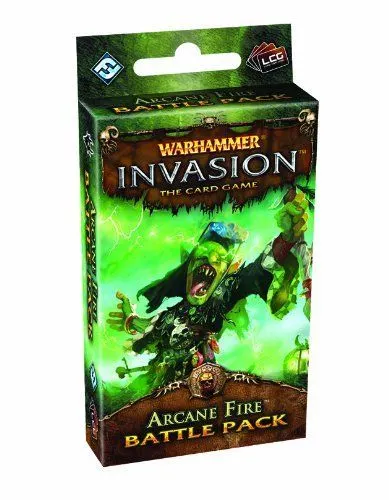
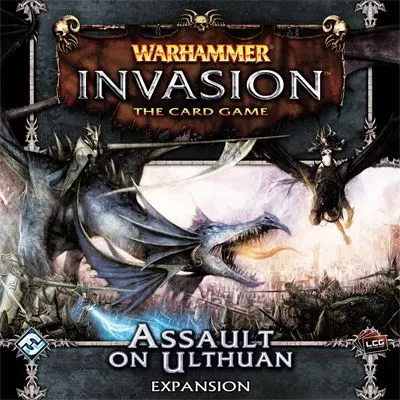
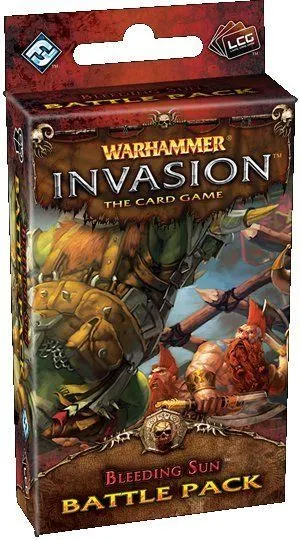
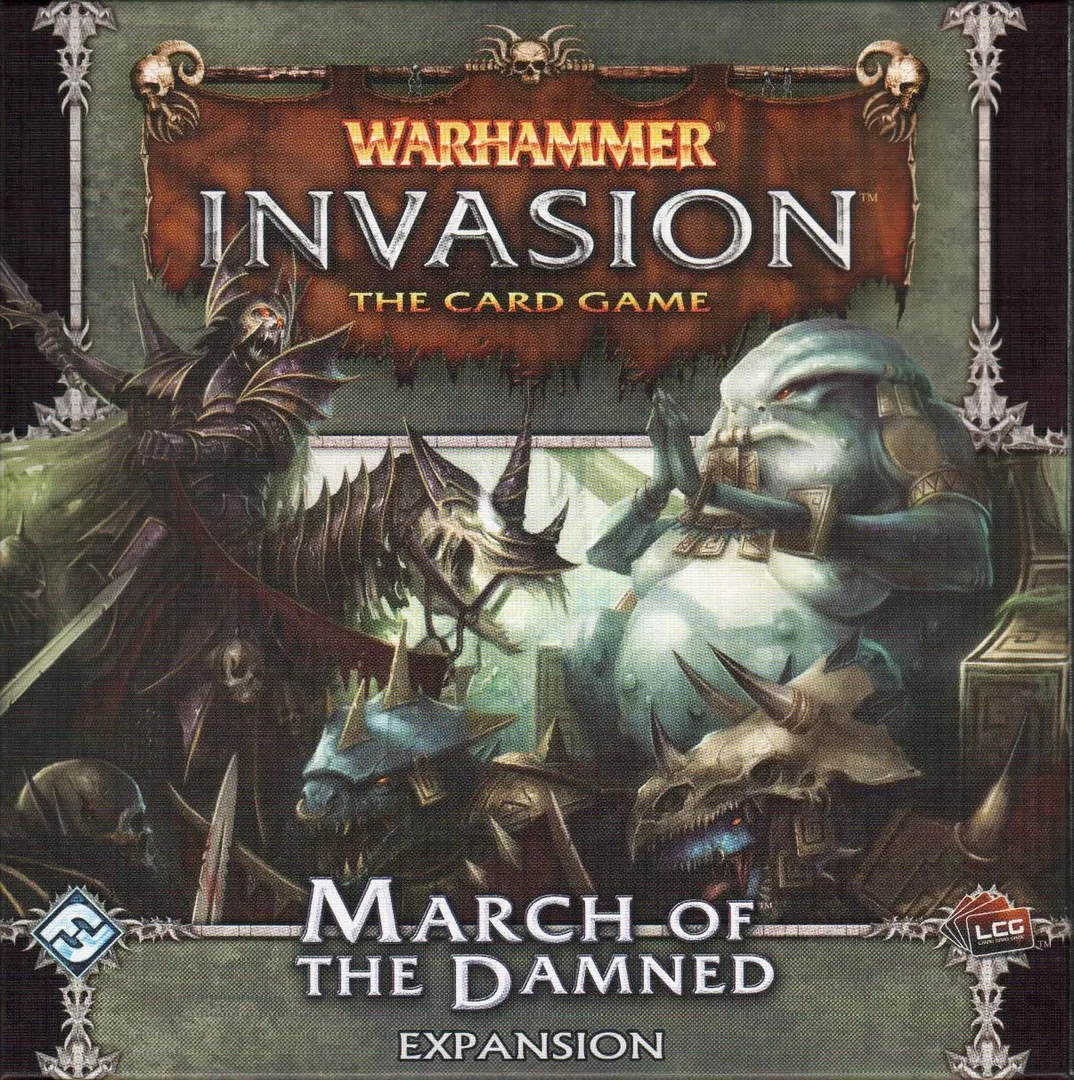
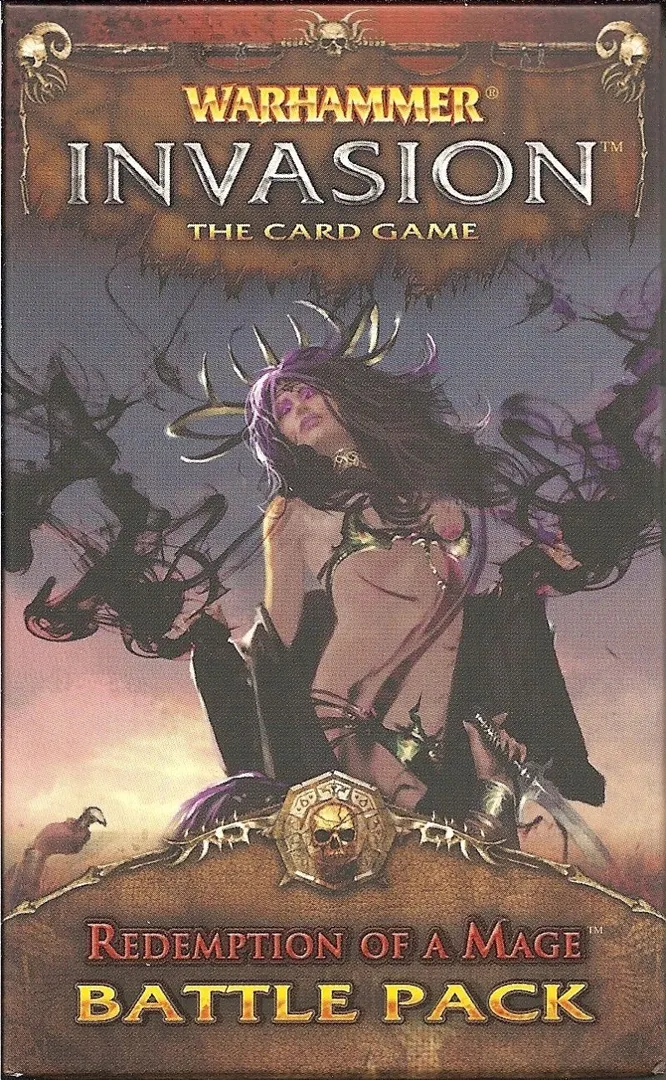
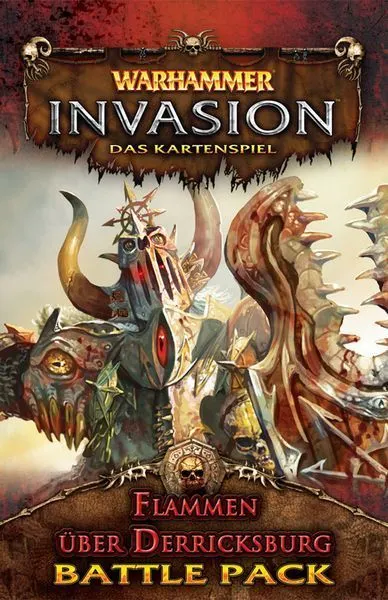
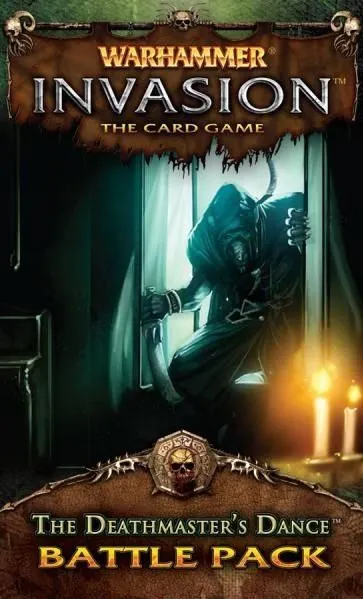
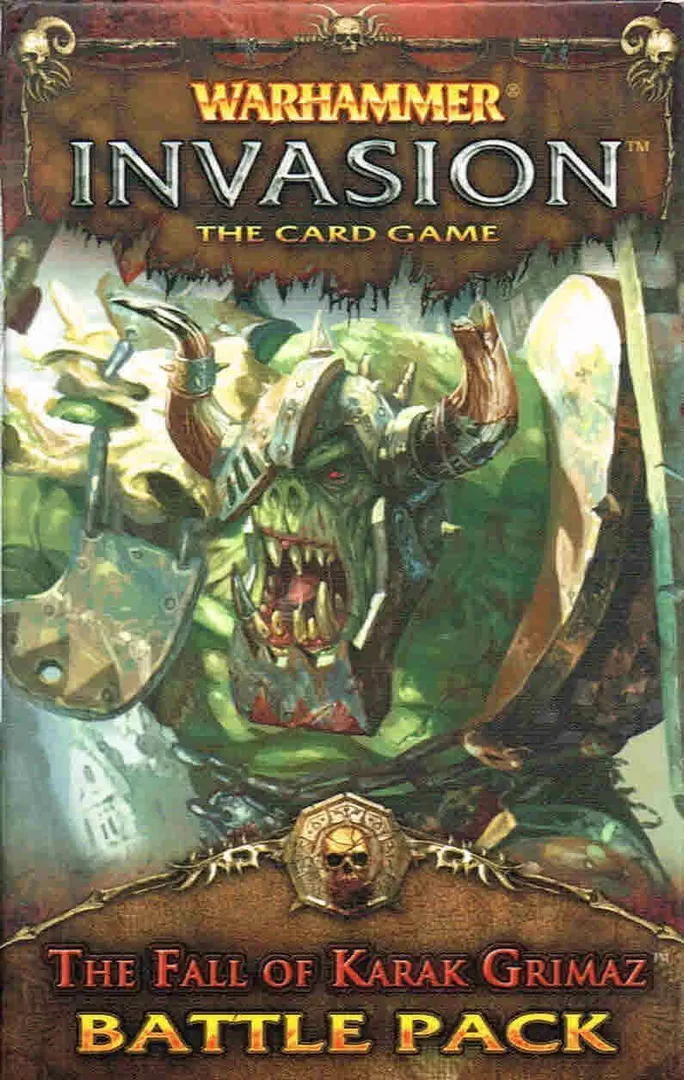
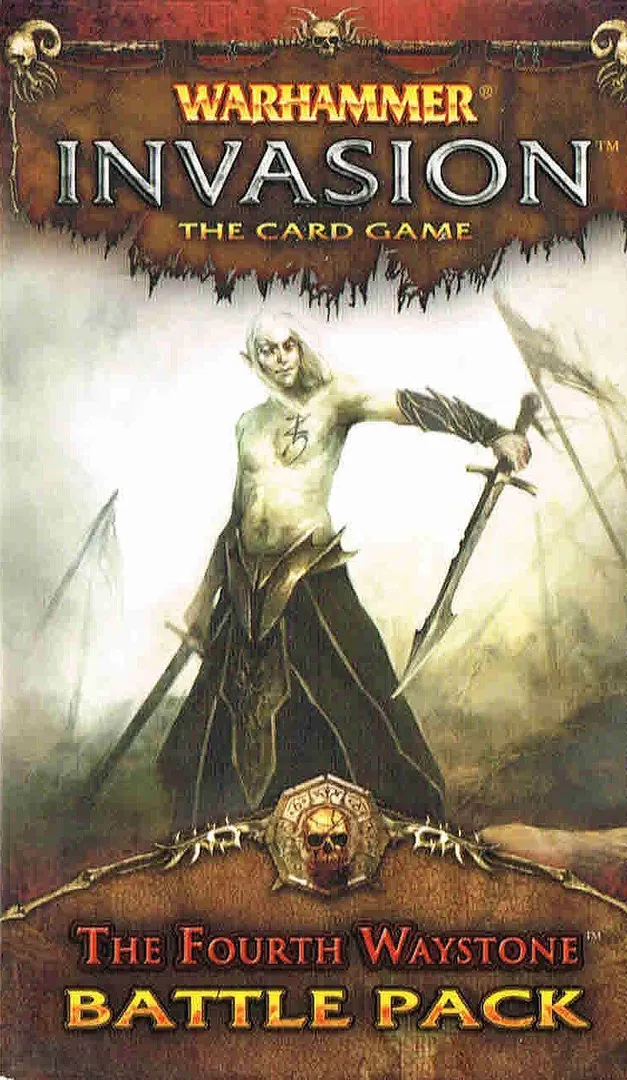
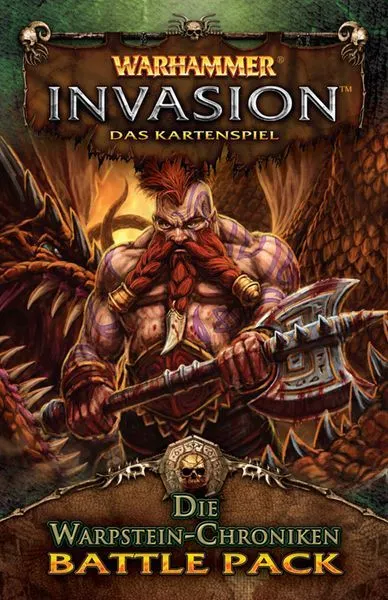
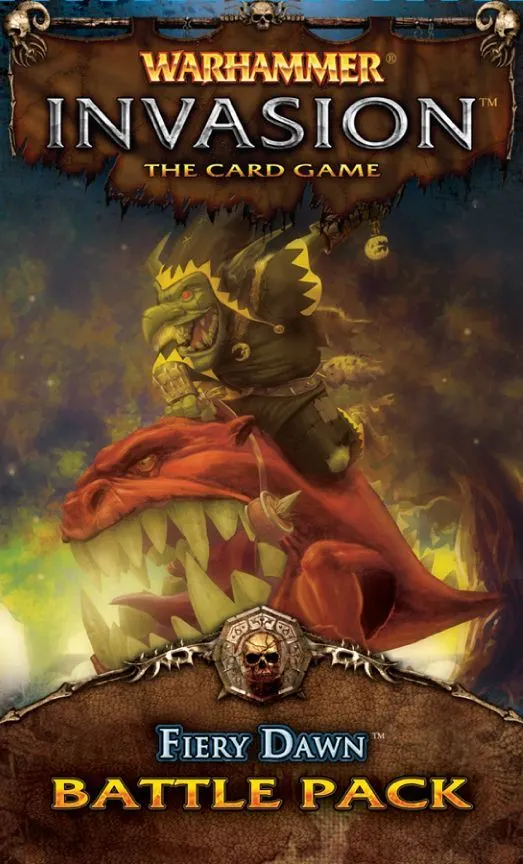
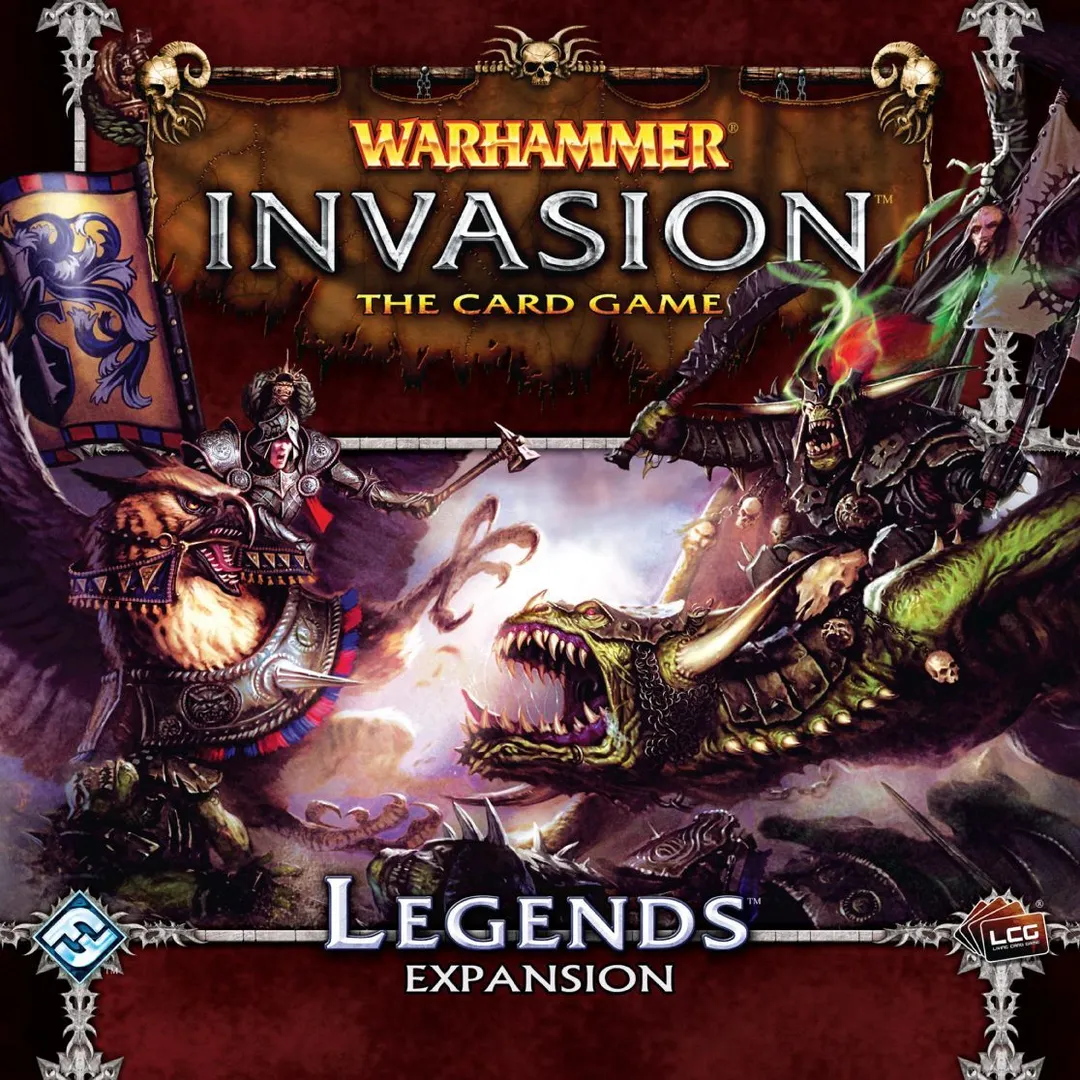
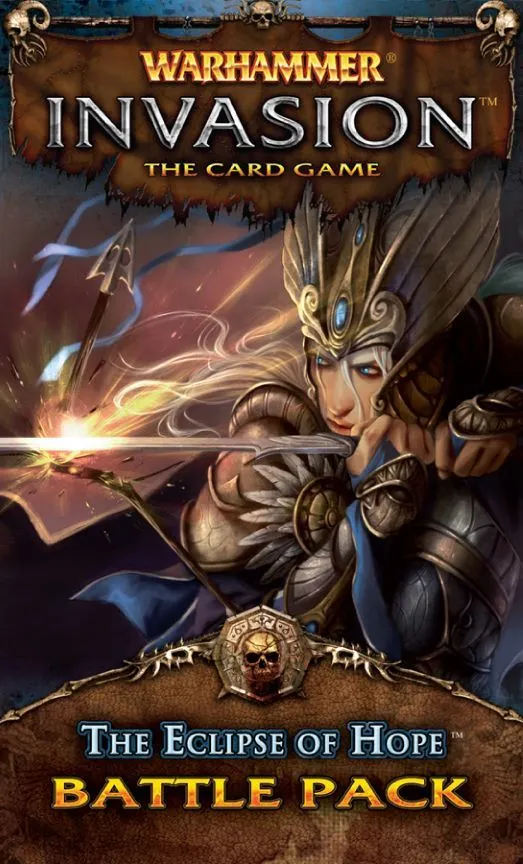
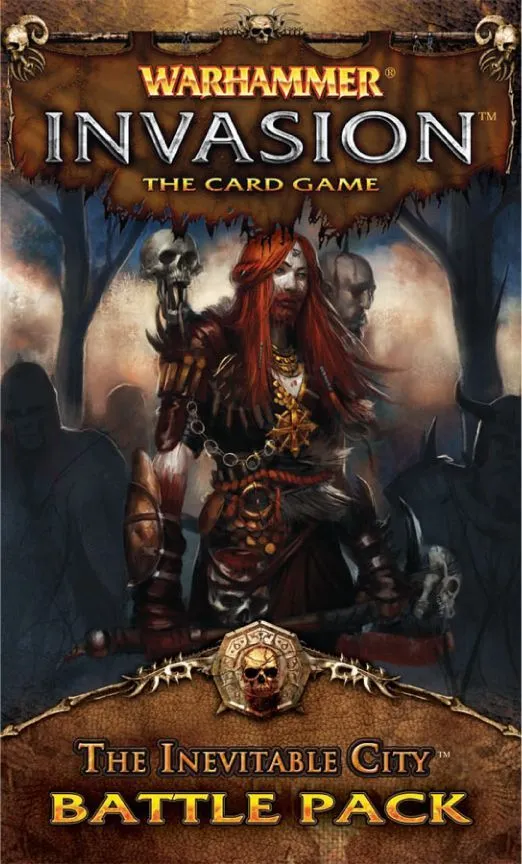
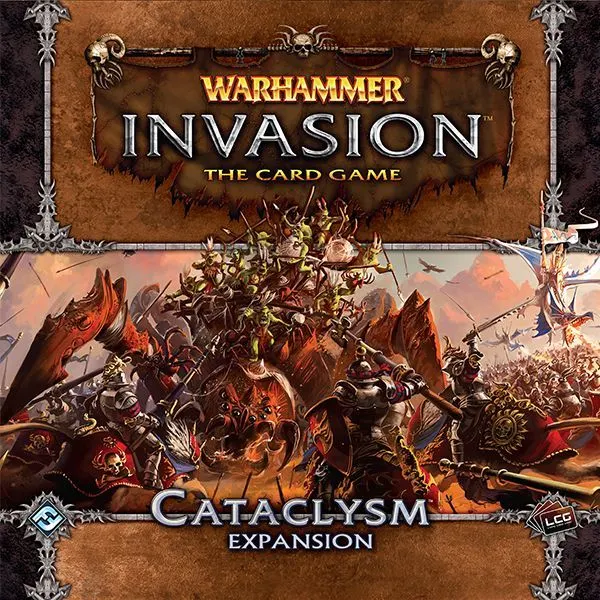
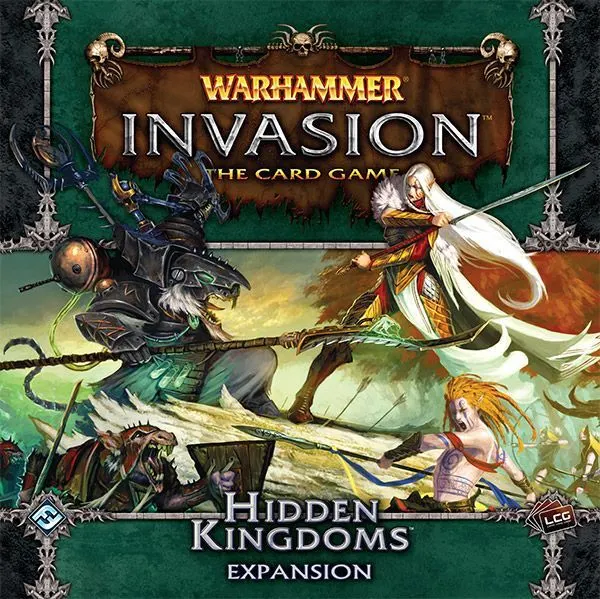
Warhammer: Invasion The Card Game is a two-player card game of intense warfare, clever kingdom management, and epic questing. Players must carefully allocate their resources as they seek to build their kingdom, complete quests, and attack the enemy’s capital. Set in the rich and diverse Warhammer universe, player's can choose different factions that each have their own style. Will you play the indestructible grudge-bearing Dwarfs, the shrewd and manoeuvrable Empire, the savage and destructive Orcs, or the entropic and mutating forces of Chaos. Or will you cleverly craft an alliance, playing the combined might of the forces of either Order or Destruction? Warhammer: Invasion follows a similar model to that of Magic: The Gathering. Players will construct a deck of cards to their liking that they will use to battle against each other by drawing cards and using resources to play them. Cards can consist of monsters or heroes, one-off spells or abilities, and permanent structures, devices, or equipment. However, there are many differences which make W:I very different from Magic. Two of the main differences are in the release model and the ordering of the gameplay area. Rather than a blind collecting model, W:I follows Fantasy Flight Games' LCG model. Each expansion or chapter pack is released with the full contents known to the purchaser. Rarity is not a factor. Rather than playing your cards into the same area and relying on card draws for resources or extra cards, each player has a 3-zoneCapitol that they must protect and those sides are generally where cards are played. If an opponent causes enough damage to a section of your capitol it is "burned." If two sides of your capitol are burned you lose. Depending on which side of your capitol you put a card into it will be able to different things. Units and buildings in the Kingdom Zone contribute to your available resource pool while ones in your Quest Zone cotribute to your card draws. Cards played into the Battlefield are used to attack opponents. Also, units in a zone being attacked by an opponent can be used to defend that zone from damage. This adds a large amount of tactical decisions when it comes to playing your cards. You must carefully balance building your economy with the ability to attack and defend. Warhammer Invasion LCG Core Set contains: * 1 Rulebook * 220 Cards representing 4 factions * 4 Capital Boards * 35 Resource Tokens * 60 Damage Tokens * 4 Burning Tokens Battle Pack Expansion Cycles: 1) The Corruption Cycle: The Skavenblight Threat Path of the Zealot Tooth and Claw The Deathmaster's Dance The Warpstone Chronicles Arcane Fire 2) The Enemy Cycle: The Burning of Derricksburg The Fall of Karak Grimaz The Silent Forge Redemption of a Mage The Fourth Waystone Bleeding Sun 3) The Morrslieb Cycle: Omens of Ruin The Chaos Moon The Twin Tailed Comet Signs in the Stars The Eclipse of Hope Fiery Dawn 4) The Capital Cycle: The Inevitable City Realm of the Phoenix King The Iron Rock Karaz-a-Karak City of Winter The Imperial Throne 5) The Bloodquest Cycle: Rising Dawn Fragments of Power The Accursed Dead Vessel of the Winds Portent of Doom Shield of the Gods 6) The Eternal War Cycle: Days of Blood Oaths of Vengeance Battle for the Old World Glory of Days Past The Ruinous Hordes Faith and Steel 7) Deluxe Expansions: Assault on Ulthuan March of the Damned Legends Cataclysm Hidden Kingdoms
Warhammer: Invasion supports 2 players according to the catalogue. This is the publisher’s listed player count, so the game is designed for exactly that number of participants. Variants for other group sizes, if any, are described in the rulebook of your edition, so check it before setting up a different configuration.
The listed playing time for Warhammer: Invasion is 45 minutes. This is the publisher’s estimate for a full game. The actual duration depends on the group, the player count and familiarity with the rules: first sessions usually run longer, while experienced groups often finish faster. Setup and teaching time are not included in this estimate.
The catalogue lists Warhammer: Invasion for ages 13 and up. This is the publisher’s recommendation and reflects reading demands, rule complexity and small components rather than theme alone. Younger players can often join with help from an adult, so check the age guidance on your edition and consider your group’s experience with board games.
Warhammer: Invasion has a complexity rating of 2.7 out of 5 from BoardGameGeek players, which makes it a medium-light game. The rating reflects how much rules knowledge, planning and decision-making a typical game demands. Expect a longer first teach for heavier games, and use a preparation guide before game night.
Warhammer: Invasion belongs to these categories: Card Game, Fantasy, and Fighting. Its main mechanics are Variable Player Powers and Hand Management. Categories describe the theme and setting of a game, while mechanics describe what players actually do on their turns. Each mechanic links to a catalogue hub with similar games, which helps when you want something comparable.
The credited designers of Warhammer: Invasion are: Eric M. Lang. These credits come from the published game data and name the people responsible for the game’s design, not its illustrators or publishers. Designer pages on MeepleRules collect other titles by the same designers, which helps when you enjoy a game and want to find similar ones.
The catalogue lists Warhammer: Invasion as a base game. It can be played on its own with the components in the box and does not require any other title. Expansions, if any exist, add new content or rules on top of it and are listed separately in the catalogue with a link back to this base game.