
- BGG rank
- BGG #286
- BGG rating
- 7.5
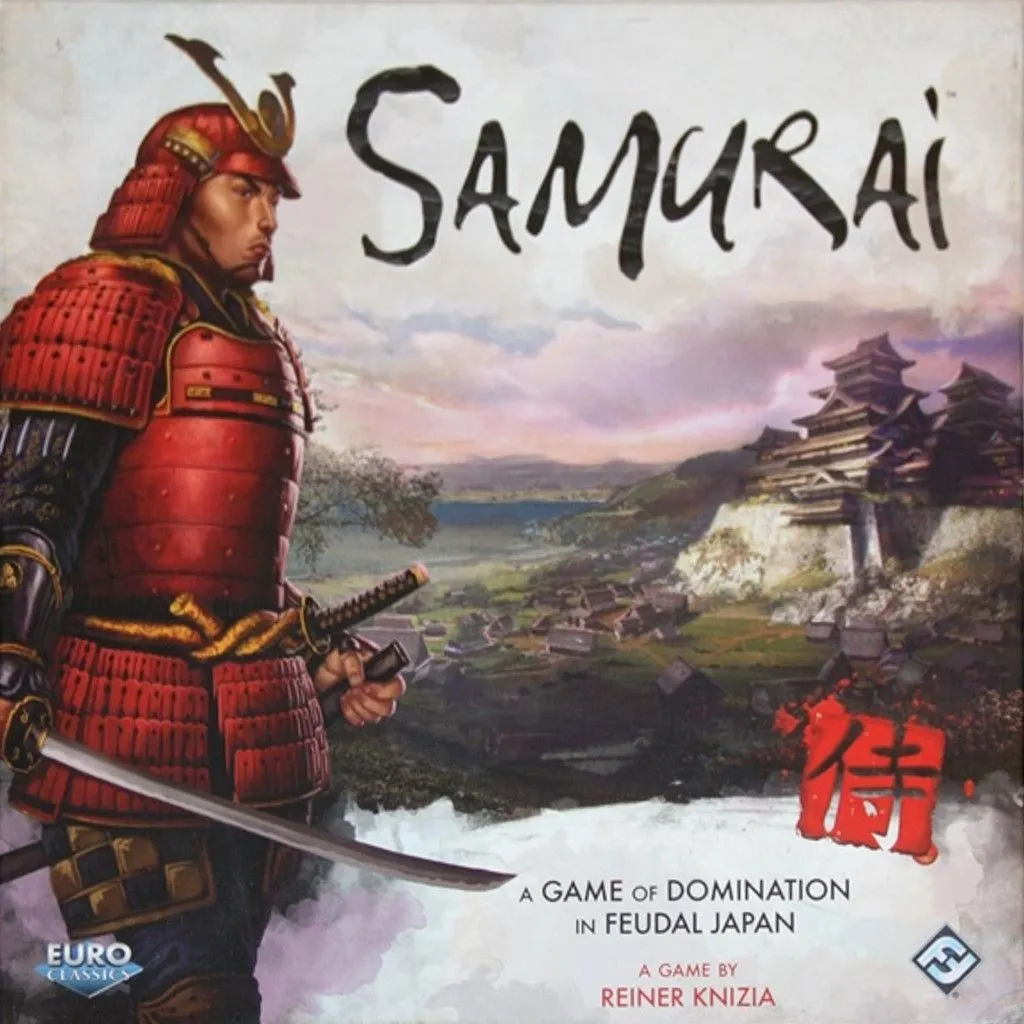
Samurai
- 2–4 players
- 30–60 min
- Complexity 2.4/5
- 1998
2021
Rules assistance for Daimyo Senso
Plain-language explanations of turns, card effects and disputed situations, with official source references and saved question history.
For 1 player
What would you like to know?
Answers come from the official rulebook, with the page to check.
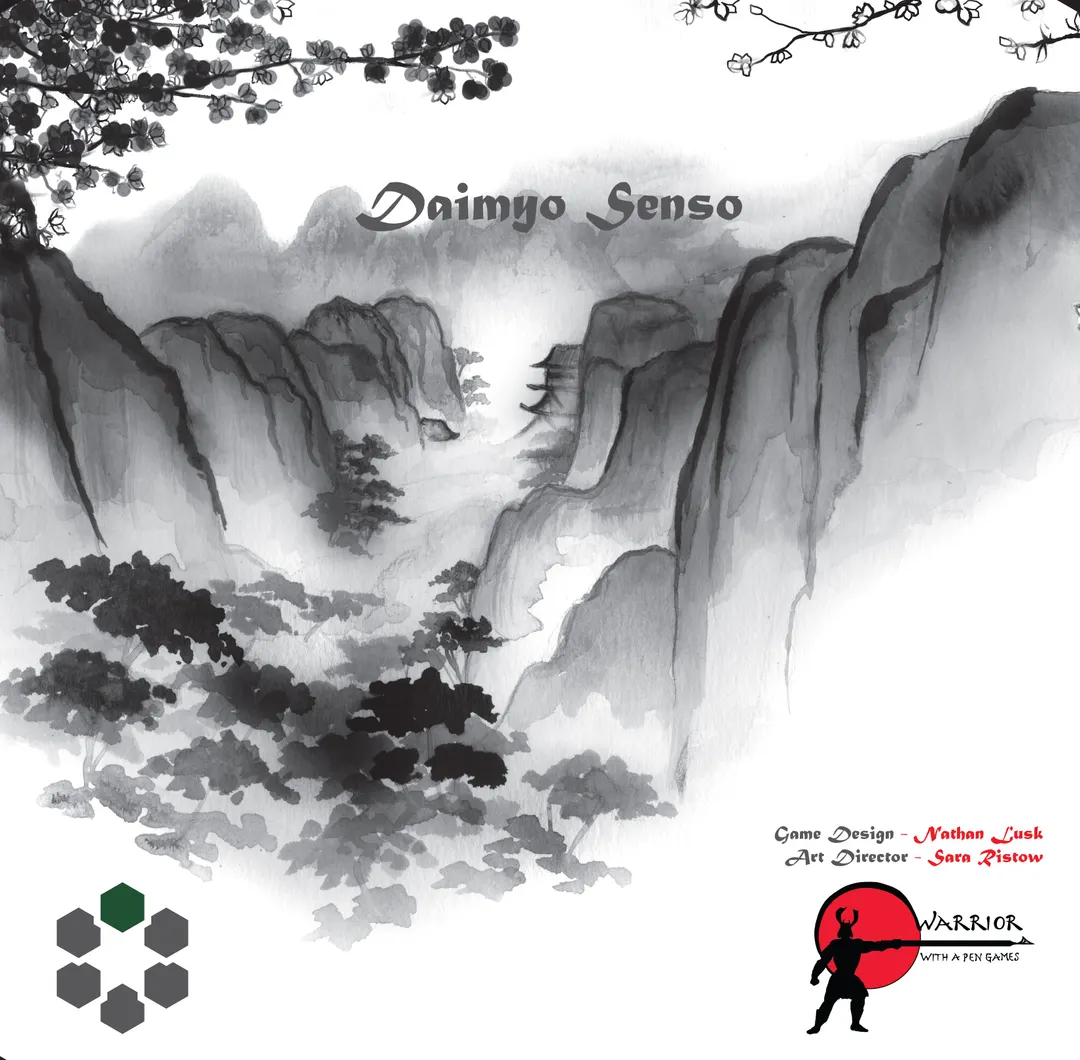
Daimyo Senso is a board game released in 2021 for 1–8 players, 40–120 minutes per game, and ages 12 and up. It was designed by Nathan Lusk and its main mechanics are Once-Per-Game Abilities.





Manufactured in the USA! Daimyo Senso is a 1-8 player game where each player takes the role of a 16th century Japanese daimyo in conquest to become the next Shogun. Players take turns during 4 seasons per year for 4 years, using predetermined commands during each season. Those commands are Move, Deploy, or Attack. Once per year, each daimyo may use one special skill, which amplifies the power of one of their commands. At the end of each year, players tally up their total Castles, Cities, and Fortresses and are awarded Honor based on that total. The game is over after 4 years, and the player with the most Honor wins. In single player, the board is set up with significantly more troops, and the player must battle through all of them to completely conquer 5 Regions within 4 years. This race against the clock also acts to help players understand the Actions and General Cards. Edit: There are now additional multiplayer rules for playing the game out until only one player is left. This is an optional way to play, and makes the game much longer, but is still as strategic and even more desperately gratifying when a long-term plan comes together through alliance, deceit, and careful planning. Another optional rule sets the board up with all daimyo present even in a less-than-8 player game. Each faction in the game is asymmetrical, and each has its own 4 special skills, called General Cards. The factions include: Oda - Beginning in south central Honshu, the Oda clan has powerful General Cards that allow him to wage war heavily and assign his armies to the most crucial battlefronts. Uesugi - The Uesugi clan's attacks are bolstered by powerful generals, and his tactical movements and deployments insure that his armies are where they need to be. Takeda - While the mighty Takeda war machine has deceptively light attack powers, their troop movements and deployments make them extremely able to defend their hard-won gains. Hojo - The Hojo employ shinobi, which allows them to completely fool their enemies. While an enemy may think the Hojo are weak on one front, their armies can immediately arrive on the opposite end of their kingdom, shocking enemies into submission. Miyoshi - The Miyoshi use deception and surprise tactics to hit their enemies where they're weakest. Their powerful navy insures their ability to suddenly appear on any coast at any time. Mori - The Mori clan uses cunning to thwart their opponents. Their swift advance through unoccupied territories and their ability to fight on multiple fronts at once make them a headache for any enemy to stop. Date - The Date clan can assault enemy castles with heroic actions, and their ferocity makes neighboring armies wither. Beware the city of Sendai, as the Date will fiercely defend it. Shimazu - From the southern tip of Kyushu, the Shimazu wage war with their enemies to the North and East. The Shimazu are supported by the people, who rush to join their cause. -description from designer
Daimyo Senso supports 1–8 players according to the catalogue. This range comes from the publisher’s listed player count, so the game can be set up for any group size within it. Some setups, rules and scoring details may still vary by player count, so check your edition’s rulebook for the exact configuration.
The listed playing time for Daimyo Senso is 40–120 minutes. This is the publisher’s estimate for a full game. The actual duration depends on the group, the player count and familiarity with the rules: first sessions usually run longer, while experienced groups often finish faster. Setup and teaching time are not included in this estimate.
The catalogue lists Daimyo Senso for ages 12 and up. This is the publisher’s recommendation and reflects reading demands, rule complexity and small components rather than theme alone. Younger players can often join with help from an adult, so check the age guidance on your edition and consider your group’s experience with board games.
Daimyo Senso has a complexity rating of 3.0 out of 5 from BoardGameGeek players, which makes it a medium-weight game. The rating reflects how much rules knowledge, planning and decision-making a typical game demands. Expect a longer first teach for heavier games, and use a preparation guide before game night.
Daimyo Senso belongs to these categories: Wargame and Abstract Strategy. Its main mechanics are Once-Per-Game Abilities. Categories describe the theme and setting of a game, while mechanics describe what players actually do on their turns. Each mechanic links to a catalogue hub with similar games, which helps when you want something comparable.
The credited designers of Daimyo Senso are: Nathan Lusk. These credits come from the published game data and name the people responsible for the game’s design, not its illustrators or publishers. Designer pages on MeepleRules collect other titles by the same designers, which helps when you enjoy a game and want to find similar ones.
The catalogue lists Daimyo Senso as a base game. It can be played on its own with the components in the box and does not require any other title. Expansions, if any exist, add new content or rules on top of it and are listed separately in the catalogue with a link back to this base game.