
- BGG rank
- BGG #11,469
- BGG rating
- 8.4
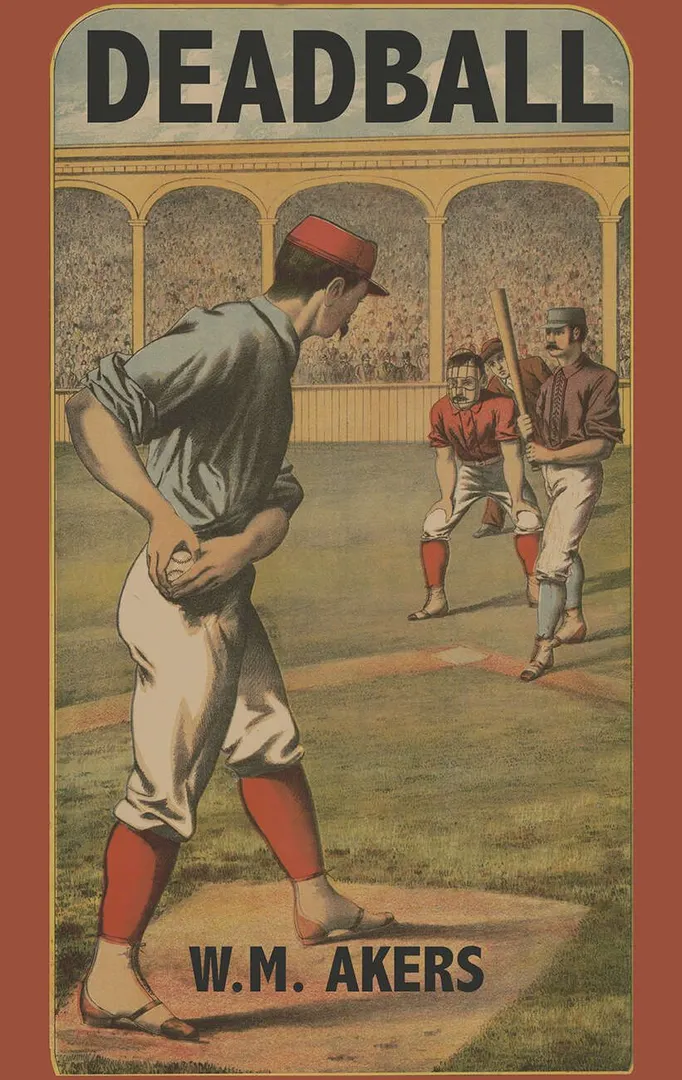
Deadball: Baseball With Dice (Second Edition)
- 1–2 players
- 15–30 min
- Complexity 2.6/5
- 2022
Rules assistance for Deadball: Year III
Plain-language explanations of turns, card effects and disputed situations, with official source references and saved question history.
What would you like to know?
Answers come from the official rulebook, with the page to check.
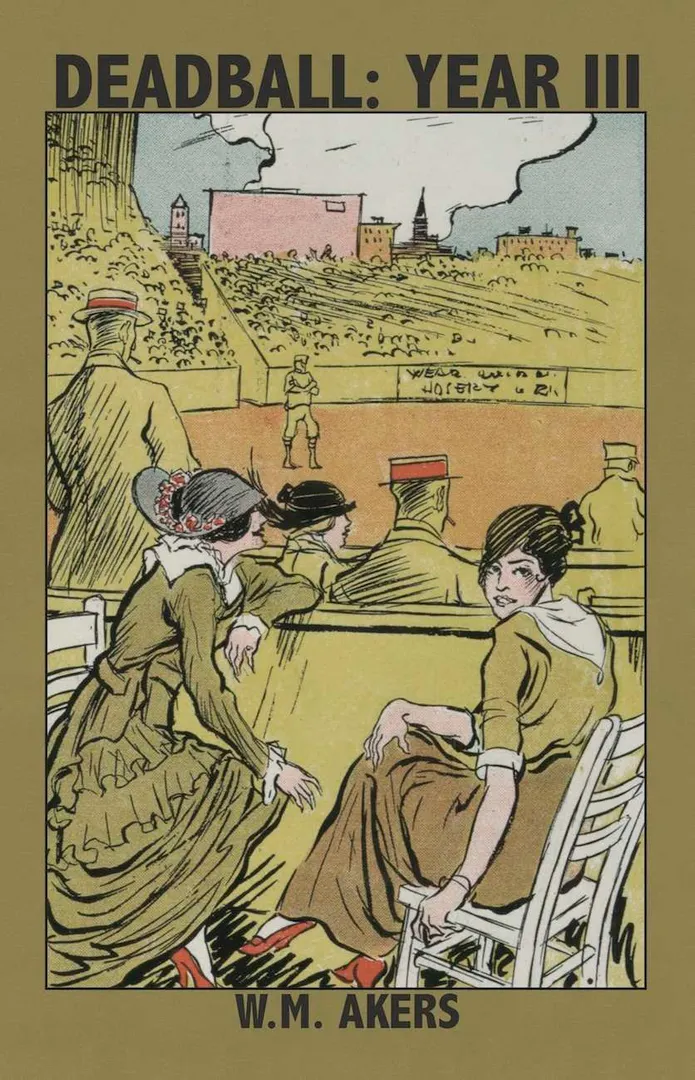
Deadball: Year III is an expansion for Deadball released in 2019 for 1–2 players and ages 8 and up. It was designed by W.M. Akers and its main mechanics are Dice Rolling and Simulation.





Deadball: Year III is an expansion to the bestselling Deadball: Baseball With Dice. Inspired by the cheats and scoundrels of baseball history, Year III features Steroid Era all-stars, rules for throwing the World Series, and fully-updated rosters for the wonderfully bizarre Southern Circuit. It requires either the original game or Deadball: 1909 to play. What Is Deadball? Deadball is a fast-paced baseball dice game for one or two players that uses real statistics to bring the ballpark to your tabletop. Its elegantly simple rules are intuitive to die-hards and casual fans alike, allowing you to simulate a game between real or imaginary teams in about twenty minutes. Check out the free quick start guide to see how fast and fun it plays. What's New In Year III? One hundred years ago, a group of Chicago White Sox players attempted to throw the World Series, creating a scandal that ended their careers and changed the sport forever. Deadball: Year III allows you to simulate a game or series in which one or more of the players on the field are deliberately trying to lose, and to find out how it feels to throw the most important games of your life. Along with the rules for fixing a series, Year III includes: An oddities table that seamlessly integrates incidents like balks, fan interference, botched calls, and animals on the field—without slowing down play New rules to simulate modern bullpen usage A revised Deadball scoresheet that makes it easier than ever to keep track of the action Rosters for the notorious All Stars of the Steroid Era A history of baseball’s bans and blacklists by John Thorn, the official historian of Major League Baseball; a meditation on losing on purpose by USA Today’s Ted Berg, and a poem about the dead ball era by Nicole Callihan In Year III, cheaters never prosper—but they still have a marvelous time. —description from the publisher
Deadball: Year III supports 1–2 players according to the catalogue. This range comes from the publisher’s listed player count, so the game can be set up for any group size within it. Some setups, rules and scoring details may still vary by player count, so check your edition’s rulebook for the exact configuration.
The catalogue lists Deadball: Year III for ages 8 and up. This is the publisher’s recommendation and reflects reading demands, rule complexity and small components rather than theme alone. Younger players can often join with help from an adult, so check the age guidance on your edition and consider your group’s experience with board games.
Deadball: Year III has a complexity rating of 2.0 out of 5 from BoardGameGeek players, which makes it a medium-light game. The rating reflects how much rules knowledge, planning and decision-making a typical game demands. Expect a longer first teach for heavier games, and use a preparation guide before game night.
Deadball: Year III belongs to these categories: Expansion for Base-game and Sports. Its main mechanics are Dice Rolling and Simulation. Categories describe the theme and setting of a game, while mechanics describe what players actually do on their turns. Each mechanic links to a catalogue hub with similar games, which helps when you want something comparable.
The credited designers of Deadball: Year III are: W.M. Akers. These credits come from the published game data and name the people responsible for the game’s design, not its illustrators or publishers. Designer pages on MeepleRules collect other titles by the same designers, which helps when you enjoy a game and want to find similar ones.
The catalogue lists Deadball: Year III as an expansion for Deadball. Expansions add new content, rules or scenarios to the base game and usually cannot be played on their own, so you need Deadball to use it. Check that your edition of Deadball is compatible, as some expansions were revised between editions.