- BGG rating
- 6.1
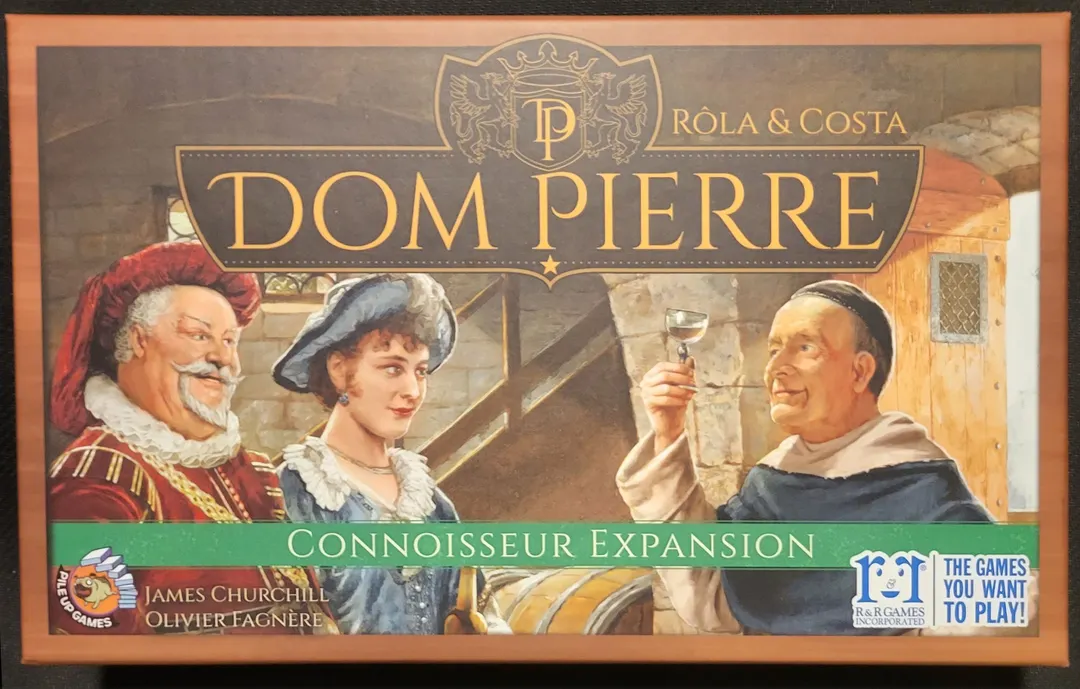
Dom Pierre: Connoisseur Expansion
- 2–4 players
- 60–120 min
- 2022
2022
Rules assistance for Dom Pierre
Plain-language explanations of turns, card effects and disputed situations, with official source references and saved question history.
For 2 players
What would you like to know?
Answers come from the official rulebook, with the page to check.
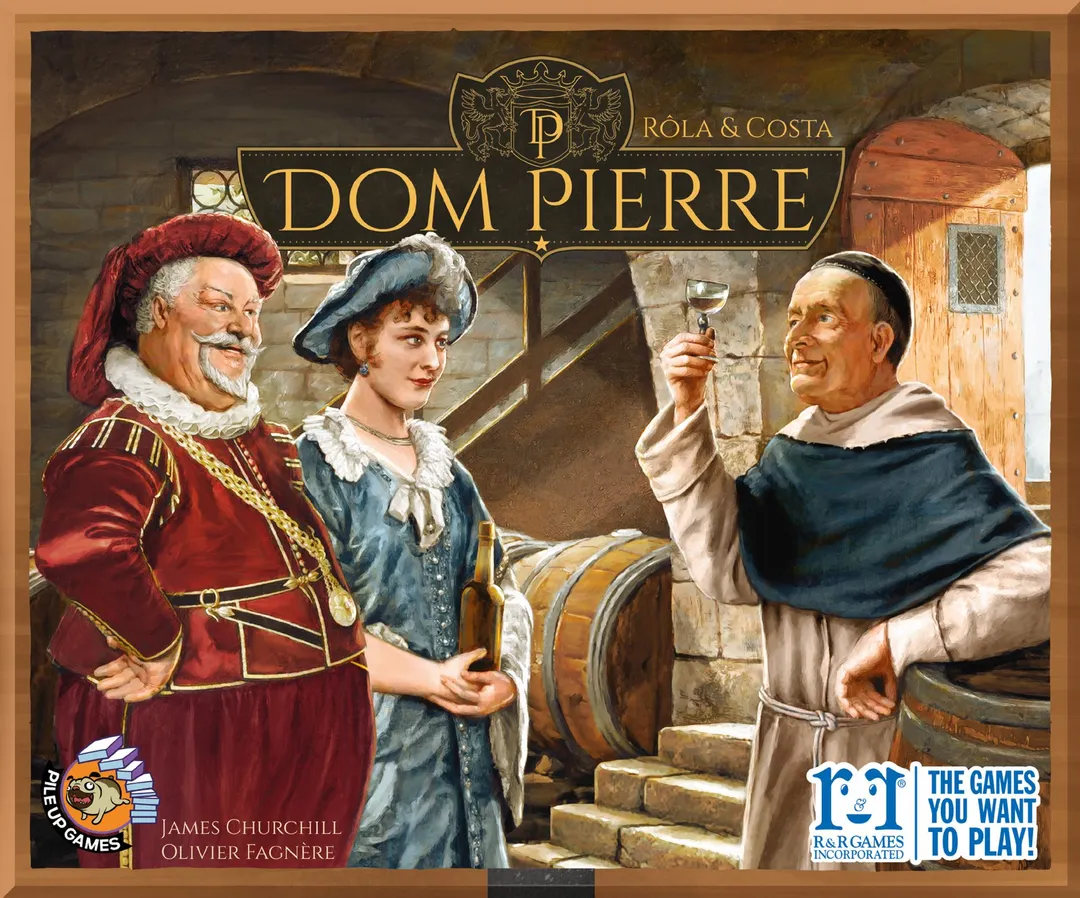
Dom Pierre is a board game released in 2022 for 2–4 players, 60–120 minutes per game, and ages 12 and up. It was designed by Rôla and Costa and its main mechanics are Variable Player Powers, Action Points, and Contracts.


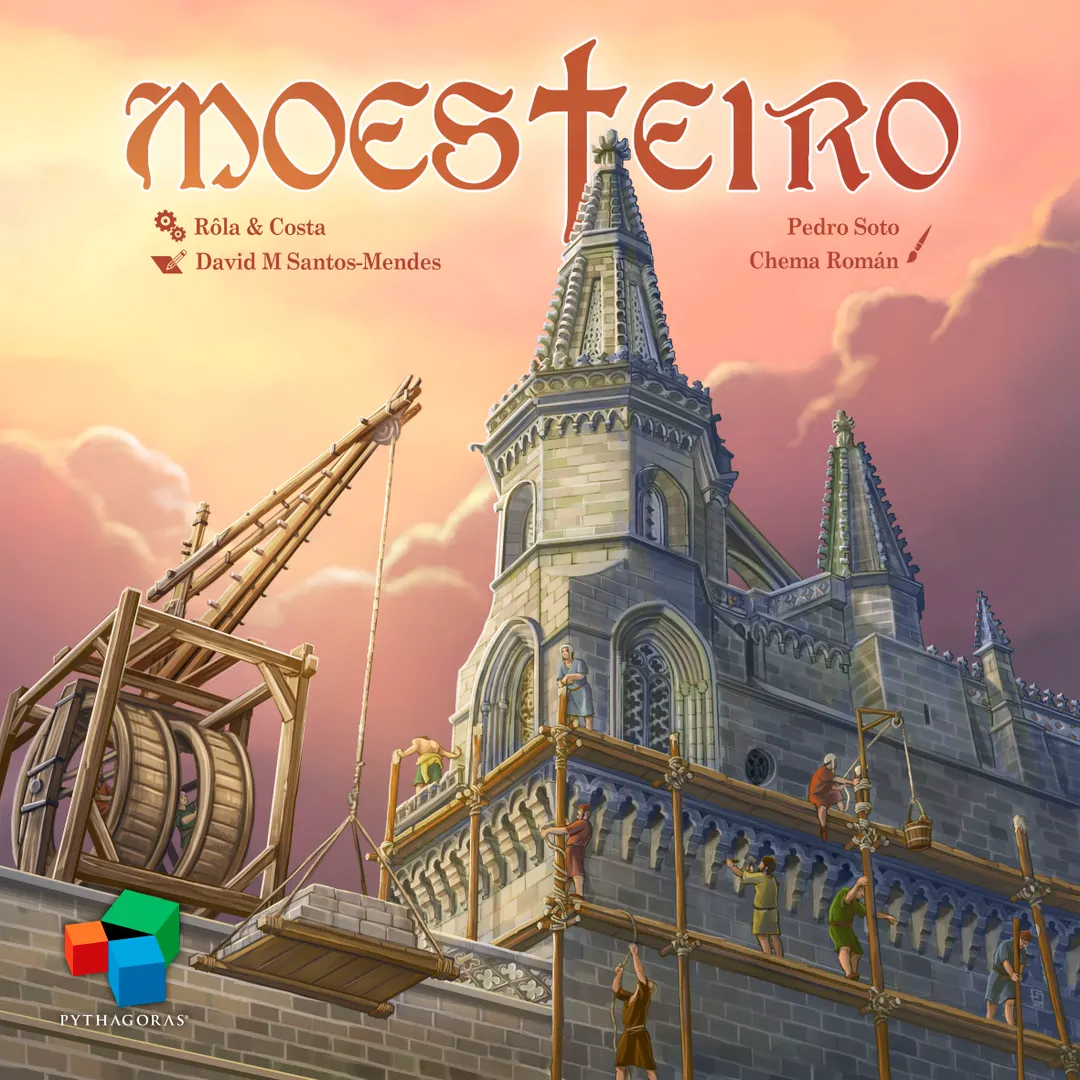
At the end of the 17th century, a French Benedictine monk in charge of the cellar at Hautvillers Abbey made an important contribution to differentiate wines from that region. As a result, it became possible to produce wines of superior quality, particularly in white wines made from black grape varieties. While Dom Pierre Pérignon initially felt the sparkling of the wine was a negative feature, the consequent increase in both quality and quantity created the path that lead to the appreciation and recognition of champagne. Throughout the 18th century, several "champagne houses" — or Champagne Maisons — were founded, and a new business dynamic grew in the region. These houses replaced small farm and monastery production in leading the evolutionary process of champagne, and by planting more vineyards or buying grapes from other producers or both, they mastered the specialization. To promote their product, the houses hired sales agents to take samples of their champagne wines to the Royal Courts of Europe, a crucial factor in generating the glamorous fashion of drinking champagne. Despite production growth, improved quality, and increasing popularity, trade did not reach spectacular rates during the 19th century — which is why the game Dom Pierre is much more about winning prestige than earning money. In the game, you are responsible for one of the oldest Champagne Maisons, producing and selling wine all over Europe, not to mention the other side of the Atlantic. The local economy will be boosted, employment increased, and your brand will become universally recognized. To make all this happen will require a chain of actions that starts in your vineyard. You will need to look for continuous improvement, constantly react to your opponents, and optimize your choices to build the most prestigious Champagne Maison. In game terms, on a turn you move up a disc on the winery game board and perform an action, with the actions become more powerful as the game progresses. You will plant in the vineyards, harvest crops, buy grapes from neighbors, make wines in your cellar (some more valuable than others), allocate salespeople on four market routes and workers in the vineyard and cellar, and acquire the necessary accessories to improve production.
Dom Pierre supports 2–4 players according to the catalogue. This range comes from the publisher’s listed player count, so the game can be set up for any group size within it. Some setups, rules and scoring details may still vary by player count, so check your edition’s rulebook for the exact configuration.
The listed playing time for Dom Pierre is 60–120 minutes. This is the publisher’s estimate for a full game. The actual duration depends on the group, the player count and familiarity with the rules: first sessions usually run longer, while experienced groups often finish faster. Setup and teaching time are not included in this estimate.
The catalogue lists Dom Pierre for ages 12 and up. This is the publisher’s recommendation and reflects reading demands, rule complexity and small components rather than theme alone. Younger players can often join with help from an adult, so check the age guidance on your edition and consider your group’s experience with board games.
Dom Pierre has a complexity rating of 3.8 out of 5 from BoardGameGeek players, which makes it a heavy game. The rating reflects how much rules knowledge, planning and decision-making a typical game demands. Expect a longer first teach for heavier games, and use a preparation guide before game night.
Dom Pierre belongs to these categories: Economic and Farming. Its main mechanics are Variable Player Powers, Action Points, and Contracts. Categories describe the theme and setting of a game, while mechanics describe what players actually do on their turns. Each mechanic links to a catalogue hub with similar games, which helps when you want something comparable.
The credited designers of Dom Pierre are: Rôla and Costa. These credits come from the published game data and name the people responsible for the game’s design, not its illustrators or publishers. Designer pages on MeepleRules collect other titles by the same designers, which helps when you enjoy a game and want to find similar ones.
The catalogue lists Dom Pierre as a base game. It can be played on its own with the components in the box and does not require any other title. Expansions, if any exist, add new content or rules on top of it and are listed separately in the catalogue with a link back to this base game.