
- BGG rating
- 7.6
EGO: ID Expansion
- 2–5 players
- 40–80 min
- Complexity 2.3/5
- 2025

2025
Rules assistance for EGO
Plain-language explanations of turns, card effects and disputed situations, with official source references and saved question history.
For 2 players
What would you like to know?
Answers come from the official rulebook, with the page to check.
EGO is a board game released in 2025 for 2–5 players, 40–80 minutes per game, and ages 14 and up. It was designed by Reiner Knizia and its main mechanics are Hand Management, Push Your Luck, and Auction / Bidding.
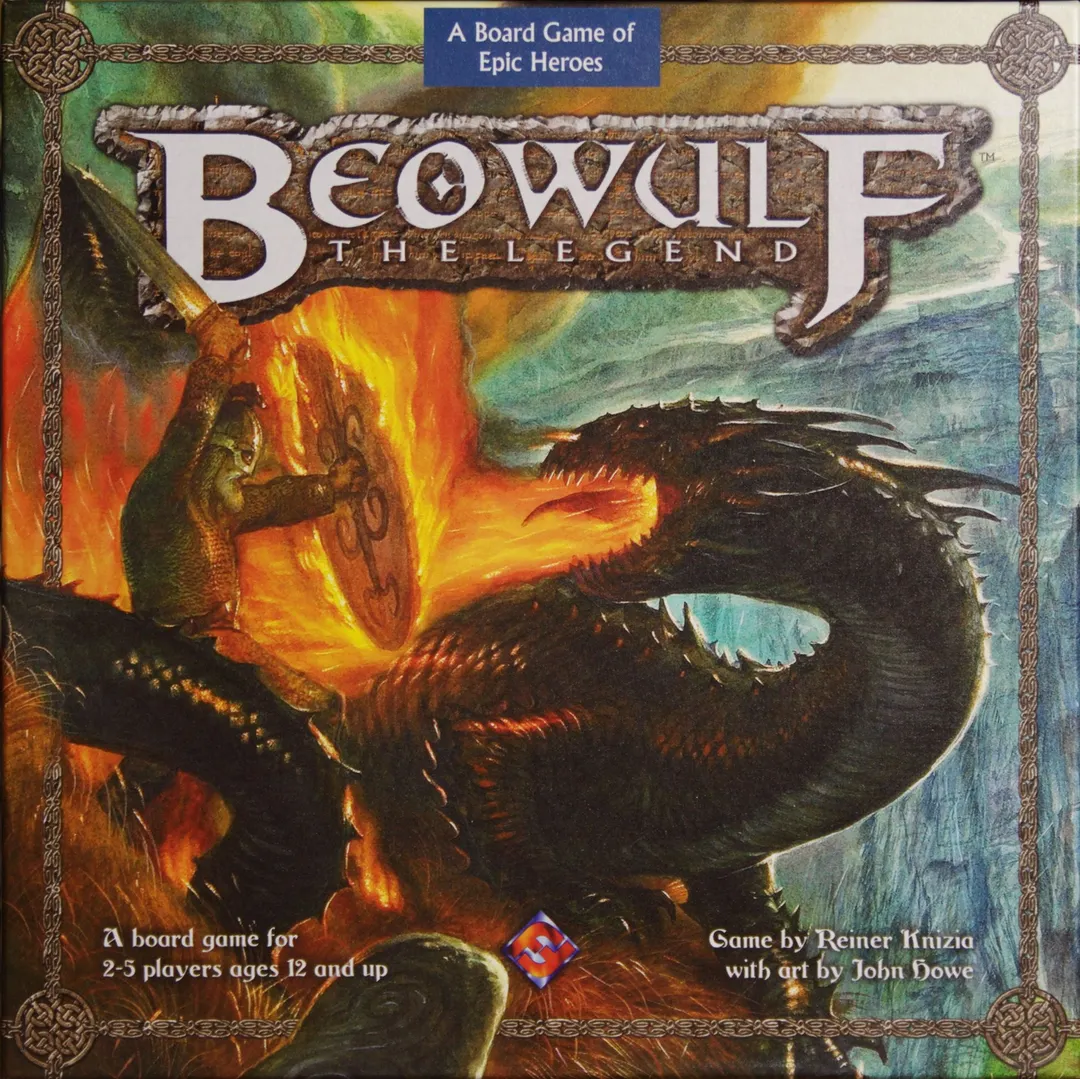

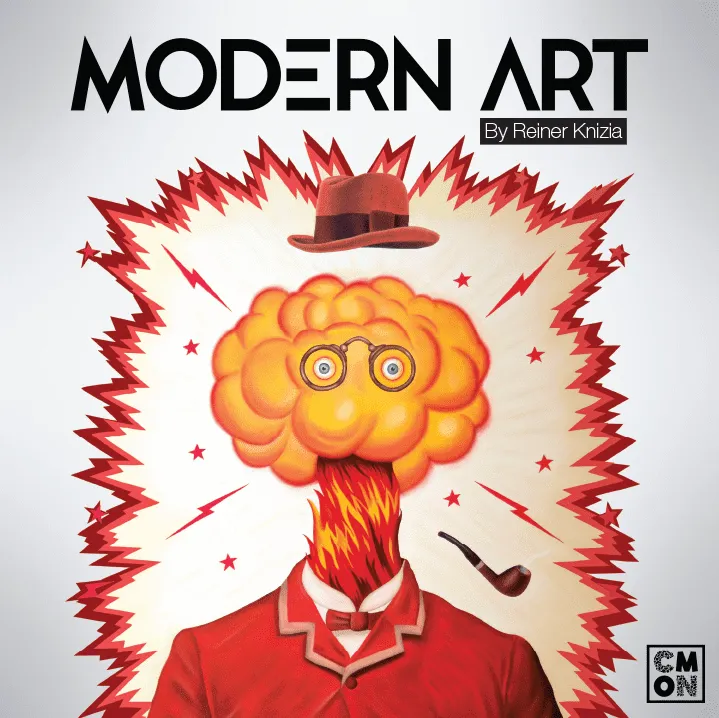



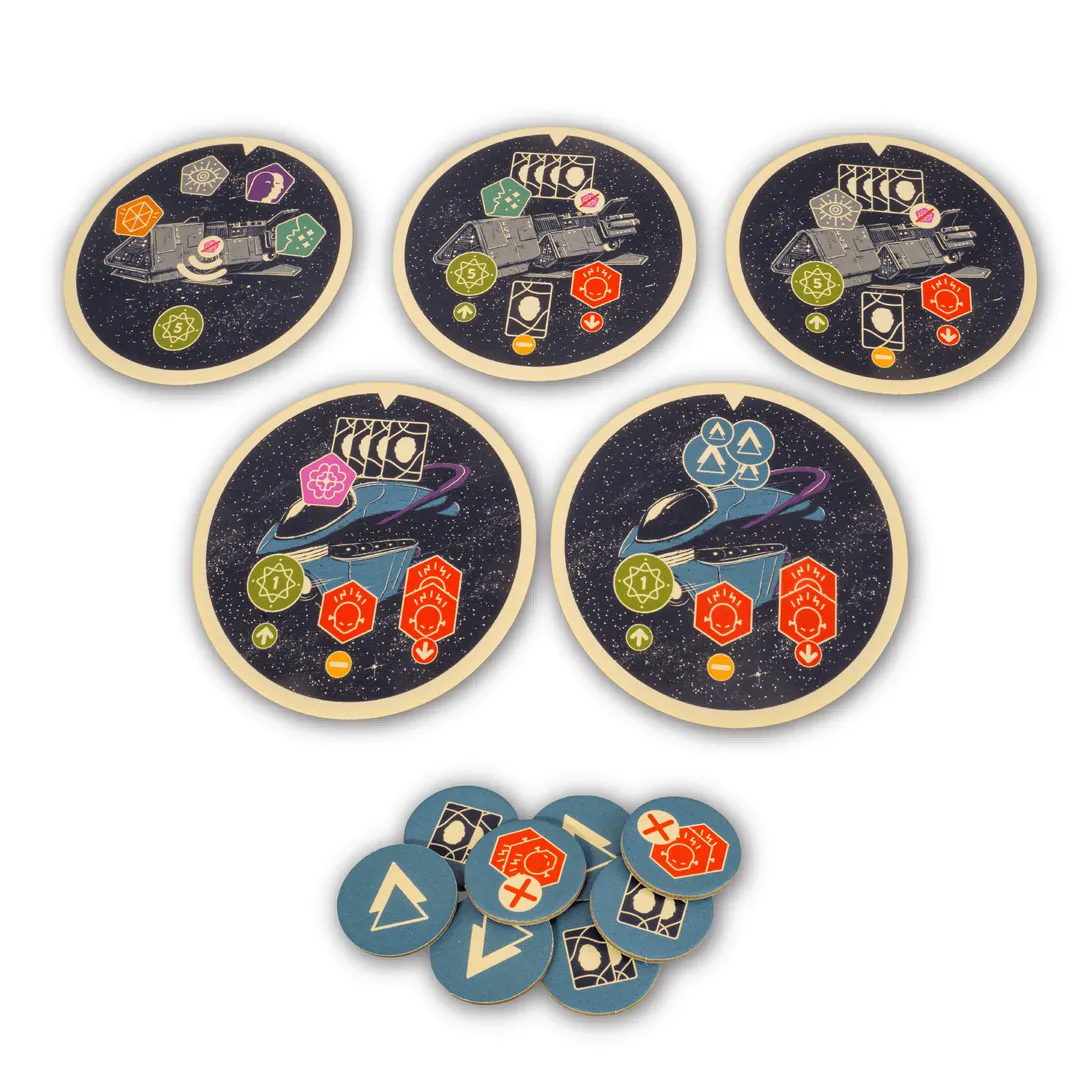
We are not alone! It is the 23rd century, and proof of alien life has finally been discovered beyond our solar system. In fact, recent developments in technology have triggered a cascade of discoveries throughout the galaxy; intelligent life and advanced civilizations are now known across many planets, moons, and asteroids in the Milky Way. Now the race is on to establish interstellar relations with the aliens. The only chance we have of reaching alien life is by pooling our resources to build the required Super Ship. In an unprecedented, albeit uneasy, co-operation between the planetary governments, the peoples of our solar system have finally built the first of these Super Ships. Now, the coalition known as the Extraterrestrial Greeting Organization — EGO — is now ready to launch our first mission. In EGO, players proceed through a sequence of major and minor events including auctions, drafts, risks, and more. Risks and egos are the lifeblood of this game as players will frequently find themselves in a game of chicken with their rival ambassadors as they try to impress various alien civilizations and earn political power. At the end of the game, players earn significant bonus points or suffer serious penalty points depending on how offensive the aliens find them to be. Ultimately, the ambassador with the most prestige and respect will earn a seat in the Galactic Senate and be crowned the winner of the game. EGO is a drastic reimagining of the strategic, push-your-luck auction game, Beowulf: The Legend and introduces many innovations by: Revamping the polarizing risk mechanism while preserving its excitement and drama Increasing the set-up variety with a randomized sequence of interchangeable civilization boards Streamlining the endgame push-your-luck token system in which players can score big or suffer immensely Introducing exciting new features such as currency cards and transmission events Balancing the bidding tie-breaker system with the simple solution of ranked cards Speeding up the playtime with a condensed and focused sequence of events Doubling the number of unique special cards that can be drafted as rewards Spicing up the risk events with varying rewards and penalties Sharpening the endgame hand management decisions with tempting rewards following a climactic final auction Broadening the appeal of the theme and presentation with vivid galactic artwork by Marie Bergeron —description from the publisher
EGO supports 2–5 players according to the catalogue. This range comes from the publisher’s listed player count, so the game can be set up for any group size within it. Some setups, rules and scoring details may still vary by player count, so check your edition’s rulebook for the exact configuration.
The listed playing time for EGO is 40–80 minutes. This is the publisher’s estimate for a full game. The actual duration depends on the group, the player count and familiarity with the rules: first sessions usually run longer, while experienced groups often finish faster. Setup and teaching time are not included in this estimate.
The catalogue lists EGO for ages 14 and up. This is the publisher’s recommendation and reflects reading demands, rule complexity and small components rather than theme alone. Younger players can often join with help from an adult, so check the age guidance on your edition and consider your group’s experience with board games.
EGO has a complexity rating of 2.4 out of 5 from BoardGameGeek players, which makes it a medium-light game. The rating reflects how much rules knowledge, planning and decision-making a typical game demands. Expect a longer first teach for heavier games, and use a preparation guide before game night.
EGO belongs to these categories: Political, Science Fiction, and Space Exploration. Its main mechanics are Hand Management, Push Your Luck, and Auction / Bidding. Categories describe the theme and setting of a game, while mechanics describe what players actually do on their turns. Each mechanic links to a catalogue hub with similar games, which helps when you want something comparable.
The credited designers of EGO are: Reiner Knizia. These credits come from the published game data and name the people responsible for the game’s design, not its illustrators or publishers. Designer pages on MeepleRules collect other titles by the same designers, which helps when you enjoy a game and want to find similar ones.
The catalogue lists EGO as a base game. It can be played on its own with the components in the box and does not require any other title. Expansions, if any exist, add new content or rules on top of it and are listed separately in the catalogue with a link back to this base game.