
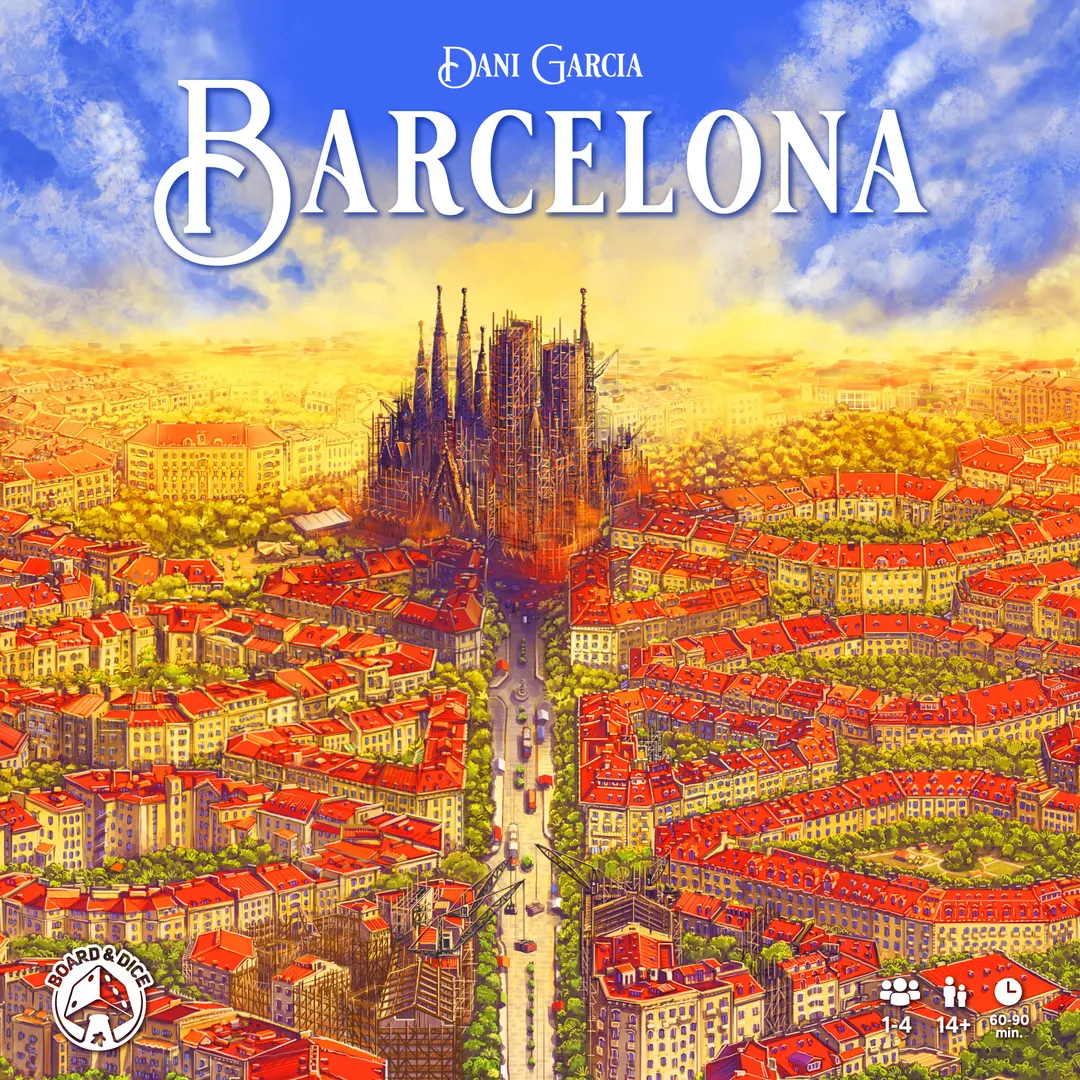
- BGG rank
- BGG #560
- BGG rating
- 7.7
Barcelona
- 1–4 players
- 60–90 min
- Complexity 3.4/5
- 2023
2026
Rules assistance for Gaudí
Plain-language explanations of turns, card effects and disputed situations, with official source references and saved question history.
For 1 player
What would you like to know?
Answers come from the official rulebook, with the page to check.
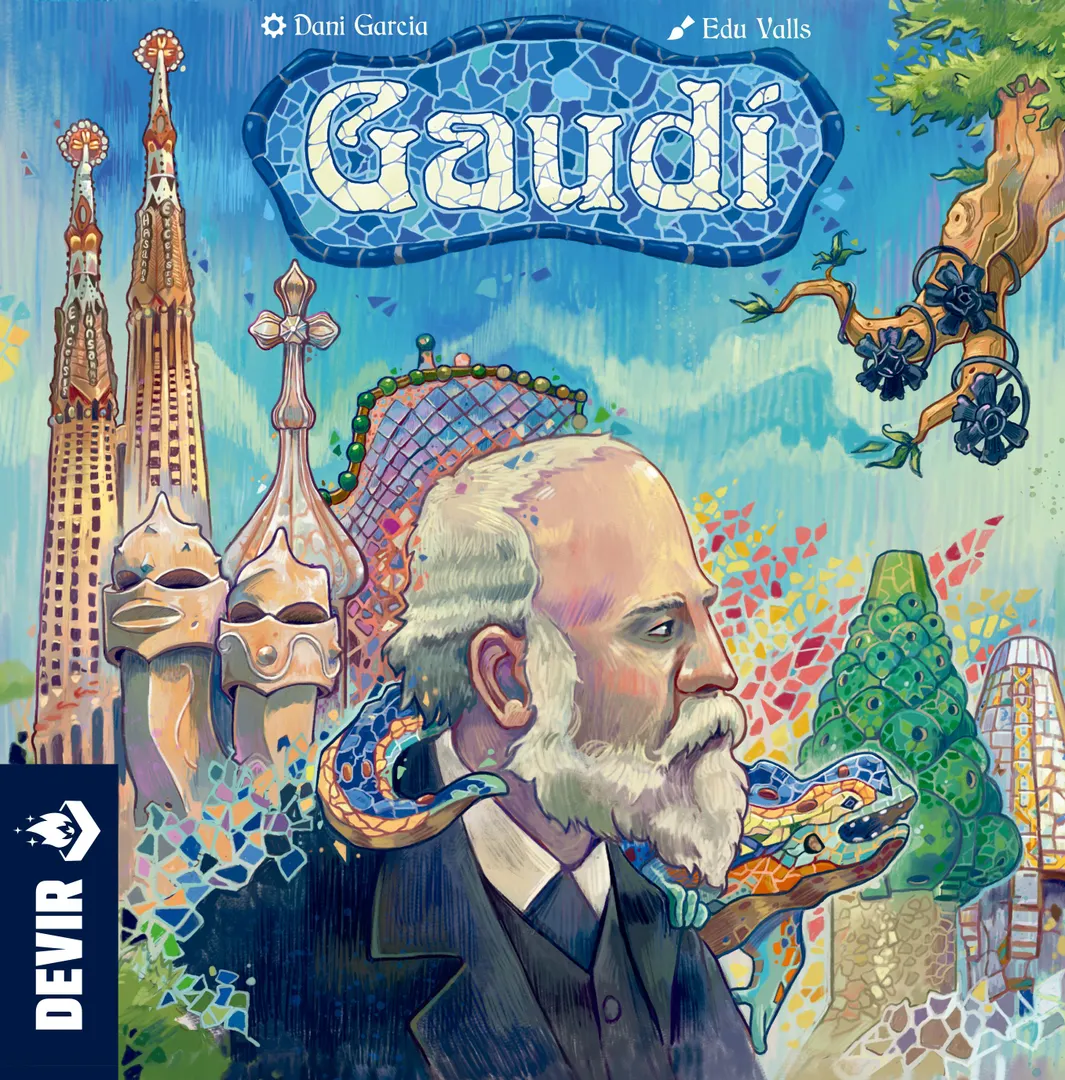
Gaudí is a board game released in 2026 for 1–4 players, 60–100 minutes per game, and ages 10 and up. It was designed by Dani Garcia and its main mechanics are Tile Placement.
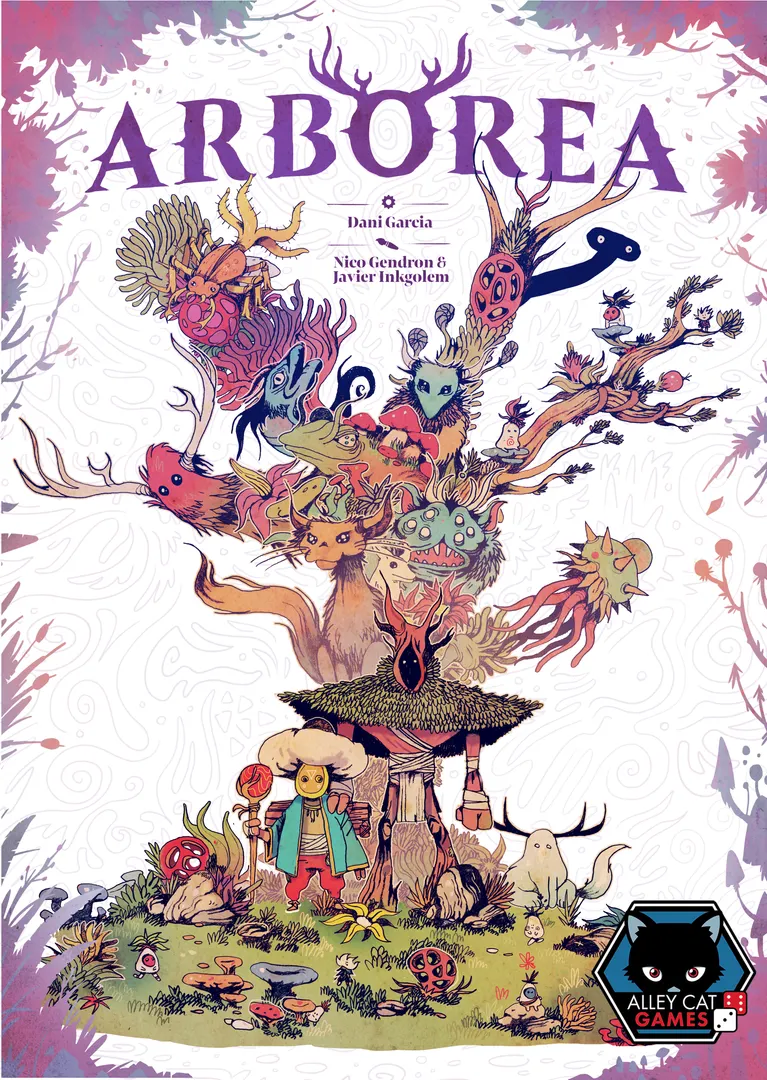






Step into a world where art defies gravity and stone becomes dream. Shape forms, balance light and nature, and bring to life the visionary style that redefined architecture. Antoni Gaudí was a visionary Catalan architect born in 1852, renowned for his imaginative and distinctive style that blended Gothic and Art Nouveau influences. Players will travel through Gaudí's life and work, earning Victory Points in the three pillars that shaped his works: Nature, Catalonia, and Religion. To succeed, players must keep their progress balanced—only their two lowest VP scores among the three pillars will count toward final scoring. Points are gained by playing cards and placing 'Trencadís' tiles on their personal boards. 'Trencadís' is a Catalan word that means “a lot of little broken things”. While playing, you’ll discover some of these intricate details depicted on the cards and experience the creative joy of arranging your own trencadís patterns on your personal board. ). Each pillar awards VP differently: Nature points are mainly earned through Nature cards, Catalonia points are mostly scored at the end of each round, and Religion points are primarily tallied at the end of the game. The game unfolds over three rounds. In each round, players take turns moving around the central Chandelier on the main board, carefully choosing where to stop in order to perform key actions—drawing cards and collecting various types of Trencadís tiles. These resources are then used to play cards and progress up the Chimneys on their personal boards. Each round concludes once all players have completed a full circuit around the Chandelier. At the end of the third round, the player with the highest and most balanced combination of VP will be declared the winner! —description from the publisher
Gaudí supports 1–4 players according to the catalogue. This range comes from the publisher’s listed player count, so the game can be set up for any group size within it. Some setups, rules and scoring details may still vary by player count, so check your edition’s rulebook for the exact configuration.
The listed playing time for Gaudí is 60–100 minutes. This is the publisher’s estimate for a full game. The actual duration depends on the group, the player count and familiarity with the rules: first sessions usually run longer, while experienced groups often finish faster. Setup and teaching time are not included in this estimate.
The catalogue lists Gaudí for ages 10 and up. This is the publisher’s recommendation and reflects reading demands, rule complexity and small components rather than theme alone. Younger players can often join with help from an adult, so check the age guidance on your edition and consider your group’s experience with board games.
Gaudí has a complexity rating of 2.8 out of 5 from BoardGameGeek players, which makes it a medium-light game. The rating reflects how much rules knowledge, planning and decision-making a typical game demands. Expect a longer first teach for heavier games, and use a preparation guide before game night.
The main mechanics of Gaudí are Tile Placement. Mechanics describe what players actually do on their turns, such as rolling dice, drafting cards or placing workers. Each mechanic links to a catalogue hub with similar games, which helps when you enjoyed Gaudí and want something comparable.
The credited designers of Gaudí are: Dani Garcia. These credits come from the published game data and name the people responsible for the game’s design, not its illustrators or publishers. Designer pages on MeepleRules collect other titles by the same designers, which helps when you enjoy a game and want to find similar ones.
The catalogue lists Gaudí as a base game. It can be played on its own with the components in the box and does not require any other title. Expansions, if any exist, add new content or rules on top of it and are listed separately in the catalogue with a link back to this base game.