
- BGG rating
- 7.2
Great War at Sea: U.S. Navy Plan Scarlet
- 1–2 players
- 30 min
- Complexity 2.7/5
- 2010
2009
Rules assistance for Great War at Sea: Black Waters
Plain-language explanations of turns, card effects and disputed situations, with official source references and saved question history.
What would you like to know?
Answers come from the official rulebook, with the page to check.
Great War at Sea: Black Waters is a board game expansion released in 2009 for 2 players and 30 minutes per game. It was designed by Michael Bennighof and its main mechanics are Dice Rolling and Hexagon Grid.




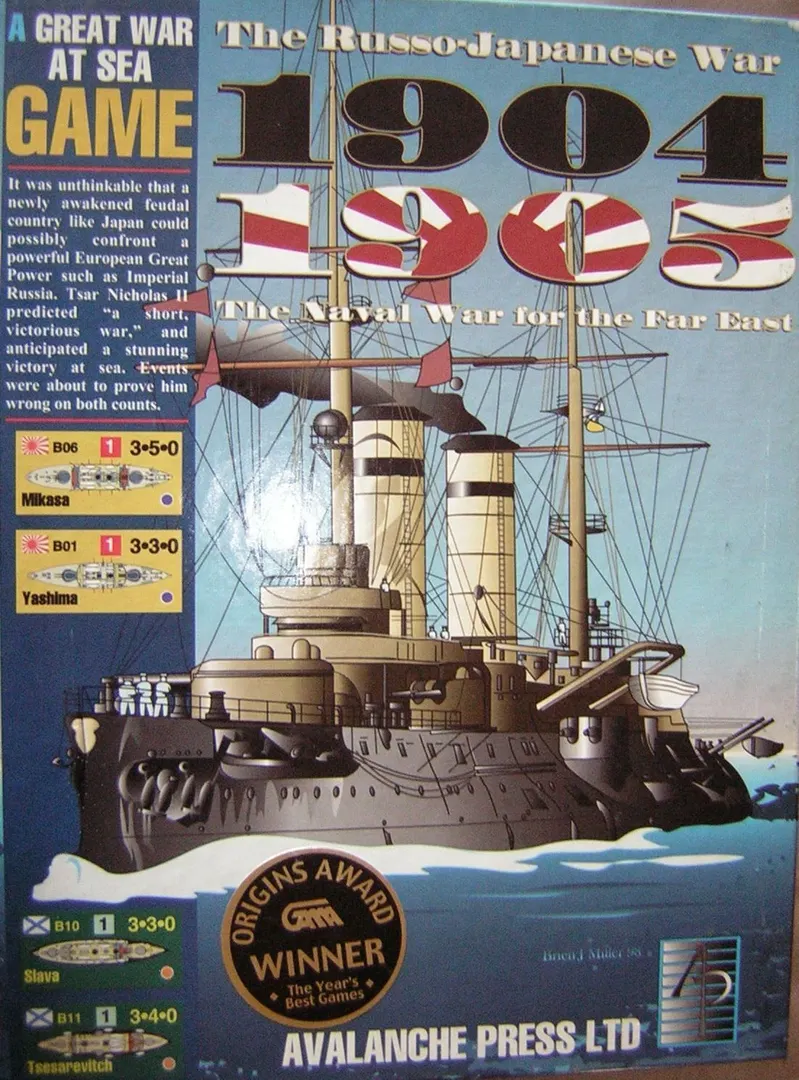





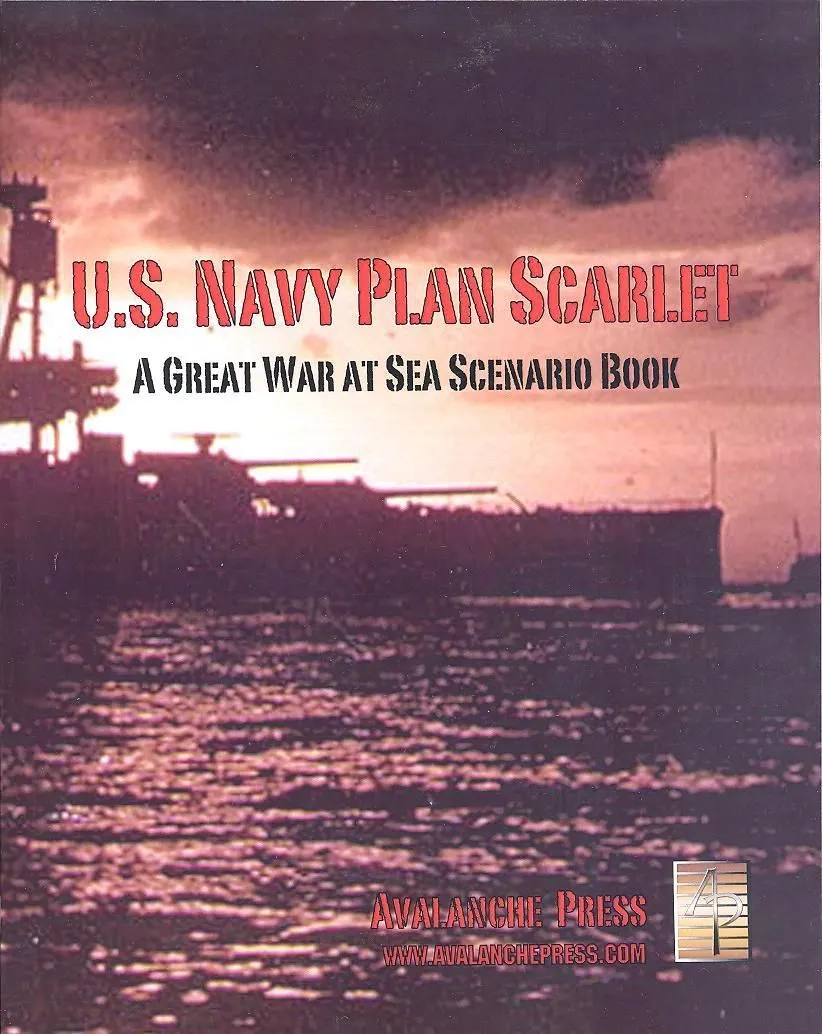
From the Avalanche Press website: During the late 1800s, two emerging industrial powers began to build large modern fleets: the United States and Germany. Perhaps inevitably, tensions rose between them. Each entered the imperialist race very late and had to content itself with the leftovers which the British and French had passed by. When the United States seized Spain’s colonial empire in 1898, German jealousy raged hotly. Some German business leaders lusted for the Philippines and Puerto Rico, urging the Kaiser to purchase them from the Spanish before the war ended, or from the Americans afterwards. German and American squadrons did not, as legend has it, almost come to blows in Manila Bay during the Spanish-American War — the British spread that story, eager to cultivate American public opinion. But the German and American admirals on the scene did cultivate an intense dislike for one another, and the feelings spread to the top on both sides. Black Waters is a 64-page book supplement for the Great War at Sea series based on American plans to fight Germany. Most of the scenarios take place in the Caribbean Sea, but some actions are also placed in European waters. There are 210 die-cut and mounted playing pieces, the same pieces that originally appeared in our now out-of-print U.S. Navy Plan Black. The Americans get ships ranging from three examples of the South Dakota class through the first American dreadnoughts, the South Carolina class, and the last of the American pre-dreadnoughts, the Connecticut class. There are also a pair of light carriers based on American plans to convert big armored cruisers. The Germans add three of the GK4531 battle cruiser design and three representatives of the GK4251 battleship. And of course Germany receives an aircraft carrier, the proposed conversion of the huge liner Imperator. Argentina and Brazil receive part of their fleets, and there are two hypothetical Mexican battleships and small contingents from the Netherlands, Venezuela and Colombia. There are over two dozen new scenarios, including the "War Plan Silver" subset based on Woodrow Wilson's very serious threat to go to war with Italy in May 1919, plus revised versions of most of those originally seen in Plan Black. This is not a stand-alone game; ownership of U.S. Navy Plan Gold is required to play most of the scenarios and Mediterranean, Jutland and U.S. Navy Plan Red to play all of them.
Great War at Sea: Black Waters supports 2 players according to the catalogue. This is the publisher’s listed player count, so the game is designed for exactly that number of participants. Variants for other group sizes, if any, are described in the rulebook of your edition, so check it before setting up a different configuration.
The listed playing time for Great War at Sea: Black Waters is 30 minutes. This is the publisher’s estimate for a full game. The actual duration depends on the group, the player count and familiarity with the rules: first sessions usually run longer, while experienced groups often finish faster. Setup and teaching time are not included in this estimate.
Great War at Sea: Black Waters has a complexity rating of 2.3 out of 5 from BoardGameGeek players, which makes it a medium-light game. The rating reflects how much rules knowledge, planning and decision-making a typical game demands. Expect a longer first teach for heavier games, and use a preparation guide before game night.
Great War at Sea: Black Waters belongs to these categories: Wargame, Nautical, and Expansion for Base-game. Its main mechanics are Dice Rolling and Hexagon Grid. Categories describe the theme and setting of a game, while mechanics describe what players actually do on their turns. Each mechanic links to a catalogue hub with similar games, which helps when you want something comparable.
The credited designers of Great War at Sea: Black Waters are: Michael Bennighof. These credits come from the published game data and name the people responsible for the game’s design, not its illustrators or publishers. Designer pages on MeepleRules collect other titles by the same designers, which helps when you enjoy a game and want to find similar ones.
The catalogue lists Great War at Sea: Black Waters as an expansion. Expansions add new content, rules or scenarios to an existing base game and usually cannot be played on their own. Check the box or publisher description for the exact base game required, and make sure your edition of that game is compatible with this expansion.