- BGG rating
- 8.0
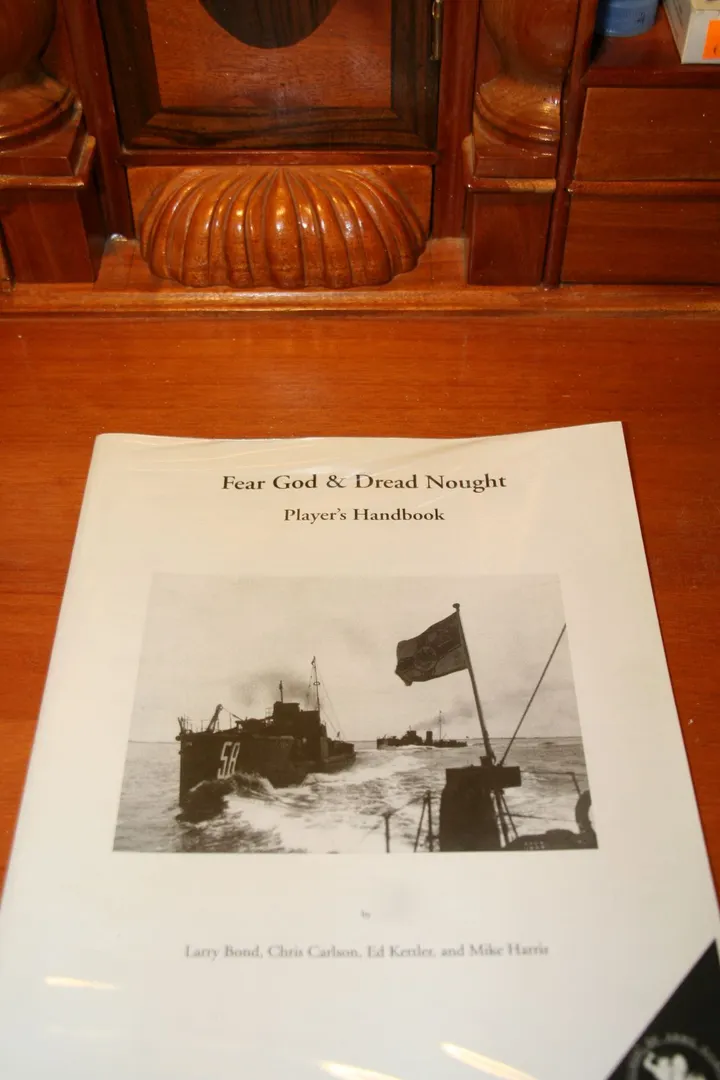
Fear God and Dread Nought Player's Handbook
- 2001
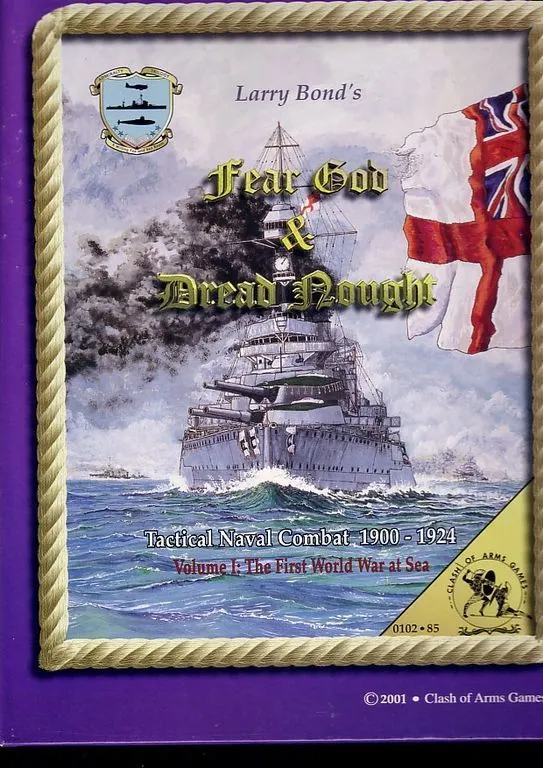
2001
Rules assistance for Fear God & Dread Nought
Plain-language explanations of turns, card effects and disputed situations, with official source references and saved question history.
For 2 players
What would you like to know?
Answers come from the official rulebook, with the page to check.
Fear God & Dread Nought is a board game released in 2001 for 2–3 players, 360 minutes per game, and ages 12 and up. It was designed by Ed Kettler, Chris Carlson, and Michael Harris and its main mechanics are Area Movement, Dice Rolling, and Point to Point Movement.
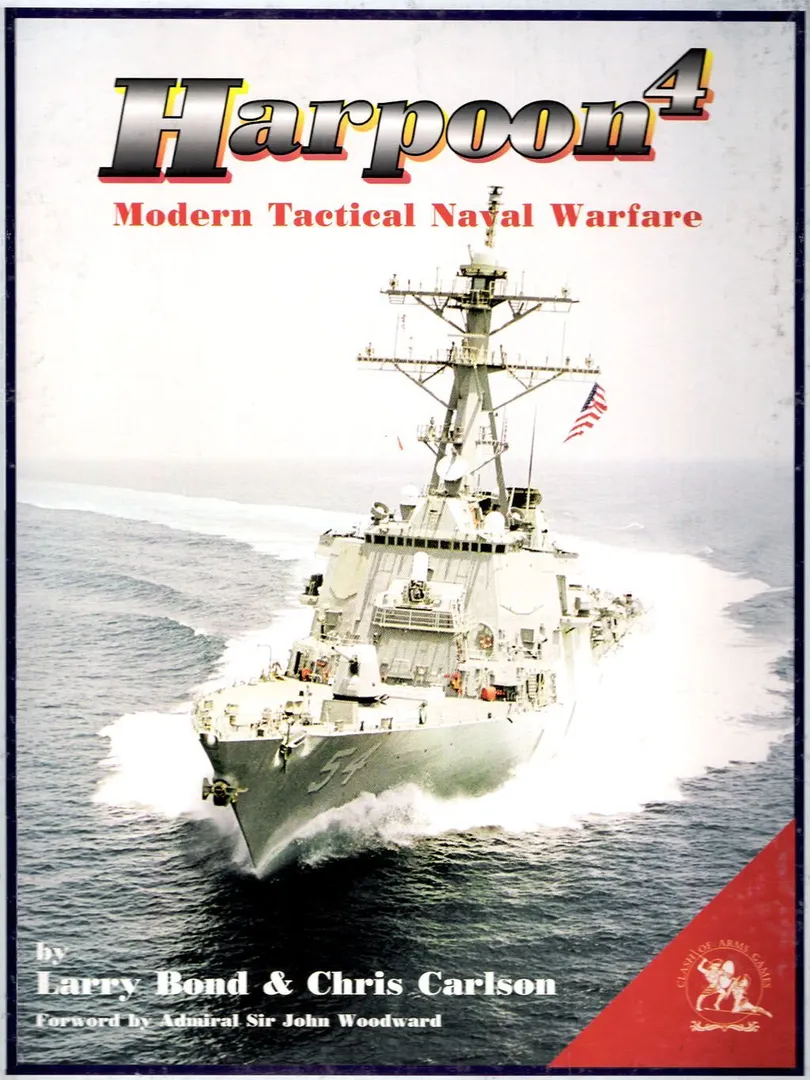



Fear God & Dread Nought completes the Admirality Trilogy (Harpoon 4, Game: Command at Sea, Fear God & Dread Nought) Utilizing the same framework, those familiar with either of the other games will have no difficulty stepping into the First World War. The selection of a small scenario allows the novice to play within an hour of opening the box, with several scenarios also being optimal for solitaire play. Rules come punched for a three ringed binder (not provided) for ease of use and photocopying. They follow the same format as our other rules used in the Trilogy, making them easy to follow for experienced gamers, and novices alike. Tactical turns represent 3 minutes, with intermediate turns (for long distance maneuvering and long stern chases) representing 30 minutes. Gun hit probability is based upon a combination of factors such as visibility, range, target size, number of rounds firing at the target, and speeds of the firing and target platforms. Damage is a function of the type of shell, number of barrels firing and armor of target, and is easy to calculate also. Blank ship forms allow the player to list all the ranges and damages of his ship's particular guns in advance, making it quick and easy to calculate both damage and hit probability. Critical damage is a function of the amount of damage taken last round vs. the amount of damage able to be taken. Critical hits typically scored against systems (engineering, bridge, steering or individual weapon amounts). The 40+ scenarios include the well known "biggies" such as Jutland (broken into three parts, as well as the grand battle) and Dogger Bank, and many smaller engagements. Often there are variants given, covering important "almosts" and "what ifs". All aspects are covered, with ships provided for the Japanese, Turkish, Austrian, and Russian navies as well as the British and German fleets. The Data Annex includes all ship classes for the war and is a valuable reference by itself. So with this product, one need only Fear God & Dread Nought!
Fear God & Dread Nought supports 2–3 players according to the catalogue. This range comes from the publisher’s listed player count, so the game can be set up for any group size within it. Some setups, rules and scoring details may still vary by player count, so check your edition’s rulebook for the exact configuration.
The listed playing time for Fear God & Dread Nought is 360 minutes. This is the publisher’s estimate for a full game. The actual duration depends on the group, the player count and familiarity with the rules: first sessions usually run longer, while experienced groups often finish faster. Setup and teaching time are not included in this estimate.
The catalogue lists Fear God & Dread Nought for ages 12 and up. This is the publisher’s recommendation and reflects reading demands, rule complexity and small components rather than theme alone. Younger players can often join with help from an adult, so check the age guidance on your edition and consider your group’s experience with board games.
Fear God & Dread Nought has a complexity rating of 4.3 out of 5 from BoardGameGeek players, which makes it a heavy game. The rating reflects how much rules knowledge, planning and decision-making a typical game demands. Expect a longer first teach for heavier games, and use a preparation guide before game night.
Fear God & Dread Nought belongs to these categories: Wargame, Miniatures, and Nautical. Its main mechanics are Area Movement, Dice Rolling, and Point to Point Movement. Categories describe the theme and setting of a game, while mechanics describe what players actually do on their turns. Each mechanic links to a catalogue hub with similar games, which helps when you want something comparable.
The credited designers of Fear God & Dread Nought are: Ed Kettler, Chris Carlson, and Michael Harris. These credits come from the published game data and name the people responsible for the game’s design, not its illustrators or publishers. Designer pages on MeepleRules collect other titles by the same designers, which helps when you enjoy a game and want to find similar ones.
The catalogue lists Fear God & Dread Nought as a base game. It can be played on its own with the components in the box and does not require any other title. Expansions, if any exist, add new content or rules on top of it and are listed separately in the catalogue with a link back to this base game.