
- BGG rank
- BGG #6,611
- BGG rating
- 7.5
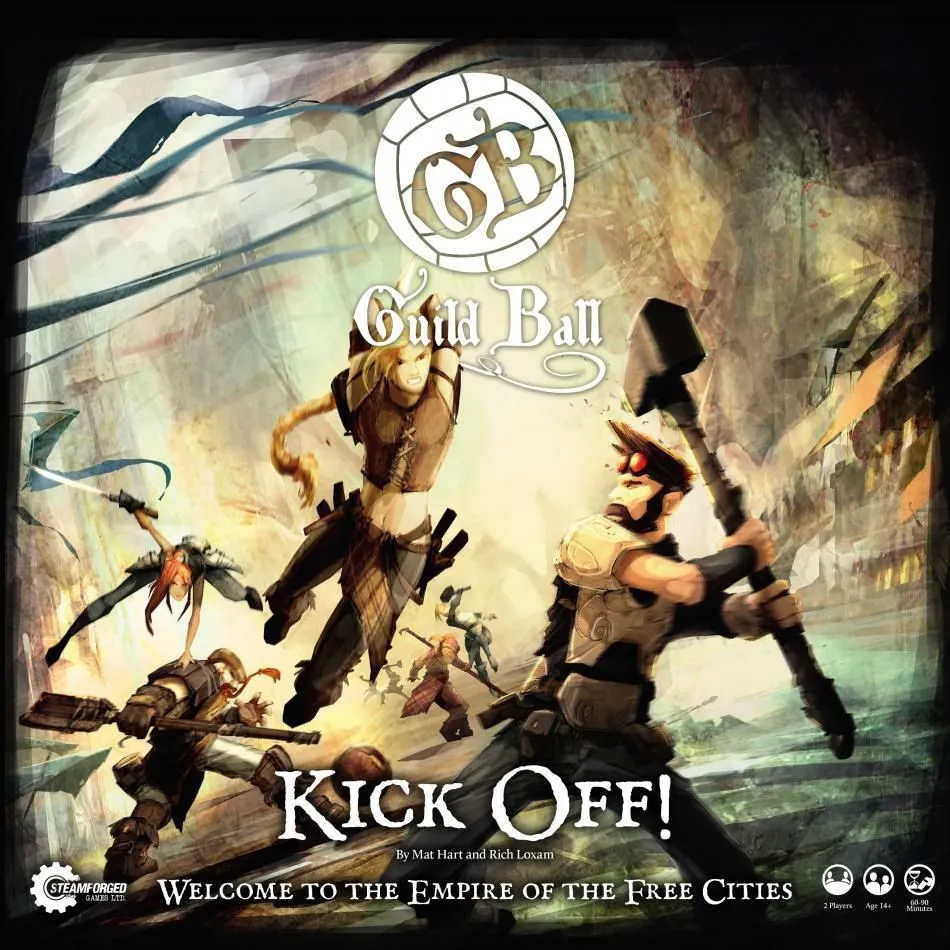
Guild Ball: Kick Off!
- 2 players
- 60 min
- Complexity 3.3/5
- 2016
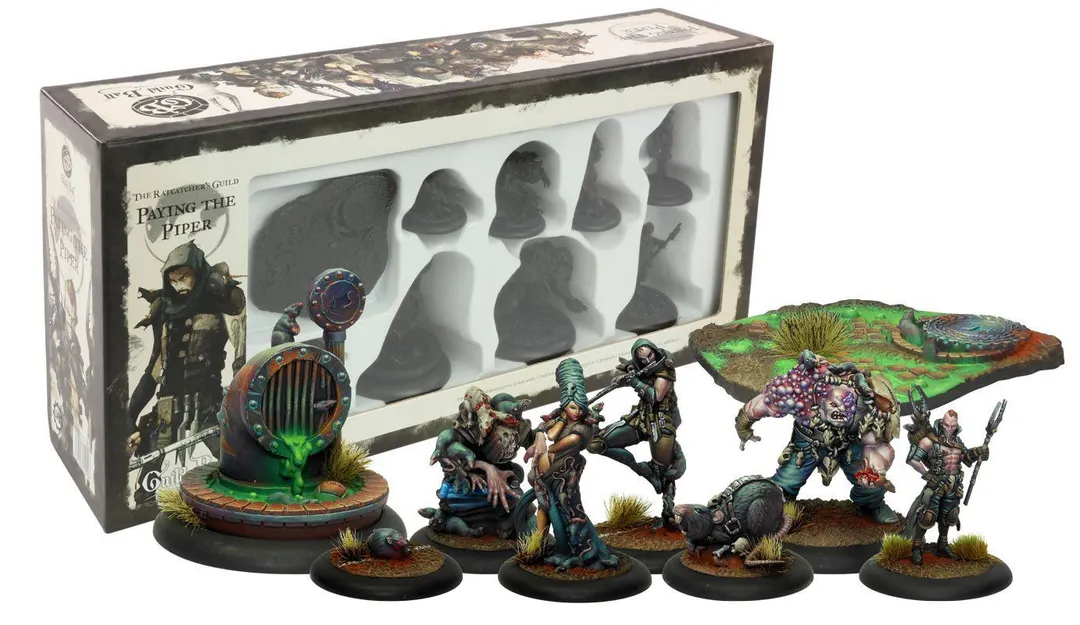
Rules assistance for Guild Ball: The Ratcatcher's Guild – Paying The Piper
Plain-language explanations of turns, card effects and disputed situations, with official source references and saved question history.
What would you like to know?
Answers come from the official rulebook, with the page to check.
Guild Ball: The Ratcatcher's Guild – Paying The Piper is an expansion for Guild Ball released in 2018 for 2 players, 60–120 minutes per game, and ages 12 and up. It was designed by Richard Loxam and Mat Hart and its main mechanics are Variable Player Powers, Dice Rolling, and Action Points.



Vermin, that’s all they are, more akin to their quarry than to men like you or me. Led by fear and guile, the Ratcatcher’s are vicious thugs trying to force others to dance to their tune. — Mallet, Mason’s Guild From the depths of the miserable forgotten undercities, the Ratcatcher’s swarm to the pitch eager to bring rot and ruin to any who get in their way. The despot captain Piper is the worst of the lot; unleashing haunting melodies that permeate through the pitch - compelling not only his own team into the fray, but luring the enemy to dance to his jig. Offering an exciting new method of board control, coaches of the Ratcatcher’s will spread disease and poison throughout the opposition. Sapping their strength and will to resist, the influence of the Piper spreads across the pitch like a plague until eventually everyone’s dancing to the master’s tune. The Ratcatcher’s are a formidable threat on any pitch they scurry onto, perfect for the coach who enjoys toying with their opponents before springing the final trap. Neglected and shunned no longer, the time has come to pay the Piper - this set includes a ball, 6 player cards, bases, 3D terrain piece, goalpost and 6 players: Piper, Squeak, Miasma, Pelage, Skulk, Scourge. -- Description from publisher
Guild Ball: The Ratcatcher's Guild – Paying The Piper supports 2 players according to the catalogue. This is the publisher’s listed player count, so the game is designed for exactly that number of participants. Variants for other group sizes, if any, are described in the rulebook of your edition, so check it before setting up a different configuration.
The listed playing time for Guild Ball: The Ratcatcher's Guild – Paying The Piper is 60–120 minutes. This is the publisher’s estimate for a full game. The actual duration depends on the group, the player count and familiarity with the rules: first sessions usually run longer, while experienced groups often finish faster. Setup and teaching time are not included in this estimate.
The catalogue lists Guild Ball: The Ratcatcher's Guild – Paying The Piper for ages 12 and up. This is the publisher’s recommendation and reflects reading demands, rule complexity and small components rather than theme alone. Younger players can often join with help from an adult, so check the age guidance on your edition and consider your group’s experience with board games.
Guild Ball: The Ratcatcher's Guild – Paying The Piper belongs to these categories: Wargame, Miniatures, and Medieval. Its main mechanics are Variable Player Powers, Dice Rolling, and Action Points. Categories describe the theme and setting of a game, while mechanics describe what players actually do on their turns. Each mechanic links to a catalogue hub with similar games, which helps when you want something comparable.
The credited designers of Guild Ball: The Ratcatcher's Guild – Paying The Piper are: Richard Loxam and Mat Hart. These credits come from the published game data and name the people responsible for the game’s design, not its illustrators or publishers. Designer pages on MeepleRules collect other titles by the same designers, which helps when you enjoy a game and want to find similar ones.
The catalogue lists Guild Ball: The Ratcatcher's Guild – Paying The Piper as an expansion for Guild Ball. Expansions add new content, rules or scenarios to the base game and usually cannot be played on their own, so you need Guild Ball to use it. Check that your edition of Guild Ball is compatible, as some expansions were revised between editions.