

- BGG rank
- BGG #5,007
- BGG rating
- 7.4
Hearts and Minds: Vietnam 1965-1975
- 2 players
- 60–600 min
- Complexity 2.8/5
- 2010

2019
Rules assistance for Hearts and Minds: Vietnam 1965-1975 (Third Edition)
Plain-language explanations of turns, card effects and disputed situations, with official source references and saved question history.
For 1 player
What would you like to know?
Answers come from the official rulebook, with the page to check.
Hearts and Minds: Vietnam 1965-1975 (Third Edition) is a board game released in 2019 for 1–2 players, 45–360 minutes per game, and ages 15 and up. It was designed by John Poniske and its main mechanics are Area Movement, Dice Rolling, and Simulation.



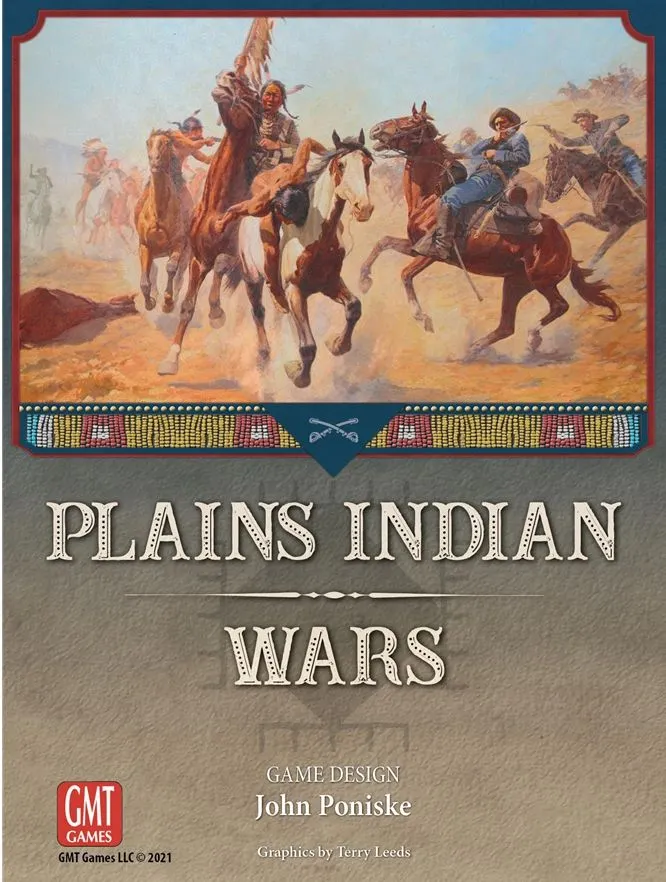




"Hearts and Minds: Vietnam 1965-1975 (Third Edition)" is an uncomplicated approach to a very complicated conflict. Eight scenarios introduce players to U.S. involvement in Southeast Asia including a scenario after the US withdrew from Vietnam, a full campaign scenario as well as high solitaire capability. Players appreciate the ability to start in any year of the war they wish and fight to the end of any other year of the war. The game provides a comprehensive historical approach using mechanics that include guerrilla warfare, faction differentiation, political turmoil, and veteran advantages. This design has already been used as a successful teaching tool. This is a card-driven, area-based design with low counter density and a much simplified combat system. Each scenario represents a year and players have the flexibility of starting in any year of the war and ending in any later year of the war. Players choose either the Allies (US, ARVN, Cambodian and Laotian) or Communist (NVA, VC, Cambodian and Laotian) Players engage in guerrilla warfare – VC units remain hidden until engaged. VC units may be simple units or reinforced units or simply false information. When determined to be false information, players roll on the Bush Events Table which involve events from discovering Chinese troops to the arrival of USO shows featuring John Wayne and Bob Hope. This edition involves the use of three card decks, A red deck (communist), a blue deck (Allied) and a black deck (interchangeable). Prior to every game, half of the black deck is shuffled into each of the red and blue decks ensuring a different game every time. Cards indicate the amount of RPs (Resource Points) that may be spent or banked, a historic situation, and its game effects. Certain cards are year specific. Within each Red and Blue Deck are a number of Campaign cards that may be chosen by each player allowing increased abilities but only in a predetermined area. The game does not ignore political ramifications. Card events cover mass protests in the U.S. and more significantly the instability of the South Vietnamese government. The Allied player controls more firepower but must walk a tightrope between U.S. and ARVN (South Vietnamese) casualties. Too many U.S. casualties leads to a rapid rise in Communist morale. Too many ARVN casualties will result in a coup which has major strategic advantages for the Communist Player. While in Cambodia and Laos, the destruction of all government forces means the fall of those governments. Throughout the game both sides jockey for the “Hearts and Minds” in each province. Political Control determines the availability and expansion of VC influence. Hearts and Minds, Third Edition offers players an easier to follow rulebook with simpler victory conditions. Also included: tested solitaire rules and a separate solitaire player aide; a premium mounted map that includes all of the charts necessary to play the game; full-sized poker quality card deck; standard playing dice and a new artistic approach to factional units. Product Information Complexity: Low to Medium (4 out of 10) Solitaire suitability: Medium to high (7 out of 10) Time Scale: Each scenario represents one year. The campaign game covers 8-10 years. Map Scale: The Map is divided into provincial areas, indicating major cities and US major bases Unit Scale: Units are abstract and represent US, ARVN, NVA, VC, Cambodian and Laotian Players: Two Player game (Solitaire friendly) Playing Time: 45 minutes or less per scenario Designer: John Poniske Original Developer: Stan Hilinski Solitaire Developer: David Wessman Components: 24 page rule/scenario book Solitaire Player Aid Three Counter sheets (3/4” Counters) 22” x 33” Mounted Map 80 Standard Playing Cards (27 Red/27 Blue/ 28 black) Two 6-sided dice (1 Red/1Blue) One box and lid set -from the publisher's website
Hearts and Minds: Vietnam 1965-1975 (Third Edition) supports 1–2 players according to the catalogue. This range comes from the publisher’s listed player count, so the game can be set up for any group size within it. Some setups, rules and scoring details may still vary by player count, so check your edition’s rulebook for the exact configuration.
The listed playing time for Hearts and Minds: Vietnam 1965-1975 (Third Edition) is 45–360 minutes. This is the publisher’s estimate for a full game. The actual duration depends on the group, the player count and familiarity with the rules: first sessions usually run longer, while experienced groups often finish faster. Setup and teaching time are not included in this estimate.
The catalogue lists Hearts and Minds: Vietnam 1965-1975 (Third Edition) for ages 15 and up. This is the publisher’s recommendation and reflects reading demands, rule complexity and small components rather than theme alone. Younger players can often join with help from an adult, so check the age guidance on your edition and consider your group’s experience with board games.
Hearts and Minds: Vietnam 1965-1975 (Third Edition) has a complexity rating of 3.0 out of 5 from BoardGameGeek players, which makes it a medium-light game. The rating reflects how much rules knowledge, planning and decision-making a typical game demands. Expect a longer first teach for heavier games, and use a preparation guide before game night.
Hearts and Minds: Vietnam 1965-1975 (Third Edition) belongs to these categories: Wargame, Political, and Modern Warfare. Its main mechanics are Area Movement, Dice Rolling, and Simulation. Categories describe the theme and setting of a game, while mechanics describe what players actually do on their turns. Each mechanic links to a catalogue hub with similar games, which helps when you want something comparable.
The credited designers of Hearts and Minds: Vietnam 1965-1975 (Third Edition) are: John Poniske. These credits come from the published game data and name the people responsible for the game’s design, not its illustrators or publishers. Designer pages on MeepleRules collect other titles by the same designers, which helps when you enjoy a game and want to find similar ones.
The catalogue lists Hearts and Minds: Vietnam 1965-1975 (Third Edition) as a base game. It can be played on its own with the components in the box and does not require any other title. Expansions, if any exist, add new content or rules on top of it and are listed separately in the catalogue with a link back to this base game.