
- BGG rank
- BGG #2,692
- BGG rating
- 8.0
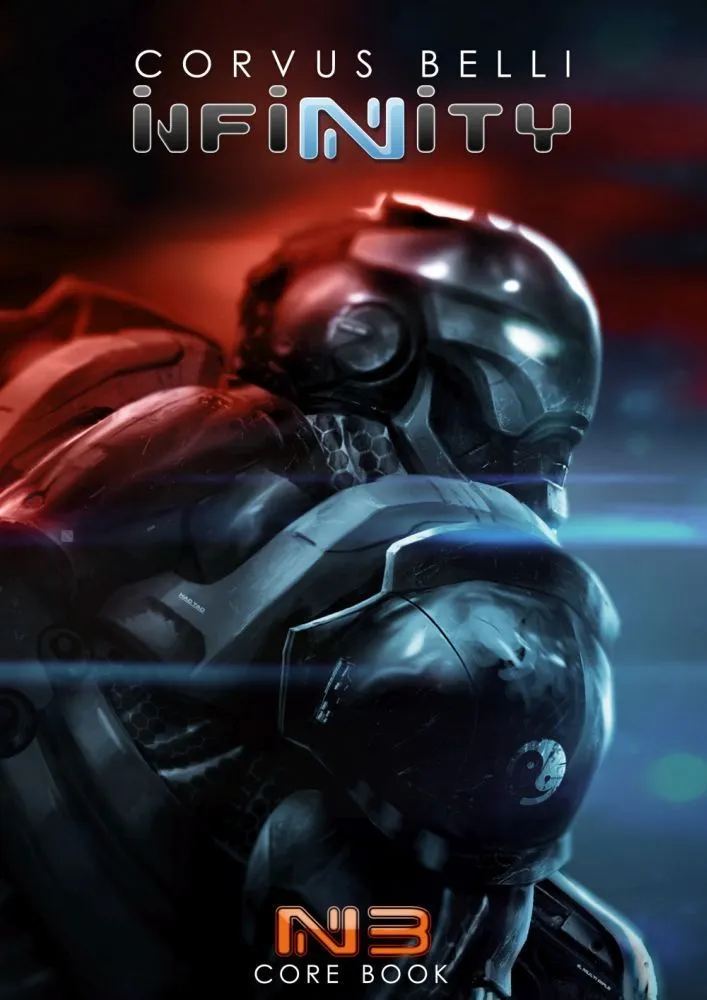
Infinity N3: Core Book
- 2 players
- 90–120 min
- Complexity 3.9/5
- 2005
Rules assistance for Infinity: Raveneye
Plain-language explanations of turns, card effects and disputed situations, with official source references and saved question history.
What would you like to know?
Answers come from the official rulebook, with the page to check.
Infinity: Raveneye is an expansion for Infinity N4: Core Rules released in 2022 for 2 players, 90–180 minutes per game, and ages 12 and up. It was designed by Alberto Abal, Gutier Lusquiños Rodríguez, Carlos Torres, and Fernando Liste and its main mechanics are Dice Rolling, Secret Unit Deployment, and Three Dimensional Movement.


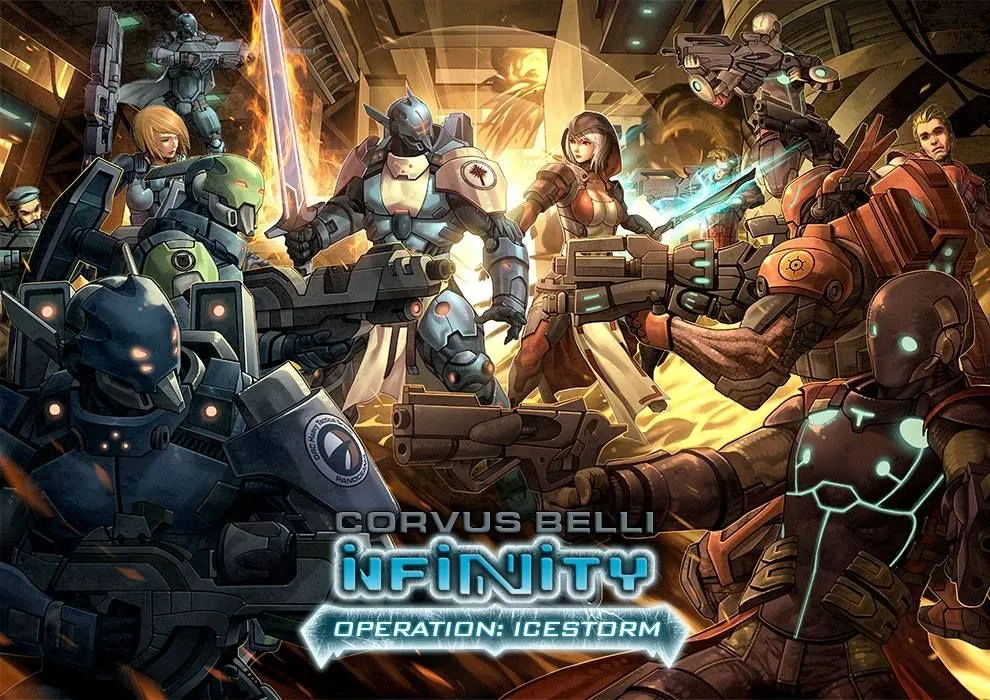


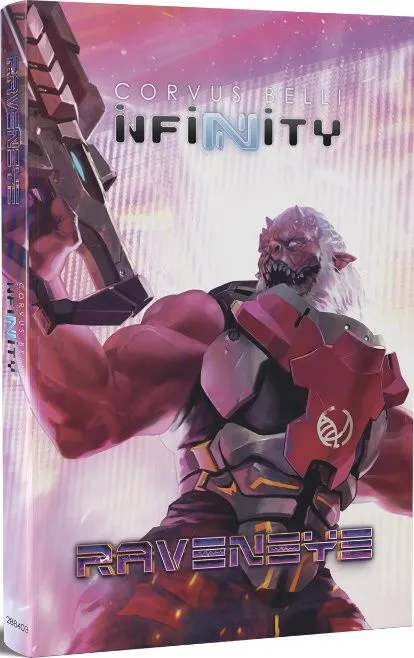
The assault on the Raveneye Orbital Complex, a defensive military compound disguised as a communications relay station, has been the key to opening the way for the Morat Aggression Forces’ deployment in the Durgama region, and has furthered the Combined Army’s conquests on Concilium Prima, the political heart of the Human Sphere. What could possibly be so important to the almighty leader of the Combined Army? Or could it be just another smokescreen to divert the attention of the Concilium Coordinated Command? The book “Infinity: Raveneye” is an expansion for Infinity that broadens its universe and background, focusing on the Military Orders of PanOceania, Ariadna’s Kosmoflot and its new territory of Khurland, the Nomad mothership Corregidor, and the Morat Aggression Forces of the Combined Army, as well as mercenaries for NA2. It also includes three narrative scenarios that recreate the assault on this orbital station, which can be played as a campaign or independently, in addition to painting tutorials for the Military Orders’ Crosiers, Corregidor’s Intruders, Kosmoflot’s Para-Commandos, and Morat’s Vanguard Infantry. Connect now and lead your elite force into the most dangerous war zones of the Human Sphere!
Infinity: Raveneye supports 2 players according to the catalogue. This is the publisher’s listed player count, so the game is designed for exactly that number of participants. Variants for other group sizes, if any, are described in the rulebook of your edition, so check it before setting up a different configuration.
The listed playing time for Infinity: Raveneye is 90–180 minutes. This is the publisher’s estimate for a full game. The actual duration depends on the group, the player count and familiarity with the rules: first sessions usually run longer, while experienced groups often finish faster. Setup and teaching time are not included in this estimate.
The catalogue lists Infinity: Raveneye for ages 12 and up. This is the publisher’s recommendation and reflects reading demands, rule complexity and small components rather than theme alone. Younger players can often join with help from an adult, so check the age guidance on your edition and consider your group’s experience with board games.
Infinity: Raveneye belongs to these categories: Wargame, Miniatures, and Science Fiction. Its main mechanics are Dice Rolling, Secret Unit Deployment, and Three Dimensional Movement. Categories describe the theme and setting of a game, while mechanics describe what players actually do on their turns. Each mechanic links to a catalogue hub with similar games, which helps when you want something comparable.
The credited designers of Infinity: Raveneye are: Alberto Abal, Gutier Lusquiños Rodríguez, Carlos Torres, and Fernando Liste. These credits come from the published game data and name the people responsible for the game’s design, not its illustrators or publishers. Designer pages on MeepleRules collect other titles by the same designers, which helps when you enjoy a game and want to find similar ones.
The catalogue lists Infinity: Raveneye as an expansion for Infinity N4: Core Rules. Expansions add new content, rules or scenarios to the base game and usually cannot be played on their own, so you need Infinity N4: Core Rules to use it. Check that your edition of Infinity N4: Core Rules is compatible, as some expansions were revised between editions.