
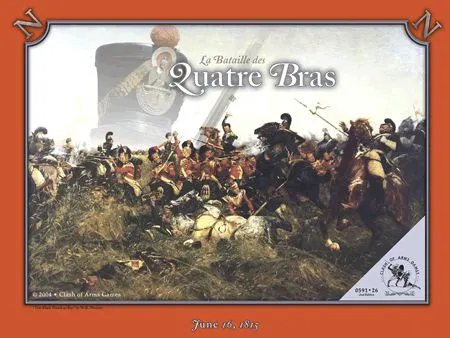
- BGG rank
- BGG #5,129
- BGG rating
- 8.0
La Bataille des Quatre Bras
- 1–2 players
- 360–480 min
- Complexity 4.1/5
- 1991

1996
Rules assistance for JENA!
Plain-language explanations of turns, card effects and disputed situations, with official source references and saved question history.
For 2 players
What would you like to know?
Answers come from the official rulebook, with the page to check.
JENA! is a board game released in 1996 for 2–3 players, 300 minutes per game, and ages 12 and up. It was designed by Ed Wimble and its main mechanics are Dice Rolling, Hexagon Grid, and Simulation.
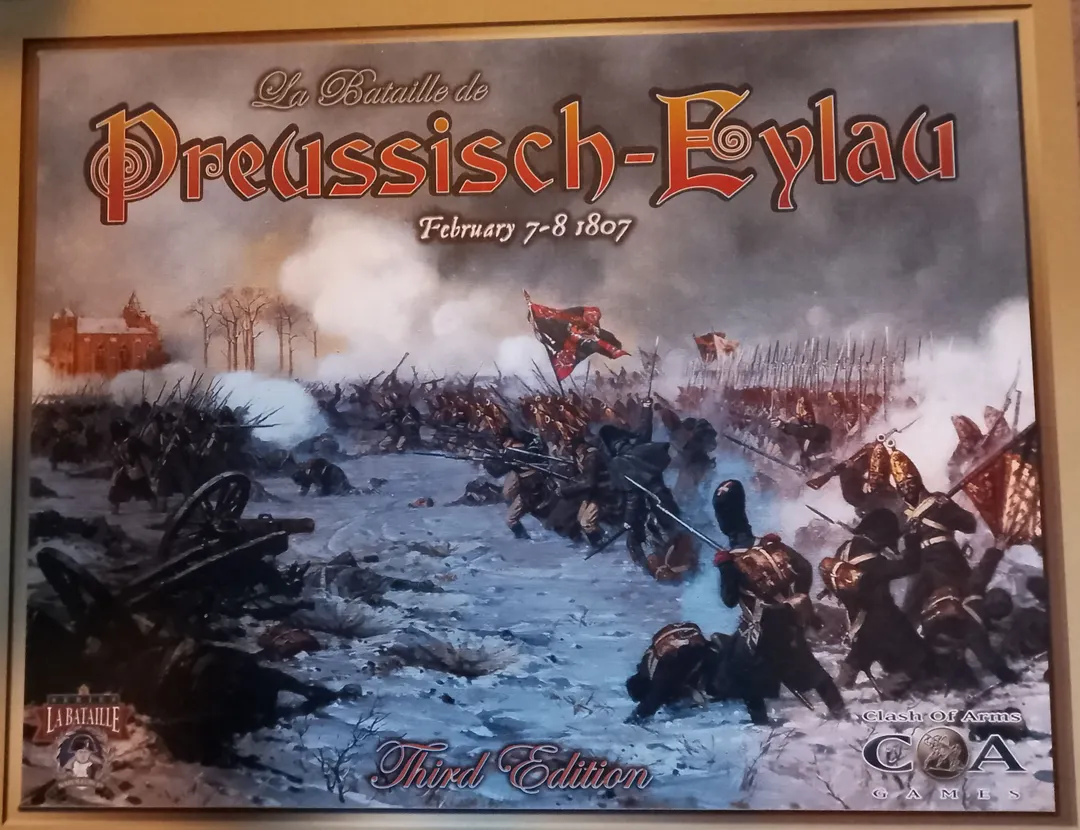
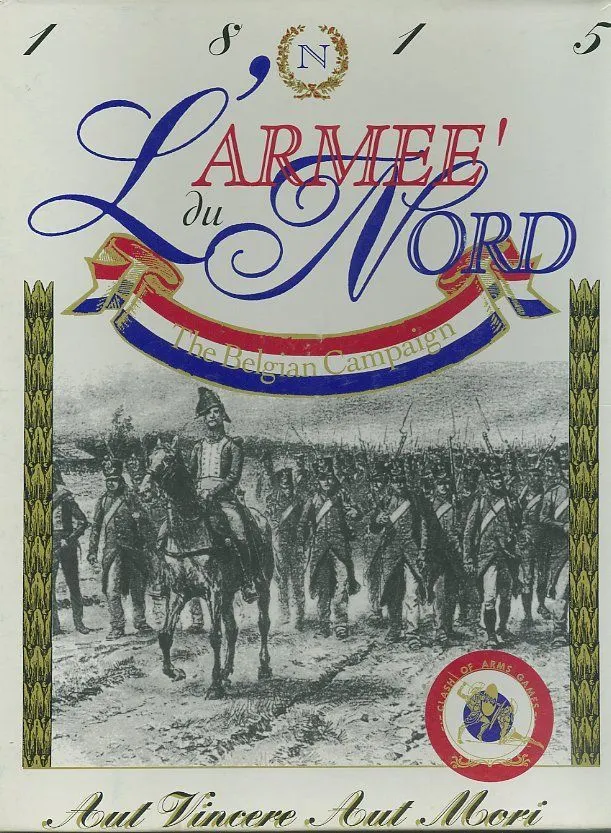
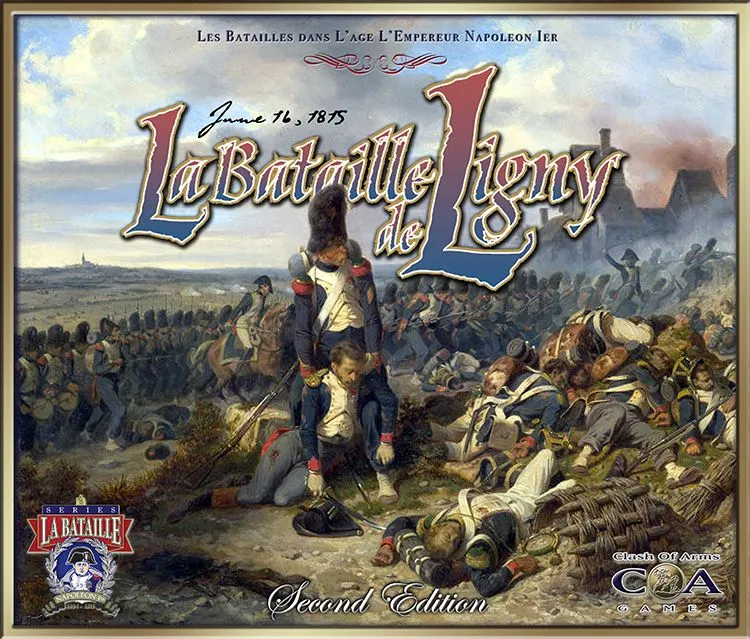
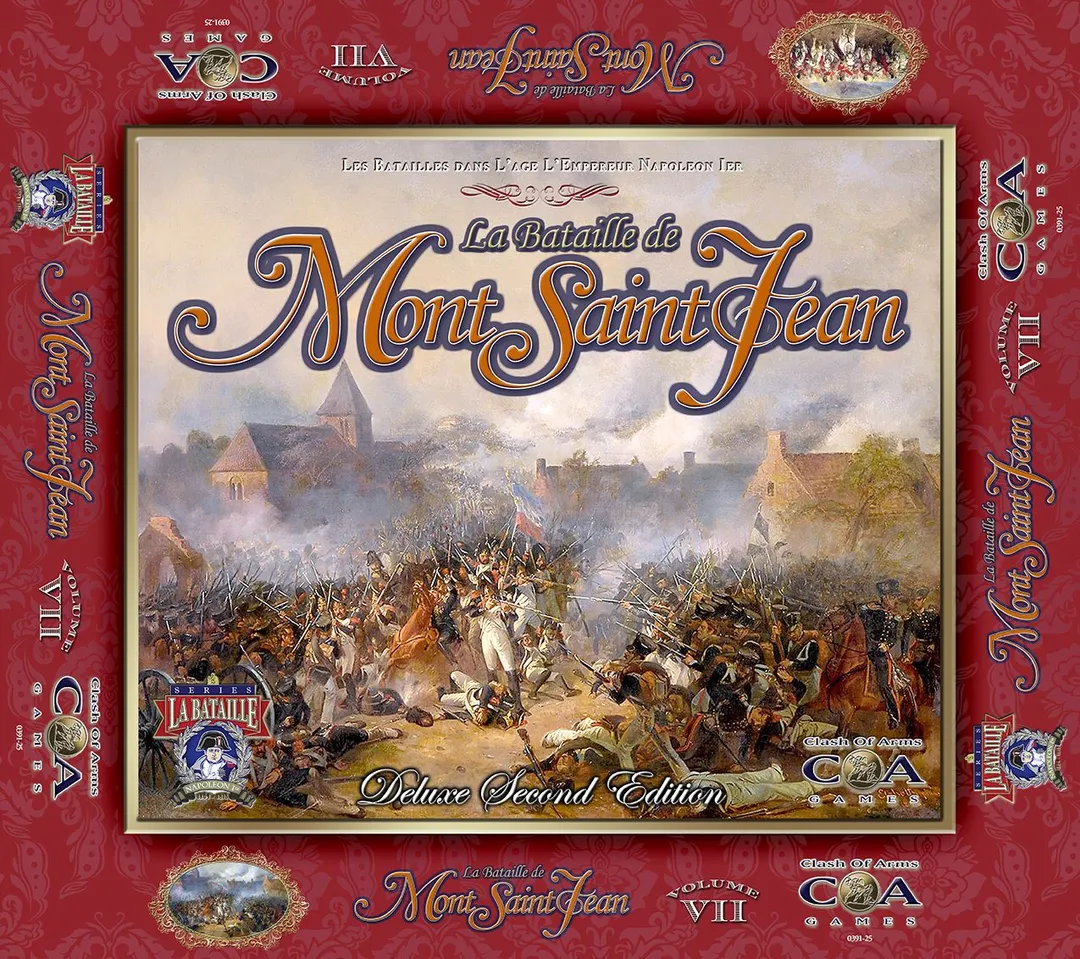
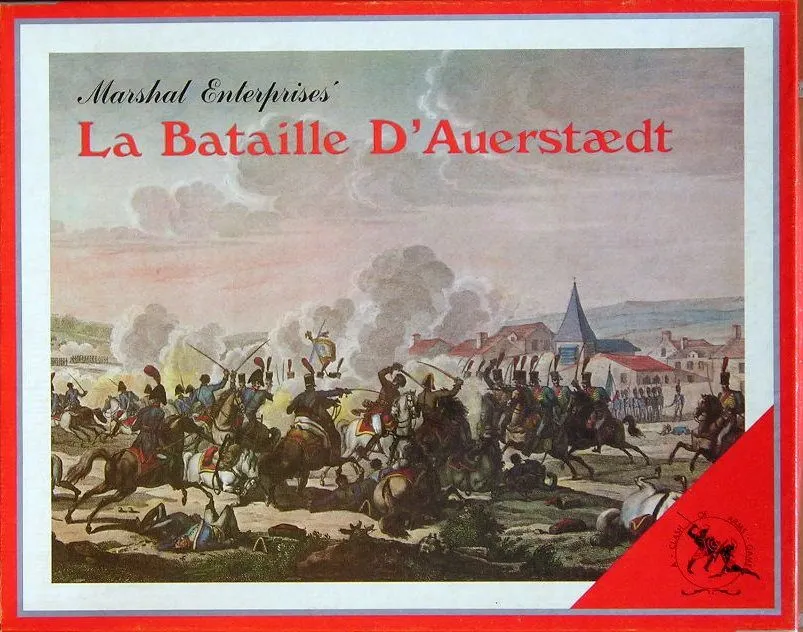
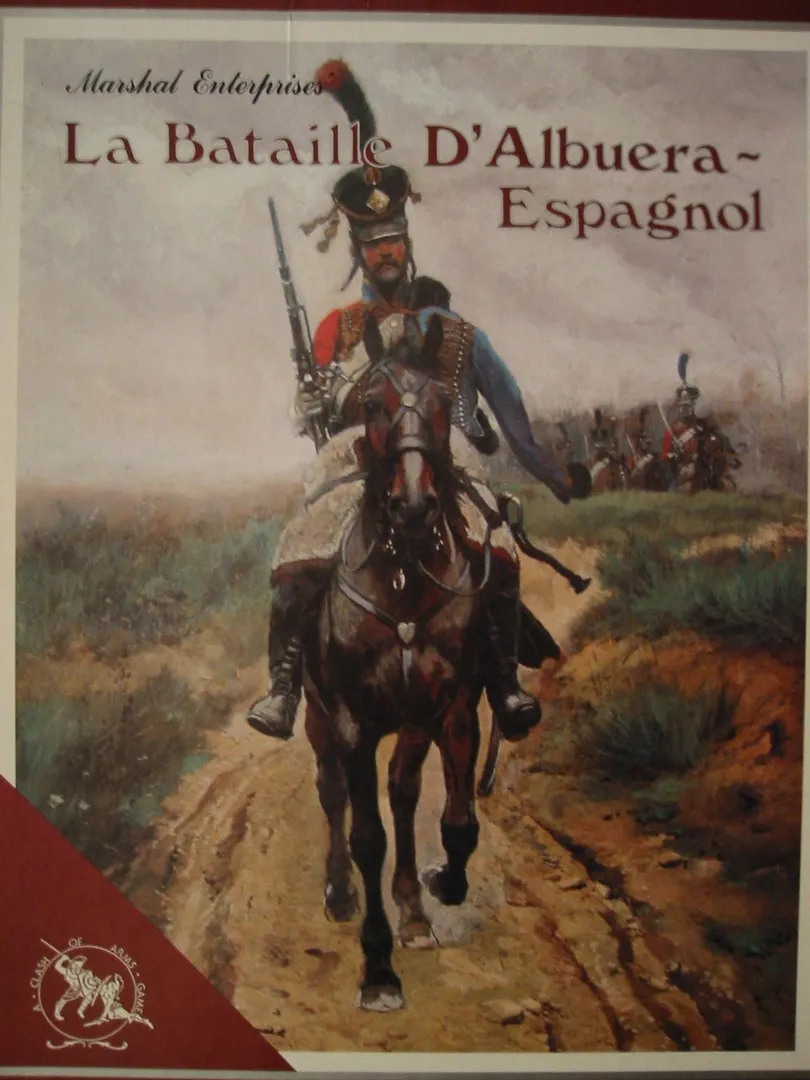
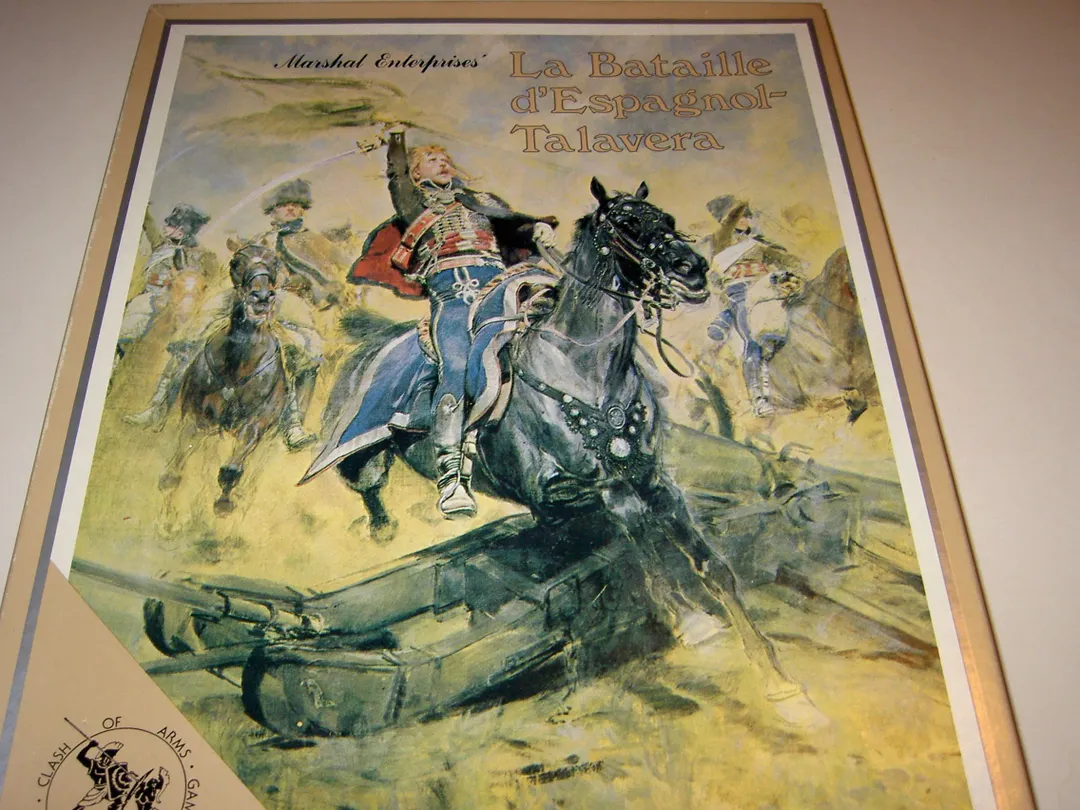
Discern the Secrets of Napoleon's Greatest Maneuvers. "My God! Can these Frenchmen fly as well as fight?" Jena! The name we give to one of the truly decisive campaigns in history; whereby the sons of the French Revolution under the command of emperor Napoleon Ier, meet and utterly destroy the heirs of Frederick the Great. Five scenarios span the opening engagement at Saalfeld through the French victories of Jena and Auerstædt. The Campaign Game opens with the French exiting the mountains of Franconia and Thuringia in a drive on Leipzig, hoping to knock the Saxons out of the opposing alliance. Their cavalry probes ahead. They have no idea where the Prussians are, or their Russian allies. At the same moment Brunswick directs three Prussian armies to drive across the supposed French line of communications. As flank guards skirmish, the veil is lifted. Both sides find their armies abreast one another heading in the opposite directions! It is a race to see which army can adapt to the new circumstance quickest. Napoleon has the edge, and it is what separates warfare of the 18th and 19th centuries from one another ... La Batallion Carre! With Jena, like its predecessor L'Armeé du Nord: the Belgian Campaign 1815, players can come to full grip with the game in less than 12 pages of rules. The playing surface varies by scenario and can be one, two or three 34" x 22" maps in size. Jena also includes 1 and 1/2 sheets of the most elegant, state-of-the-art playing pieces today.
JENA! supports 2–3 players according to the catalogue. This range comes from the publisher’s listed player count, so the game can be set up for any group size within it. Some setups, rules and scoring details may still vary by player count, so check your edition’s rulebook for the exact configuration.
The listed playing time for JENA! is 300 minutes. This is the publisher’s estimate for a full game. The actual duration depends on the group, the player count and familiarity with the rules: first sessions usually run longer, while experienced groups often finish faster. Setup and teaching time are not included in this estimate.
The catalogue lists JENA! for ages 12 and up. This is the publisher’s recommendation and reflects reading demands, rule complexity and small components rather than theme alone. Younger players can often join with help from an adult, so check the age guidance on your edition and consider your group’s experience with board games.
JENA! has a complexity rating of 2.9 out of 5 from BoardGameGeek players, which makes it a medium-light game. The rating reflects how much rules knowledge, planning and decision-making a typical game demands. Expect a longer first teach for heavier games, and use a preparation guide before game night.
JENA! belongs to these categories: Wargame and Napoleonic. Its main mechanics are Dice Rolling, Hexagon Grid, and Simulation. Categories describe the theme and setting of a game, while mechanics describe what players actually do on their turns. Each mechanic links to a catalogue hub with similar games, which helps when you want something comparable.
The credited designers of JENA! are: Ed Wimble. These credits come from the published game data and name the people responsible for the game’s design, not its illustrators or publishers. Designer pages on MeepleRules collect other titles by the same designers, which helps when you enjoy a game and want to find similar ones.
The catalogue lists JENA! as a base game. It can be played on its own with the components in the box and does not require any other title. Expansions, if any exist, add new content or rules on top of it and are listed separately in the catalogue with a link back to this base game.