
- BGG rating
- 5.0
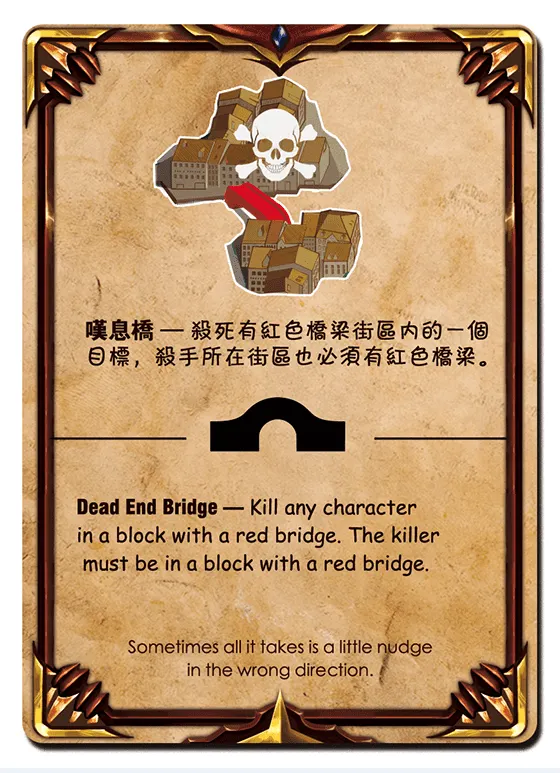
Killing Code: Venice Vendetta – Dead End Bridge
- 3–6 players
- 45–75 min
- 2017
2017
Rules assistance for Killing Code: Venice Vendetta
Plain-language explanations of turns, card effects and disputed situations, with official source references and saved question history.
What would you like to know?
Answers come from the official rulebook, with the page to check.
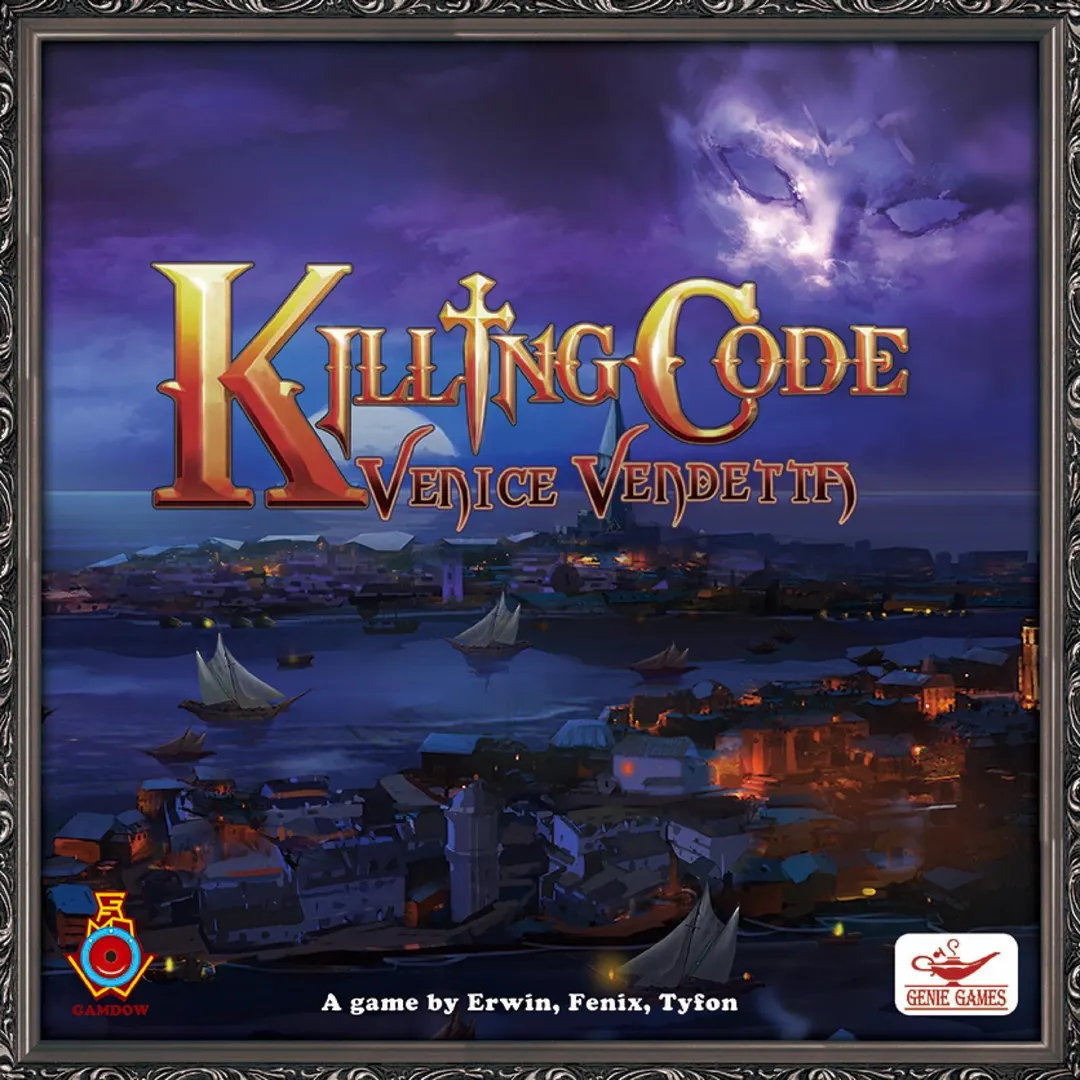
Killing Code: Venice Vendetta is a board game released in 2017 for 2–6 players, 45–75 minutes per game, and ages 10 and up. It was designed by Erwin, Fenix, and Tyfon and its main mechanics are Variable Player Powers, Area Movement, and Area Majority / Influence.
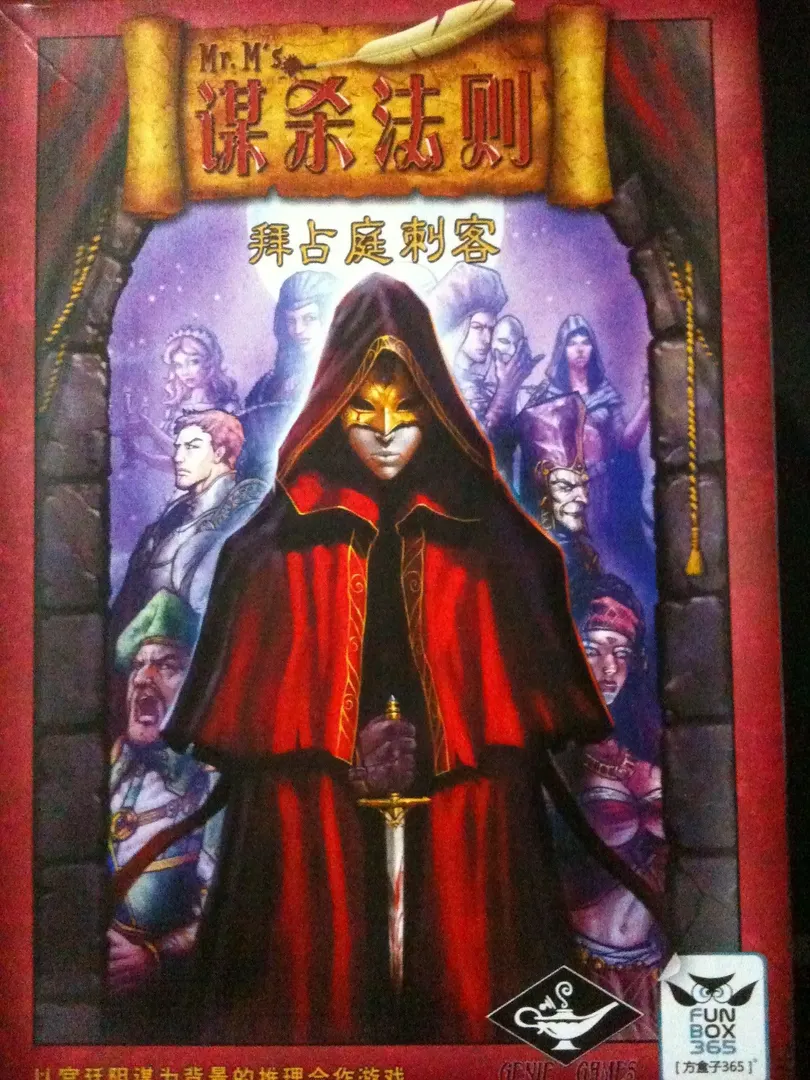






Killing Code: Venice Vendetta is a cooperative reasoning game in which the players must work together to discover the identity of a killer in the city before it is too late. One player acts as the killer, secretly assuming the identity of one of the citizens of Venice and looking for opportunities to kill some of the others. The other players act together to unmask the killer's identity. Within the round limit, the killer must keep their identity hidden and complete their killings, while the other players must investigate the murder methods to discover clues leading to the killer's unmasking and stop these atrocities. Aside from the standard game mode, the game includes five scenarios that can provide players with more rules and story experiences. Game Playing: Stage 1: Flip Over Cards: At the start of this stage, the killer takes all the character cards still in play, shuffles them face down and places the pile in front of him.(In the first round of a normal game, this will be all 13 character cards, reduced each round when the killer takes victims). Deal a number of character cards according to the number of players, then flip those cards face-up and place them in area easily reached by all players. These will be the character cards availible for use this round. Stage 2: The Investigators Act Starting with the investigator to the left of the killer, that player chooses one of the availible character cards for this round and places it face-up in front of him or herself. Once a character card has been placed in front of a player no other investigator may choose that card. After placing the card infront of him or herself, the investigator can move that character according to the movement value on the card and one active ability on the card. After the investigator finishes moving his or her chosen character and taking any actions, the next investigator clockwise repeats this process until all investigators have taken a character card. Stage 3: The Killer Acts The killer's stage consists of 2 parts: movement and murder. -Movement- The killer can choose from 2 options for movement: Use the remaining 2 character cards unchosen by the non-killer players. The killer chooses what order to use these cards in. Use 1 card in front of a non-killer player. After the killer has taken his or her movement action(s), he or she is ready to take a life. -Murder- The killer selects a killing code card from his or her hand, using its ability to end the lives of one or more characters based on the qualifications of the killing code card text. Each round the killer can only make use of 1 killing code card. Please refer to the killing code card section of this rulebook for further clarification. The killer dons the mask, dramatically announces who will die, then lays that character's marker down in the block they were just alive in. Search the character cards for the character killed and place that card face up on the grave marker from this round, then the killer places the killing code card that he or she used face down on top of that character card. If multiple characters were killed at once, place them all on the same grave before placing the killing code card over them. Accusation Round After the killer has successfully killed 5 or more characters or has used 5 killing code cards, the game immediately enters a special final round called the accusation round. The final round is an additional round which only has the first 2 stages, the killer will not take any action in this round, instead he or she should don the mask, steeple his or her hands and watch the proceedings dramatically. When the investigators are finished moving in this round, they must immediately make an accusation. The investigators may only accuse one suspect. Various methods of reaching an agreement on this accusation include: Discussion Voting Arm Wrestling Drinking Contest Giving in to the Most Persuasive Who-Donnit Speech Being Generally Louder than the Other Investigators Agree with the Person you Secretly Find Attractive Bribing, Coercing, or Torturing the Killer Or any additional methods which the design company assumes no responsibility for the consequences of. Or whatever, you know, it doesn't matter, just guess. Faced with this accusation, the killer must flip up his or her suspect card with a flourish. Victory or Defeat Complete the Accusation So close, yet so far very very wrong... No matter when it is made, if the accusation was correct, the investigators win. If the accusation was wrong, the killer wins.
Killing Code: Venice Vendetta supports 2–6 players according to the catalogue. This range comes from the publisher’s listed player count, so the game can be set up for any group size within it. Some setups, rules and scoring details may still vary by player count, so check your edition’s rulebook for the exact configuration.
The listed playing time for Killing Code: Venice Vendetta is 45–75 minutes. This is the publisher’s estimate for a full game. The actual duration depends on the group, the player count and familiarity with the rules: first sessions usually run longer, while experienced groups often finish faster. Setup and teaching time are not included in this estimate.
The catalogue lists Killing Code: Venice Vendetta for ages 10 and up. This is the publisher’s recommendation and reflects reading demands, rule complexity and small components rather than theme alone. Younger players can often join with help from an adult, so check the age guidance on your edition and consider your group’s experience with board games.
Killing Code: Venice Vendetta has a complexity rating of 2.3 out of 5 from BoardGameGeek players, which makes it a medium-light game. The rating reflects how much rules knowledge, planning and decision-making a typical game demands. Expect a longer first teach for heavier games, and use a preparation guide before game night.
Killing Code: Venice Vendetta belongs to these categories: Deduction, Murder / Mystery, and Medieval. Its main mechanics are Variable Player Powers, Area Movement, and Area Majority / Influence. Categories describe the theme and setting of a game, while mechanics describe what players actually do on their turns. Each mechanic links to a catalogue hub with similar games, which helps when you want something comparable.
The credited designers of Killing Code: Venice Vendetta are: Erwin, Fenix, and Tyfon. These credits come from the published game data and name the people responsible for the game’s design, not its illustrators or publishers. Designer pages on MeepleRules collect other titles by the same designers, which helps when you enjoy a game and want to find similar ones.
The catalogue lists Killing Code: Venice Vendetta as a base game. It can be played on its own with the components in the box and does not require any other title. Expansions, if any exist, add new content or rules on top of it and are listed separately in the catalogue with a link back to this base game.