- BGG rating
- 7.3
Lifeform: Dragon's Domain
- 1 player
- 60 min
- Complexity 2.0/5
- 2019
2019
Rules assistance for Lifeform
Plain-language explanations of turns, card effects and disputed situations, with official source references and saved question history.
For 2 players
What would you like to know?
Answers come from the official rulebook, with the page to check.
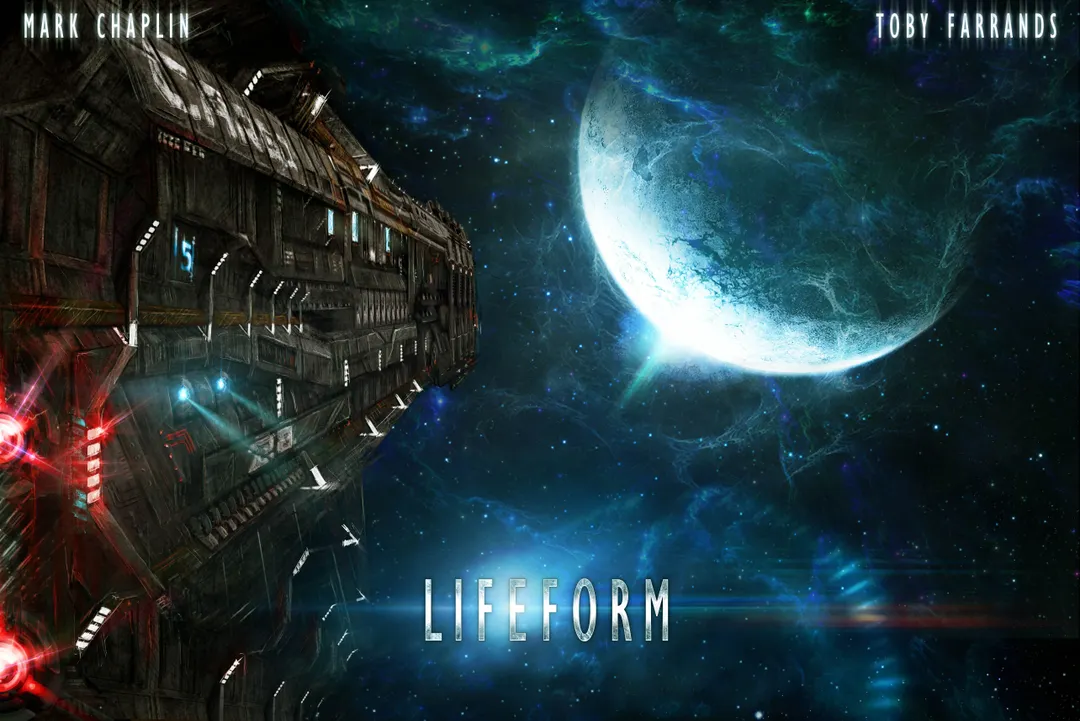
Lifeform is a board game released in 2019 for 2–4 players, 60 minutes per game, and ages 10 and up. It was designed by Mark Chaplin and Toby Farrands and its main mechanics are Variable Player Powers, Hand Management, and Point to Point Movement.






++++Incoming Transmission++++ ++++ Received: 24/09/2195+++ +++Source: Antares binary system 876/ 978+++ ''ID: Industrial Salvage and Mining Vessel Valley Forge Crew: 12 Human Androids: 1 Andromech 580-A “Demigod” class Engines: Hagfish Twin FTL J-3000 Tachyon Shunters Navigation: SIS-TER 6000 Mainframe Cargo: 2,000,000 tons of Mineral Ore; 3 tons of Trimonite Logged Flight Plan: Thedus to Earth Message begins: +++ Mayday, Mayday! This is the ISMV Valley Forge – comms systems failing, scanners malfunctioning… one of us is missing. Several of the crew are also claiming to have seen an alien lifeform. Ore-payload canister M-CXC-3790 ruptured when taken for processing. Doctor Chandra claimed it cracked like an egg before she vanished (possible space psychosis). Request advice, and rescue boat. Comms out. +++++ Message Appended- Received 24/09/2195 +++++ Oh god! Two of us are dead, and two are still missing. We’ve got to get out of here! The captain has ordered Palmer to prime the auto-destruct. It mustn’t get back! Save our souls. Lifeform is a game of survival horror for two to four players in which one player takes on the role of an almost invincible, utterly hostile alien, while all other players take on the roles of the crew of commercial mining starship, Valley Forge. During each game, the crew, outfitted with glitchy handheld sensors disrupted by a proximate nebula, search their labyrinthine vessel for equipment, weaponry, and supplies to load onboard escape shuttlecraft Remora. Along the way, the alien lifeform will ruthlessly attempt to stop the crew from carrying out this plan. The crew and alien lifeform both have a unique deck of cards, and each card has symbols on it to indicate possible actions. The alien can move around the starship, attack, cocoon, activate a malfunctioning android, sabotage equipment and the vessel's wiring, scurry into vents, and more; while the starship crew can fire flamethrowers, search, move or run, protect themselves with shock-prods, hide, shut security doors, and other actions. Lifeform is a standalone, dice-less game that tells of twelve commercial astronauts working on a battered mining starship, far away in space and time, who encounter an awesome galactic horror. Featuring an innovative self-destruct game mechanism, and alternate playable endings, depending on crew success, Lifeform presents a tense, suspenseful adventure with each and every game.
Lifeform supports 2–4 players according to the catalogue. This range comes from the publisher’s listed player count, so the game can be set up for any group size within it. Some setups, rules and scoring details may still vary by player count, so check your edition’s rulebook for the exact configuration.
The listed playing time for Lifeform is 60 minutes. This is the publisher’s estimate for a full game. The actual duration depends on the group, the player count and familiarity with the rules: first sessions usually run longer, while experienced groups often finish faster. Setup and teaching time are not included in this estimate.
The catalogue lists Lifeform for ages 10 and up. This is the publisher’s recommendation and reflects reading demands, rule complexity and small components rather than theme alone. Younger players can often join with help from an adult, so check the age guidance on your edition and consider your group’s experience with board games.
Lifeform has a complexity rating of 3.1 out of 5 from BoardGameGeek players, which makes it a medium-weight game. The rating reflects how much rules knowledge, planning and decision-making a typical game demands. Expect a longer first teach for heavier games, and use a preparation guide before game night.
Lifeform belongs to these categories: Fighting, Horror, and Bluffing. Its main mechanics are Variable Player Powers, Hand Management, and Point to Point Movement. Categories describe the theme and setting of a game, while mechanics describe what players actually do on their turns. Each mechanic links to a catalogue hub with similar games, which helps when you want something comparable.
The credited designers of Lifeform are: Mark Chaplin and Toby Farrands. These credits come from the published game data and name the people responsible for the game’s design, not its illustrators or publishers. Designer pages on MeepleRules collect other titles by the same designers, which helps when you enjoy a game and want to find similar ones.
The catalogue lists Lifeform as a base game. It can be played on its own with the components in the box and does not require any other title. Expansions, if any exist, add new content or rules on top of it and are listed separately in the catalogue with a link back to this base game.