
- BGG rating
- 7.2
Malifaux: Arsenal Box – Guild (Wave 1)
- 2–10 players
- 2013
2013
Rules assistance for Malifaux (Second Edition)
Plain-language explanations of turns, card effects and disputed situations, with official source references and saved question history.
For 2 players
What would you like to know?
Answers come from the official rulebook, with the page to check.
Malifaux (Second Edition) is a board game released in 2013 for 2 players and 90–120 minutes per game. It was designed by Justin Gibbs, Dan Weber, Nathan Caroland, Mack Martin, Eric Johns, Redd Cohen, David Hanold, Matt Anderson, and Aaron Darland and its main mechanics are Variable Player Powers, Hand Management, and Area Majority / Influence.
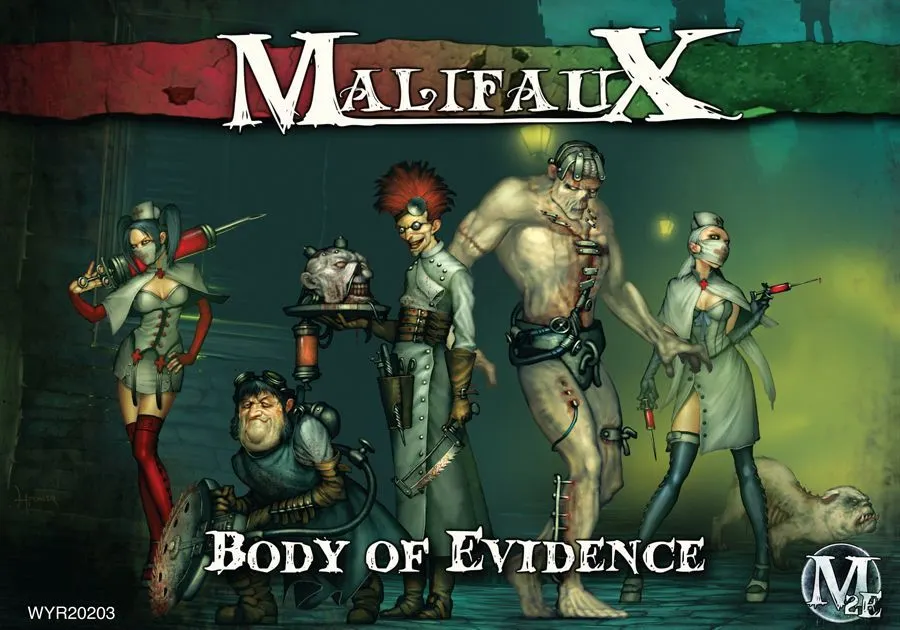
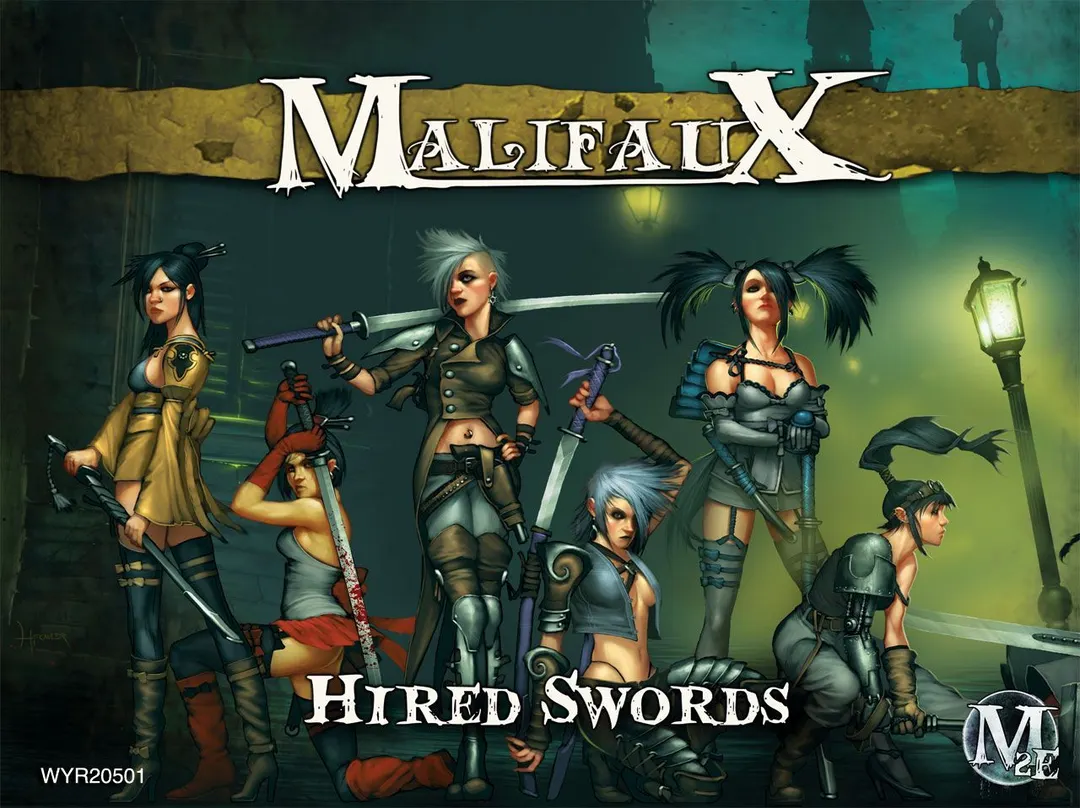
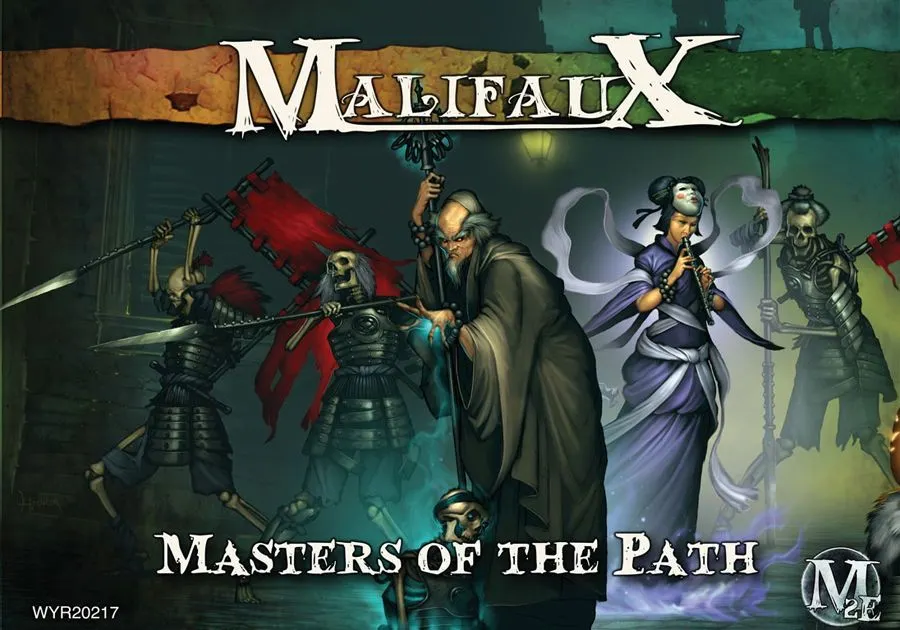
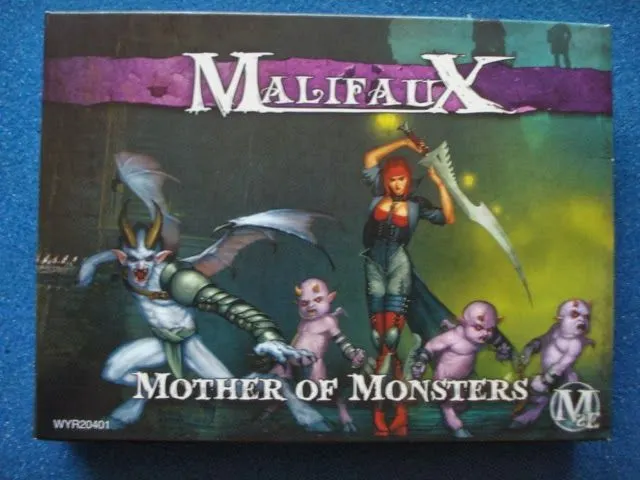
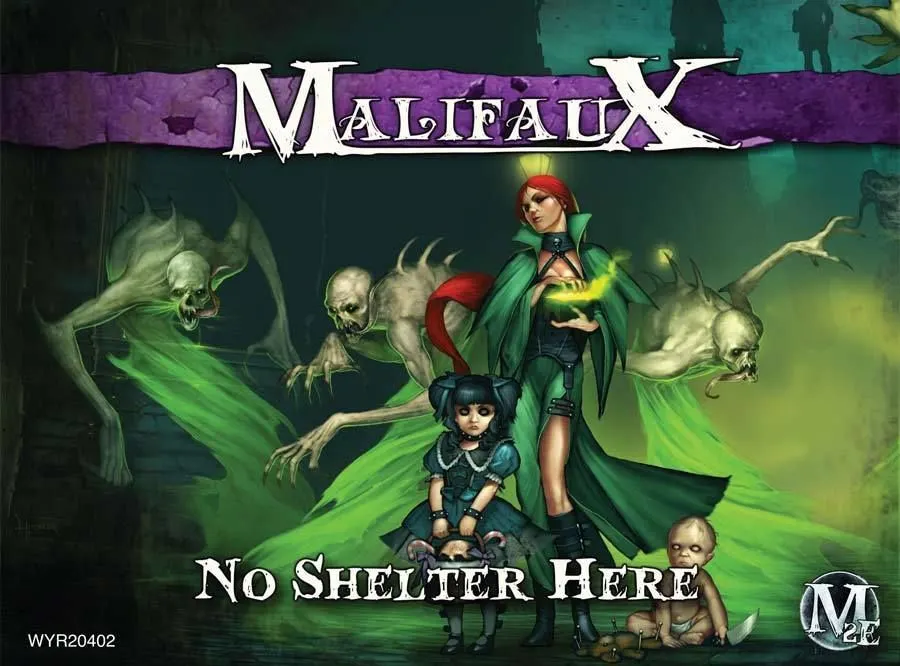
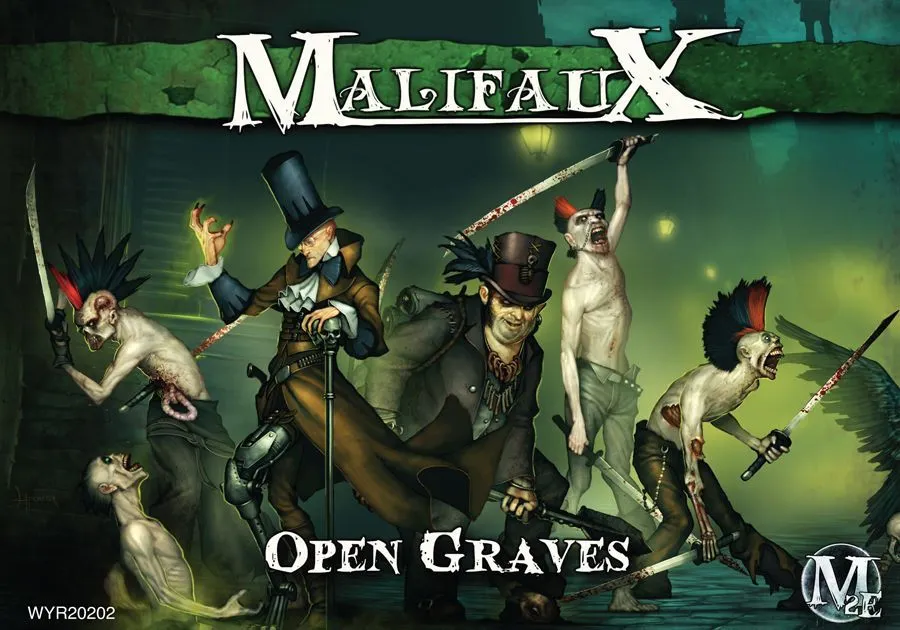
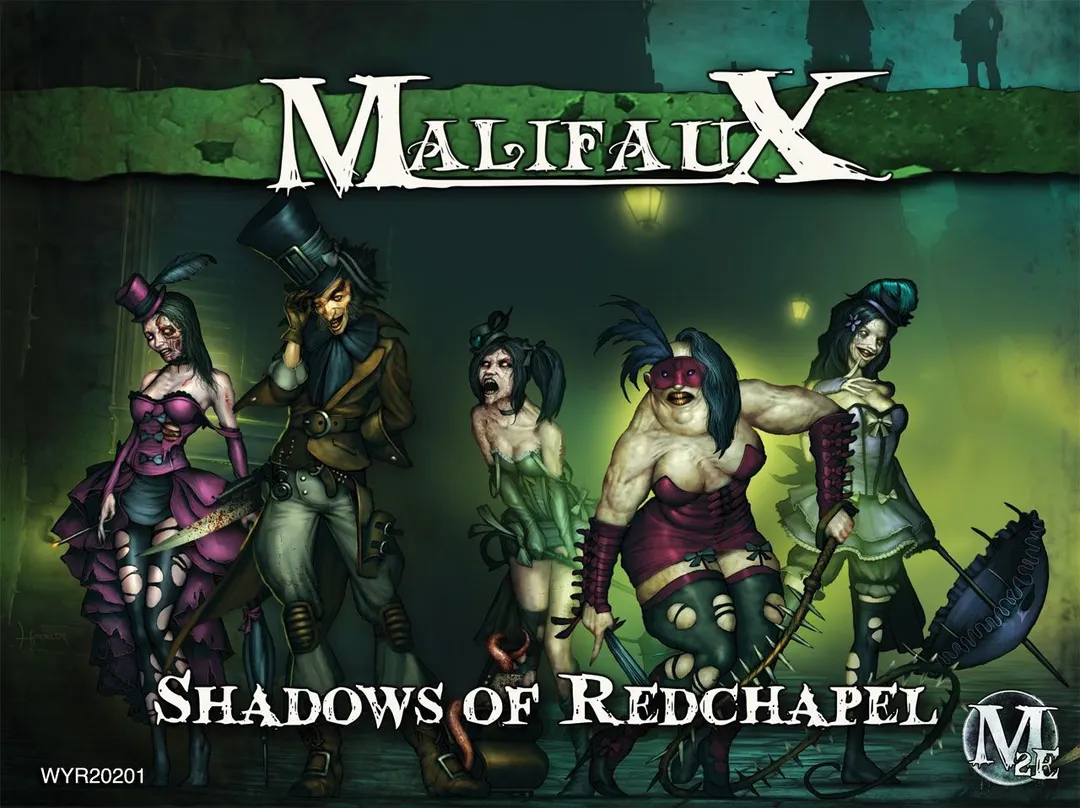
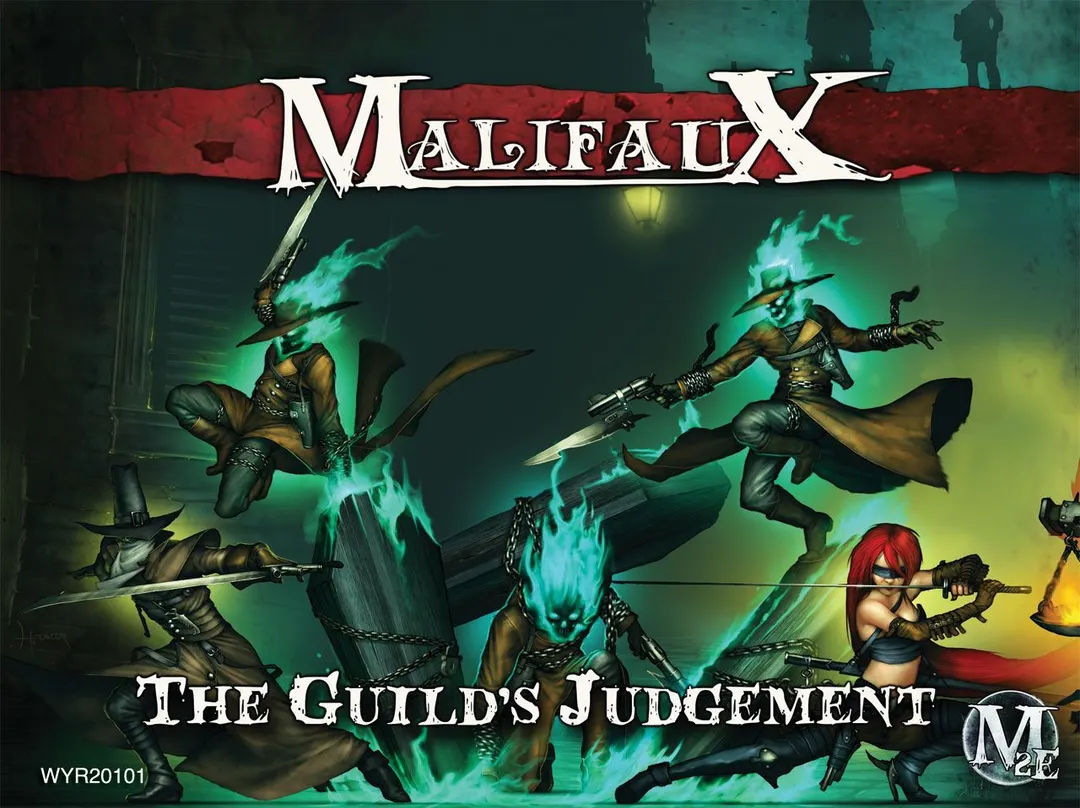
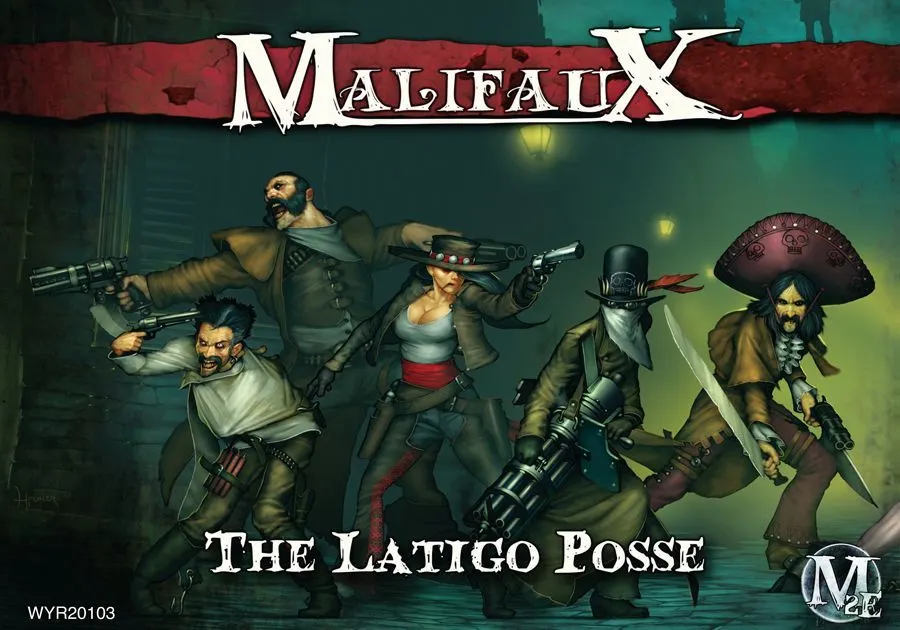
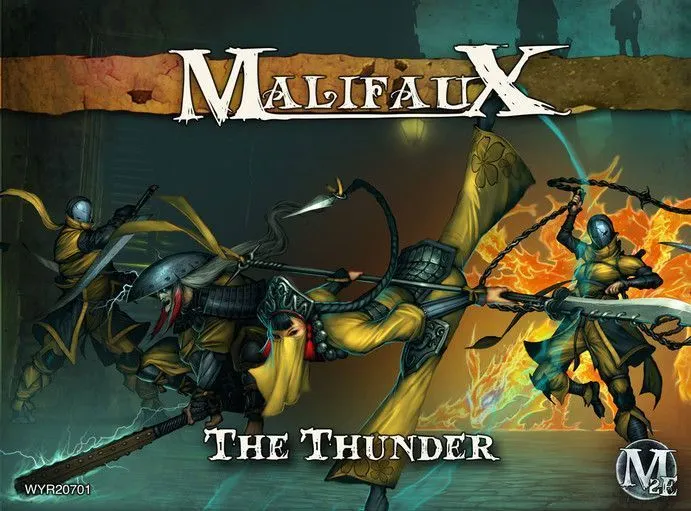
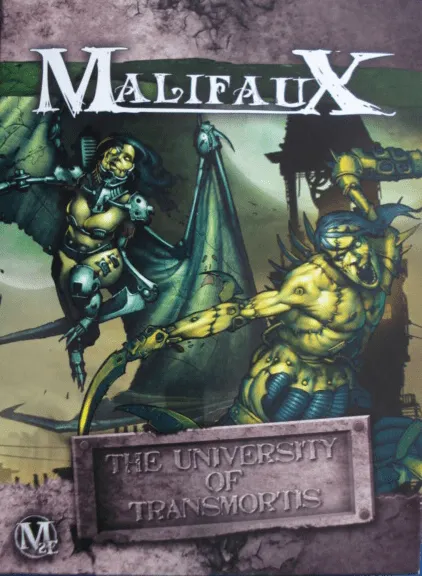
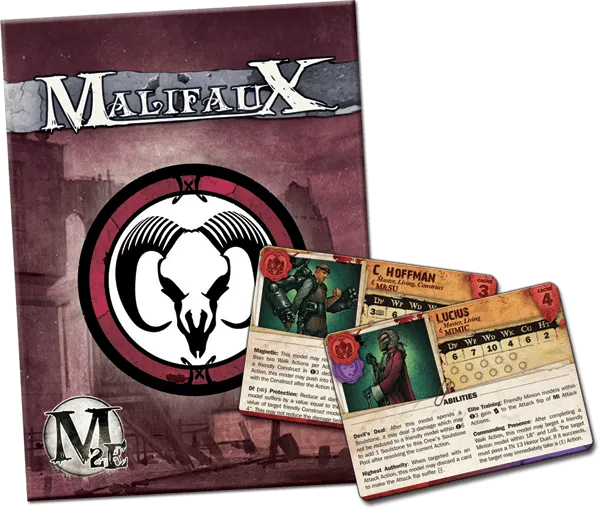
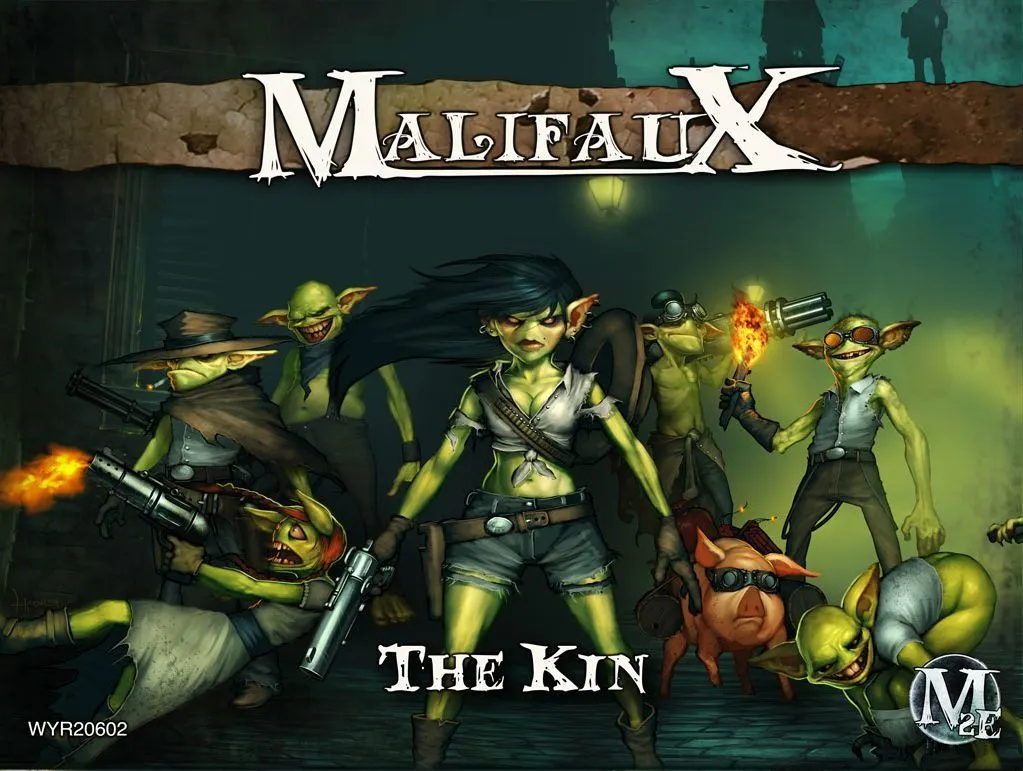
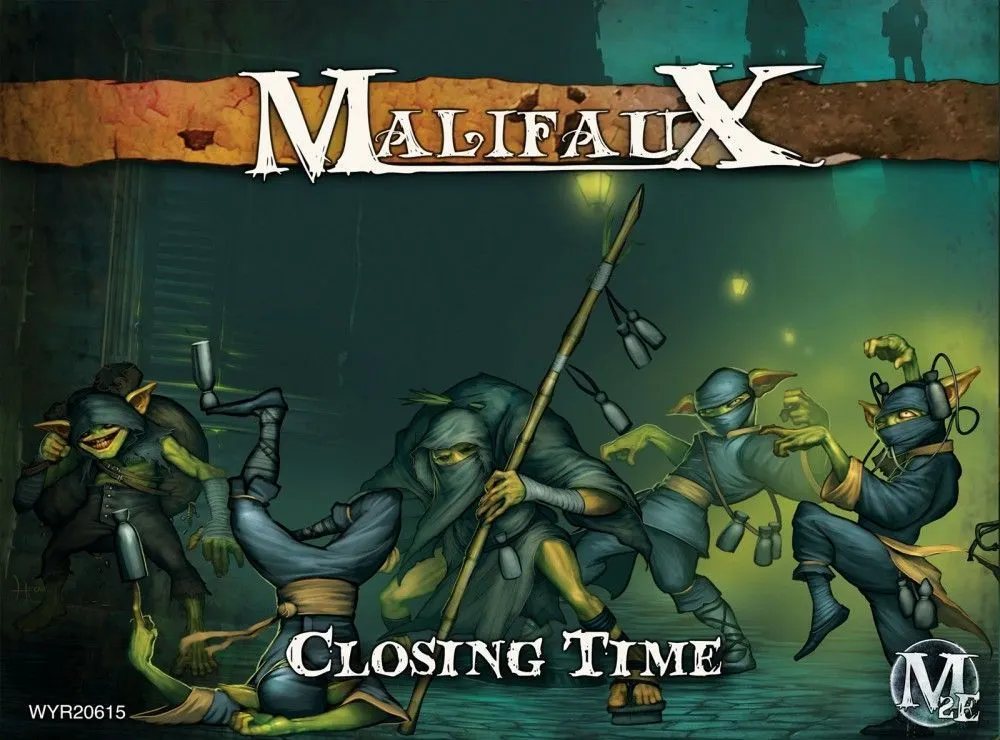
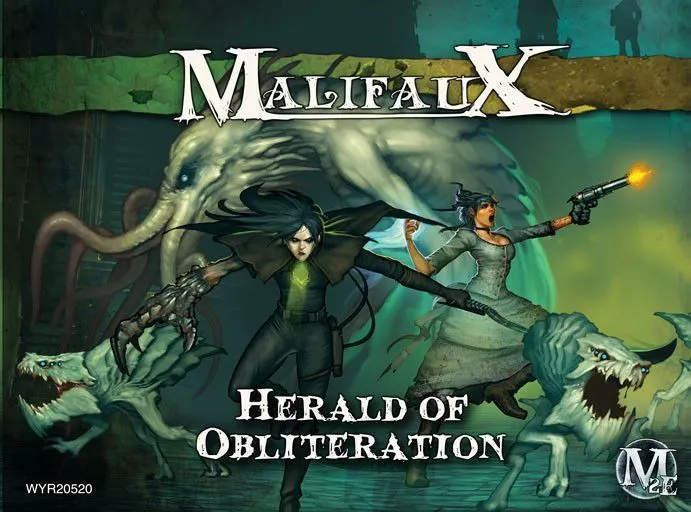
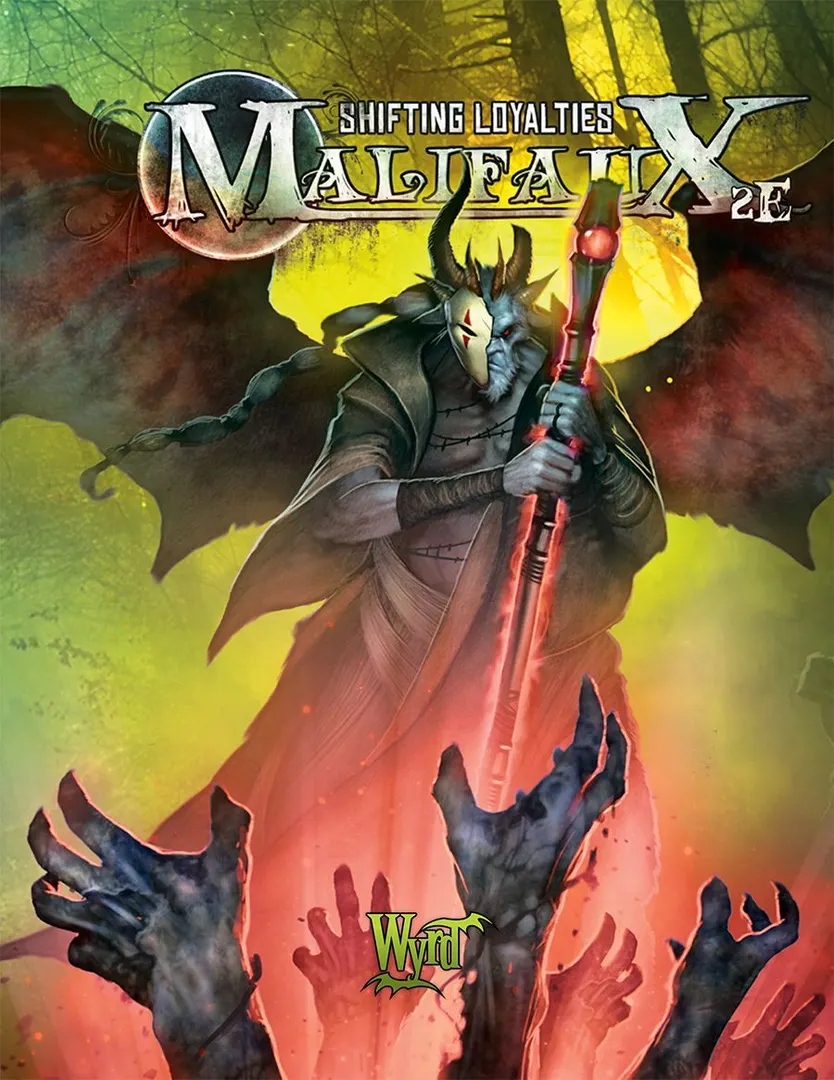
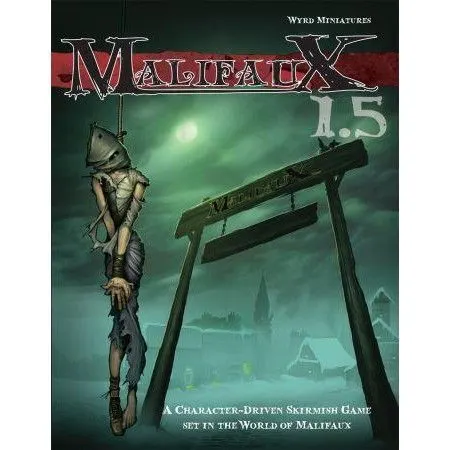


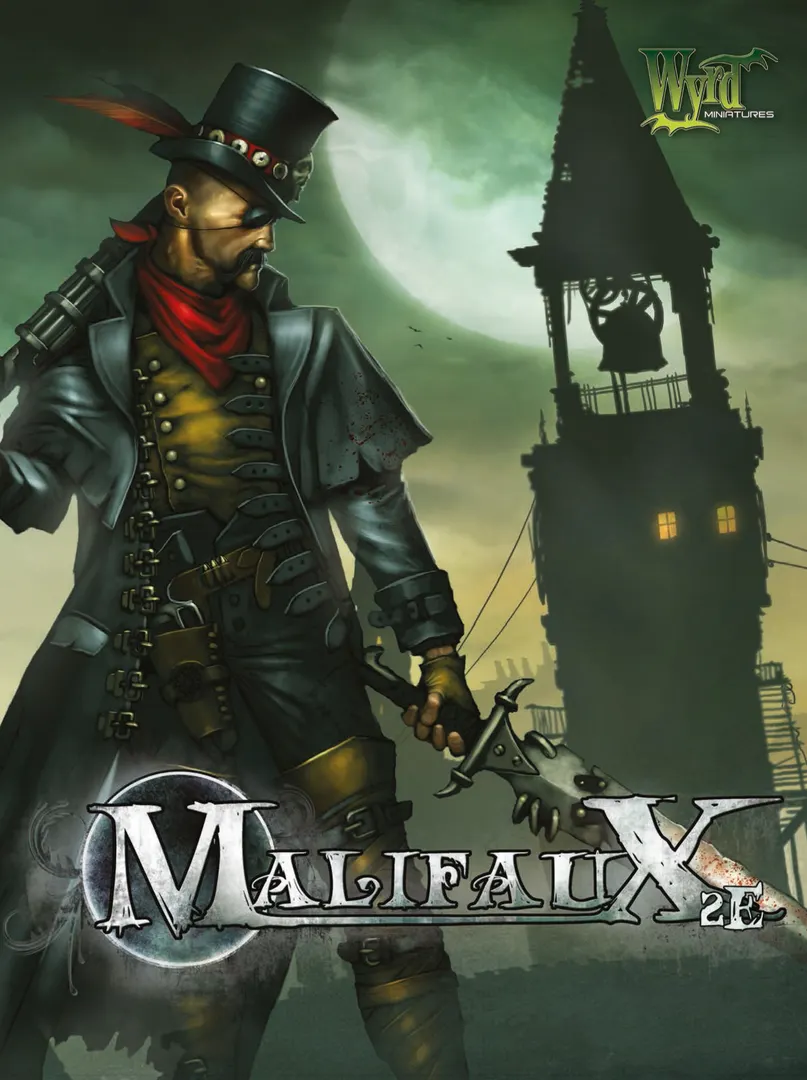
Malifaux is a character-driven 32mm tabletop miniatures game. Players collect, build, and paint models representing the denizens of Malifaux, pitting these models against one another in groups called Crews for control of the precious resource known as Soulstones. A Crew can contain several different types of models depending on how a player constructs it. Masters can manipulate the course of events in the world around them, changing their own Fates through their control or theft of Soulstones. A variety of fantastic and frightening beings, collectively known as Minions, serve the Master as fodder in his or her machinations. In addition, Henchmen can lead specialized Crews in their Master's absence, or serve their Master directly as a member of a Crew. Masters and Henchmen are also supported by Totems, extensions of their magical abilities which increase their spellcasting range and provide additional aid in an Encounter. Lastly, each Master can transform itself into a powerful Avatar, representing a specific aspect of their personality. How well a Crew carries out its leader's Strategy and Schemes determines whether or not it will emerge victorious in an Encounter with an enemy Crew. Strategies represent the Crew's main path to victory, while Schemes are simpler alternate routes to achieve the leader's goals. Malifaux players use decks of cards called Fate Decks to resolve game events such as attacking and spell-casting. Players can manipulate the cards they play to alter the Duel's outcome. It takes a shrewd leader to effectively utilize a Crew's resources, ensuring he or she always has ready the cards needed to Cheat Fate.
Malifaux (Second Edition) supports 2 players according to the catalogue. This is the publisher’s listed player count, so the game is designed for exactly that number of participants. Variants for other group sizes, if any, are described in the rulebook of your edition, so check it before setting up a different configuration.
The listed playing time for Malifaux (Second Edition) is 90–120 minutes. This is the publisher’s estimate for a full game. The actual duration depends on the group, the player count and familiarity with the rules: first sessions usually run longer, while experienced groups often finish faster. Setup and teaching time are not included in this estimate.
Malifaux (Second Edition) has a complexity rating of 3.7 out of 5 from BoardGameGeek players, which makes it a medium-weight game. The rating reflects how much rules knowledge, planning and decision-making a typical game demands. Expect a longer first teach for heavier games, and use a preparation guide before game night.
Malifaux (Second Edition) belongs to these categories: Wargame, Horror, and Miniatures. Its main mechanics are Variable Player Powers, Hand Management, and Area Majority / Influence. Categories describe the theme and setting of a game, while mechanics describe what players actually do on their turns. Each mechanic links to a catalogue hub with similar games, which helps when you want something comparable.
The credited designers of Malifaux (Second Edition) are: Justin Gibbs, Dan Weber, Nathan Caroland, Mack Martin, Eric Johns, Redd Cohen, David Hanold, Matt Anderson, and Aaron Darland. These credits come from the published game data and name the people responsible for the game’s design, not its illustrators or publishers. Designer pages on MeepleRules collect other titles by the same designers, which helps when you enjoy a game and want to find similar ones.
The catalogue lists Malifaux (Second Edition) as a base game. It can be played on its own with the components in the box and does not require any other title. Expansions, if any exist, add new content or rules on top of it and are listed separately in the catalogue with a link back to this base game.