
- BGG rank
- BGG #107
- BGG rating
- 7.8
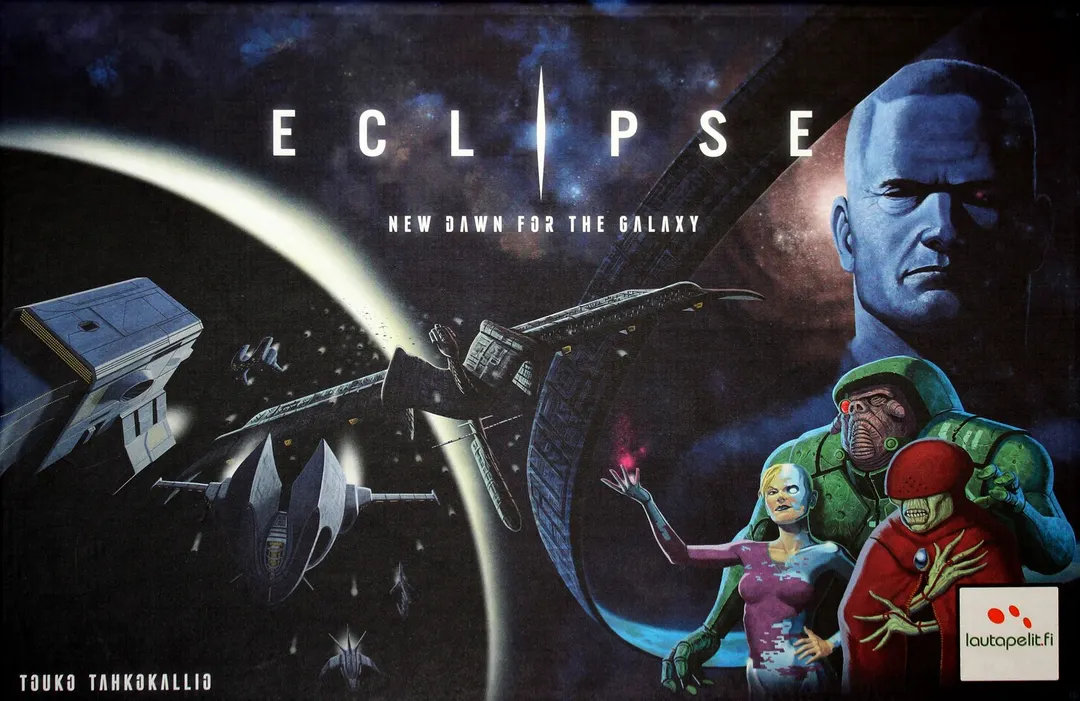
Eclipse: New Dawn for the Galaxy
- 2–6 players
- 60–180 min
- Complexity 3.7/5
- 2011
2013
Rules assistance for Mauna Kea
Plain-language explanations of turns, card effects and disputed situations, with official source references and saved question history.
For 2 players
What would you like to know?
Answers come from the official rulebook, with the page to check.
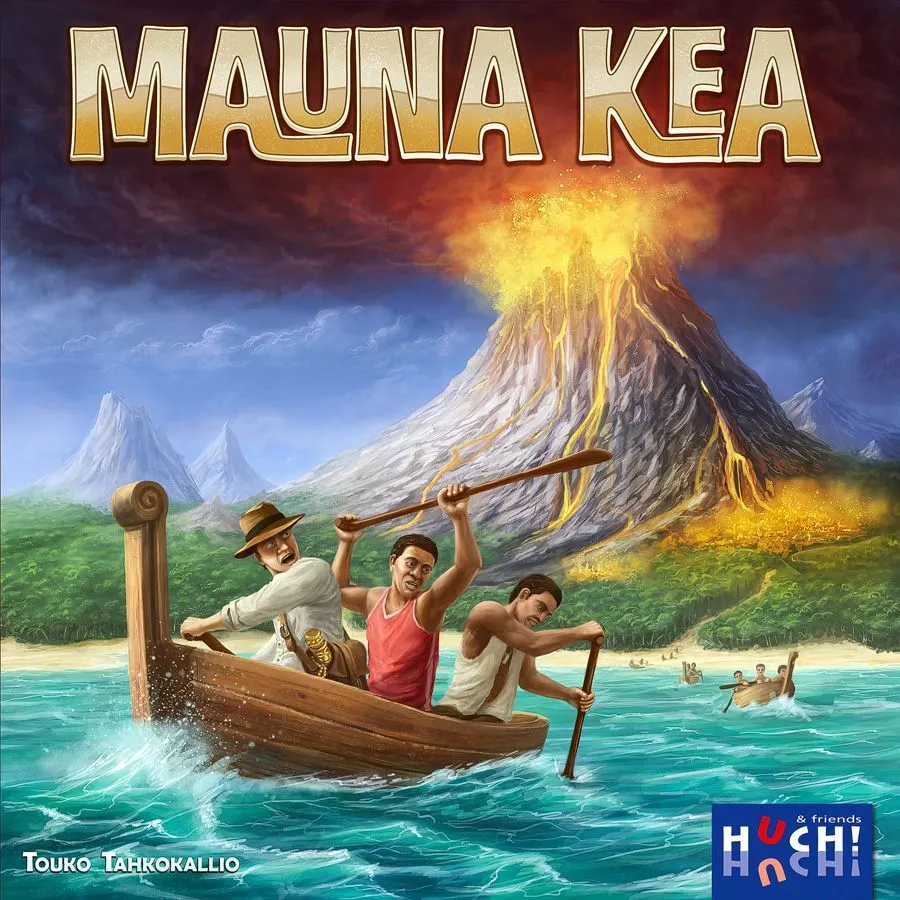
Mauna Kea is a board game released in 2013 for 2–4 players, 45 minutes per game, and ages 10 and up. It was designed by Touko Tahkokallio and its main mechanics are Hand Management, Tile Placement, and Grid Movement.
Help! Lava is coming!! In Mauna Kea, you're exploring a previously unknown volcanic island in the South Pacific with your research team when suddenly there's a terrible roar: The volcano has come to life! Now, you must find as many artifacts as possible and bring them, along with your researchers, to the rescue boats at the coast. If you plan your ways cleverly and have a little bit of luck, you'll survive the volcanic eruption as the rescuing hero! Each player starts the game with a team of 3-5 researchers (depending on the number of players) and a set of randomly selected terrain tiles that collectively have at least five movement points; the more jungle spaces on a tile, the more movement points it provides. On a player's turn, he must play all of his tiles in any order he wants, either placing them on the game board to expand the terrain on which players can move or spending the movement points to move his researchers to orthogonally adjacent spaces (1 point to enter jungle, 2 points to enter water, 16,000 points to enter mountain — actually, you can't enter a mountain space). If his researcher enters a space with an artifact, he then drags that artifact with him as he moves. If his researcher reaches a boat, he fills as many seats as possible with artifacts, then hits the water. Sorry, chumps! At the end of his turn, he draws new tiles — and if he pulls a lava tile from the bag, he places it on the board immediately. Lava flows away from the central cone, with each tile indicating the side of the volcano from which it flows. If lava hits established terrain, it covers that terrain; if it hits researchers and artifacts, it covers them, too. Players continue taking turns until someone has no researchers left on the island, whether due to them leaving the island or donning a lava blanket. Everyone else takes one final turn, then players score, collecting 3 points per saved researcher, 1-3 points for each artifact, and -1 point for each empty space on the boats they used. The player with the highest score wins. In the advanced game, players don't return tiles to the bag when they use them for movement points. Instead they start the game with four action or task cards in hand. They can play as many action cards as they wish on a turn to help their researchers cross mountains, swim faster, or helicopter to safety, but they have only four for the entire game. The game now ends when a player has no researchers or no tile remain in the bag. In addition to their other points, players now score for completed task cards, earning points for specific combinations of artifacts or for taking a certain boat. Again, the player with the highest score wins.
Mauna Kea supports 2–4 players according to the catalogue. This range comes from the publisher’s listed player count, so the game can be set up for any group size within it. Some setups, rules and scoring details may still vary by player count, so check your edition’s rulebook for the exact configuration.
The listed playing time for Mauna Kea is 45 minutes. This is the publisher’s estimate for a full game. The actual duration depends on the group, the player count and familiarity with the rules: first sessions usually run longer, while experienced groups often finish faster. Setup and teaching time are not included in this estimate.
The catalogue lists Mauna Kea for ages 10 and up. This is the publisher’s recommendation and reflects reading demands, rule complexity and small components rather than theme alone. Younger players can often join with help from an adult, so check the age guidance on your edition and consider your group’s experience with board games.
Mauna Kea has a complexity rating of 1.6 out of 5 from BoardGameGeek players, which makes it a light game. The rating reflects how much rules knowledge, planning and decision-making a typical game demands. Expect a longer first teach for heavier games, and use a preparation guide before game night.
Mauna Kea belongs to these categories: Adventure. Its main mechanics are Hand Management, Tile Placement, and Grid Movement. Categories describe the theme and setting of a game, while mechanics describe what players actually do on their turns. Each mechanic links to a catalogue hub with similar games, which helps when you want something comparable.
The credited designers of Mauna Kea are: Touko Tahkokallio. These credits come from the published game data and name the people responsible for the game’s design, not its illustrators or publishers. Designer pages on MeepleRules collect other titles by the same designers, which helps when you enjoy a game and want to find similar ones.
The catalogue lists Mauna Kea as a base game. It can be played on its own with the components in the box and does not require any other title. Expansions, if any exist, add new content or rules on top of it and are listed separately in the catalogue with a link back to this base game.