
- BGG rank
- BGG #28,344
- BGG rating
- 5.2
21st Century Battles
- 1–4 players
- Complexity 2.8/5
- 2014
1999
Rules assistance for Mława 1939
Plain-language explanations of turns, card effects and disputed situations, with official source references and saved question history.
For 2 players
What would you like to know?
Answers come from the official rulebook, with the page to check.
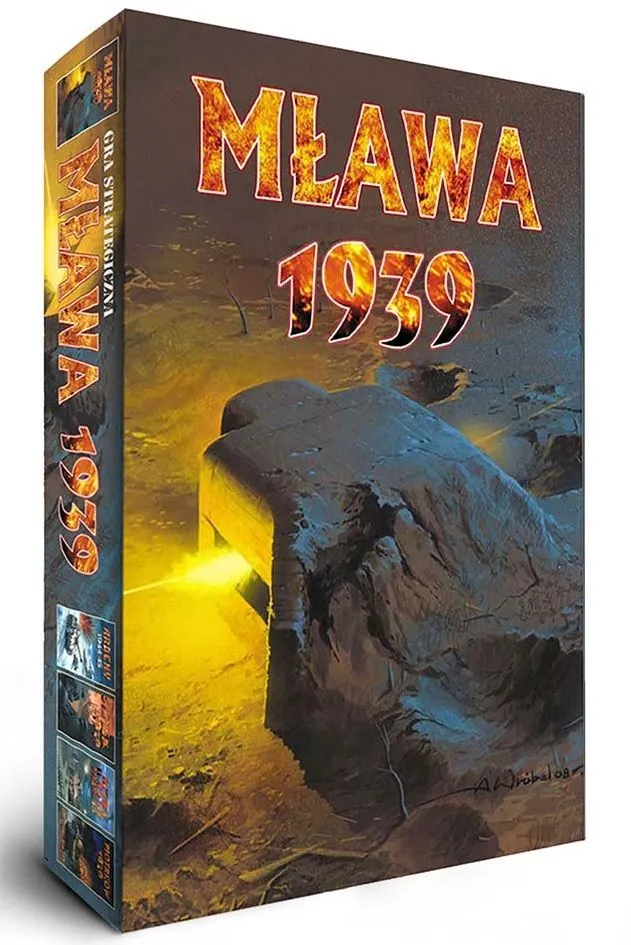
Mława 1939 is a board game released in 1999 for 2 players. It was designed by Wojciech Zalewski and its main mechanics are Dice Rolling, Grid Movement, and Hexagon Grid.
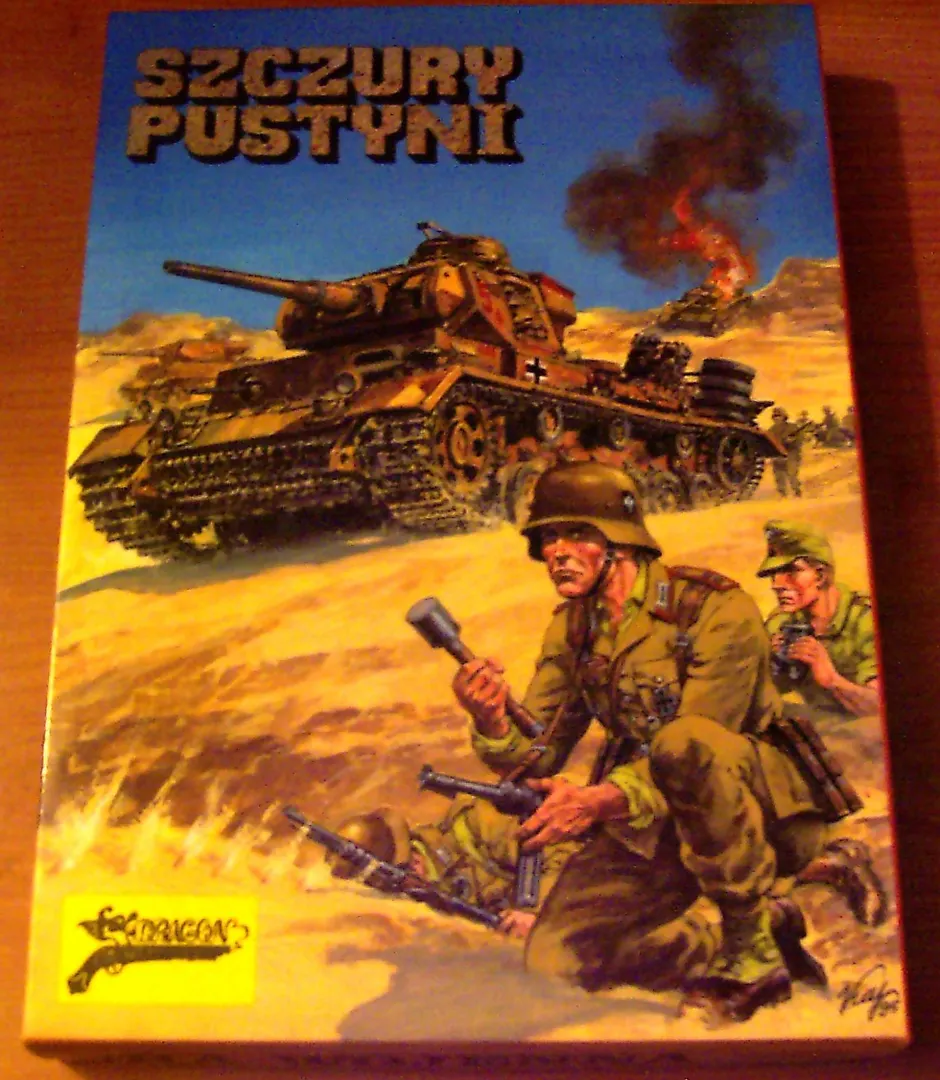
The battle for Mlawa was the first of many battles that occurred in the Northern Mazowsze in 1939 (Polish territory north of Warsaw). Here the German 3rd Army, commanded by General Kuchler, fought against the Polish Army "Modlin". The Germans had tremendous superiority; in the main sector they had five divisions, including one armored division, while the Polish had only one division and two cavalry brigades. Although there was one Infantry Division (8th ID) in reserve, it was too far away to intervene in the first days of the operation. Despite their great advantage, the Germans did not break through the Polish front lines because the 20th Polish Infantry Division, which defended the Mlawa position, was strengthened by permanent fortifications whose flanks were situated on swamps and wet terrain. The Germans stormed the defenses for more than three days before they were able to take possession after the Poles abandoned them. As the German commander of the 3rd German Army could not overcome the Polish positions frontally, he ordered Mlawa to be flanked from the south. The box edition (third) comprises a 39"x27" full color map, 400 die-cut counters and a couple of sheets of informational markers that need to be cut. The rules are in Polish but an English translation is now available. Wikipedia: https://en.wikipedia.org/wiki/Battle_of_M%C5%82awa
Mława 1939 supports 2 players according to the catalogue. This is the publisher’s listed player count, so the game is designed for exactly that number of participants. Variants for other group sizes, if any, are described in the rulebook of your edition, so check it before setting up a different configuration.
Mława 1939 has a complexity rating of 2.8 out of 5 from BoardGameGeek players, which makes it a medium-light game. The rating reflects how much rules knowledge, planning and decision-making a typical game demands. Expect a longer first teach for heavier games, and use a preparation guide before game night.
Mława 1939 belongs to these categories: Wargame and World War II. Its main mechanics are Dice Rolling, Grid Movement, and Hexagon Grid. Categories describe the theme and setting of a game, while mechanics describe what players actually do on their turns. Each mechanic links to a catalogue hub with similar games, which helps when you want something comparable.
The credited designers of Mława 1939 are: Wojciech Zalewski. These credits come from the published game data and name the people responsible for the game’s design, not its illustrators or publishers. Designer pages on MeepleRules collect other titles by the same designers, which helps when you enjoy a game and want to find similar ones.
The catalogue lists Mława 1939 as a base game. It can be played on its own with the components in the box and does not require any other title. Expansions, if any exist, add new content or rules on top of it and are listed separately in the catalogue with a link back to this base game.