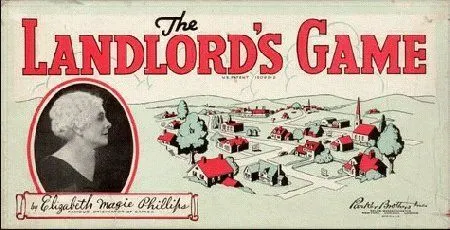
- BGG rating
- 5.8
Monopoly Stock Exchange Add-on
2–6 players90 min1936
Complexity 1.5/5

1935
Rules assistance for Monopoly
Plain-language explanations of turns, card effects and disputed situations, with official source references and saved question history.
What would you like to know?
Answers come from the official rulebook, with the page to check.
Be the last player remaining after all other players go bankrupt.
About 8 min · 8 steps
Step 1 of 8
The Banker auctions it. Any player may bid, including you and the Banker.
Railroad rent depends on how many Railroads the owner has; Utility rent is four or ten times the dice roll for one or both Utilities.
Yes. Build evenly, up to four Houses per Street; do not build if any Street in the set is mortgaged.
Yes. The new owner immediately pays the Bank the unmortgage cost or keeps the mortgage and pays 10% of its value.
Yes. You may still collect rent, auction, buy buildings, mortgage, and trade while in Jail.
Nothing happens. It has no effect.
First try selling buildings or mortgaging property. If you still cannot pay, you are bankrupt and leave the game.
Monopoly is a board game released in 1935 for 2–8 players, 60–180 minutes per game, and ages 8 and up. It was designed by Charles Darrow and Elizabeth J. Magie (Phillips) and its main mechanics are Set Collection, Trading, and Auction / Bidding. MeepleRules offers a rules assistant for Monopoly that explains turns, card effects and disputed situations in plain language.
2–6 players90 min1936
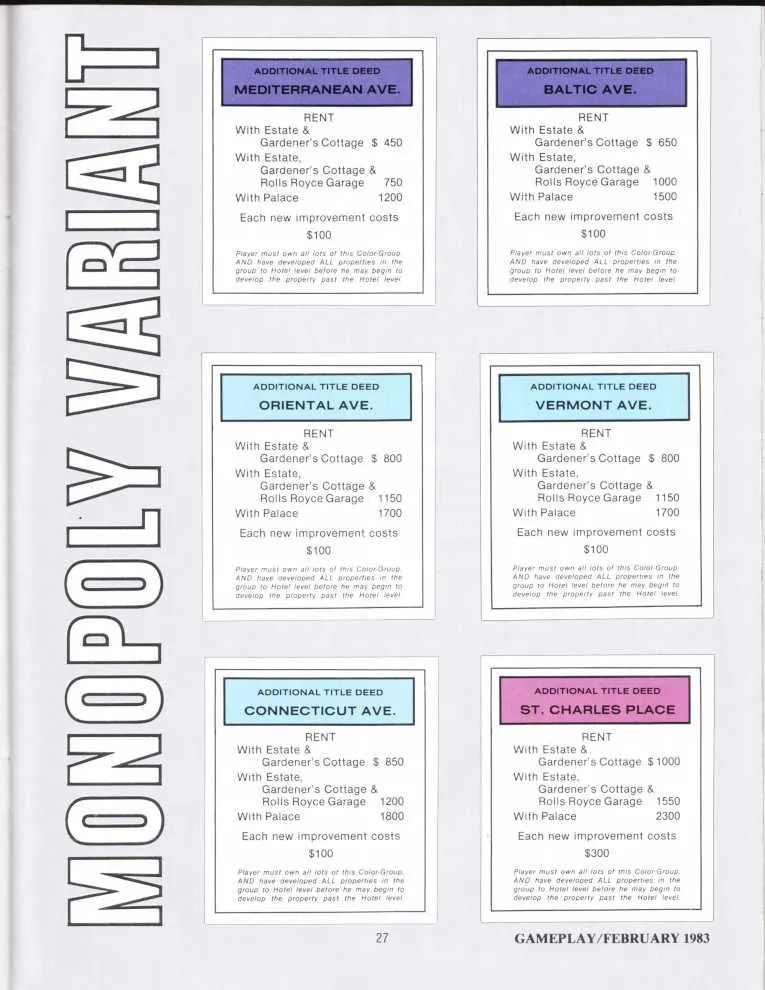
2–8 players1983

2–8 players180 min1986

2–8 players180 min2008

2–8 players2009

2–8 players90 min2012
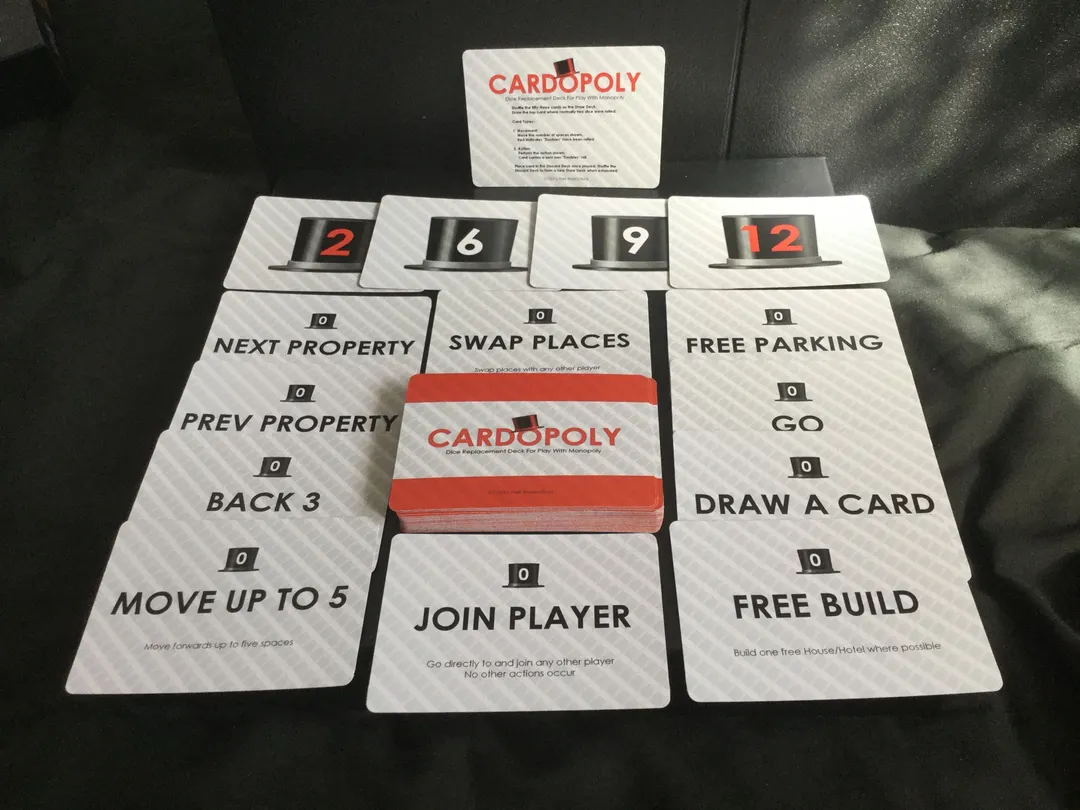
2–8 players30–120 min2016
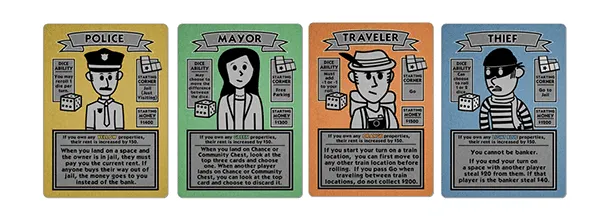
2–4 players60–180 min2016

1–4 players45 min2019

3–6 players60–240 min2025

2–6 players40 min2025
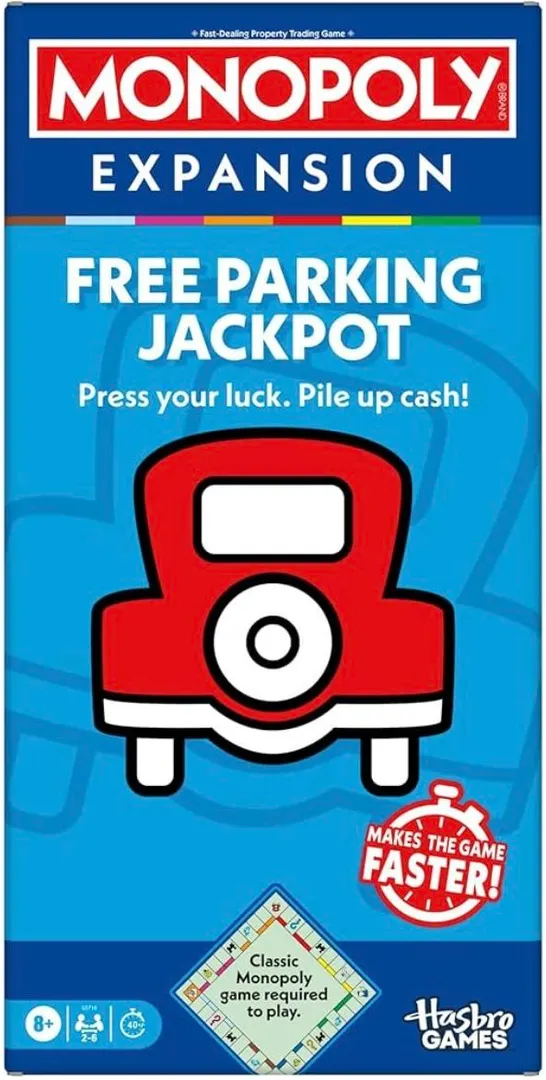
2–6 players40 min2025
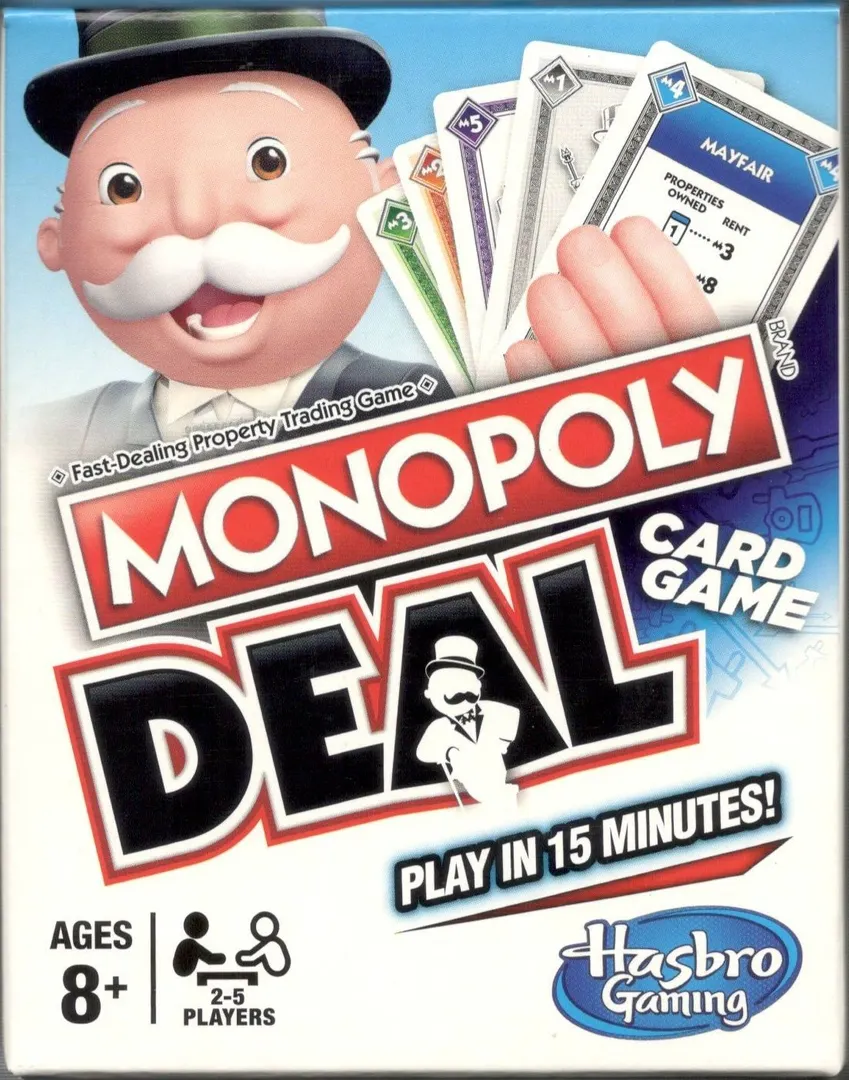
2–5 players15 min2008
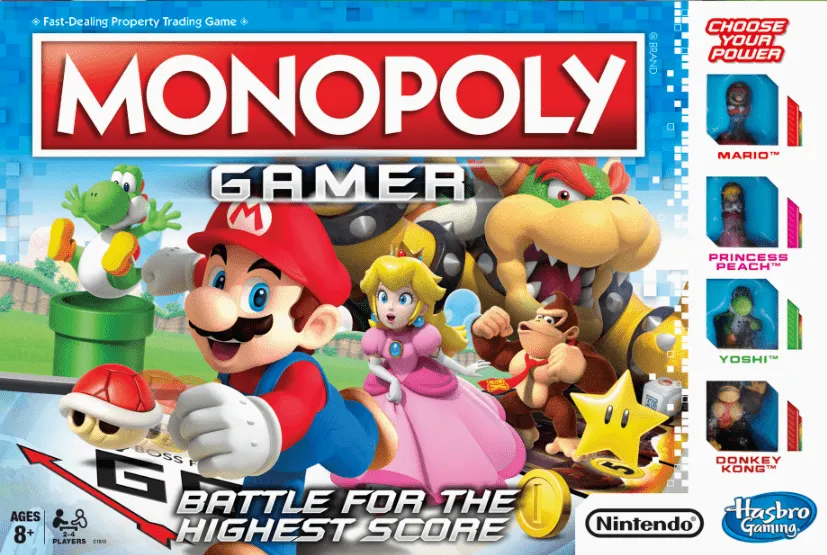
2–4 players45–60 min2017

2–8 players90 min2006

2–4 players20 min2023
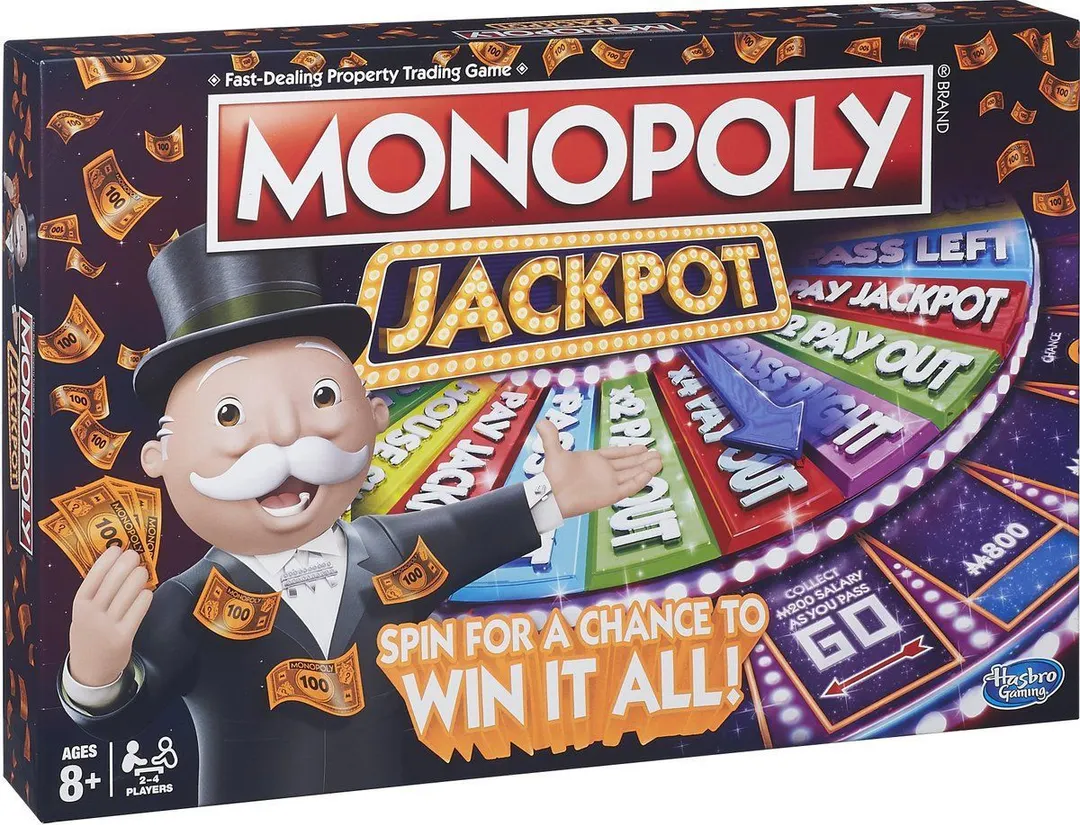
2–4 players30–60 min2016

2–4 players90 min2023
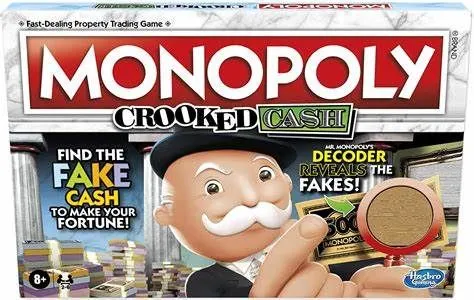
2–6 players30–90 min2021
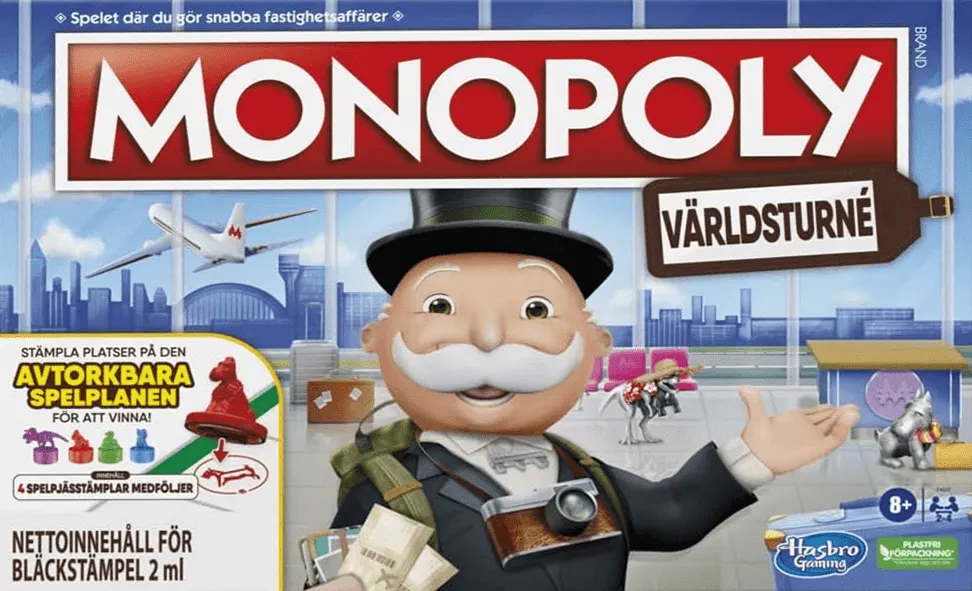
2–4 players2022

2–4 players15–60 min2015

2–6 players75 min2009
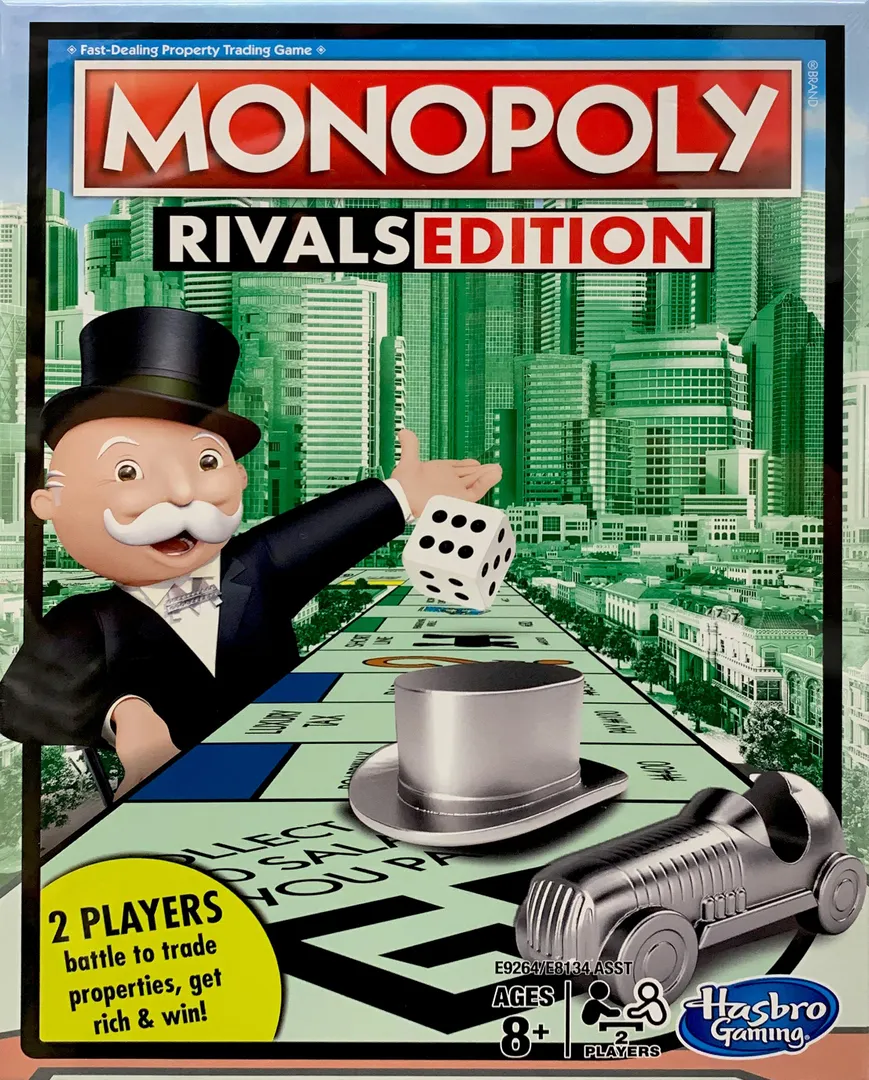
2 players2020
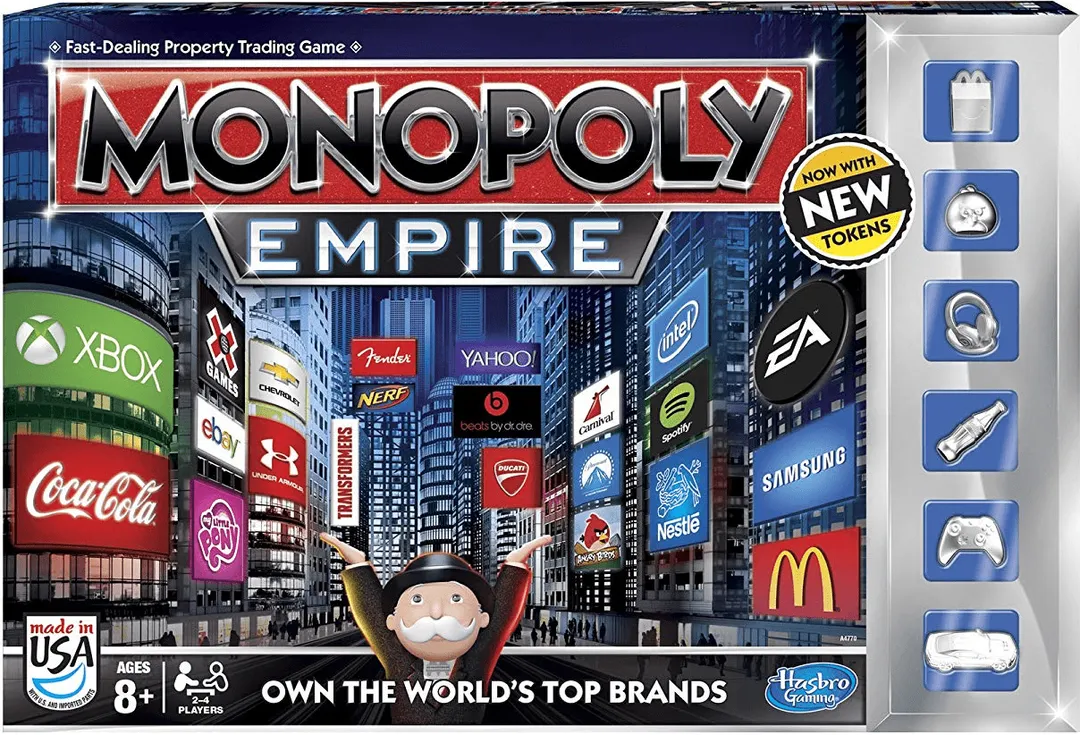
2–4 players10–25 min2013

2–3 players15 min2014

2–4 players45–60 min2018
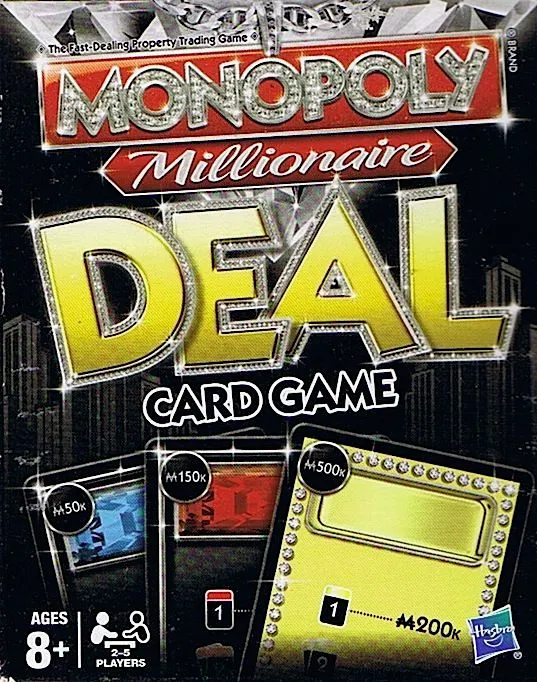
2–5 players15 min2012
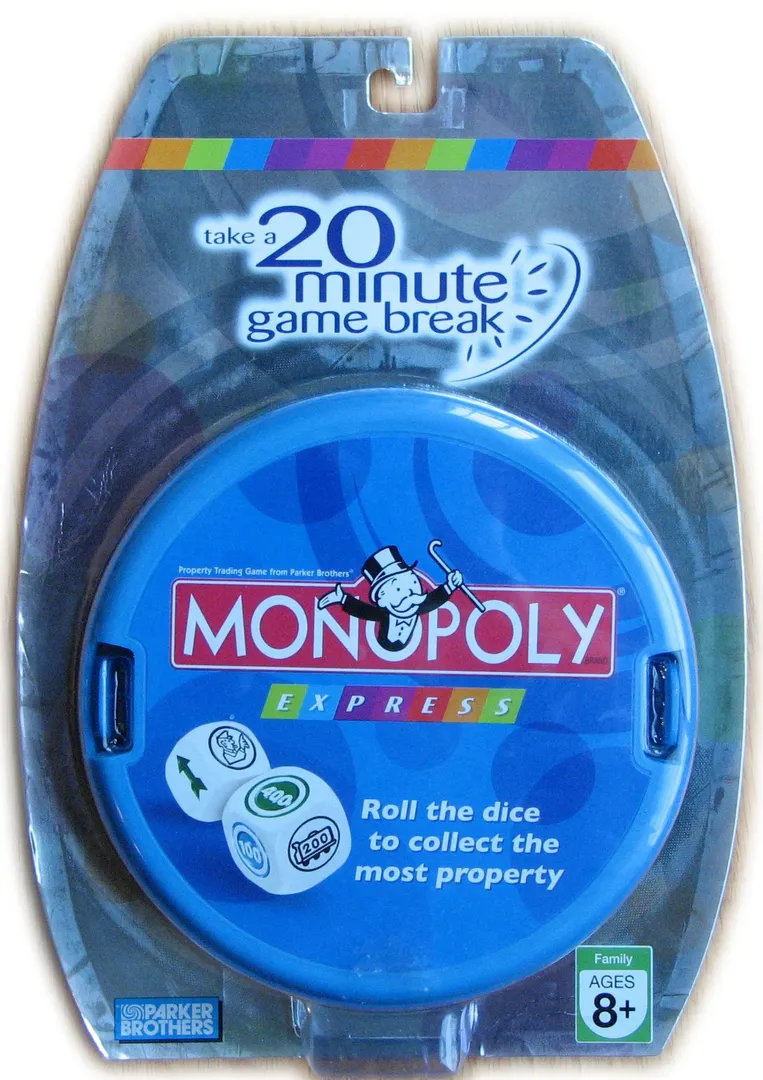
2–4 players20 min1991
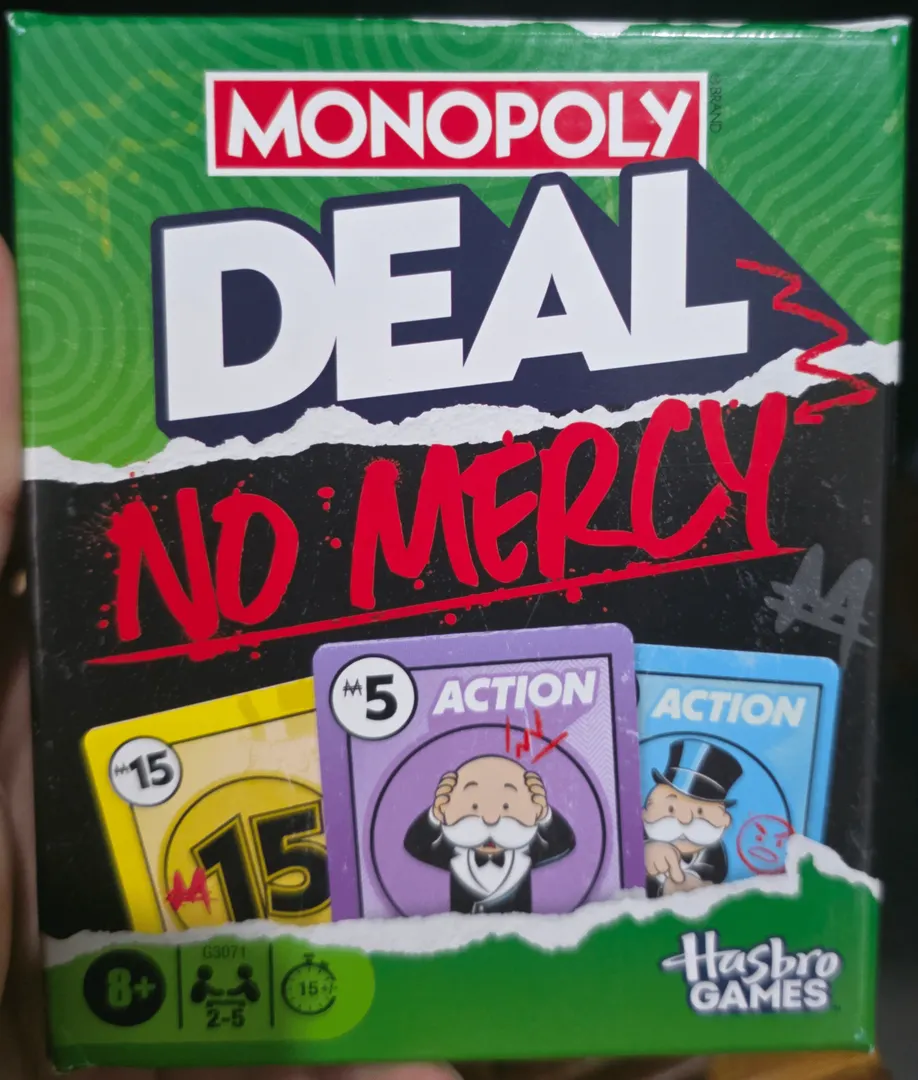
2–6 players15 min2026
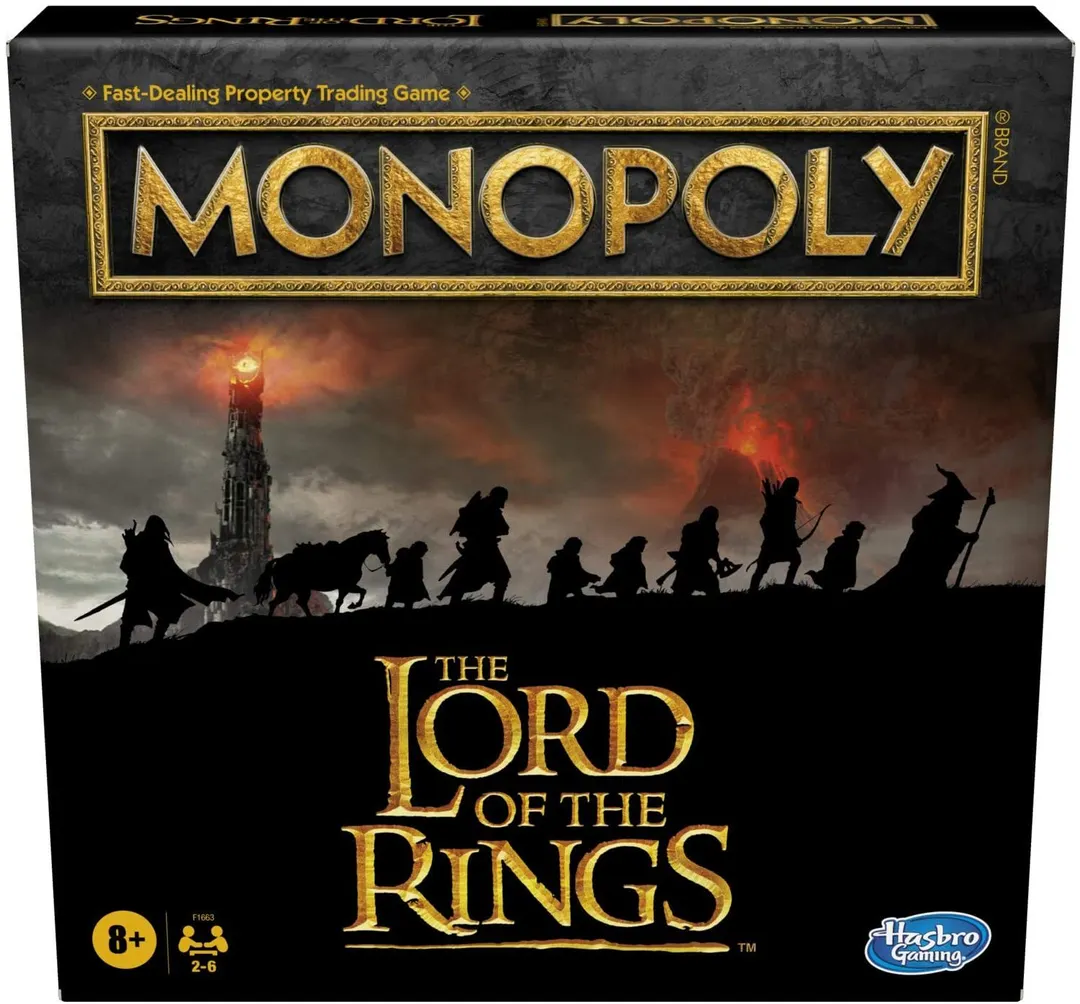
2–6 players2021

2–6 players60 min1985

2–6 players90–180 min1980
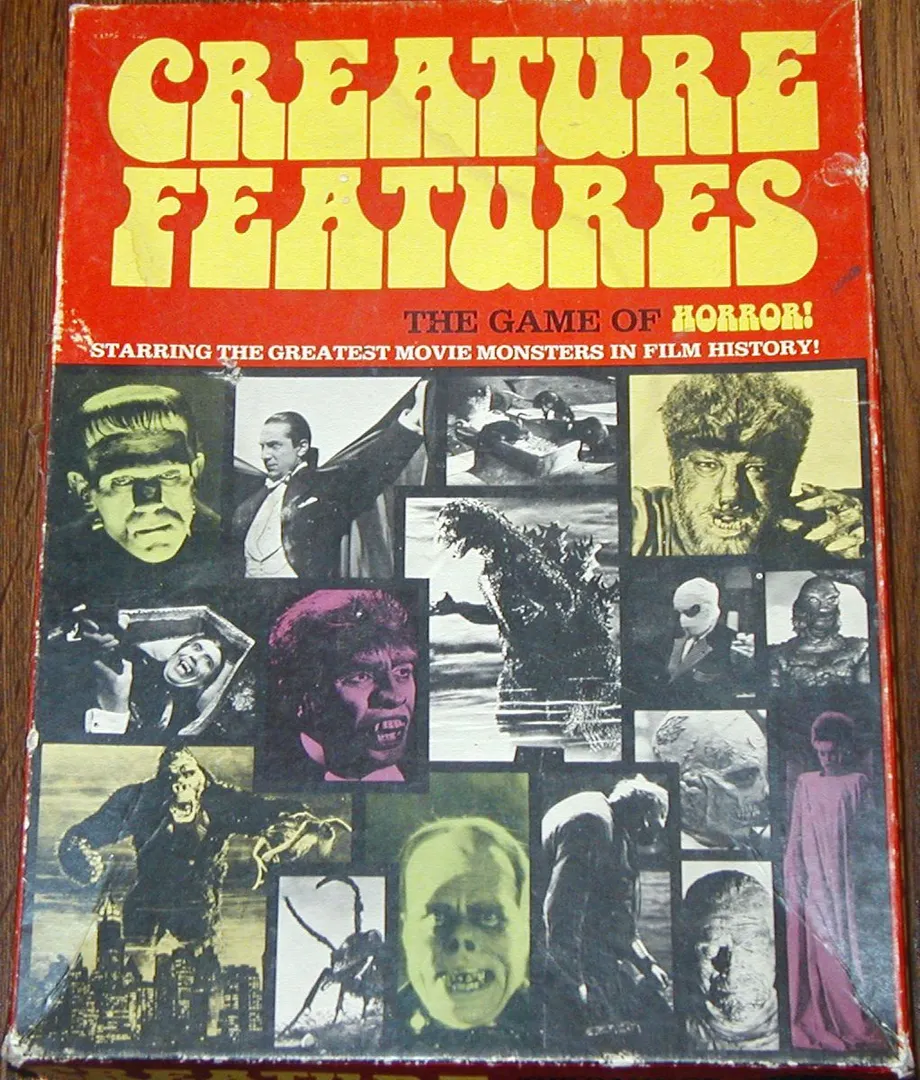
2–6 players120 min1975
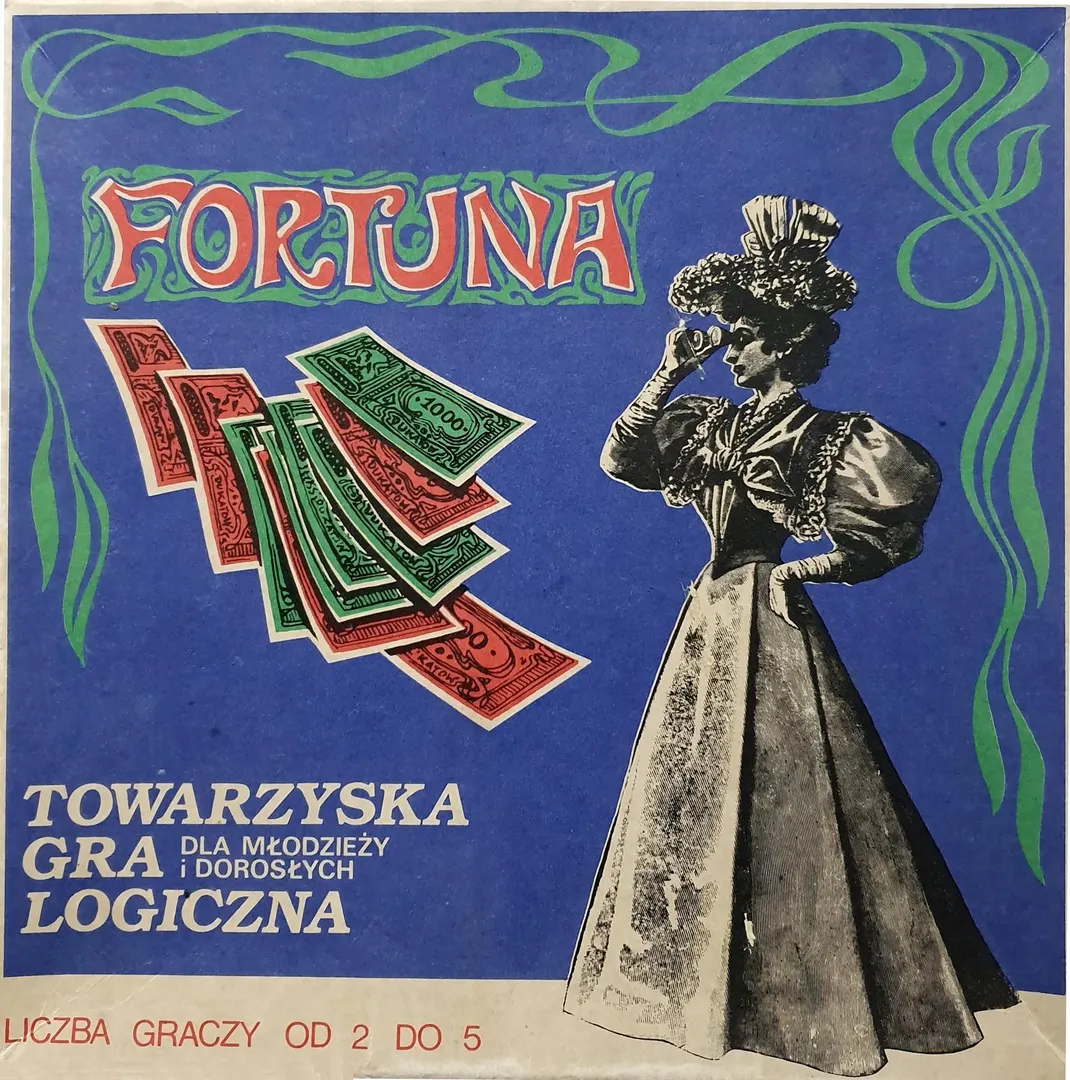
2–5 players120 min1984

2–6 players60 min1991

2–6 players120 min2000
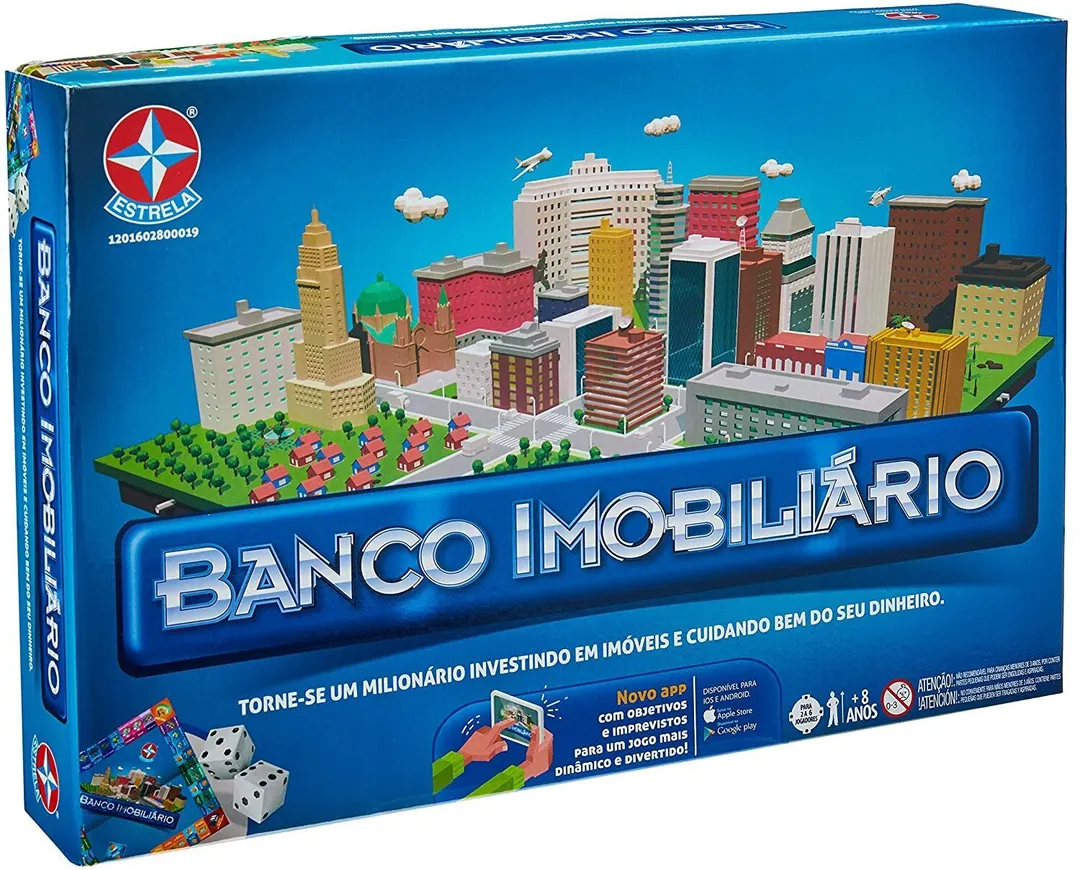
2–6 players120 min2020

2–4 players2020
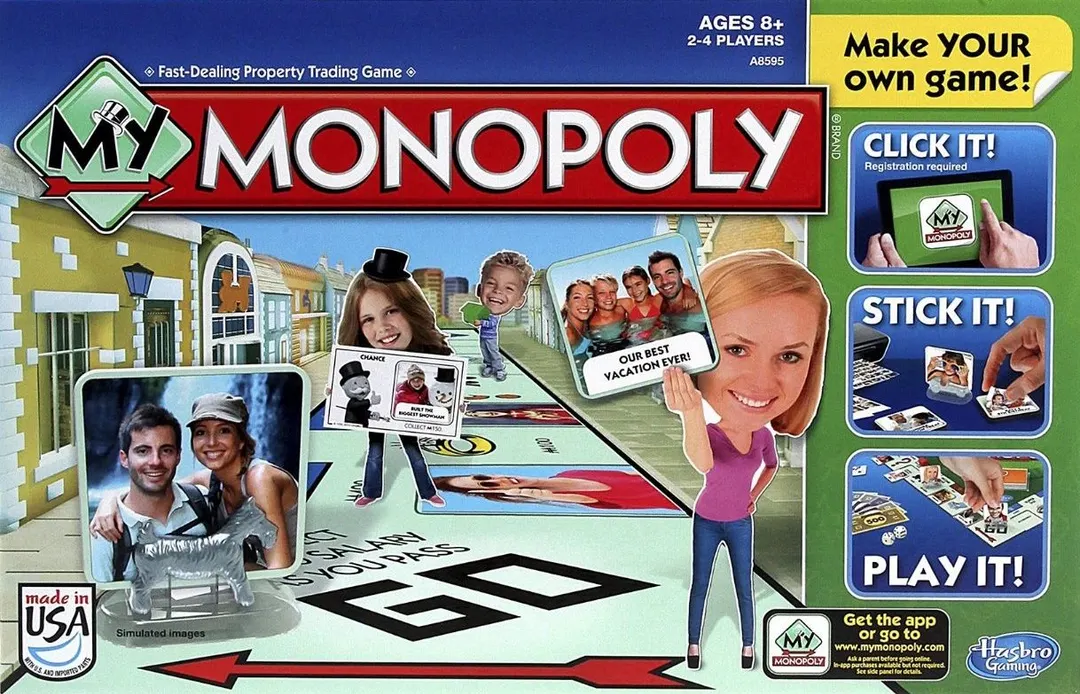
2–4 players180 min2014

2–6 players100 min2012

2–6 players180 min2005

2–10 players30 min1985
2–10 players180 min1995

2–6 players120 min1994
Theme Players take the part of land owners, attempting to buy and then develop their land. Income is gained by other players visiting their properties and money is spent when they visit properties belonging to other players. When times get tough, players may have to mortgage their properties to raise cash for fines, taxes and other misfortunes. Gameplay On their turn, a player rolls two dice and moves that number of spaces around the board. If the player lands on an as-yet-unowned property, they has the opportunity to buy it or auction it to the highest bidder. If a player owns all the spaces within a color group, they may then build houses and hotels on these spaces, generating even more income from opponents who land there. If they lands on a property owned by another player, they must pay that player rent according to the value of the land and any buildings on it. There are other places on the board which can not be bought, but instead require the player to draw a card and perform the action on the card, pay taxes, collect income, or even go to jail. Goal The goal of the game is to be the last player remaining with any money. (though some editions end the game when the first player goes bankrupt) Cultural impact on rules Monopoly is unusual in that the game has official, printed rules, but most players learn how to play from others, never actually learning the correct way to play. This has led to the canonization of a number of house rules that make the game more palatable to children (and sore losers) but harm the gameplay by preventing players from going bankrupt or slowing down the rate of property acquisition. One common house rule has players put any money paid to the bank in the center of the board, which jackpot a player may earn by landing on Free Parking. This prevents the game from removing money from play, and since players collect $200 each time they pass Go, this results in ever-increasing bankrolls and players surviving rents that should have bankrupted them. Another house rule allows players to take "loans" from the bank instead of going bankrupt, which means the game will never end. Some house rules arise out of ignorance rather than attempts to improve the game. For instance, many players don't know that properties landed on but left unbought go up for auction, and even some that know to auction don't know that the bidding starts at $1, meaning a player may pay well below the listed price for an auctioned property.
Measured on: Brohm/Parker-Spiele German edition (1960s)
Use the rules assistant for Monopoly to describe a turn, card effect or disputed situation. Get a plain-language explanation with official source references, then return to the question in your saved history. Select your edition when available so the sources match your game.
Ask about the rulesMonopoly supports 2–8 players according to the catalogue. This range comes from the publisher’s listed player count, so the game can be set up for any group size within it. Some setups, rules and scoring details may still vary by player count, so check your edition’s rulebook for the exact configuration.
The listed playing time for Monopoly is 60–180 minutes. This is the publisher’s estimate for a full game. The actual duration depends on the group, the player count and familiarity with the rules: first sessions usually run longer, while experienced groups often finish faster. Setup and teaching time are not included in this estimate.
The catalogue lists Monopoly for ages 8 and up. This is the publisher’s recommendation and reflects reading demands, rule complexity and small components rather than theme alone. Younger players can often join with help from an adult, so check the age guidance on your edition and consider your group’s experience with board games.
Monopoly has a complexity rating of 1.6 out of 5 from BoardGameGeek players, which makes it a light game. The rating reflects how much rules knowledge, planning and decision-making a typical game demands. Expect a longer first teach for heavier games, and use a preparation guide before game night.
Monopoly belongs to these categories: Economic. Its main mechanics are Set Collection, Trading, and Auction / Bidding. Categories describe the theme and setting of a game, while mechanics describe what players actually do on their turns. Each mechanic links to a catalogue hub with similar games, which helps when you want something comparable.
The credited designers of Monopoly are: Charles Darrow and Elizabeth J. Magie (Phillips). These credits come from the published game data and name the people responsible for the game’s design, not its illustrators or publishers. Designer pages on MeepleRules collect other titles by the same designers, which helps when you enjoy a game and want to find similar ones.
The catalogue lists Monopoly as a base game. It can be played on its own with the components in the box and does not require any other title. Expansions, if any exist, add new content or rules on top of it and are listed separately in the catalogue with a link back to this base game.