
- BGG rating
- 7.3
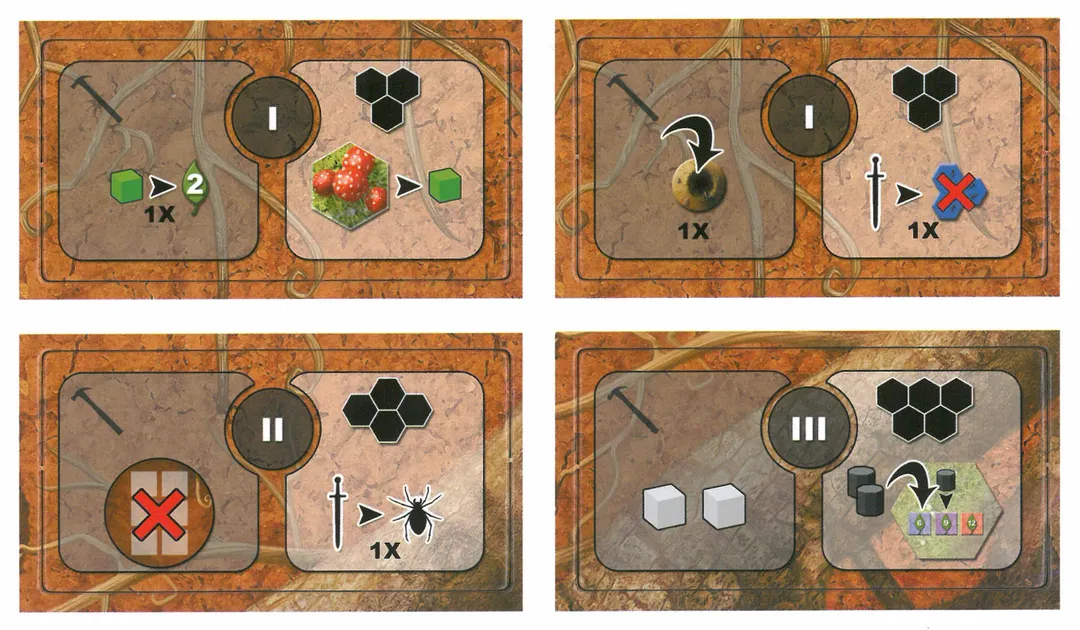
Myrmes: Colony Tiles
- 2–4 players
- 90 min
- Complexity 3.6/5
- 2013
2012
Rules assistance for Myrmes
Plain-language explanations of turns, card effects and disputed situations, with official source references and saved question history.
For 2 players
What would you like to know?
Answers come from the official rulebook, with the page to check.
Myrmes is a board game released in 2012 for 2–4 players, 60–120 minutes per game, and ages 13 and up. It was designed by Yoann Levet and its main mechanics are Grid Movement, Network and Route Building, and Hexagon Grid.
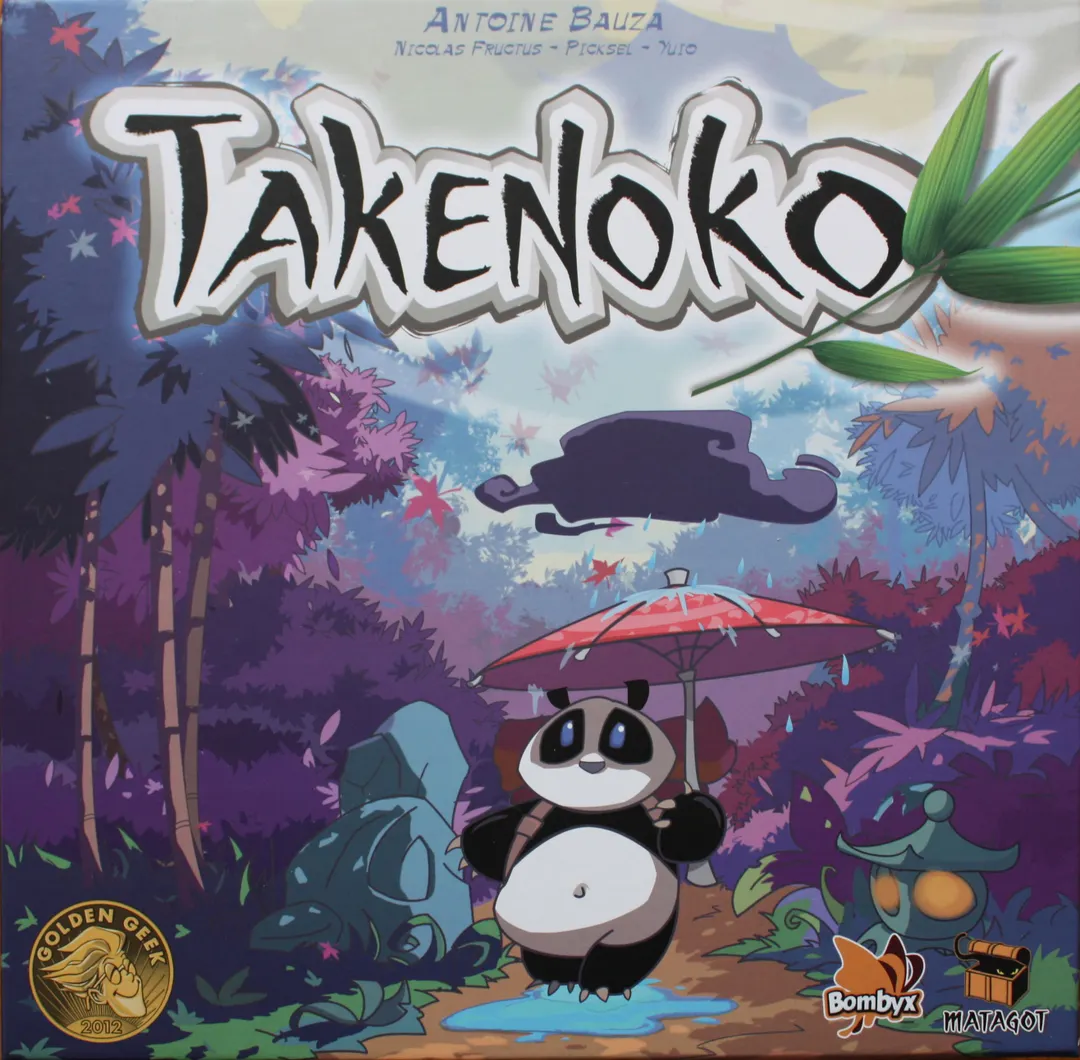


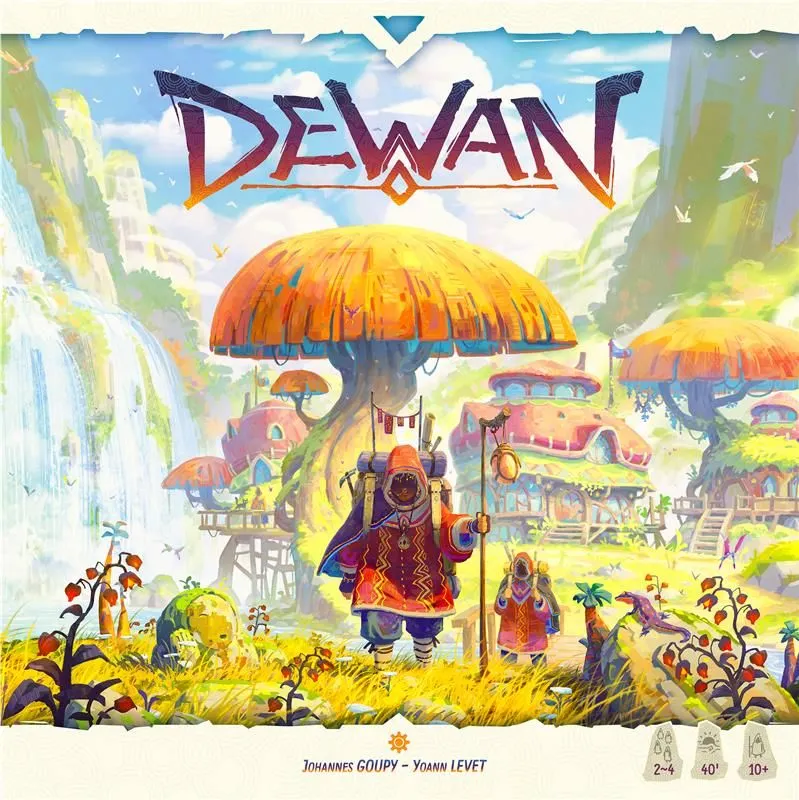

In Myrmes, originally shown under the name ANTerpryse, players control ant colonies and use their ants to explore the land (leaving pheromones in their wake); harvest "crops" like stone, earth and aphids; fight with other ants; complete requests from the Queen; birth new ants; and otherwise dominate their tiny patch of dirt, all in a quest to score points and prove that they belong at the top of the heap, er, anthill. After three seasons of scrabbling and foraging, each ant colony faces a harsh winter that will test its colonial strength. In game terms, each player has an individual game board to track what's going on inside his colony – that is, whether the nurses are tending to larvae or doing other things, where the larvae are in their growth process, what resources the colony has, which actions are available to workers when they leave the colony, and so on. The shared game board shows the landscape outside the exit tunnel that all colonies share; after exiting this tunnel, workers ants can move over the terrain to place pheromones (which gives them access to resource cubes), clean up empty pheromones (to make space), hunt prey (by discarding soldiers) or place special tiles (but only if they've developed the ant colony). The game lasts three years, and at the start of each year three season dice are rolled to determine the event for each season: extra larvae or soldiers, more VPs for actions, and so on. Within each season, players can spend larvae to adjust the event for themselves on their personal player board. (Put the kids to work!) After adjusting the event, player allocate nurses to birth larvae, worker or soldier ants or to use them for other actions. The worker ants then do their thing, working within the colony itself (although only one colony level is open initially) or traveling to the outside world to hunt prey (ladybugs, termites, spiders), lay down pheromones (which later lets them claim resources on these spaces), place special tiles (like an aphid farm or sub-colony), or clear out pheromones left by ants from any colony. After harvesting, nurses who didn't tend to births then take additional actions, such as opening a new tunnel that only your colony can use, clearing a new level within your colony, or meeting one of the six objectives (capture a certain number of prey, build special tiles, and so on) laid out at the start of the game. After three seasons, players must pay food to get their colony through winter, losing points if they can't. Whoever has the most points after three years wins. All hail our new ant overlords!
Myrmes supports 2–4 players according to the catalogue. This range comes from the publisher’s listed player count, so the game can be set up for any group size within it. Some setups, rules and scoring details may still vary by player count, so check your edition’s rulebook for the exact configuration.
The listed playing time for Myrmes is 60–120 minutes. This is the publisher’s estimate for a full game. The actual duration depends on the group, the player count and familiarity with the rules: first sessions usually run longer, while experienced groups often finish faster. Setup and teaching time are not included in this estimate.
The catalogue lists Myrmes for ages 13 and up. This is the publisher’s recommendation and reflects reading demands, rule complexity and small components rather than theme alone. Younger players can often join with help from an adult, so check the age guidance on your edition and consider your group’s experience with board games.
Myrmes has a complexity rating of 3.5 out of 5 from BoardGameGeek players, which makes it a medium-weight game. The rating reflects how much rules knowledge, planning and decision-making a typical game demands. Expect a longer first teach for heavier games, and use a preparation guide before game night.
Myrmes belongs to these categories: Animals, Farming, and Environmental. Its main mechanics are Grid Movement, Network and Route Building, and Hexagon Grid. Categories describe the theme and setting of a game, while mechanics describe what players actually do on their turns. Each mechanic links to a catalogue hub with similar games, which helps when you want something comparable.
The credited designers of Myrmes are: Yoann Levet. These credits come from the published game data and name the people responsible for the game’s design, not its illustrators or publishers. Designer pages on MeepleRules collect other titles by the same designers, which helps when you enjoy a game and want to find similar ones.
The catalogue lists Myrmes as a base game. It can be played on its own with the components in the box and does not require any other title. Expansions, if any exist, add new content or rules on top of it and are listed separately in the catalogue with a link back to this base game.