
- BGG rank
- BGG #6,581
- BGG rating
- 8.2
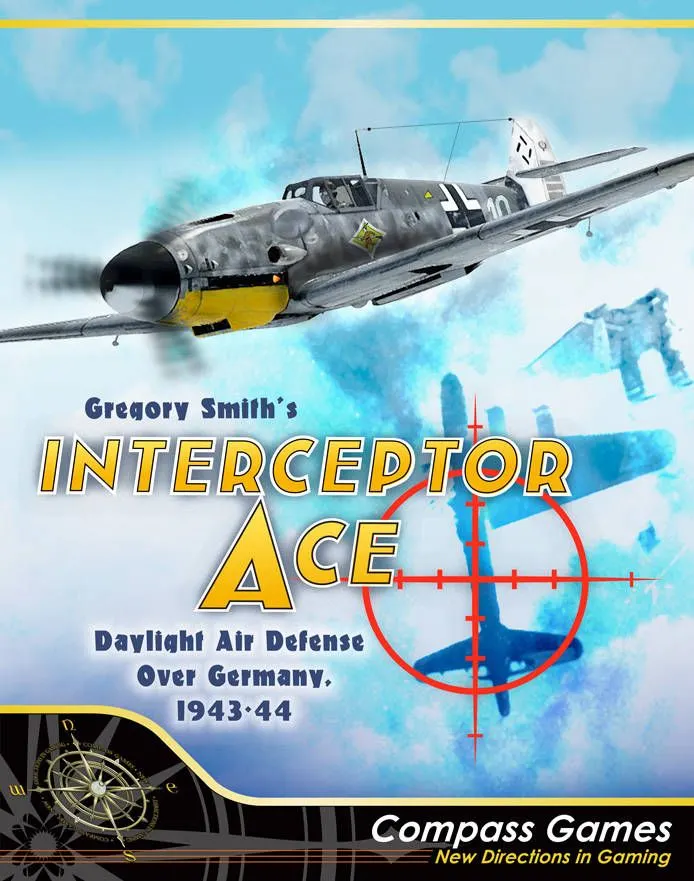
Interceptor Ace: Daylight Air Defense Over Germany, 1943-44
- 1 player
- 120–180 min
- Complexity 2.5/5
- 2019
2018
Rules assistance for Nightfighter Ace: Air Defense Over Germany, 1943-44
Plain-language explanations of turns, card effects and disputed situations, with official source references and saved question history.
For 1 player
What would you like to know?
Answers come from the official rulebook, with the page to check.
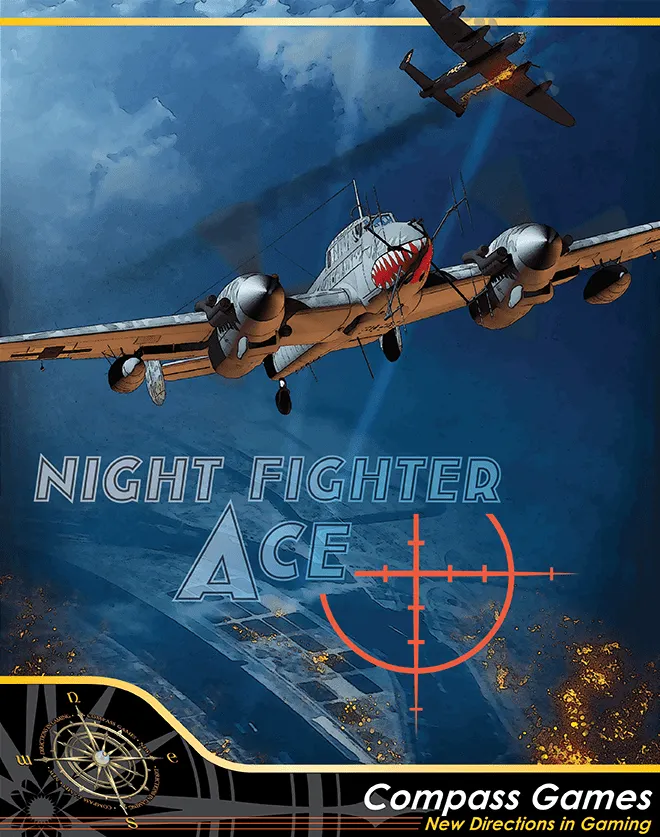
Nightfighter Ace: Air Defense Over Germany, 1943-44 is a board game released in 2018 for 1–2 players and 120–180 minutes per game. It was designed by Gregory M. Smith and Joe Gandara and its main mechanics are Dice Rolling, Simulation, and Solo / Solitaire Game.
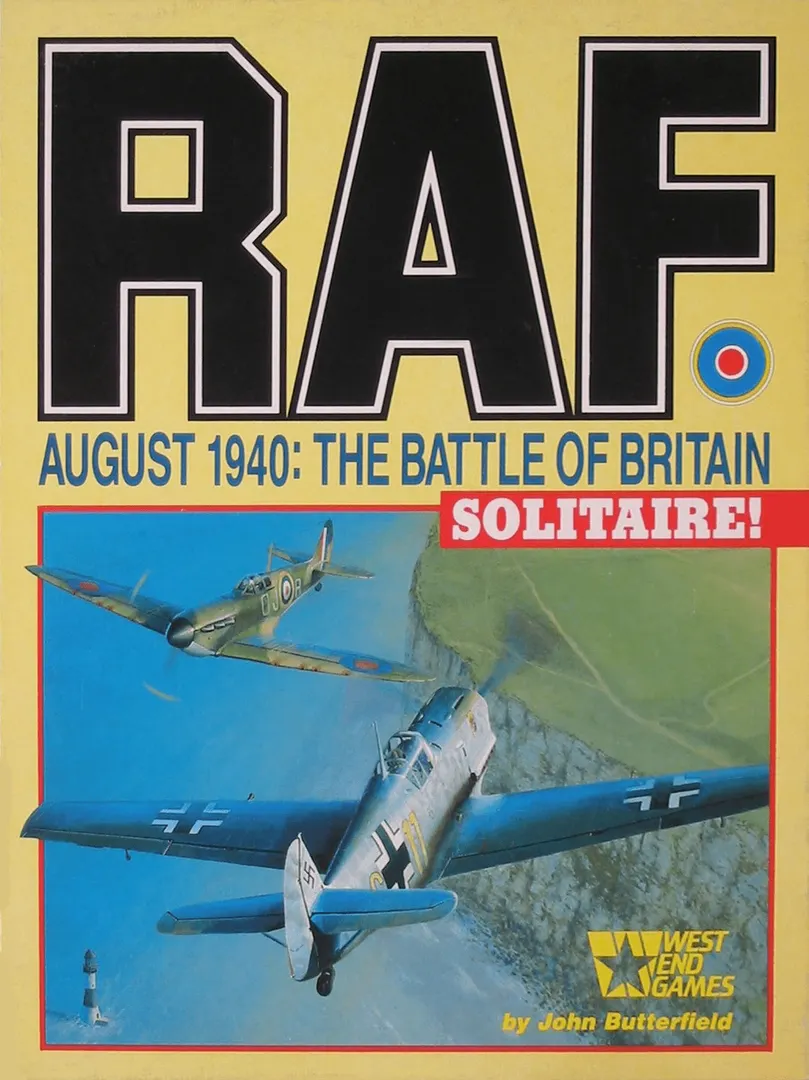

Nightfighter Ace, Air Defense Over Germany, 1943-44 is a solitaire, tactical level game which places you in command of a German Nightfighter during World War II. Each turn consists of several days, during which a combat mission will be flown from one of many bases in Europe, attempting to intercept incoming British Bombers. Nightfighter Ace is based on the popular, action-packed Hunters game system by Gregory M. Smith with a strong narrative around the pilot as you look to increase your prestige, earn skills, and rise in rank through promotion and receive awards. The objective of the game is to conduct numerous sorties in the role of a German Nightfighter pilot and rack up kills. Pilots may use the experience gained to improve their odds of success by purchasing skills. As their prestige increases, they may request a transfer to other nightfighter bases in an attempt to get "closer to the action" or request a newer type of nightfighter. Awards and ace status help to narrate the player's eventual goal – to become the top nightfighter ace of the war. The system is packed with rich technical detail but without the complexity to capture the key historical facets of the night bombing campaign over Germany. In terms of nightfighters alone, there are 32 nightfighter models available to pilot. The families of nightfighters include: Bf110 (10 aircraft) Ju88 (5 aircraft) Do 215/217 (6 aircraft) He219 (10 aircraft) Ta154 (1 aircraft) For each nightfighter, you will be tracking the date of availability, speed, area of operations based on originating base, individual weapon systems, electronic systems, damage, and crew status. Nightfighters can be assigned to one of seven possible major geographic base “groups” as follows: Dutch: Melsbroek, Schipol, Deelen, St. Trond, Twenthe, Leeuwarden, Venlo, Gilze-Rijen Bremen: Vechta, Schleswig-Holstein, Stade, Grove French: Florennes, Dijon, Juvincourt Berlin: Stendal, Parchim, Werneuchen Munich: Schleissheim, Neubiberg Műnster: Műnster Frankfurt: Mainz, Rhein-Main Besides the focus on hardware, the soft aspects of the war are also faithfully rendered for each pilot and crew. For example, air crew is characterized by various major and minor skills, including numerous Pilot skills, Funker (Radio Operator) skills, Bordmech. (Flight Engineer) skills, Bordschuetze (Rear Gunner) skills, and Prestige Level. The emphasis on various skills and benefits to gaining experience creates even a stronger narrative when compared to the Hunters game system, which helps weave a tense and dramatic narrative during play. One major change in Nightfighter Ace over Hunters is the ability to choose your crew improvements instead of randomly rolling for them. As these greatly impact on your combat capability (and survival), it is a major decision you must make. Game play moves quickly, following a set sequence of events that are repeated until the end of the game. Once you have your initial pilot and crew along with your nightfighter assignment, play proceeds by checking for incoming raid information while checking for weather prior to take off (as the sortie may be cancelled). One must also check for random electronic failure. Following successful take off, play proceeds by flying to the area you expect to intercept the British bombers. One is not immune to Spoof raids, in which case German ground control is deceived, causing you to burn precious time and fuel flying the wrong direction. As location boxes are entered, you will roll for possible intercept in which combat may ensue. Combat may consist of numerous rounds after which returning to base and landing operations occurs, with the weather playing a factor again as part of the landing procedure. When the mission is completed, you will ascertain any awards, Prestige points, or Experience points gained prior to you next sortie. Here you can also spend Prestige and Experience points if desired to gain skills, request a new nightfighter, or request a change of base. You will repeat this process by going to your next sortie until shot down and killed, or until July 1944 should you make it through unscathed. This game is highly accessible to those familiar with The Hunters or Silent Victory designed by Gregory M. Smith (published by Consim Press). The game system lends itself very well to capturing the tense air defense over Germany. While Nightfighter Ace is designed as a solitaire gaming experience, additional options for play are provided for both multi-player cooperative and competitive gaming sessions. Product Information: Complexity: 6 out of 10 Solitaire Suitability: 10 out of 10 Time Scale: 3-4 days per Turn Map Scale: Abstract Unit Scale: individual aircraft, individual weapon systems, individual electronic systems, specific crew members, and ammo rounds Players: one (with option for two or more) Playing Time: two to three hours Components: One Countersheet of 9/16″ unit-counters Sixteen Aircraft Display Mats 8.5″ x 11″ (double-sided, 32 total) Four Player Aid Cards 8.5″ x 11″ One Combat Display Mat 8.5″ x 11″ One Bomber Target Mat 8.5″ x 11″ One Pilot Awards Display Mat 8.5″ x 11″ One Air Operations Display Mat 11” x 17” Forty Ace Pilot Cards Sixty Combat Cards Rules Booklet featuring extensive Historical Background One Logsheet 8.5” x 11” Two 6-sided and one 10-sided die Box and Lid —description from the publisher
Nightfighter Ace: Air Defense Over Germany, 1943-44 supports 1–2 players according to the catalogue. This range comes from the publisher’s listed player count, so the game can be set up for any group size within it. Some setups, rules and scoring details may still vary by player count, so check your edition’s rulebook for the exact configuration.
The listed playing time for Nightfighter Ace: Air Defense Over Germany, 1943-44 is 120–180 minutes. This is the publisher’s estimate for a full game. The actual duration depends on the group, the player count and familiarity with the rules: first sessions usually run longer, while experienced groups often finish faster. Setup and teaching time are not included in this estimate.
Nightfighter Ace: Air Defense Over Germany, 1943-44 has a complexity rating of 2.3 out of 5 from BoardGameGeek players, which makes it a medium-light game. The rating reflects how much rules knowledge, planning and decision-making a typical game demands. Expect a longer first teach for heavier games, and use a preparation guide before game night.
Nightfighter Ace: Air Defense Over Germany, 1943-44 belongs to these categories: Wargame, World War II, and Aviation / Flight. Its main mechanics are Dice Rolling, Simulation, and Solo / Solitaire Game. Categories describe the theme and setting of a game, while mechanics describe what players actually do on their turns. Each mechanic links to a catalogue hub with similar games, which helps when you want something comparable.
The credited designers of Nightfighter Ace: Air Defense Over Germany, 1943-44 are: Gregory M. Smith and Joe Gandara. These credits come from the published game data and name the people responsible for the game’s design, not its illustrators or publishers. Designer pages on MeepleRules collect other titles by the same designers, which helps when you enjoy a game and want to find similar ones.
The catalogue lists Nightfighter Ace: Air Defense Over Germany, 1943-44 as a base game. It can be played on its own with the components in the box and does not require any other title. Expansions, if any exist, add new content or rules on top of it and are listed separately in the catalogue with a link back to this base game.