

- BGG rank
- BGG #22,101
- BGG rating
- 5.7
VisualEyes
- 2–8 players
- 30 min
- Complexity 1.4/5
- 2003
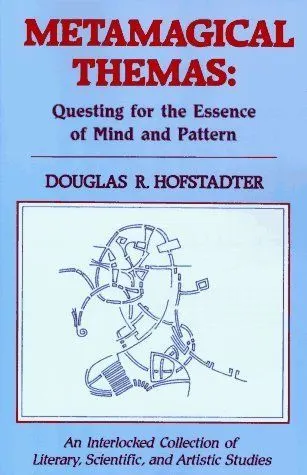
1982
Rules assistance for Nomic
Plain-language explanations of turns, card effects and disputed situations, with official source references and saved question history.
For 2 players
What would you like to know?
Answers come from the official rulebook, with the page to check.
Nomic is a board game released in 1982 for 2–99 players and 10–360 minutes per game. It was designed by Peter Suber and its main mechanics are Dice Rolling, Paper-and-Pencil, and Voting.

In the words of Nomic's author, Peter Suber: "Nomic is a game in which changing the rules is a move. In that respect it differs from almost every other game. The primary activity of Nomic is proposing changes in the rules, debating the wisdom of changing them in that way, voting on the changes, deciding what can and cannot be done afterwards, and doing it. Even this core of the game, of course, can be changed." Players start off following some "initial rule set", and gameplay occurs in clockwise order, with each player taking a turn. In that turn, they propose a change in rules that all the other players vote on, and then roll a die to determine the number of points they add to their score. If this rule change is passed, it comes into effect at the end of their round. Any rule can be changed with varying degrees of difficulty, including the core rules of the game itself. As such, the gameplay may quickly change. Rules are divided up into two types: mutable and immutable. The main difference between these is that immutable rules must be changed into mutable rules (called transmuting) before they can be modified or removed. Immutable rules also take precedence over mutable ones. A rule change may be: the addition of a new mutable rule an amendment to a mutable rule the repeal of a mutable rule the transmutation of a rule from mutable to immutable or the transmutation of a rule from immutable to mutable The game can be played around a table with written notes, or online through mailing lists or forums. Alternative starting rulesets exist, particularly for online and postal games which don't suit the usual clockwise turn order. Several games have been running online for over a decade.
Nomic supports 2–99 players according to the catalogue. This range comes from the publisher’s listed player count, so the game can be set up for any group size within it. Some setups, rules and scoring details may still vary by player count, so check your edition’s rulebook for the exact configuration.
The listed playing time for Nomic is 10–360 minutes. This is the publisher’s estimate for a full game. The actual duration depends on the group, the player count and familiarity with the rules: first sessions usually run longer, while experienced groups often finish faster. Setup and teaching time are not included in this estimate.
Nomic has a complexity rating of 4.3 out of 5 from BoardGameGeek players, which makes it a heavy game. The rating reflects how much rules knowledge, planning and decision-making a typical game demands. Expect a longer first teach for heavier games, and use a preparation guide before game night.
Nomic belongs to these categories: Negotiation. Its main mechanics are Dice Rolling, Paper-and-Pencil, and Voting. Categories describe the theme and setting of a game, while mechanics describe what players actually do on their turns. Each mechanic links to a catalogue hub with similar games, which helps when you want something comparable.
The credited designers of Nomic are: Peter Suber. These credits come from the published game data and name the people responsible for the game’s design, not its illustrators or publishers. Designer pages on MeepleRules collect other titles by the same designers, which helps when you enjoy a game and want to find similar ones.
The catalogue lists Nomic as a base game. It can be played on its own with the components in the box and does not require any other title. Expansions, if any exist, add new content or rules on top of it and are listed separately in the catalogue with a link back to this base game.