
- BGG rating
- 6.4
Shōgi
- 2 players
- Complexity 3.0/5
- 2013
2008
Rules assistance for Operation Cartwheel
Plain-language explanations of turns, card effects and disputed situations, with official source references and saved question history.
For 2 players
What would you like to know?
Answers come from the official rulebook, with the page to check.
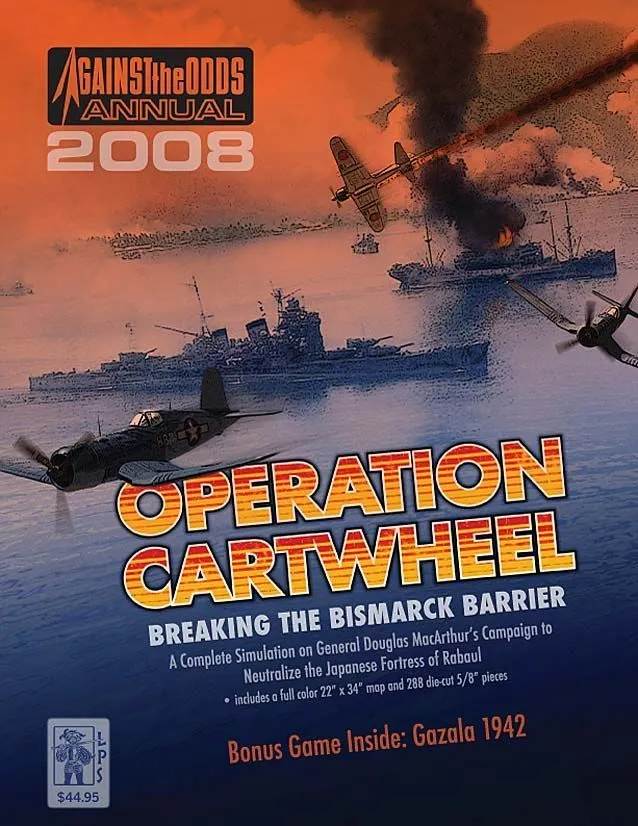
Operation Cartwheel is a board game released in 2008 for 2 players and 120–900 minutes per game. It was designed by Paul Rohrbaugh and its main mechanics are Dice Rolling, Hexagon Grid, and Minimap Resolution.

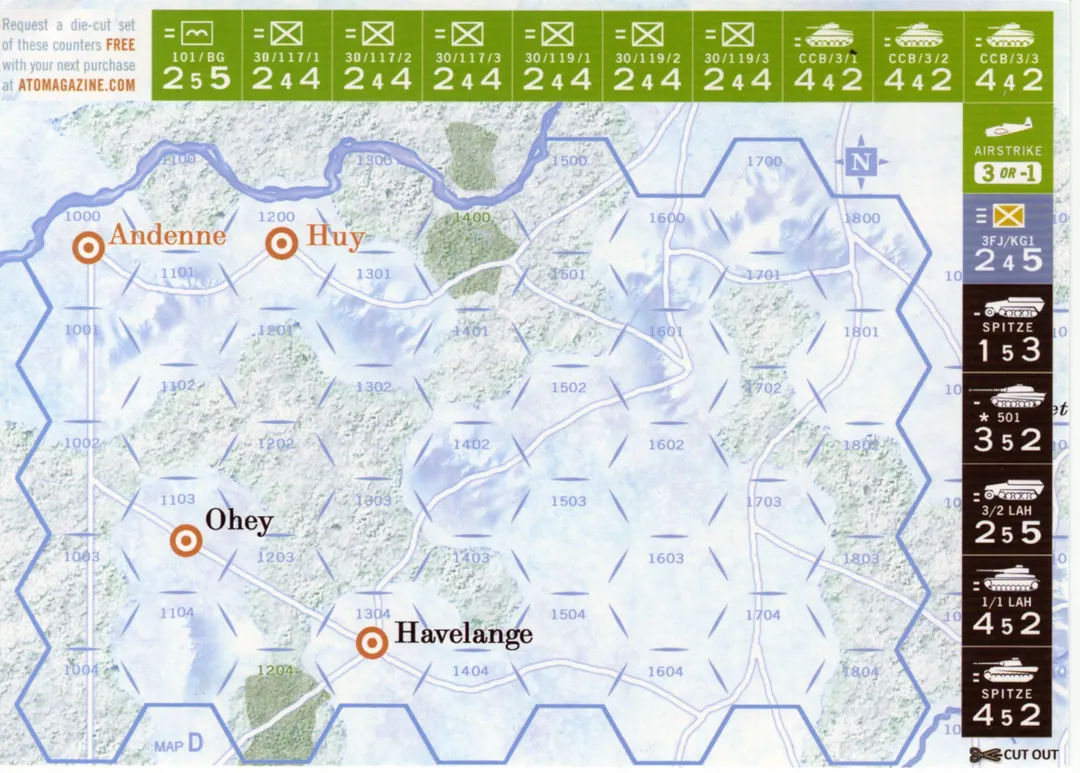


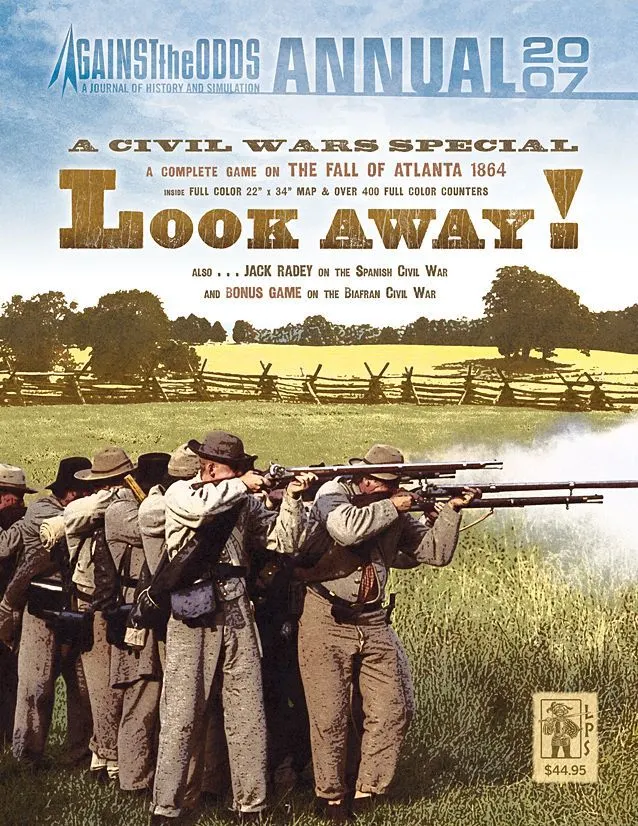


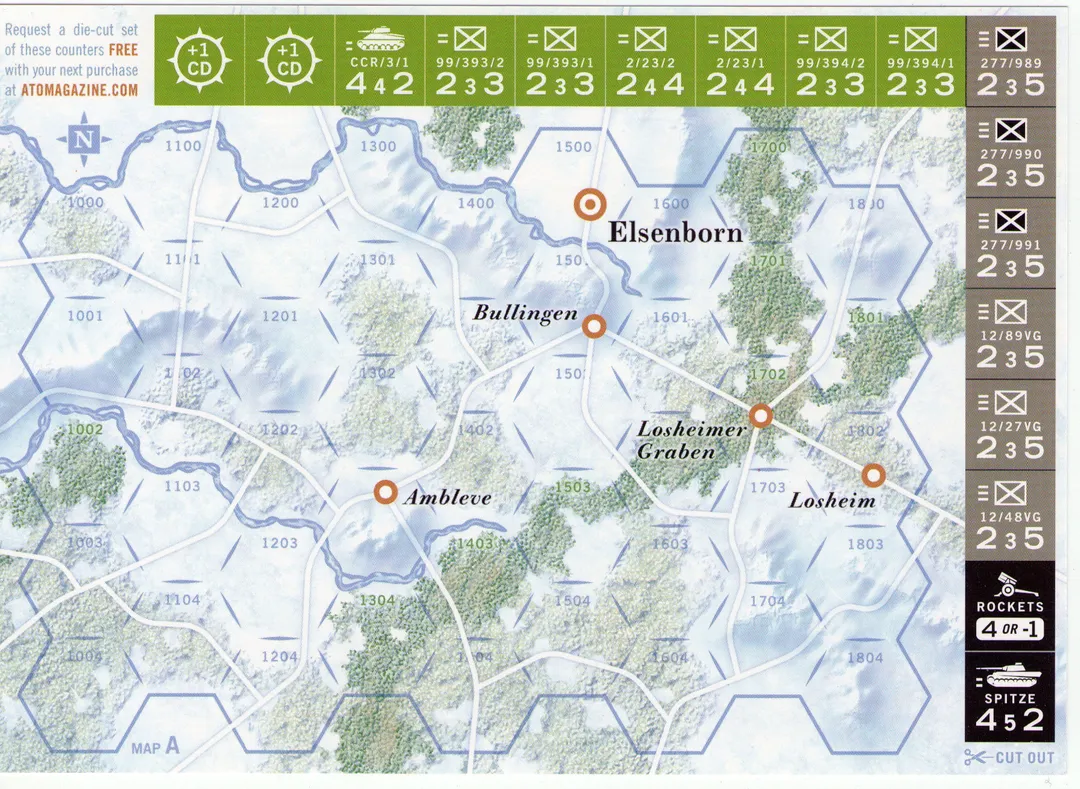
(from ATO website) Operation Cartwheel was a miniaturized version of Allied Grand Strategy in the Pacific—a multi-pronged advance aimed to make it difficult for the Japanese to focus their responses... a jumping from air base to potential-next-airbase. (MacArthur called it, “Advancing the bomber line.”) And, most of all, the novel concept that not every Japanese stronghold needed to be attacked at all. Some 13 different invasions or operations were included, with flexibility for adjusting both timing and target as the situation demanded. In fact, the original goal of Cartwheel (called “Elkton” when first proposed) was the capture of Rabaul. After much discussion in the highest levels (including the Combined Chiefs of Staff, Roosevelt, and Churchill), and overruling MacCarther’s own objections, Cartwheel’s final objectives shifted to the Admiralty Islands, bypassing Rabaul and setting the stage for the invasion of the Philippines. Operation Cartwheel eventually included the Battle of the Bismarck Sea, the death of Yamamoto, Bougainville, multiple parachute drops, a Japanese counter-invasion, and the leap-frogging strategy up New Guinea. It involved the top commanders on both sides, sometimes working in close harmony and sometimes at ends. (The Japanese army and navy had conflicting concepts of how to defend the area and each pursued their own ideas!) With 284 5/8" counters and a 22 x 34 inch map (each hex representing about 100 miles) Operation Cartwheel integrates separate ground, naval, and air games. Logistics is key, as it was at the time, but not a burden in game mechanics. Operation Cartwheel will be published in ATO's 2008 Annual, featuring a “double-length” magazine, with an in-depth look at the history behind the game, plus other articles, and an assortment of replacement/improvement counters from that year’s games.[...] NOW AVAILABLE AGAIN! Game has been OOP for years. ATO has a “game only” (no magazine) version for sale. Maps - One full color 22"x34" mapsheet Counters - 284 full color die-cut 5/8" pieces Rulebook length - 16 pages Charts & tables - 4 pages Complexity - Medium Solitaire Suitability - Average Playing Time - 2 to 3 hours for the smaller scenarios, up to 12 to 15 hours for the full campaign game
Operation Cartwheel supports 2 players according to the catalogue. This is the publisher’s listed player count, so the game is designed for exactly that number of participants. Variants for other group sizes, if any, are described in the rulebook of your edition, so check it before setting up a different configuration.
The listed playing time for Operation Cartwheel is 120–900 minutes. This is the publisher’s estimate for a full game. The actual duration depends on the group, the player count and familiarity with the rules: first sessions usually run longer, while experienced groups often finish faster. Setup and teaching time are not included in this estimate.
Operation Cartwheel has a complexity rating of 2.9 out of 5 from BoardGameGeek players, which makes it a medium-light game. The rating reflects how much rules knowledge, planning and decision-making a typical game demands. Expect a longer first teach for heavier games, and use a preparation guide before game night.
Operation Cartwheel belongs to these categories: Wargame, World War II, and Aviation / Flight. Its main mechanics are Dice Rolling, Hexagon Grid, and Minimap Resolution. Categories describe the theme and setting of a game, while mechanics describe what players actually do on their turns. Each mechanic links to a catalogue hub with similar games, which helps when you want something comparable.
The credited designers of Operation Cartwheel are: Paul Rohrbaugh. These credits come from the published game data and name the people responsible for the game’s design, not its illustrators or publishers. Designer pages on MeepleRules collect other titles by the same designers, which helps when you enjoy a game and want to find similar ones.
The catalogue lists Operation Cartwheel as a base game. It can be played on its own with the components in the box and does not require any other title. Expansions, if any exist, add new content or rules on top of it and are listed separately in the catalogue with a link back to this base game.