
- BGG rank
- BGG #720
- BGG rating
- 7.5
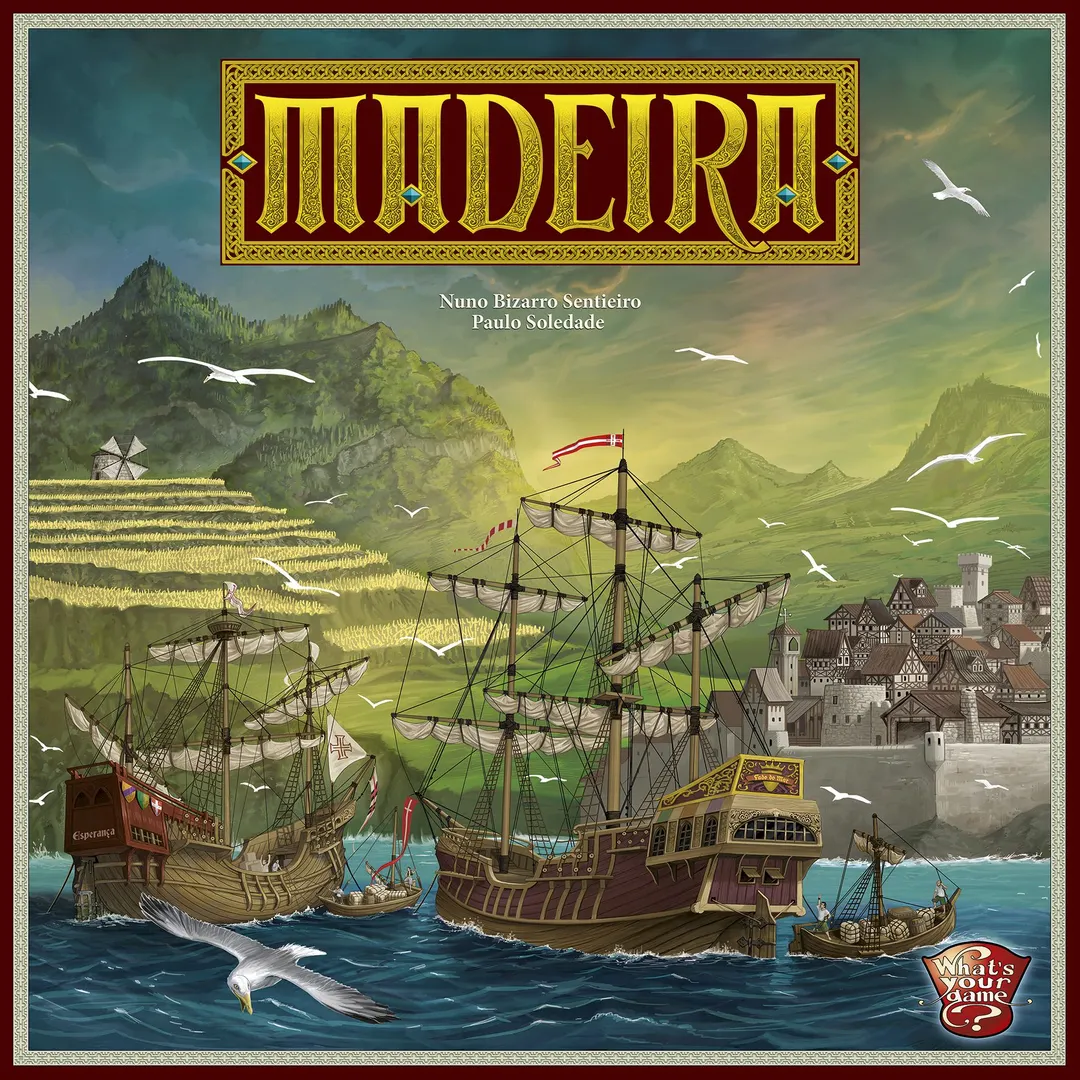
Madeira
- 2–4 players
- 60–150 min
- Complexity 4.3/5
- 2013
2014
Rules assistance for Panamax
Plain-language explanations of turns, card effects and disputed situations, with official source references and saved question history.
For 2 players
What would you like to know?
Answers come from the official rulebook, with the page to check.
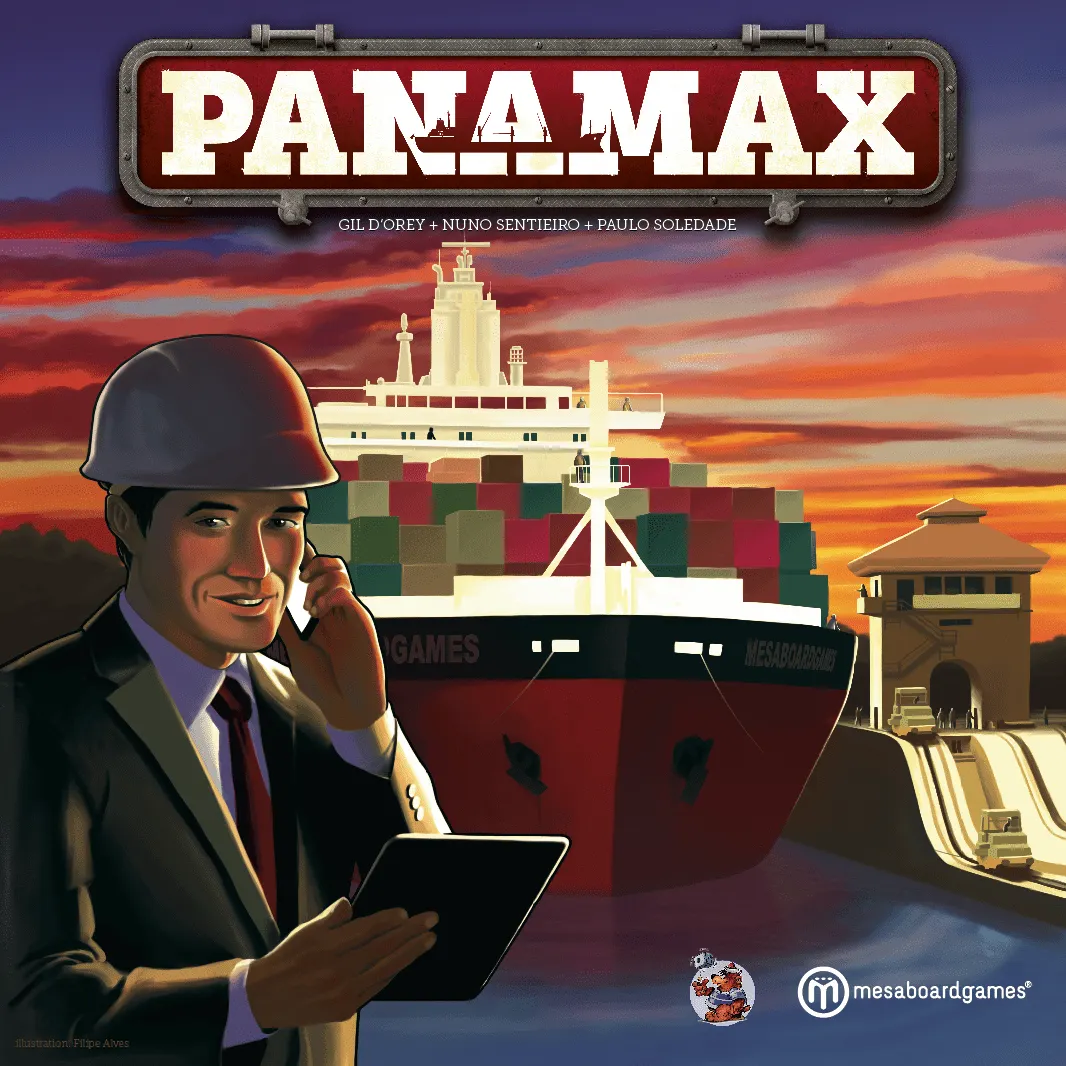
Panamax is a board game released in 2014 for 2–4 players, 90–120 minutes per game, and ages 12 and up. It was designed by Gil d'Orey, Paulo Soledade, and Nuno Bizarro Sentieiro and its main mechanics are Dice Rolling, Point to Point Movement, and Area Majority / Influence.






After one hundred years in service, the Panama Canal still is one of the most important and impressive engineering achievements in modern times. Built in 1914, it held a prominent role in the deployment of military vessels during WWI and in the conflicts that have followed. Nowadays commercial usage is the core business of the Canal; its economic impact is profound and has not only developed the region, but in fact helped define shipping throughout the world. In the wake of the Canal’s opening hull designs were influenced accordingly; ships fell into three categories, those that could travel through easily and in groups (Feeder class), massive ocean-going ships too big to enter the Canal (ULCV or Ultra Large Container Vessels), and the new standard—designed to the maximum limits of the Panama Canal. These ships are called PANAMAX. In Panamax each player manages a shipping company established in the Colón Free Trade Zone. Companies accept contracts from both US coasts, China and Europe and deliver cargo in order to make money, attract investment and pay dividends. At the same time the players accumulate their own stock investments and try to make as much money as possible in an effort to have the largest personal fortune and win the game. Panamax features several original mechanisms that blend together; an original dice (action) selection table, pickup-and-deliver along a single bi-directional route, a chain reaction movement system—“pushing” ships to make room throughout the Canal and a level of player interaction that is part self-interest, part mutual advantage and the freedom to choose how you play. On their turn, players remove a die from the Action table to select Contracts and Load Cargo or Move ships until the pool of dice is emptied ending the Round. Over the course of three rounds these actions are blended during the turn to create a logistics network which the players use to ship their cargo, minimize transportation fees and increase the net worth of their Companies. Each Company has a limited amount of Stock that the players can purchase in exchange for investing—receiving a dividend each round. The questions for the players will be which companies are likely to yield higher dividends? There’s more to explore and several ways to win, but we ask that you join us at the table and celebrate the 100th Anniversary of the Panama Canal with a session of Panamax!
Panamax supports 2–4 players according to the catalogue. This range comes from the publisher’s listed player count, so the game can be set up for any group size within it. Some setups, rules and scoring details may still vary by player count, so check your edition’s rulebook for the exact configuration.
The listed playing time for Panamax is 90–120 minutes. This is the publisher’s estimate for a full game. The actual duration depends on the group, the player count and familiarity with the rules: first sessions usually run longer, while experienced groups often finish faster. Setup and teaching time are not included in this estimate.
The catalogue lists Panamax for ages 12 and up. This is the publisher’s recommendation and reflects reading demands, rule complexity and small components rather than theme alone. Younger players can often join with help from an adult, so check the age guidance on your edition and consider your group’s experience with board games.
Panamax has a complexity rating of 3.8 out of 5 from BoardGameGeek players, which makes it a heavy game. The rating reflects how much rules knowledge, planning and decision-making a typical game demands. Expect a longer first teach for heavier games, and use a preparation guide before game night.
Panamax belongs to these categories: Economic, Nautical, and Transportation. Its main mechanics are Dice Rolling, Point to Point Movement, and Area Majority / Influence. Categories describe the theme and setting of a game, while mechanics describe what players actually do on their turns. Each mechanic links to a catalogue hub with similar games, which helps when you want something comparable.
The credited designers of Panamax are: Gil d'Orey, Paulo Soledade, and Nuno Bizarro Sentieiro. These credits come from the published game data and name the people responsible for the game’s design, not its illustrators or publishers. Designer pages on MeepleRules collect other titles by the same designers, which helps when you enjoy a game and want to find similar ones.
The catalogue lists Panamax as a base game. It can be played on its own with the components in the box and does not require any other title. Expansions, if any exist, add new content or rules on top of it and are listed separately in the catalogue with a link back to this base game.