
- BGG rank
- BGG #11,013
- BGG rating
- 7.4
Newtown
- 2 players
- 150 min
- Complexity 2.5/5
- 2013
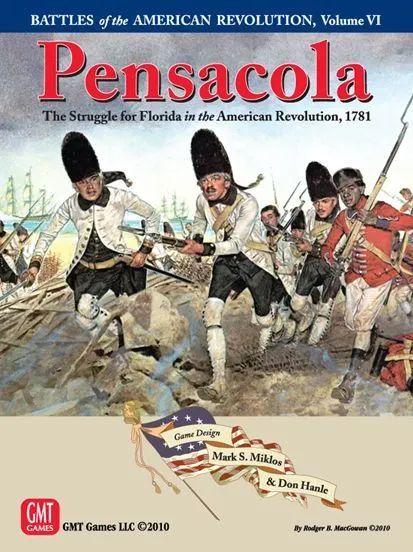
2010
Rules assistance for Pensacola
Plain-language explanations of turns, card effects and disputed situations, with official source references and saved question history.
For 2 players
What would you like to know?
Answers come from the official rulebook, with the page to check.
Pensacola is a board game released in 2010 for 2 players and 360 minutes per game. It was designed by Mark Miklos and Don Hanle and its main mechanics are Hexagon Grid.
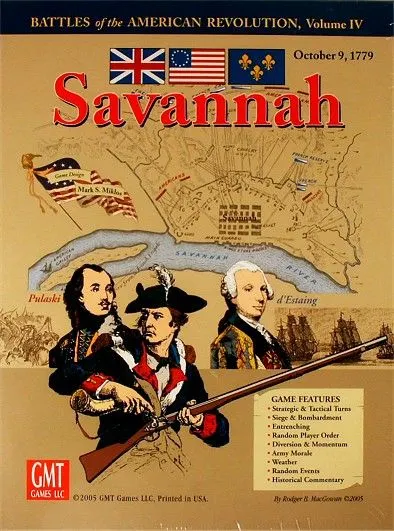
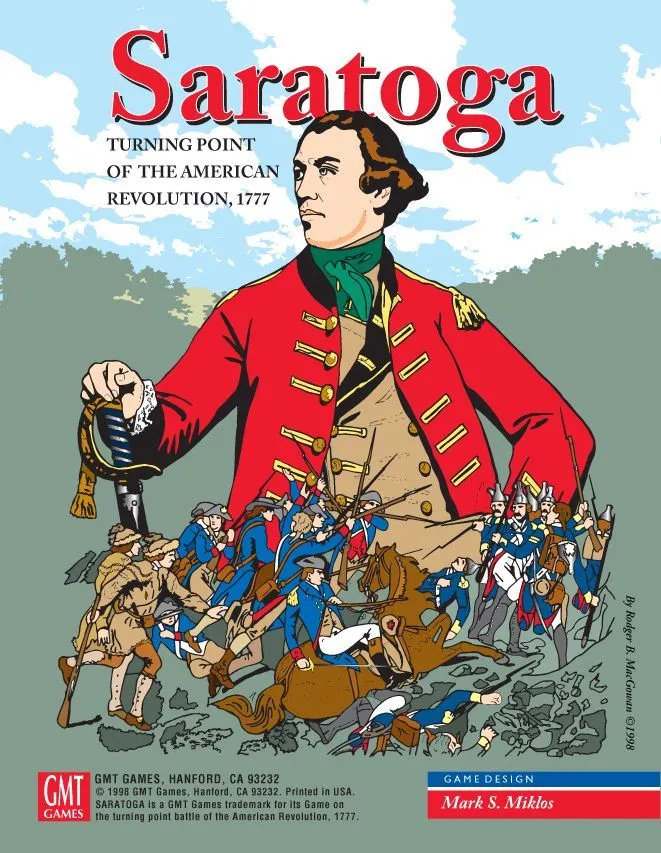
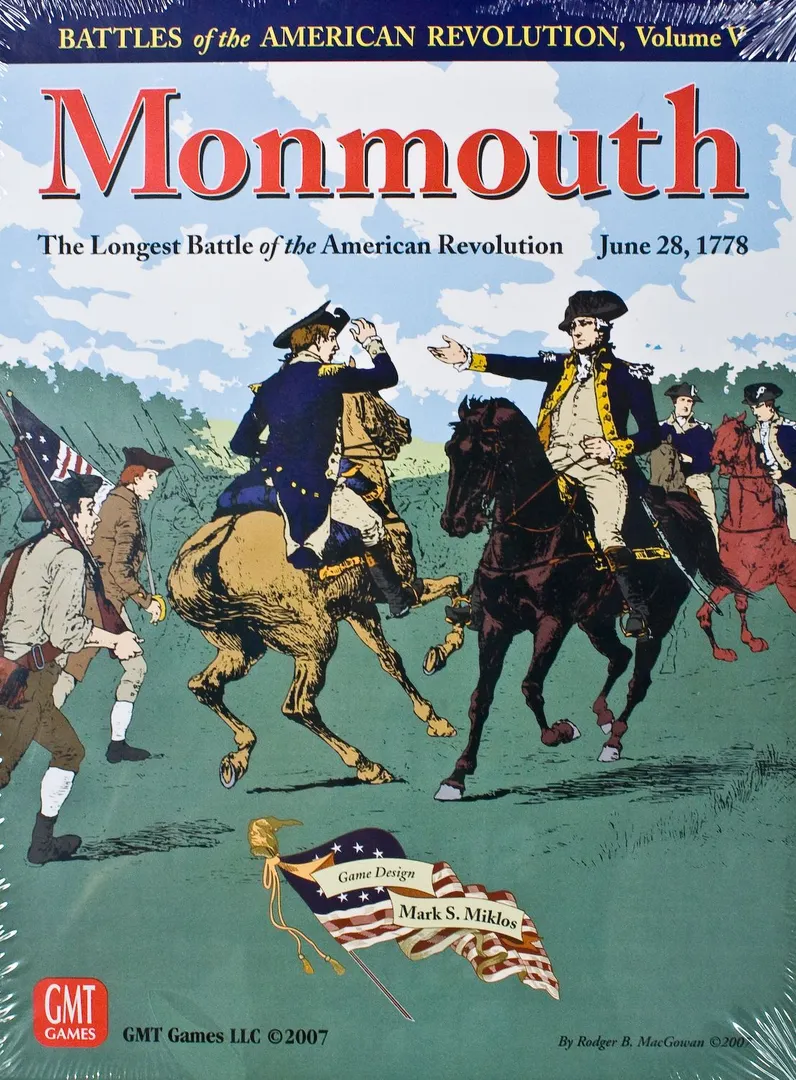
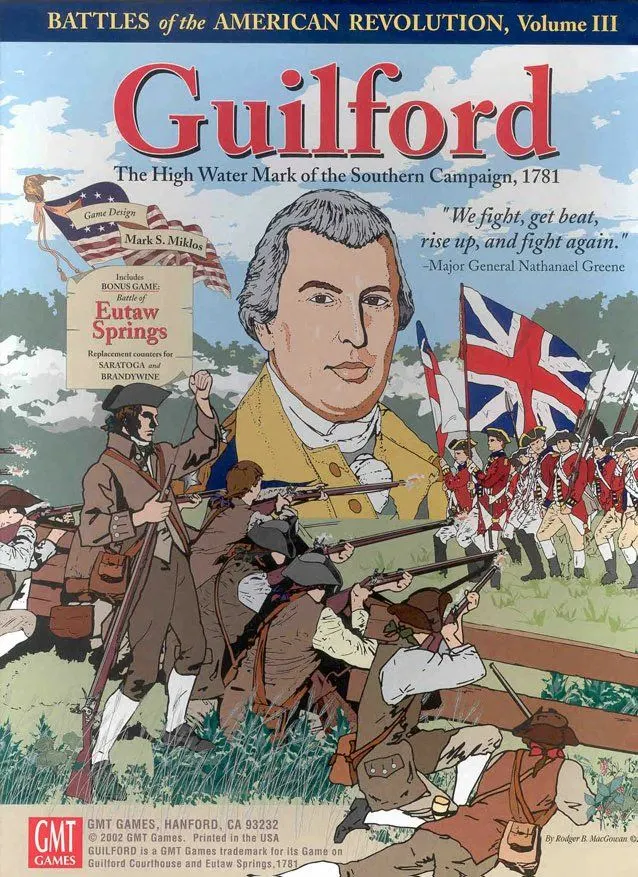
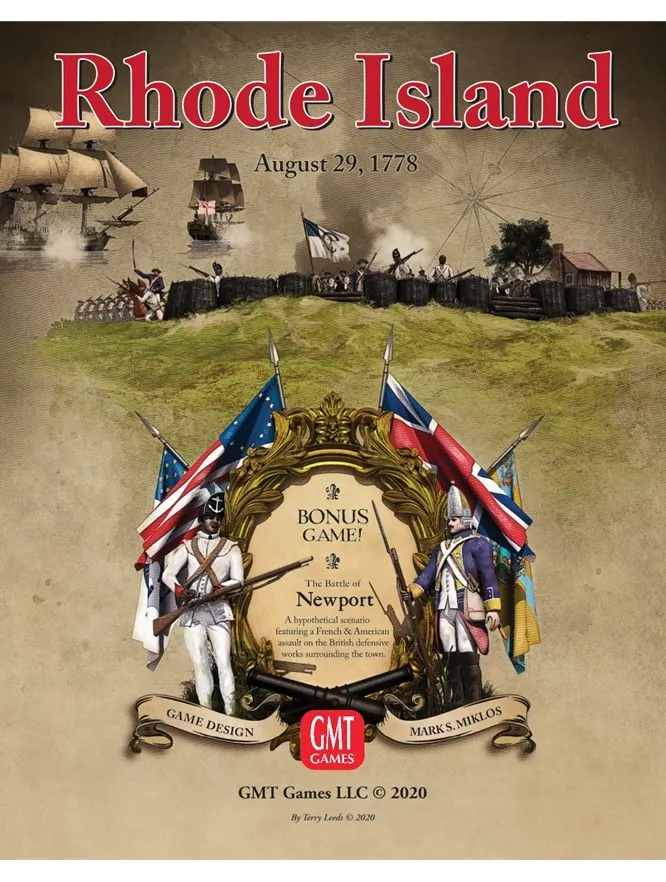
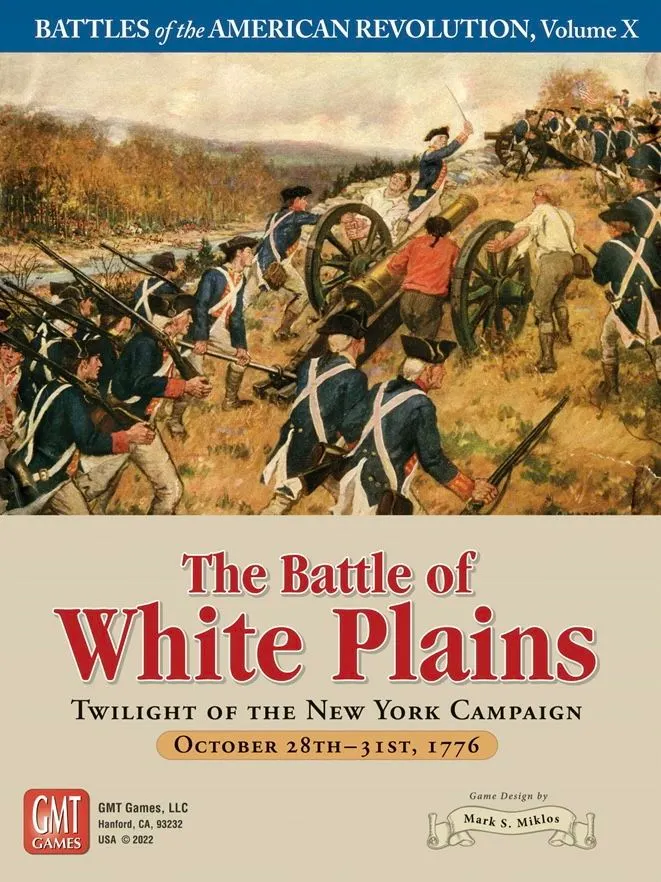
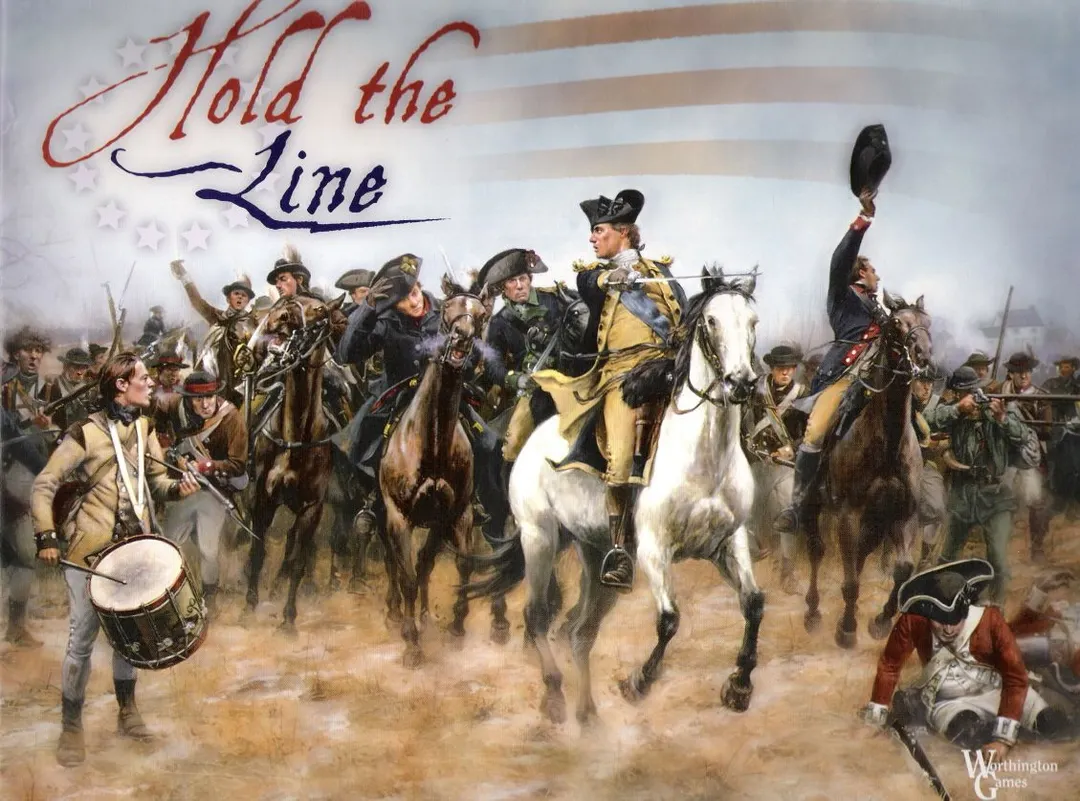
Battles of the American Revolution Series: The Siege of Pensacola pits a numerically large but fragile Spanish army, supported by a small corps of French allies against a smaller, feistier British army enjoying strong fortifications and highly mobile Indian allies. As the Spanish player you will need to determine where you will build your siege gun redoubts and will then have to protect your soldiers from raiding British units to finish the works in time to mount an effective bombardment. As the British player, you have far fewer forces, but armed with special raiding rules, your Regulars, Tories and Indian allies must harass and erode Spanish morale, while delaying the construction of Spanish siege works for as long as possible in the hope of keeping your three forts intact to face the coming coup de main. The game begins with Don Bernardo de Galvez’s army of 5,000 having just landed on the mainland. How many forces actually are present is decided in a special phase during the initial set-up wherein that portion of the Spanish army that sailed from Havana must run the gauntlet of the Red Cliffs Fort guns. Hence, the starting forces for Spain are likely to be different for each game played as units and leaders are eliminated or delayed in their arrival. Once these forces are ashore, the Spanish player faces some hard choices. Does he send forces to take out the Red Cliffs Fort, to protect his turn 7 Spanish and French reinforcements from having to run the same gauntlet, or does the Spanish player immediately begin construction of the siege works, to achieve the longest possible bombardment before the coup de main? The British player is outnumbered, but must employ his small forces in aggressive and often risky raids to slow down siege construction, wear down Spanish morale and worry the Spanish lines of supply. Getting a small force into one of two Spanish stockades can be devastating for the Spanish. Thus, though numerically superior, the Spanish player has much to do and protect, and will often be spread thin by a well-conceived series of raids. Giving the Spanish too many siege turns to bombard your three forts and/or permitting the Spanish to launch the coup de main with high army morale is likely to spell disaster for the British player.
Pensacola supports 2 players according to the catalogue. This is the publisher’s listed player count, so the game is designed for exactly that number of participants. Variants for other group sizes, if any, are described in the rulebook of your edition, so check it before setting up a different configuration.
The listed playing time for Pensacola is 360 minutes. This is the publisher’s estimate for a full game. The actual duration depends on the group, the player count and familiarity with the rules: first sessions usually run longer, while experienced groups often finish faster. Setup and teaching time are not included in this estimate.
Pensacola has a complexity rating of 3.3 out of 5 from BoardGameGeek players, which makes it a medium-weight game. The rating reflects how much rules knowledge, planning and decision-making a typical game demands. Expect a longer first teach for heavier games, and use a preparation guide before game night.
Pensacola belongs to these categories: Wargame, Age of Reason, and American Revolutionary War. Its main mechanics are Hexagon Grid. Categories describe the theme and setting of a game, while mechanics describe what players actually do on their turns. Each mechanic links to a catalogue hub with similar games, which helps when you want something comparable.
The credited designers of Pensacola are: Mark Miklos and Don Hanle. These credits come from the published game data and name the people responsible for the game’s design, not its illustrators or publishers. Designer pages on MeepleRules collect other titles by the same designers, which helps when you enjoy a game and want to find similar ones.
The catalogue lists Pensacola as a base game. It can be played on its own with the components in the box and does not require any other title. Expansions, if any exist, add new content or rules on top of it and are listed separately in the catalogue with a link back to this base game.