
- BGG rank
- BGG #1,893
- BGG rating
- 7.0
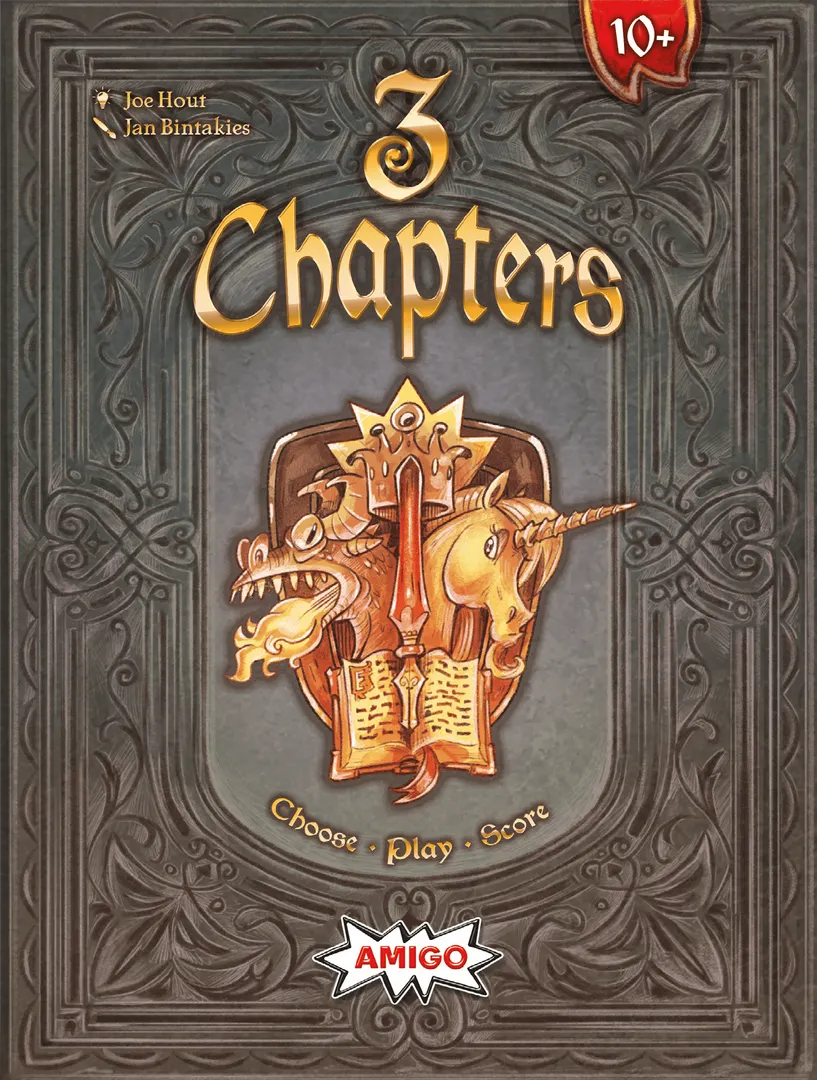
3 Chapters
- 2–6 players
- 30 min
- Complexity 1.7/5
- 2024
1534
Rules assistance for Piquet
Plain-language explanations of turns, card effects and disputed situations, with official source references and saved question history.
For 2 players
What would you like to know?
Answers come from the official rulebook, with the page to check.
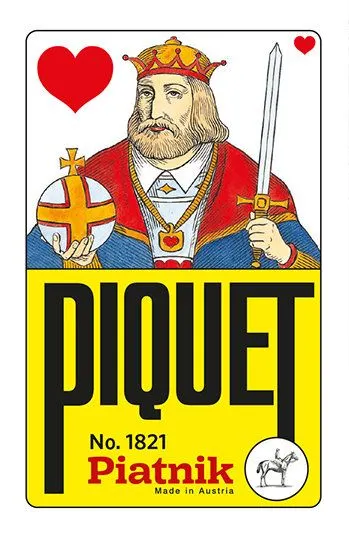
Piquet is a board game released in 1534 for 2 players, 30 minutes per game, and ages 8 and up. Its main mechanics are Set Collection and Trick-taking.



Piquet is a very old trick-taking card game for 2 players, reportedly invented by a M. Piquet during the Court of Charles II. It was well established in a form very similar to that used today in 1650 and remained the most popular game in France for many centuries, similar to Cribbage in the UK. A 32-card deck ranking from ace to seven in the four suits is used (known universally as a "Piquet Deck"). A game consists either of 6 deals called a partie (in the Rubicon version) or to 100 points in the "Cents" version. Each player is dealt 12 cards, with 8 left as a talon. Play consists of three distinct stages: (1) the exchange, (2) the declarations, and (3) trick play. Winning requires skill at all three. In the exchange phase, players may exchange one to five cards with the talon to improve their hand. Each player's discards are visible to them for the remainder of the game. The declaration phase involves revealing melds for points (done in a formalized manner so as to reveal some but not all of one's cards). Declarable combinations include: the most cards of one suit; the longest run in a suit; and sets of the same rank, e.g. 3 kings, 4 aces. The trick phase involves playing out the hand, with no trump. Bonuses include taking most tricks, taking all the tricks, and scoring 30 points before the opponent declares. The small deck combined with the large hands combined with the revealing of each other's cards gives Piquet play a different feel than many card games, somewhat more akin to a board game. Part of the strategy of piquet is about controlling information: skillful players carefully determine what they will exchange and declare in order to keep secrets for another phase of the game, at the cost of points in another phase.
Piquet supports 2 players according to the catalogue. This is the publisher’s listed player count, so the game is designed for exactly that number of participants. Variants for other group sizes, if any, are described in the rulebook of your edition, so check it before setting up a different configuration.
The listed playing time for Piquet is 30 minutes. This is the publisher’s estimate for a full game. The actual duration depends on the group, the player count and familiarity with the rules: first sessions usually run longer, while experienced groups often finish faster. Setup and teaching time are not included in this estimate.
The catalogue lists Piquet for ages 8 and up. This is the publisher’s recommendation and reflects reading demands, rule complexity and small components rather than theme alone. Younger players can often join with help from an adult, so check the age guidance on your edition and consider your group’s experience with board games.
Piquet has a complexity rating of 2.6 out of 5 from BoardGameGeek players, which makes it a medium-light game. The rating reflects how much rules knowledge, planning and decision-making a typical game demands. Expect a longer first teach for heavier games, and use a preparation guide before game night.
Piquet belongs to these categories: Card Game. Its main mechanics are Set Collection and Trick-taking. Categories describe the theme and setting of a game, while mechanics describe what players actually do on their turns. Each mechanic links to a catalogue hub with similar games, which helps when you want something comparable.
The catalogue lists Piquet as a base game. It can be played on its own with the components in the box and does not require any other title. Expansions, if any exist, add new content or rules on top of it and are listed separately in the catalogue with a link back to this base game.