

- BGG rank
- BGG #22,255
- BGG rating
- 6.5
Apocalypse in the East: The Rise of the First Caliphate 646-656 A.D.
- 2 players
- 180–300 min
- Complexity 3.0/5
- 2018
2012
Rules assistance for Poltava's Dread Day: The Great Northern War 1700-1722 AD
Plain-language explanations of turns, card effects and disputed situations, with official source references and saved question history.
For 2 players
What would you like to know?
Answers come from the official rulebook, with the page to check.
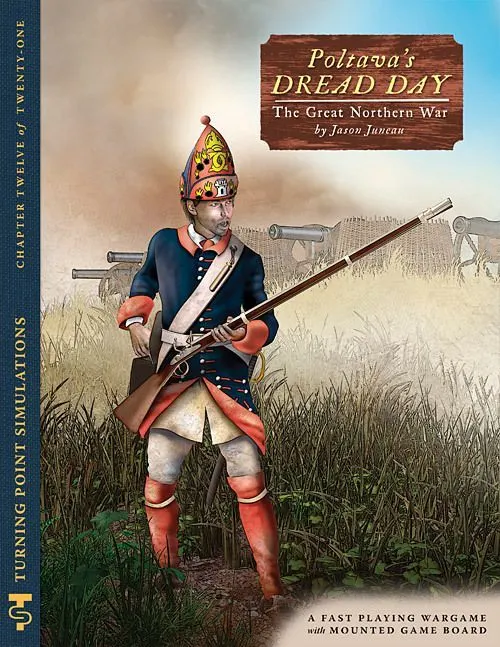
Poltava's Dread Day: The Great Northern War 1700-1722 AD is a board game released in 2012 for 2 players and 120 minutes per game. It was designed by Jason Juneau and its main mechanics are Hexagon Grid.
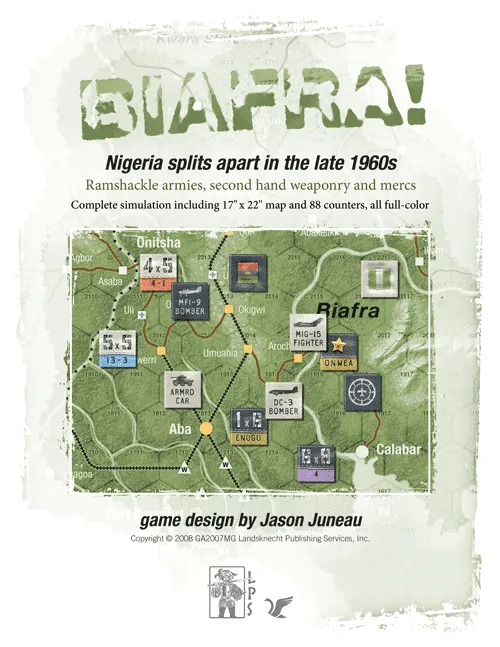



From the publisher's website: Poltava’s Dread Day covers a conflict that lasted nearly a quarter of a century (1700-1722), with two turns plus an administrative phase each year. The Summer turn is when everyone gets to work. The Winter turn is where great commanders take huge risks. All movement is a variable, impacted by leader initiative and a die roll. Sometimes, the troops will move far and fast. Sometimes they won't. The game provides a range of different foot and horse unit types which impact how well they fight, but is unusual in one area—each unit is a single unit (strength of "1"), with no numbers to clutter up the counter. With few exceptions, once lost, units are gone forever...making each battle and each risk of attrition something to consider. Poltava’s Dread Day provides a keen look into a decisive historical situation that few people know very much about. This period saw not only the founding of St. Petersburg but the birth of "modern" Russia. It saw the rise of Prussia, and led to shifts in the balance of power that would have significant effects on the Seven Years War. Part of the TPS, "Decisive Battles" series That means straightforward rules, key insights into the history behind the game, and designs aimed at one-session conclusions and high replay value. Poltava’s Dread Day features randomized elements for everything from reinforcements to diplomacy. No two games will play the same.
Poltava's Dread Day: The Great Northern War 1700-1722 AD supports 2 players according to the catalogue. This is the publisher’s listed player count, so the game is designed for exactly that number of participants. Variants for other group sizes, if any, are described in the rulebook of your edition, so check it before setting up a different configuration.
The listed playing time for Poltava's Dread Day: The Great Northern War 1700-1722 AD is 120 minutes. This is the publisher’s estimate for a full game. The actual duration depends on the group, the player count and familiarity with the rules: first sessions usually run longer, while experienced groups often finish faster. Setup and teaching time are not included in this estimate.
Poltava's Dread Day: The Great Northern War 1700-1722 AD has a complexity rating of 2.2 out of 5 from BoardGameGeek players, which makes it a medium-light game. The rating reflects how much rules knowledge, planning and decision-making a typical game demands. Expect a longer first teach for heavier games, and use a preparation guide before game night.
Poltava's Dread Day: The Great Northern War 1700-1722 AD belongs to these categories: Wargame and Age of Reason. Its main mechanics are Hexagon Grid. Categories describe the theme and setting of a game, while mechanics describe what players actually do on their turns. Each mechanic links to a catalogue hub with similar games, which helps when you want something comparable.
The credited designers of Poltava's Dread Day: The Great Northern War 1700-1722 AD are: Jason Juneau. These credits come from the published game data and name the people responsible for the game’s design, not its illustrators or publishers. Designer pages on MeepleRules collect other titles by the same designers, which helps when you enjoy a game and want to find similar ones.
The catalogue lists Poltava's Dread Day: The Great Northern War 1700-1722 AD as a base game. It can be played on its own with the components in the box and does not require any other title. Expansions, if any exist, add new content or rules on top of it and are listed separately in the catalogue with a link back to this base game.