
- BGG rank
- BGG #3,905
- BGG rating
- 6.9
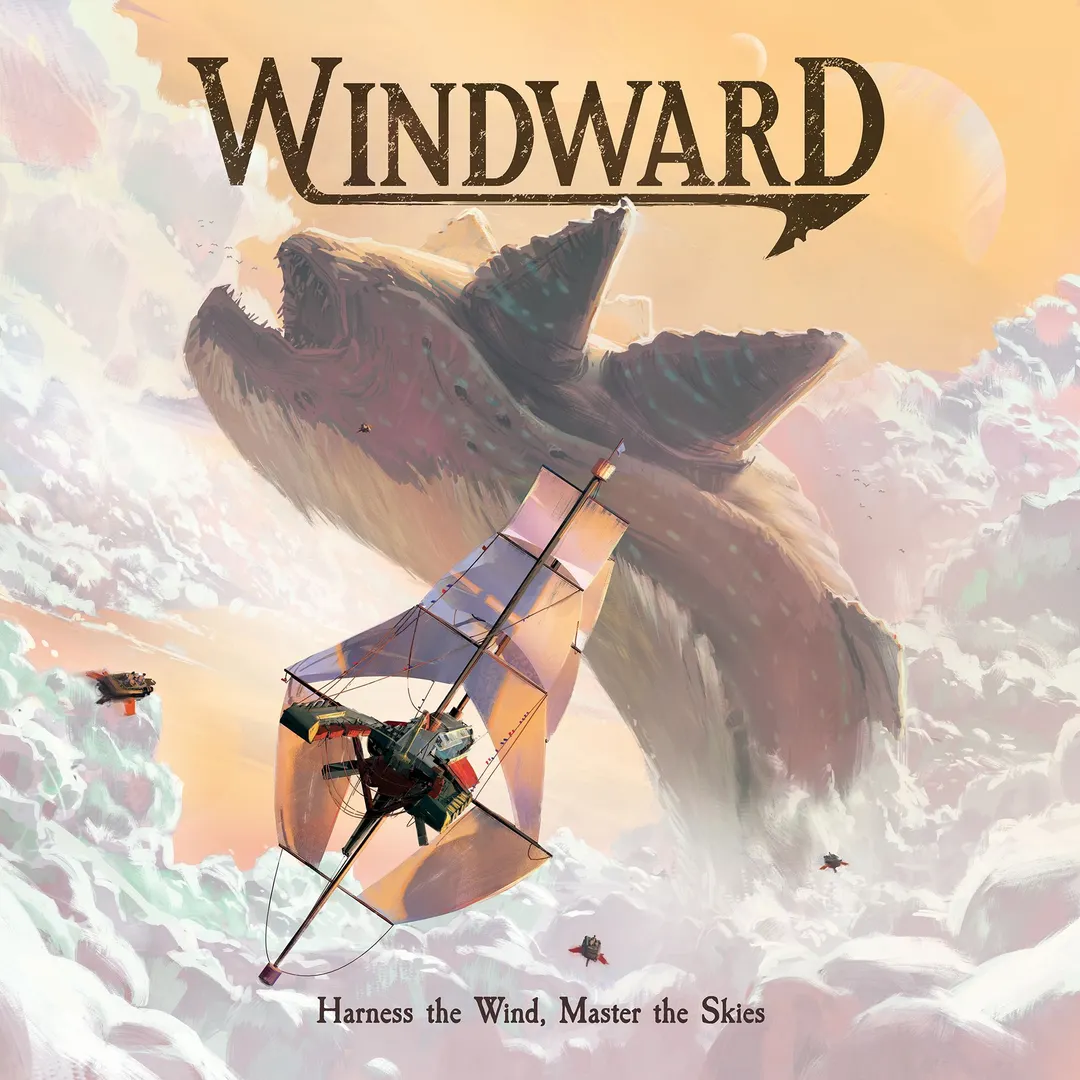
Windward
- 1–5 players
- 30–90 min
- Complexity 2.4/5
- 2020
2019
Rules assistance for Portolano
Plain-language explanations of turns, card effects and disputed situations, with official source references and saved question history.
For 2 players
What would you like to know?
Answers come from the official rulebook, with the page to check.
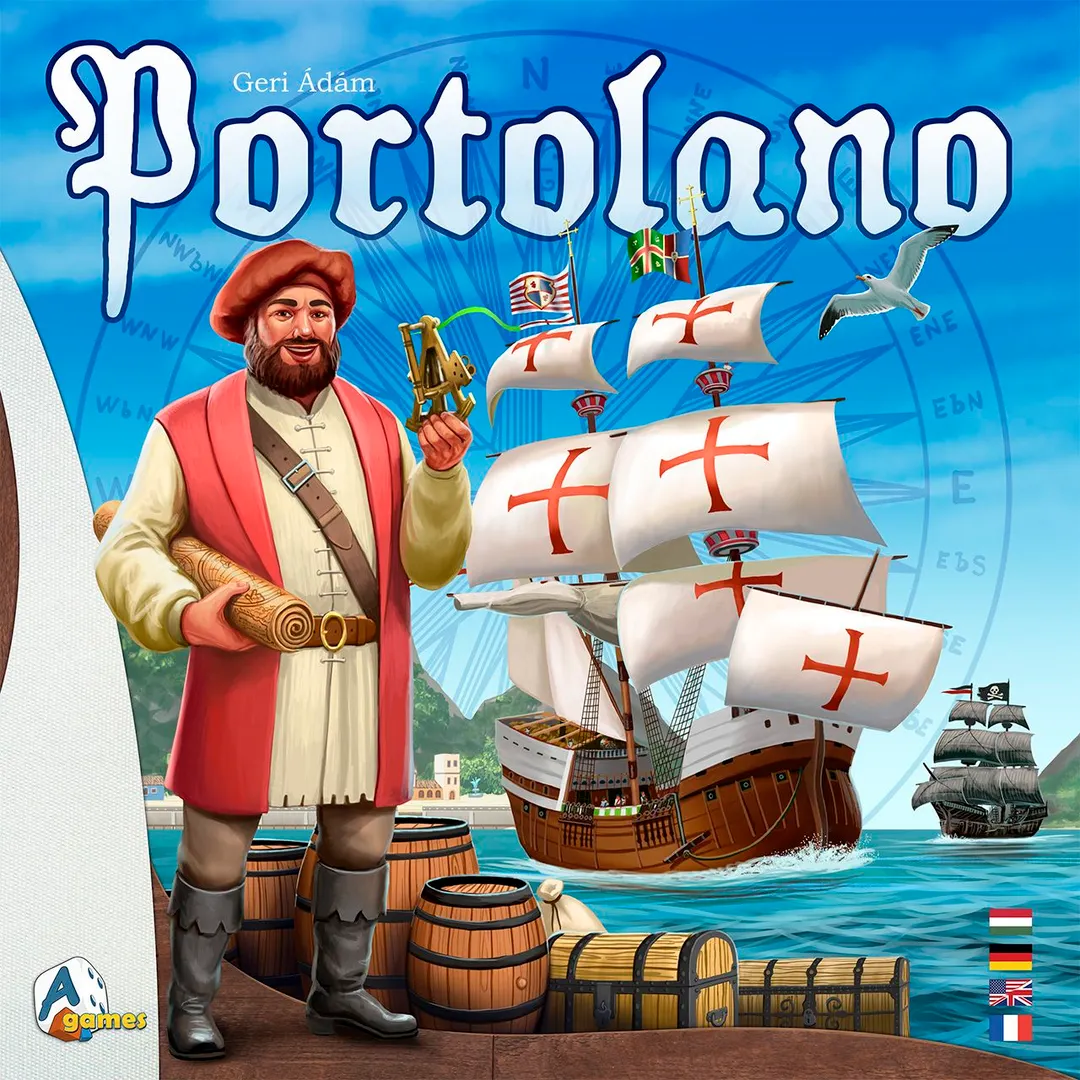
Portolano is a board game released in 2019 for 2–5 players, 40–60 minutes per game, and ages 10 and up. It was designed by Adam Geri and its main mechanics are Set Collection, Trading, and Area Movement.
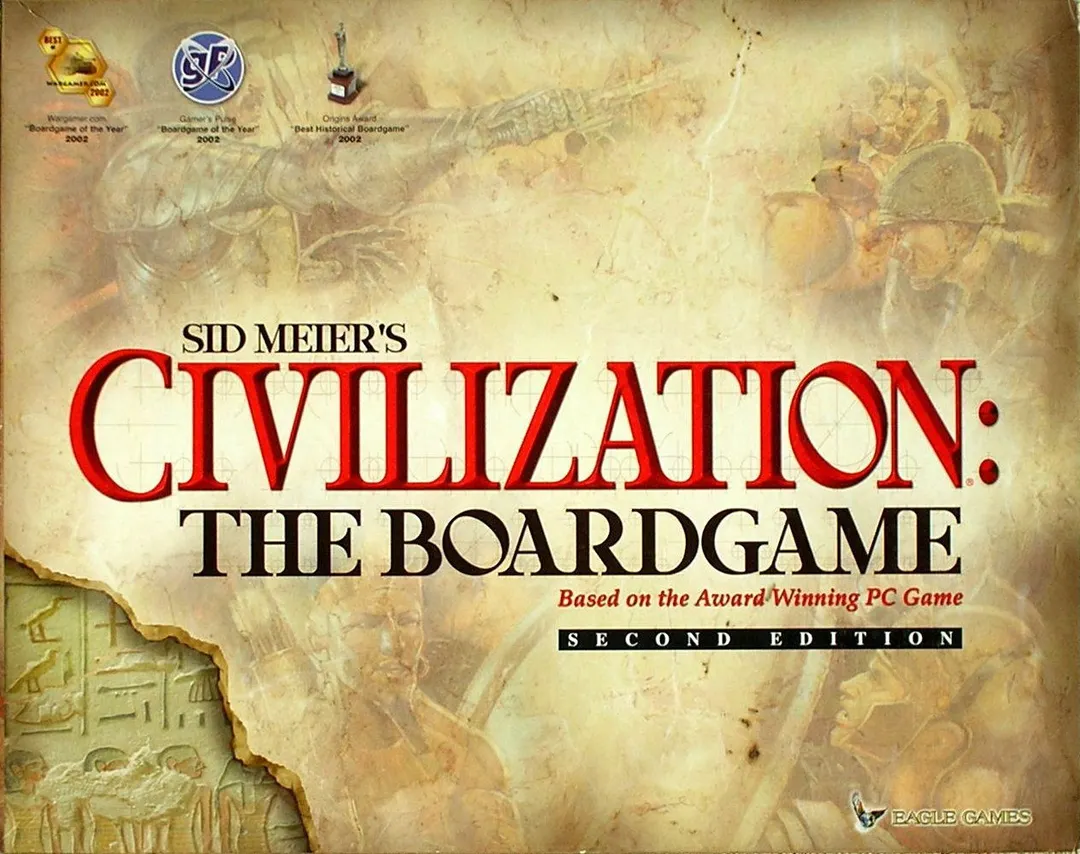
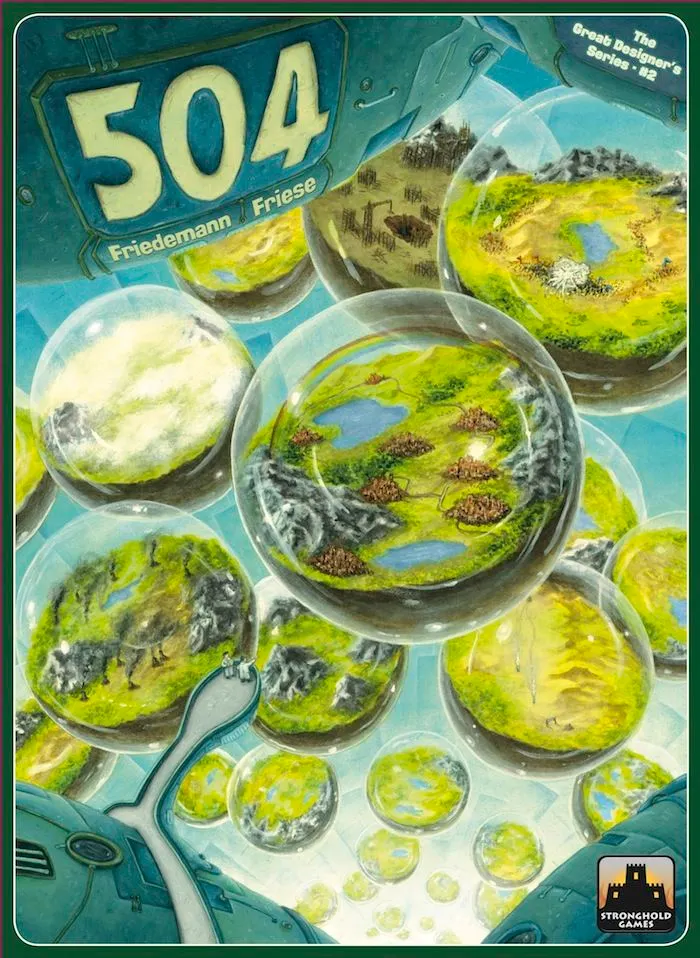



The 16th century, the age of renaissance. Sailing and maritime trade are flourishing, vast fleets belonging to shipping companies are crossing the seas around the world. There is fierce competition for the available commodities which must be delivered to harbors. The shortest sea route may not be the easiest one. To achieve your goal in becoming the best captain, you need to find the best routes, deliver your goods to the harbor at the right moment and should not think twice to go raiding a little at times. Your portolan chart, a navigation map lies already in front of you, the crew is awaiting your order, and the race is just about to begin. In Portolano, each players controls a ship at sea. With each step you move your ship to the next map tile (map consists of tiles randomly drawn at the beginning of the game). If this is a sea tile, the player can pick one resource (3 different goods or cannons) available on the island. Each sea tile allows for one additional special action. The most important one is ship building, letting players upgrade their ships, extend their cargo bay, increase their speed, or attacking power in battle. Other possible actions include e.g. trading goods (change them to other goods or rum). Once you move to a harbor, you sell the goods collected on the islands to get coins (each harbor has differing needs for products). The more goods you can sell in one go, the more coins you will get. The players plan their next moves simultaneously, without knowing the plans of others. Therefore it may happen that a player moves to sea tile, where the goods are already taken by other players or to a harbor, where the demands have already been satisfied. Once everybody has moved their ships in the round, the wind indicator will be spun, the new wind direction determines the next move of the pirates, who are also on the prowl at sea. After this, the movement phase ends. There is a battle after the movement phase if players and/or the pirate are positioned on the same/adjacent tiles. The fights use dice rolling, the winner steals goods/coins/rum from the loser. Rum is considered to be an important commodity as well, it "fuels” the crew to sail the ship according to your orders. If any player runs out of rum, the crew rebels and the ship can move only in the direction that the wind takes it until the rum stock is refilled. The costs of moving the ship in terms of rum depends on your movement compared with the wind direction (upwind, tailwind, crosswind). The game ends as soon as any of the goods run out. The player who has the most coins wins the game (coins can be collected even at the end of the game by unlocking bonuses).
Portolano supports 2–5 players according to the catalogue. This range comes from the publisher’s listed player count, so the game can be set up for any group size within it. Some setups, rules and scoring details may still vary by player count, so check your edition’s rulebook for the exact configuration.
The listed playing time for Portolano is 40–60 minutes. This is the publisher’s estimate for a full game. The actual duration depends on the group, the player count and familiarity with the rules: first sessions usually run longer, while experienced groups often finish faster. Setup and teaching time are not included in this estimate.
The catalogue lists Portolano for ages 10 and up. This is the publisher’s recommendation and reflects reading demands, rule complexity and small components rather than theme alone. Younger players can often join with help from an adult, so check the age guidance on your edition and consider your group’s experience with board games.
Portolano has a complexity rating of 2.3 out of 5 from BoardGameGeek players, which makes it a medium-light game. The rating reflects how much rules knowledge, planning and decision-making a typical game demands. Expect a longer first teach for heavier games, and use a preparation guide before game night.
Portolano belongs to these categories: Travel, Exploration, and Nautical. Its main mechanics are Set Collection, Trading, and Area Movement. Categories describe the theme and setting of a game, while mechanics describe what players actually do on their turns. Each mechanic links to a catalogue hub with similar games, which helps when you want something comparable.
The credited designers of Portolano are: Adam Geri. These credits come from the published game data and name the people responsible for the game’s design, not its illustrators or publishers. Designer pages on MeepleRules collect other titles by the same designers, which helps when you enjoy a game and want to find similar ones.
The catalogue lists Portolano as a base game. It can be played on its own with the components in the box and does not require any other title. Expansions, if any exist, add new content or rules on top of it and are listed separately in the catalogue with a link back to this base game.