
- BGG rank
- BGG #13,901
- BGG rating
- 6.4
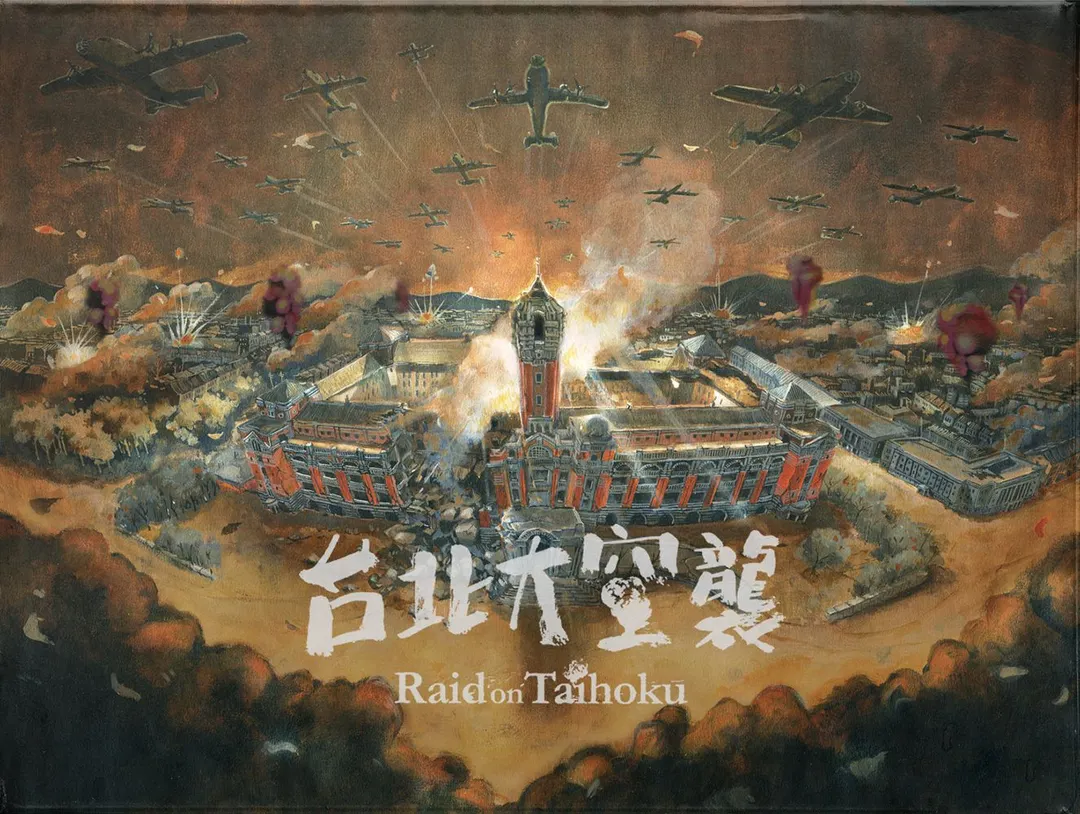
Raid on Taihoku
- 2–4 players
- 40–60 min
- Complexity 2.5/5
- 2017
2019
Rules assistance for Raid on Takao
Plain-language explanations of turns, card effects and disputed situations, with official source references and saved question history.
For 2 players
What would you like to know?
Answers come from the official rulebook, with the page to check.
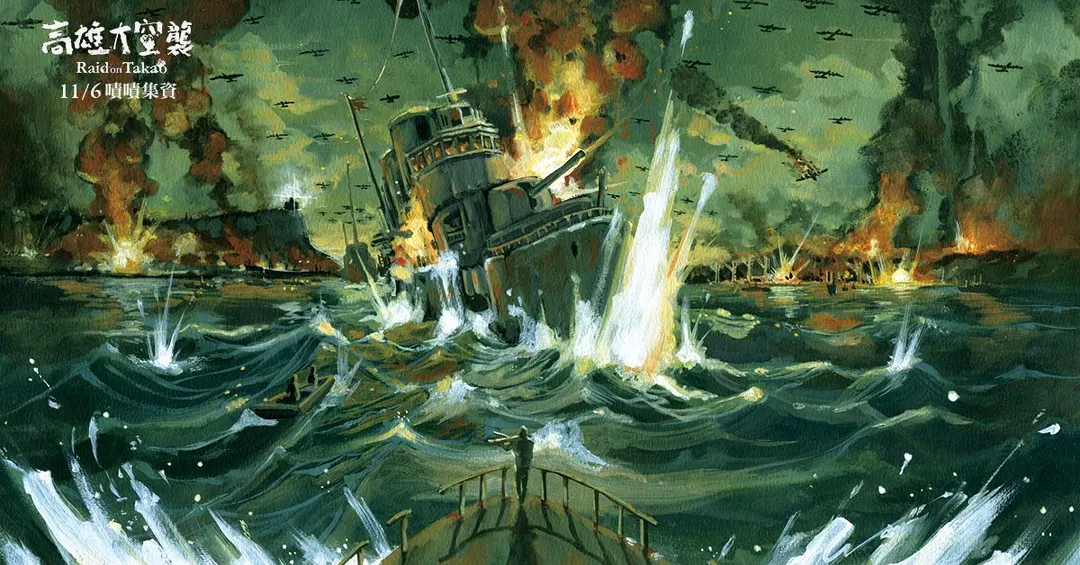
Raid on Takao is a board game released in 2019 for 2–6 players, 60–90 minutes per game, and ages 15 and up. It was designed by Teng Chieh-Ming and its main mechanics are Variable Player Powers, Area Movement, and Role Playing.
This board game is dedicated to the people of Taiwan and those who care about Taiwan. Raid on Takao takes players back to the closing stage of Takao which were suffering the air raid from America. You will be fettered and will face difficult choices, risking losing your life in trying to fulfill your dream or just give it up. Besides, you must cooperate to survive, and complete the purpose until the war is over. Raid on Takao is a cooperative game for 2-6 players and playable in 90 minutes. Players will act a role living in Takao, where lots of U.S. B-29 bombers launched an air raid. According to the “scenario” you play, you must accomplish the main purpose in six rounds. Besides, you must cooperate to search the foods and find the shelter to survive. The fear, hunger, and bomb will break your body or mind in this game. Accomplish the purpose and persevere until the war is over. Win together or lose together! —description from the publisher 高雄大空襲 ゲーム紹介 第二次世界大戦後期、米軍を中心とする連合軍はすでに太平洋の戦場の海空の支配権を掌握していました。連合軍は戦争を早めに終わらせて損失を抑えるため、「飛び石作戦」によって日本本土への攻勢を強めた一方で、台湾へは上陸せず、全面的なに空襲を行っいました。日本の南進政策において、高雄はその要となる「南進基地」とされ、一つの要塞都市になりました。高雄に製油、造船、鋼鉄圧延、硫酸アンモニウム、肥料、製紙などの工場が建設されたほか、岡山区には日本軍が飛行機の機体や軍用機器を作るための施設がありました。このため、高雄はアジアで日本本土に次ぐ軍需産業基地となり、それゆえに米軍の重点的な空襲目標となったのです。統計によれば、第二次世界大戦中に米軍が高雄に投下した爆弾の量は台湾の全都市の中でも最多でした。
Raid on Takao supports 2–6 players according to the catalogue. This range comes from the publisher’s listed player count, so the game can be set up for any group size within it. Some setups, rules and scoring details may still vary by player count, so check your edition’s rulebook for the exact configuration.
The listed playing time for Raid on Takao is 60–90 minutes. This is the publisher’s estimate for a full game. The actual duration depends on the group, the player count and familiarity with the rules: first sessions usually run longer, while experienced groups often finish faster. Setup and teaching time are not included in this estimate.
The catalogue lists Raid on Takao for ages 15 and up. This is the publisher’s recommendation and reflects reading demands, rule complexity and small components rather than theme alone. Younger players can often join with help from an adult, so check the age guidance on your edition and consider your group’s experience with board games.
Raid on Takao has a complexity rating of 2.3 out of 5 from BoardGameGeek players, which makes it a medium-light game. The rating reflects how much rules knowledge, planning and decision-making a typical game demands. Expect a longer first teach for heavier games, and use a preparation guide before game night.
Raid on Takao belongs to these categories: World War II. Its main mechanics are Variable Player Powers, Area Movement, and Role Playing. Categories describe the theme and setting of a game, while mechanics describe what players actually do on their turns. Each mechanic links to a catalogue hub with similar games, which helps when you want something comparable.
The credited designers of Raid on Takao are: Teng Chieh-Ming. These credits come from the published game data and name the people responsible for the game’s design, not its illustrators or publishers. Designer pages on MeepleRules collect other titles by the same designers, which helps when you enjoy a game and want to find similar ones.
The catalogue lists Raid on Takao as a base game. It can be played on its own with the components in the box and does not require any other title. Expansions, if any exist, add new content or rules on top of it and are listed separately in the catalogue with a link back to this base game.