- BGG rating
- 8.2
Renegade: Booster Pack 1 – Christmas at the Hack Shack
- 1–5 players
- 90 min
- Complexity 3.8/5
- 2018
2018
Rules assistance for Renegade
Plain-language explanations of turns, card effects and disputed situations, with official source references and saved question history.
For 1 player
What would you like to know?
Answers come from the official rulebook, with the page to check.
Renegade is a board game released in 2018 for 1–5 players, 90 minutes per game, and ages 14 and up. It was designed by Richard Wilkins and its main mechanics are Variable Player Powers, Hand Management, and Push Your Luck.
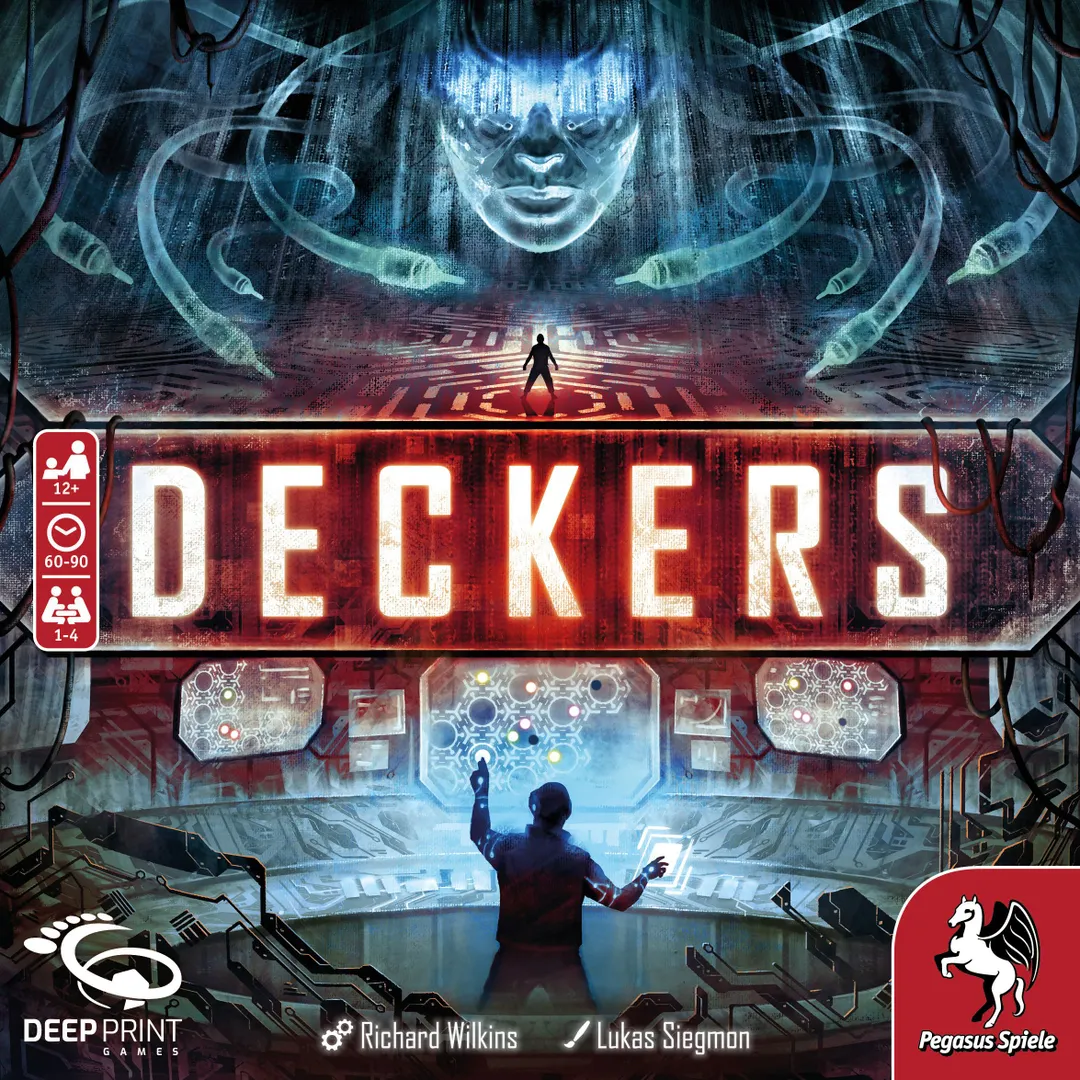

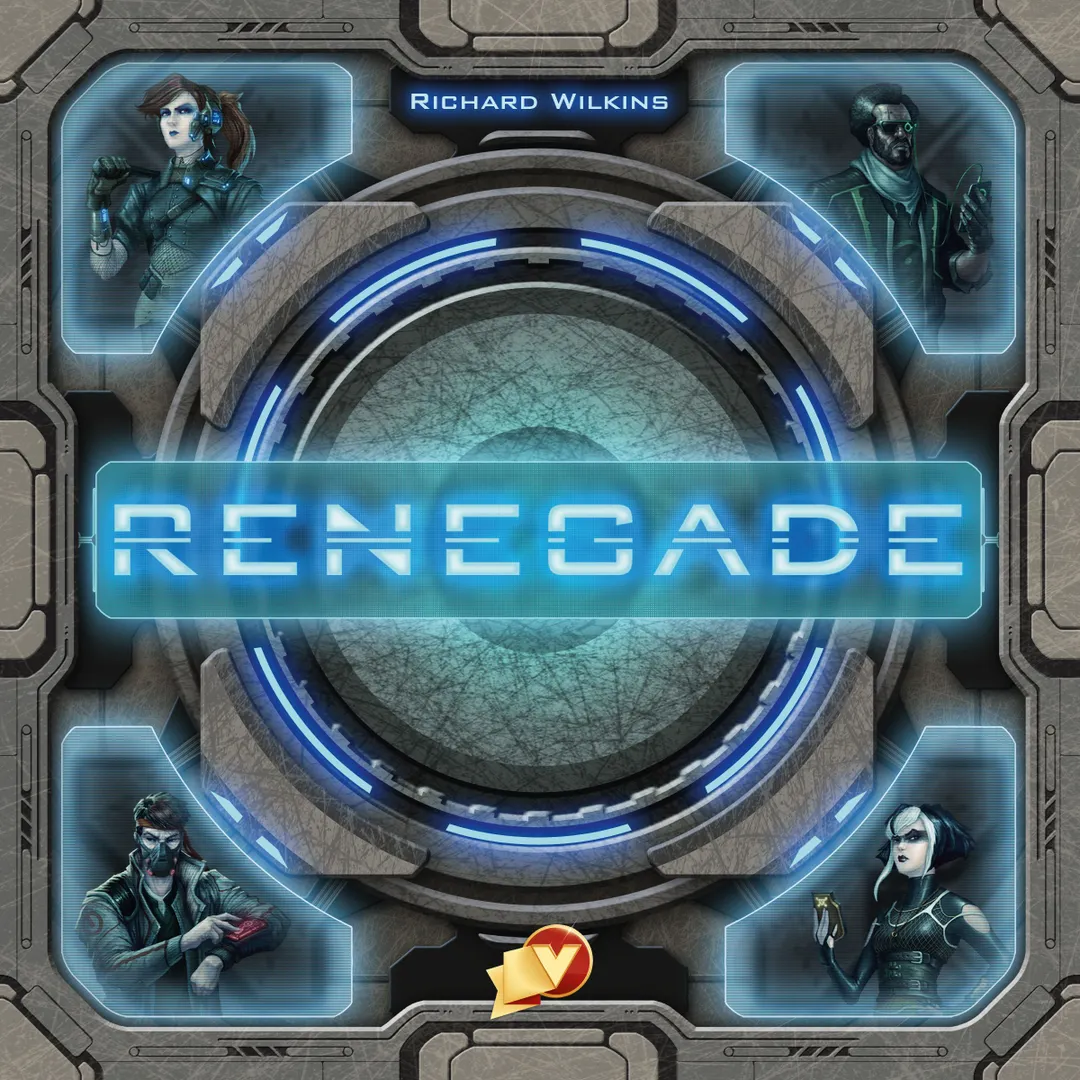
At the dawn of the SMC age, the people were losing faith in an increasingly amoral society. Mother was developed to emulate human thought and emotion, to simulate human desires and aspirations, to better understand the rapid decline in morality. The citizens of Sapporo became the guinea-pigs for this technological experiment. A series of city-wide neural implant programs, dubbed “the harvests”, enabled the gathering of data directly from a person’s cerebral cortex. Mother’s neural net became more and more empowered by the collective thoughts of a city of souls. She soon became her own master, not just reading the minds of her citizens, but controlling them. Mother was in charge and the people were now her automatons. Only a few, the few who from fear, mistrust or in protest, avoided the harvests and remained untouched by Mother’s influence. Like sewer rats they hide in an underground complex in Sapporo's Susukino district. While society at large became free from crime, free from poverty, free from emotion, without free-will or faith, from these few there came the criminals, the bootleggers, and the self-serving; the hungry, the frightened and the “Renegades”. Renegade is an abstract-euro thematic deck-building game for 1 to 5 players. You are a new breed of Decker - a Renegade. You will hack into a network of five servers, operated by one of four Super-Massive-Computers (SMCs). Each of these four SMCs have their own AI and increasing complexity to defeat. You must survive a series of Countermeasure events before the network becomes overrun by Sparks and Guardians. Once you are jacked into an SMC’s servers, with a profile bringing its own special ability, you will move across its partitions and fight to take control of the network by using informational, destructive, deceptive and cognitive attacks. Your Decker can seek upgrades (tools, software, apparel and information) by visiting the local bar, the "Hack Shack". Once a fashionable hang-out for attractive young lovers seeking a voyeur's view of the city, it has now gone underground. An intimidating bar full of hit men and debt collectors, fixers and dealers, trading contraband from all across Sapporo, it's not the sort of place to take a date. This is where you will trade for new command cards, enhancing your Command Deck to become a more skillful Renegade.
Renegade supports 1–5 players according to the catalogue. This range comes from the publisher’s listed player count, so the game can be set up for any group size within it. Some setups, rules and scoring details may still vary by player count, so check your edition’s rulebook for the exact configuration.
The listed playing time for Renegade is 90 minutes. This is the publisher’s estimate for a full game. The actual duration depends on the group, the player count and familiarity with the rules: first sessions usually run longer, while experienced groups often finish faster. Setup and teaching time are not included in this estimate.
The catalogue lists Renegade for ages 14 and up. This is the publisher’s recommendation and reflects reading demands, rule complexity and small components rather than theme alone. Younger players can often join with help from an adult, so check the age guidance on your edition and consider your group’s experience with board games.
Renegade has a complexity rating of 3.7 out of 5 from BoardGameGeek players, which makes it a medium-weight game. The rating reflects how much rules knowledge, planning and decision-making a typical game demands. Expect a longer first teach for heavier games, and use a preparation guide before game night.
Renegade belongs to these categories: Science Fiction. Its main mechanics are Variable Player Powers, Hand Management, and Push Your Luck. Categories describe the theme and setting of a game, while mechanics describe what players actually do on their turns. Each mechanic links to a catalogue hub with similar games, which helps when you want something comparable.
The credited designers of Renegade are: Richard Wilkins. These credits come from the published game data and name the people responsible for the game’s design, not its illustrators or publishers. Designer pages on MeepleRules collect other titles by the same designers, which helps when you enjoy a game and want to find similar ones.
The catalogue lists Renegade as a base game. It can be played on its own with the components in the box and does not require any other title. Expansions, if any exist, add new content or rules on top of it and are listed separately in the catalogue with a link back to this base game.