

- BGG rating
- 7.4
Risk Legacy: Bonus Cards
- 3–5 players
- 60 min
- Complexity 2.0/5
- 2011

2011
Rules assistance for Risk Legacy
Plain-language explanations of turns, card effects and disputed situations, with official source references and saved question history.
For 3 players
What would you like to know?
Answers come from the official rulebook, with the page to check.
Risk Legacy is a board game released in 2011 for 3–5 players, 60 minutes per game, and ages 13 and up. It was designed by Rob Daviau and Chris Dupuis and its main mechanics are Variable Player Powers, Player Elimination, and Area Movement.
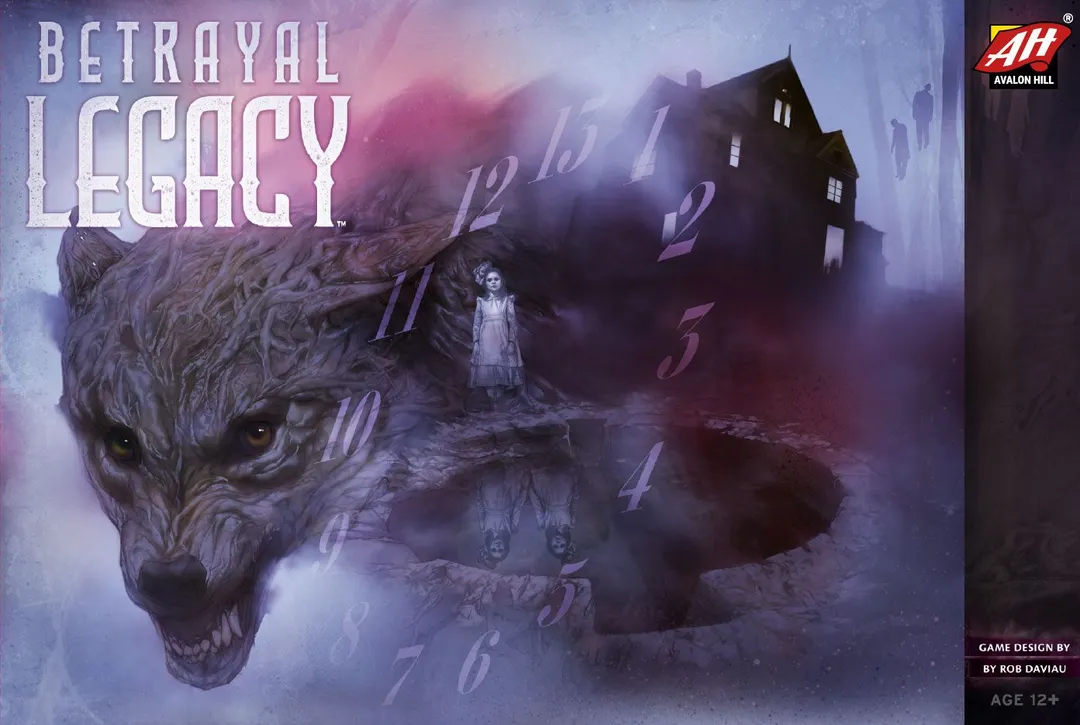

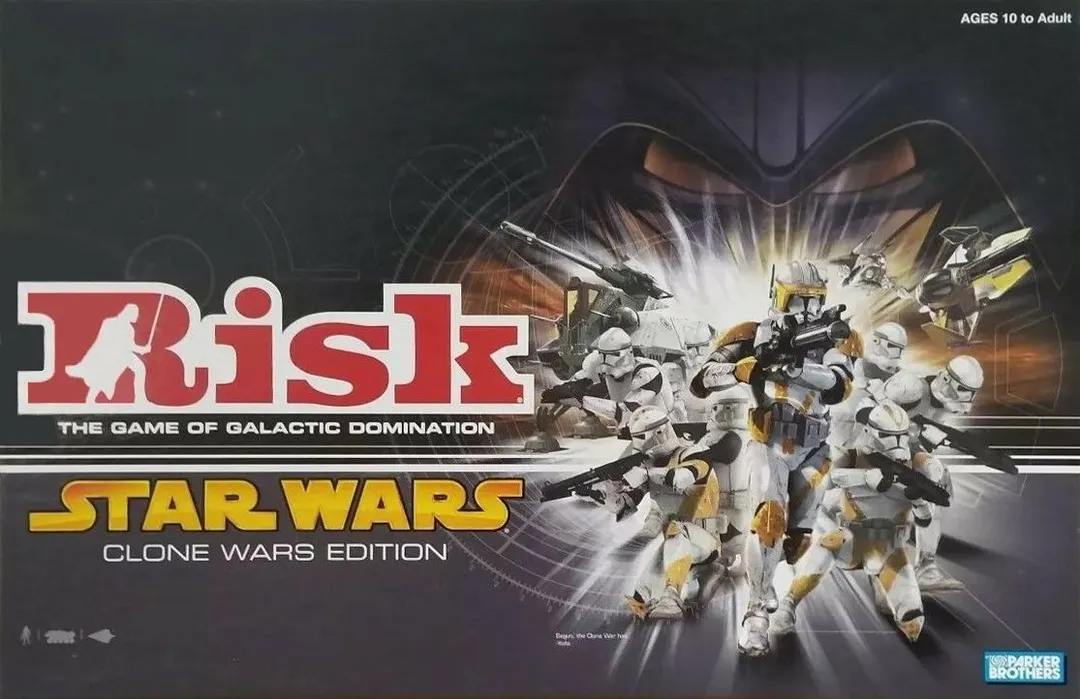

This description is spoiler free, containing nothing outside the initial rulebook for the game. Details on why this is important in the description. Risk Legacy represents what is if not a new, at least a rare concept to boardgaming: campaigning. At its core, the game, particularly at first, plays much like regular Risk with a few changes. Players control countries or regions on a map of the world, and through simple combat (with players rolling dice to determine who loses units in each battle) they try to eliminate all opponents from the game board or control a certain number of "red stars", otherwise known as victory points (VPs). What's different is that Risk Legacy' changes over time based on the outcome of each game and the various choices made by players. In each game, players choose one of five factions; each faction has uniquely shaped pieces, and more importantly, different rules. At the start of the first game, each of these factions gains the ability to break one minor rule, such as the ability to move troops at any time during your turn, as opposed to only at the end. What makes this game unique is that when powers are chosen, players must choose one of their faction's two powers, affix that power's sticker to their faction card, then destroy the card that has the other rule on it – and by destroy, the rules mean what they say: "If a card is DESTROYED, it is removed from the game permanently. Rip it up. Throw it in the trash." This key concept permeates through the game. Some things you do in a game will affect it temporarily, while others will affect it permanently. These changes may include boosting the resources of a country (for recruiting troops in lieu of the older "match three symbols" style of recruiting), adding bonuses or penalties to defending die rolls to countries, or adding permanent continent troop bonuses that may affect all players. The rule book itself is also designed to change as the game continues, with blocks of blank space on the pages to allow for rules additions or changes. Entire sections of rules will not take effect until later in the game. The game box contains different sealed packages and compartments, each with a written condition for opening. The rule book indicates that these contain the rule additions, additional faction powers, and other things that should not be discussed here for spoiler protection. The winner of each of the first 15 games receives a "major bonus," such as founding a major city (which only he will be allowed to start on in future games), deleting a permanent modifier from the board, destroying a country card (preventing it from providing any resources towards purchasing troops in future games), changing a continent troop bonus, or naming a continent, which gives that player a troop bonus in future games. Players who did not win but were not eliminated are allowed to make minor changes to the world, such as founding a minor city or adding resources to a country. It should be noted that although cards are ripped up over the course of the game, there are so many cards added via the sealed packages, that the game does not suffer. Nor is this a "disposable" game, merely a customized one. The game can continue to change beyond the 15 game campaign, and even when it finally does stop changing, you still have a copy of Risk that is completely unique. Initial games take approximately 30-90 minutes to play, which includes a brief rules explanation and setup.
Risk Legacy supports 3–5 players according to the catalogue. This range comes from the publisher’s listed player count, so the game can be set up for any group size within it. Some setups, rules and scoring details may still vary by player count, so check your edition’s rulebook for the exact configuration.
The listed playing time for Risk Legacy is 60 minutes. This is the publisher’s estimate for a full game. The actual duration depends on the group, the player count and familiarity with the rules: first sessions usually run longer, while experienced groups often finish faster. Setup and teaching time are not included in this estimate.
The catalogue lists Risk Legacy for ages 13 and up. This is the publisher’s recommendation and reflects reading demands, rule complexity and small components rather than theme alone. Younger players can often join with help from an adult, so check the age guidance on your edition and consider your group’s experience with board games.
Risk Legacy has a complexity rating of 2.6 out of 5 from BoardGameGeek players, which makes it a medium-light game. The rating reflects how much rules knowledge, planning and decision-making a typical game demands. Expect a longer first teach for heavier games, and use a preparation guide before game night.
Risk Legacy belongs to these categories: Wargame and Science Fiction. Its main mechanics are Variable Player Powers, Player Elimination, and Area Movement. Categories describe the theme and setting of a game, while mechanics describe what players actually do on their turns. Each mechanic links to a catalogue hub with similar games, which helps when you want something comparable.
The credited designers of Risk Legacy are: Rob Daviau and Chris Dupuis. These credits come from the published game data and name the people responsible for the game’s design, not its illustrators or publishers. Designer pages on MeepleRules collect other titles by the same designers, which helps when you enjoy a game and want to find similar ones.
The catalogue lists Risk Legacy as a base game. It can be played on its own with the components in the box and does not require any other title. Expansions, if any exist, add new content or rules on top of it and are listed separately in the catalogue with a link back to this base game.