

- BGG rank
- BGG #24,976
- BGG rating
- 5.9
Enemy Agent
- 2 players
- 60 min
- Complexity 2.0/5
- 1975
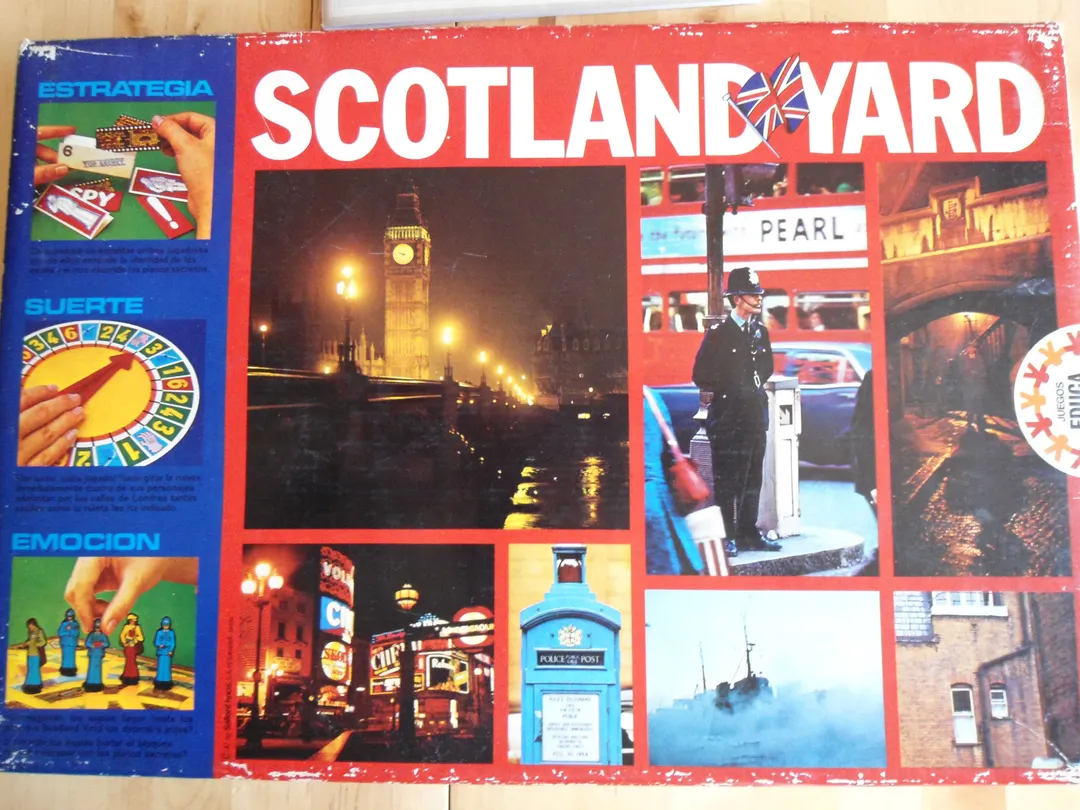
1990
Rules assistance for Scotland Yard
Plain-language explanations of turns, card effects and disputed situations, with official source references and saved question history.
For 2 players
What would you like to know?
Answers come from the official rulebook, with the page to check.
Scotland Yard is a board game released in 1990 for 2 players, 60 minutes per game, and ages 8 and up. Its main mechanics are Roll / Spin and Move and Secret Unit Deployment.



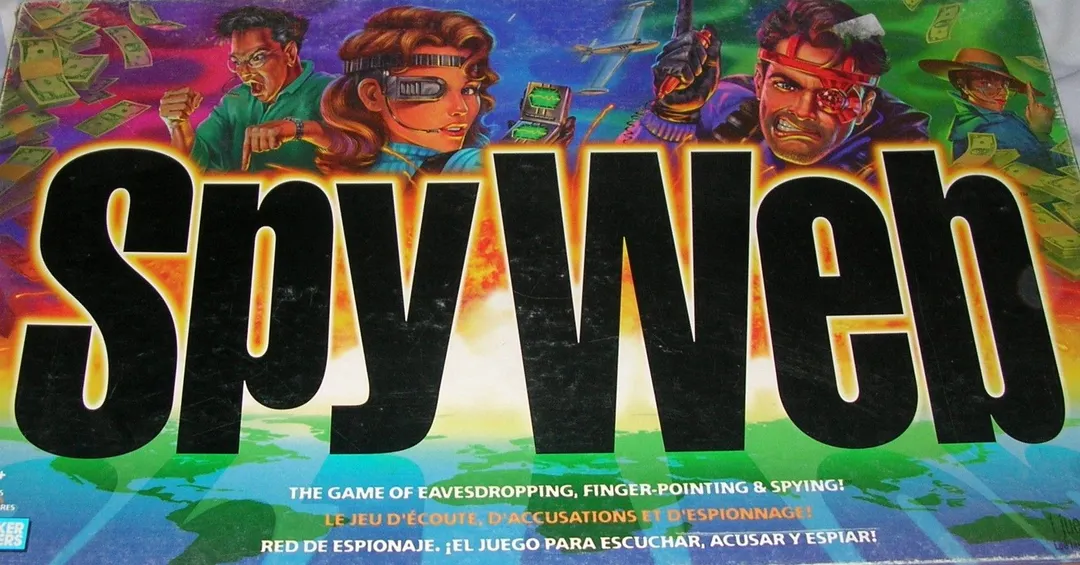
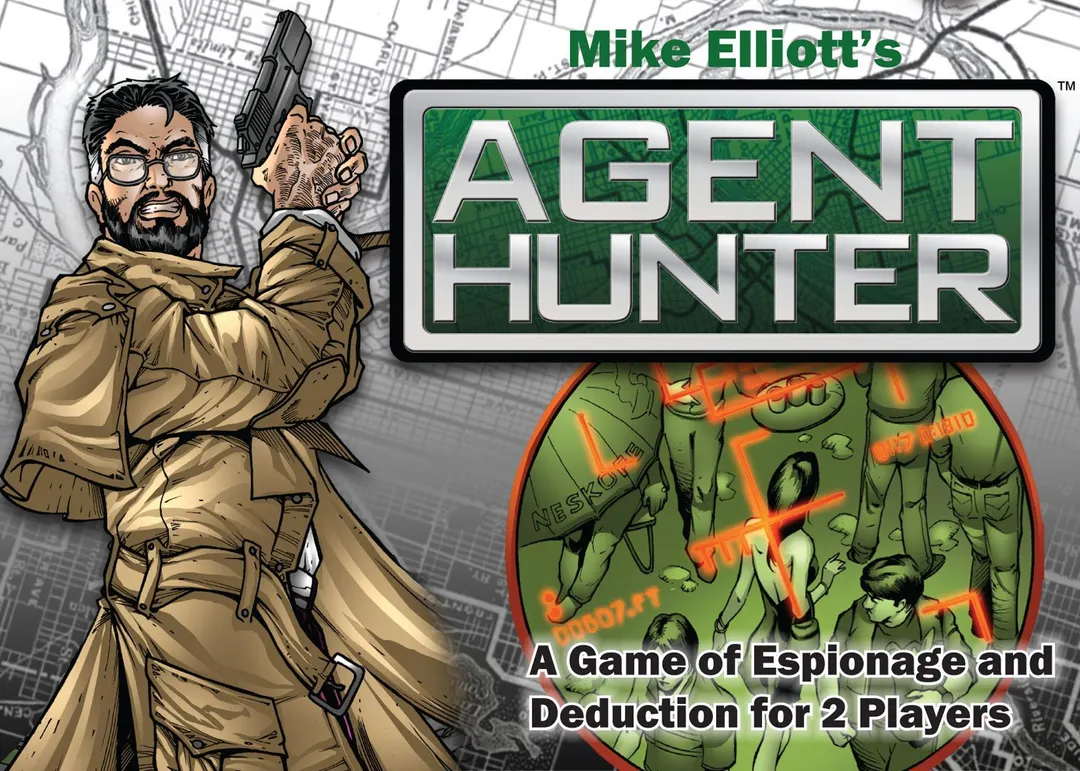
Rules Preparation 24 figures emerge from the cards were punched and placed a plastic foot each. The head of Scotland Yard receives twelve policemen, six numbered top secret folders, the secret plans and 3 tokens of admiration. The other player, leader of a gang of international espionage, gets 12 characters with their dossiers for the 3 and 9 spy chips chips admiring. Strategy. Place both players back. The head of Scotland Yard takes 6 folders of buildings and hidden secrets 3 planes, in other places chips admiring. The spy chief decides that three characters are spies and what not, well placed spy tabs in the dossiers of the characters chosen, the other will be a token of admiration. Gameplay. In turn each player spins the wheel and cautro ahead of his figures both indicate as many squares as roulette, the police begin to Trafalgar Square, blue box, the characters of either red squares. The characters and police advance or recede but not in the same play is each shape or forward or backward. Indications of roulette. There are three different symbols, a figure, to move, a glove and a whistle. The figure serves to move the glove indicated that a single policeman and advance the next roll out as many squares as if the police with that movement stands with a character that will be required to identify themselves. If a whistle out the next roll will be double the result.
Scotland Yard supports 2 players according to the catalogue. This is the publisher’s listed player count, so the game is designed for exactly that number of participants. Variants for other group sizes, if any, are described in the rulebook of your edition, so check it before setting up a different configuration.
The listed playing time for Scotland Yard is 60 minutes. This is the publisher’s estimate for a full game. The actual duration depends on the group, the player count and familiarity with the rules: first sessions usually run longer, while experienced groups often finish faster. Setup and teaching time are not included in this estimate.
The catalogue lists Scotland Yard for ages 8 and up. This is the publisher’s recommendation and reflects reading demands, rule complexity and small components rather than theme alone. Younger players can often join with help from an adult, so check the age guidance on your edition and consider your group’s experience with board games.
Scotland Yard has a complexity rating of 2.3 out of 5 from BoardGameGeek players, which makes it a medium-light game. The rating reflects how much rules knowledge, planning and decision-making a typical game demands. Expect a longer first teach for heavier games, and use a preparation guide before game night.
Scotland Yard belongs to these categories: Deduction and Spies / Secret Agents. Its main mechanics are Roll / Spin and Move and Secret Unit Deployment. Categories describe the theme and setting of a game, while mechanics describe what players actually do on their turns. Each mechanic links to a catalogue hub with similar games, which helps when you want something comparable.
The catalogue lists Scotland Yard as a base game. It can be played on its own with the components in the box and does not require any other title. Expansions, if any exist, add new content or rules on top of it and are listed separately in the catalogue with a link back to this base game.