
- BGG rank
- BGG #9,216
- BGG rating
- 6.6
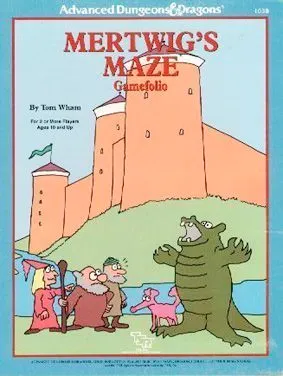
Mertwig's Maze
- 2–6 players
- 100 min
- Complexity 1.9/5
- 1988
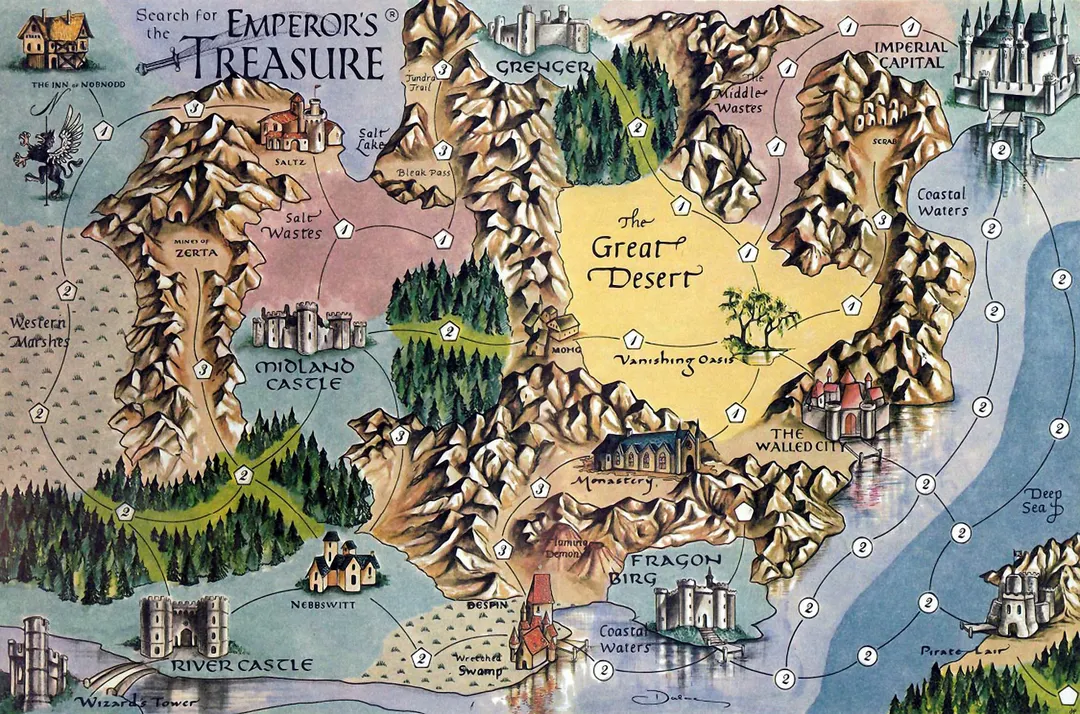
1981
Rules assistance for Search for the Emperor's Treasure
Plain-language explanations of turns, card effects and disputed situations, with official source references and saved question history.
For 2 players
What would you like to know?
Answers come from the official rulebook, with the page to check.
Search for the Emperor's Treasure is a board game released in 1981 for 2–10 players, 60 minutes per game, and ages 10 and up. It was designed by Tom Wham and its main mechanics are Variable Player Powers, Player Elimination, and Roll / Spin and Move.

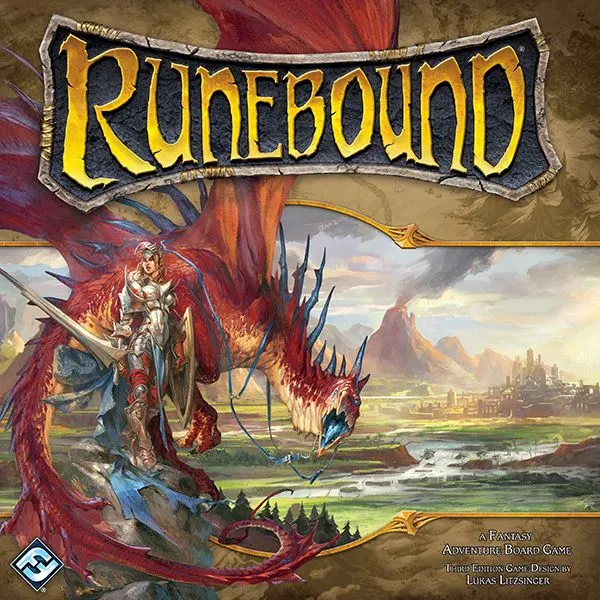
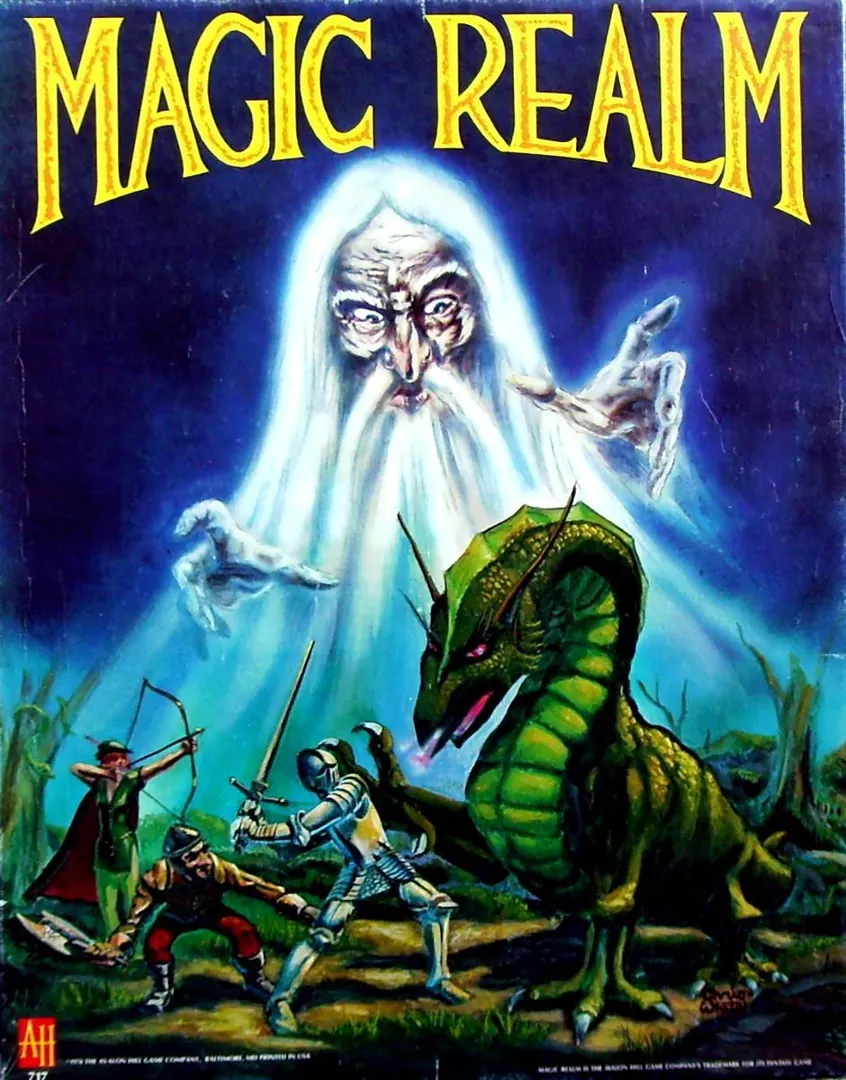
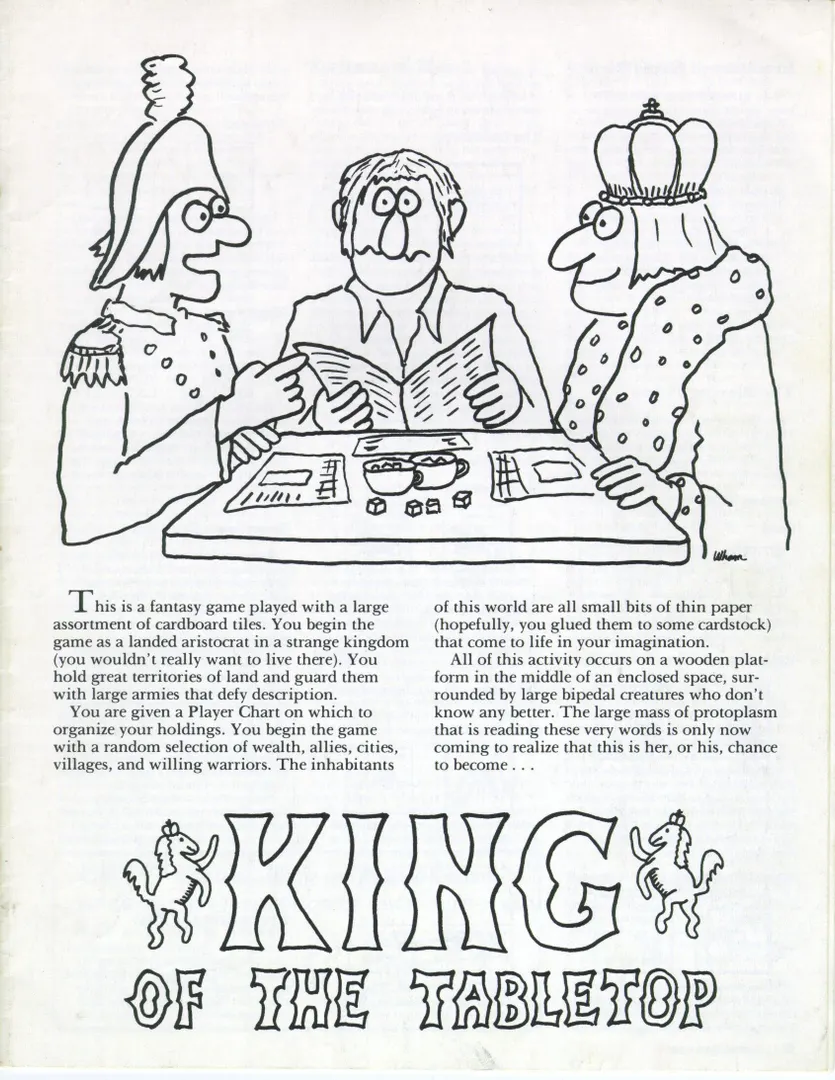
Originally published in issue #51 (July 1981) of Dragon Magazine. A tongue-in-cheek version of "classic" Dungeons & Dragons (some even say Mertwig's Maze is a similar treatment of Advanced D&D). As such, players become a warrior, elf, cleric, or magician, then wander around the board collecting treasure and resolving encounters. The Emperor's six magic artifacts are both high-powered magic items and a countdown clock, as when enough have been found, the game ends. (Exactly how many depends on number of players.) Treasure, encounters and equipment are all randomized with chits in three cups. Characters obtain them by fighting monsters or lucky die rolls on result charts associated with various board locations (e.g., castles, villages, The Wizard's Tower, The Pirate Lair, etc.). Not all encounters are monsters -- some are travelers who will bestow treasure upon completion of quests, others are annoyances, and there's even Imperial Guard patrols looking to confiscate the Emperor's Treasure. Terrain types are a key strategy feature, as a player whose current location's terrain doesn't match the encounter drawn can bestow it on someone else who does. So a character in rugged forest or mountains can get stuck fighting several monsters in succession during other players' turns. A surprising amount of flavor is included for a magazine game. There's an assortment of magic spells, ranged and close combat, magical weapons & armor, damsels in distress, evil wizards, a volcanic demon, even a wandering elephant. A significantly revised version was published as part of The Best of Dragon Magazine Games.
Search for the Emperor's Treasure supports 2–10 players according to the catalogue. This range comes from the publisher’s listed player count, so the game can be set up for any group size within it. Some setups, rules and scoring details may still vary by player count, so check your edition’s rulebook for the exact configuration.
The listed playing time for Search for the Emperor's Treasure is 60 minutes. This is the publisher’s estimate for a full game. The actual duration depends on the group, the player count and familiarity with the rules: first sessions usually run longer, while experienced groups often finish faster. Setup and teaching time are not included in this estimate.
The catalogue lists Search for the Emperor's Treasure for ages 10 and up. This is the publisher’s recommendation and reflects reading demands, rule complexity and small components rather than theme alone. Younger players can often join with help from an adult, so check the age guidance on your edition and consider your group’s experience with board games.
Search for the Emperor's Treasure has a complexity rating of 1.8 out of 5 from BoardGameGeek players, which makes it a light game. The rating reflects how much rules knowledge, planning and decision-making a typical game demands. Expect a longer first teach for heavier games, and use a preparation guide before game night.
Search for the Emperor's Treasure belongs to these categories: Fantasy, Fighting, and Economic. Its main mechanics are Variable Player Powers, Player Elimination, and Roll / Spin and Move. Categories describe the theme and setting of a game, while mechanics describe what players actually do on their turns. Each mechanic links to a catalogue hub with similar games, which helps when you want something comparable.
The credited designers of Search for the Emperor's Treasure are: Tom Wham. These credits come from the published game data and name the people responsible for the game’s design, not its illustrators or publishers. Designer pages on MeepleRules collect other titles by the same designers, which helps when you enjoy a game and want to find similar ones.
The catalogue lists Search for the Emperor's Treasure as a base game. It can be played on its own with the components in the box and does not require any other title. Expansions, if any exist, add new content or rules on top of it and are listed separately in the catalogue with a link back to this base game.