

- BGG rating
- 6.5
Shake Up: Where Did All The Tech In An IT Firm Go!?
- 1–2 players
- 15–25 min
- Complexity 2.0/5
- 2019
2019
Rules assistance for Shake Up
Plain-language explanations of turns, card effects and disputed situations, with official source references and saved question history.
For 1 player
What would you like to know?
Answers come from the official rulebook, with the page to check.
Shake Up is a board game released in 2019 for 1–2 players, 15–25 minutes per game, and ages 10 and up. It was designed by Dominic Michael Huang and its main mechanics are Hand Management, Take That, and Simulation.


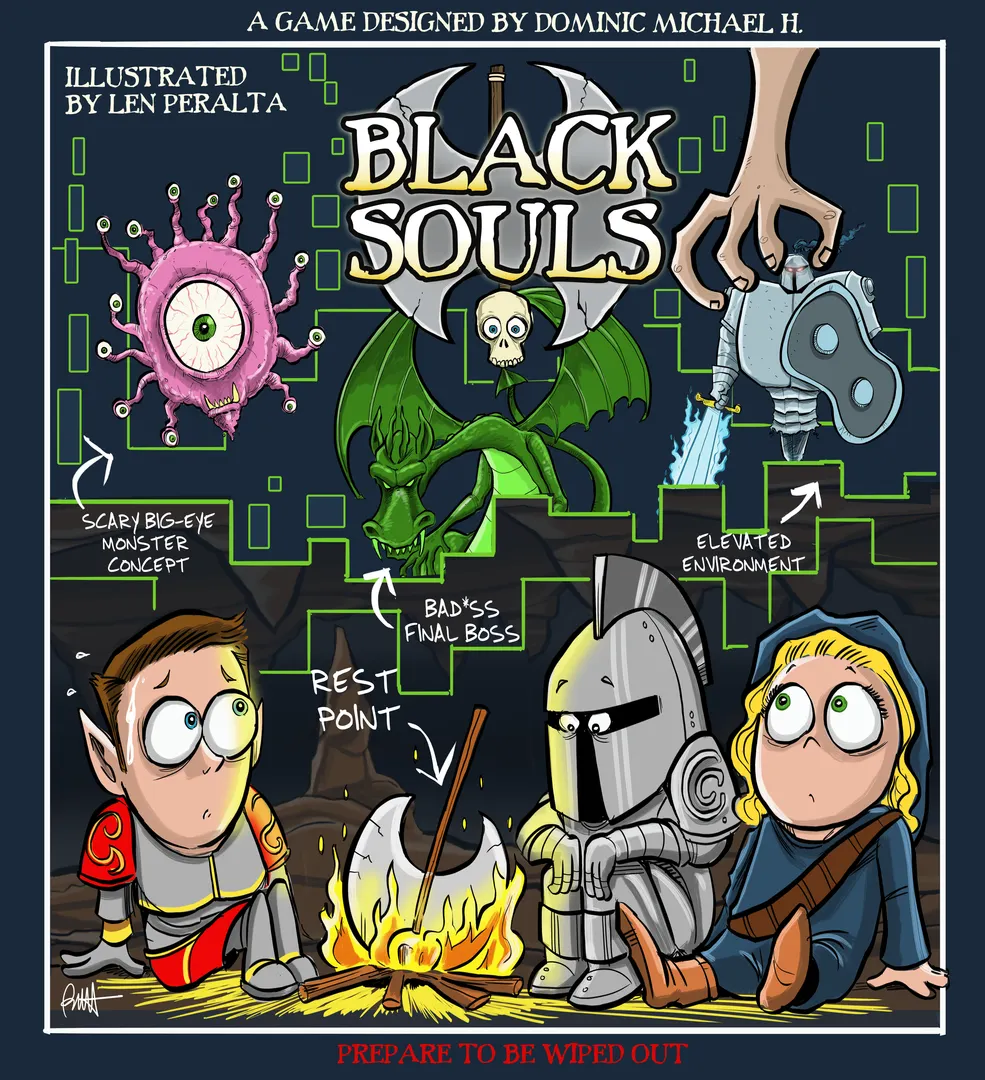



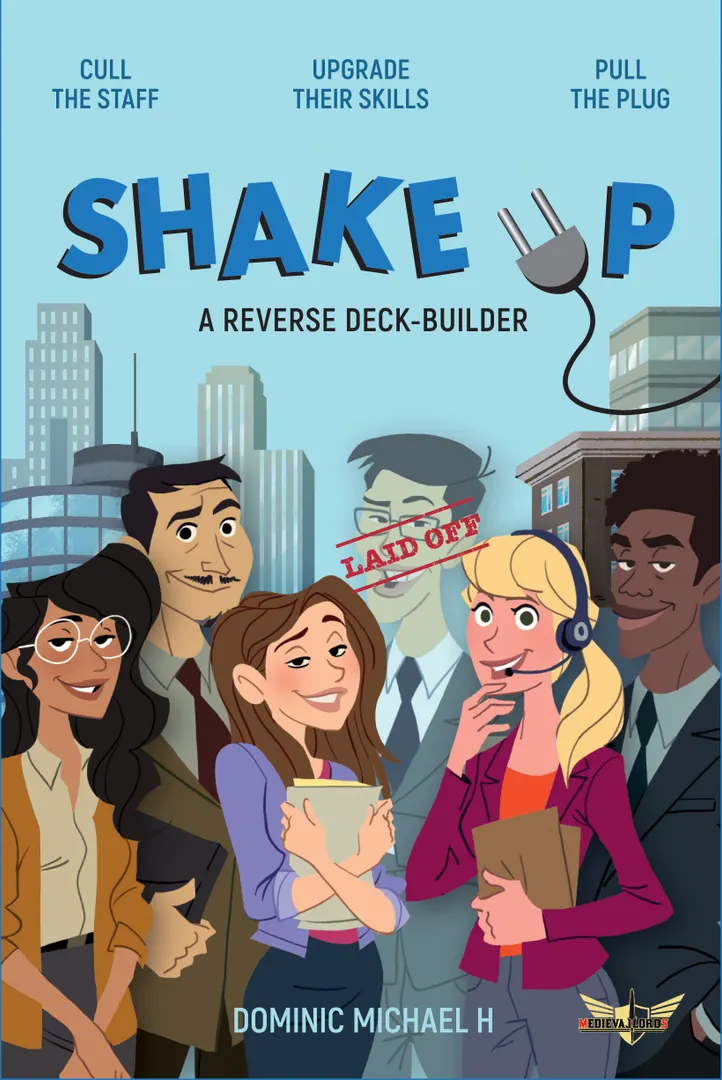
The IT company is staring Chapter 11 in the face. Its cost of operations is too high, its revenue too low. In a last ditch attempt, it is looking to hire a top tier business consultant to turn this around. Alas, there are many such persons claiming to be the best. To filter mere noise from the elite, the company has called upon the consultants with the most potential to share their business proposals - You are one such. Shake Up sits in a very rare tabletop genre: reverse deck-building or also known as a deck destruction game. Players each have their own deck of cards, which are completely identical decks since they represent the same employees of the same IT company. How each player handles the company will be different though, and that is where the better consultant will stand out. The first consultant to put the company into the green wins! Every turn players draw 4 cards from their own deck, and determine how to utilize those cards' abilities. Players are also allowed to perform a 'Lay Off' action, permanently removing an employee from the deck. While this may seem bad, it makes their deck more efficient in the style they want to build towards. They also save on that employee's salary, especially if it is a highly paid executive! Note however, that the higher ups usually have greater experience and better abilities. Starting off the game with some debt, players will slowly clear them away as well as make some profit through new business projects. How then do consultants interact in the game? Their sales folks can try to hustle the other team, messing up their rivals' business proposals! Of course, those same rivals will likely also have their own purchasing and accounting departments to protect themselves from red herring purchases. When does the game end? Each time a player's draw deck is emptied and recycled from its discard pile, she has a chance to call an Audit. When an Audit is called, that player counts her total revenue earned, then reduce it by the salary of all existing employees in her deck, as well as any unpaid loans. If it is still positive, she wins the game right away! Dare you call an Audit before your rival? Doing so is risky, since you either win the game right away or you gain more debt because you have to pay for wasting the auditors' time, putting you further from victory. Deck-builders are a common genre and folks try to add more powerful and advanced cards into their deck, which is typically comprised of basic cards. In reverse deck-building however, players begin with fully powered-up decks. The problem is one where veteran deck-builders will be familiar with - having too thick a deck will make it inefficient. Throughout the game, players will try to cull cards that are not part of their chosen strategy.
Shake Up supports 1–2 players according to the catalogue. This range comes from the publisher’s listed player count, so the game can be set up for any group size within it. Some setups, rules and scoring details may still vary by player count, so check your edition’s rulebook for the exact configuration.
The listed playing time for Shake Up is 15–25 minutes. This is the publisher’s estimate for a full game. The actual duration depends on the group, the player count and familiarity with the rules: first sessions usually run longer, while experienced groups often finish faster. Setup and teaching time are not included in this estimate.
The catalogue lists Shake Up for ages 10 and up. This is the publisher’s recommendation and reflects reading demands, rule complexity and small components rather than theme alone. Younger players can often join with help from an adult, so check the age guidance on your edition and consider your group’s experience with board games.
Shake Up has a complexity rating of 2.2 out of 5 from BoardGameGeek players, which makes it a medium-light game. The rating reflects how much rules knowledge, planning and decision-making a typical game demands. Expect a longer first teach for heavier games, and use a preparation guide before game night.
Shake Up belongs to these categories: Card Game and Economic. Its main mechanics are Hand Management, Take That, and Simulation. Categories describe the theme and setting of a game, while mechanics describe what players actually do on their turns. Each mechanic links to a catalogue hub with similar games, which helps when you want something comparable.
The credited designers of Shake Up are: Dominic Michael Huang. These credits come from the published game data and name the people responsible for the game’s design, not its illustrators or publishers. Designer pages on MeepleRules collect other titles by the same designers, which helps when you enjoy a game and want to find similar ones.
The catalogue lists Shake Up as a base game. It can be played on its own with the components in the box and does not require any other title. Expansions, if any exist, add new content or rules on top of it and are listed separately in the catalogue with a link back to this base game.