

- BGG rank
- BGG #1,058
- BGG rating
- 7.3
The Duke
- 2 players
- 30 min
- Complexity 2.5/5
- 2013
1587
Rules assistance for Shogi
Plain-language explanations of turns, card effects and disputed situations, with official source references and saved question history.
For 2 players
What would you like to know?
Answers come from the official rulebook, with the page to check.
Shogi is a board game released in 1587 for 2 players, 60 minutes per game, and ages 8 and up. Its main mechanics are Square Grid, Grid Movement, and Pattern Movement.

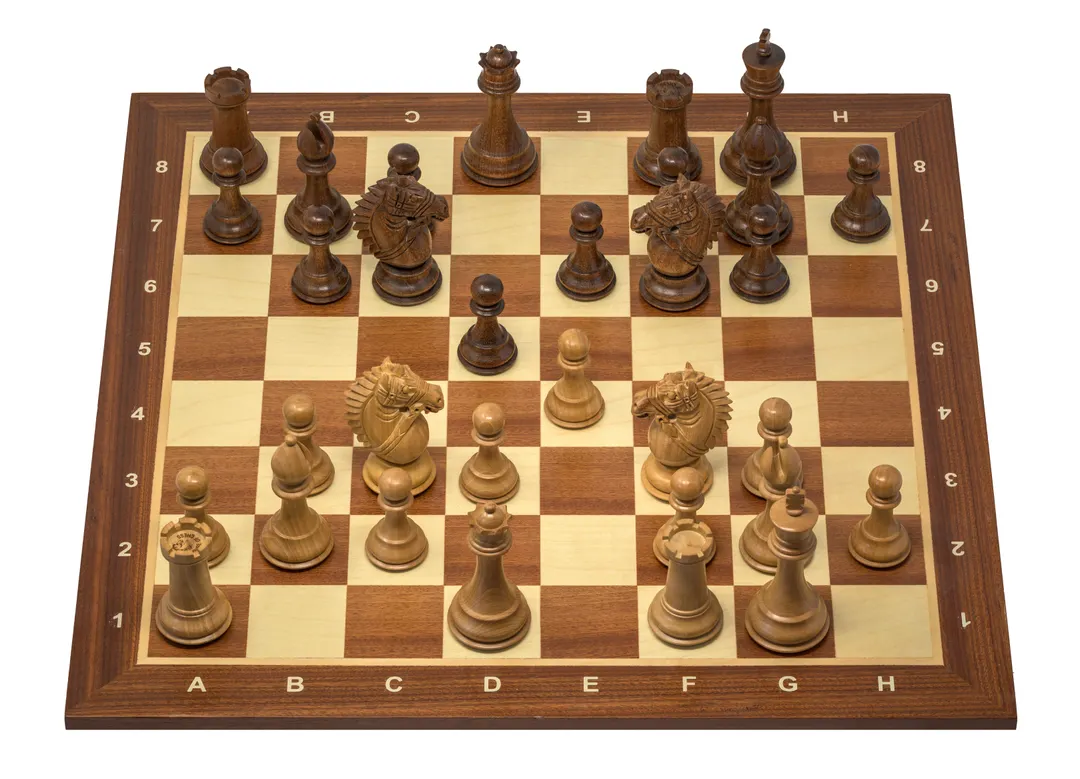
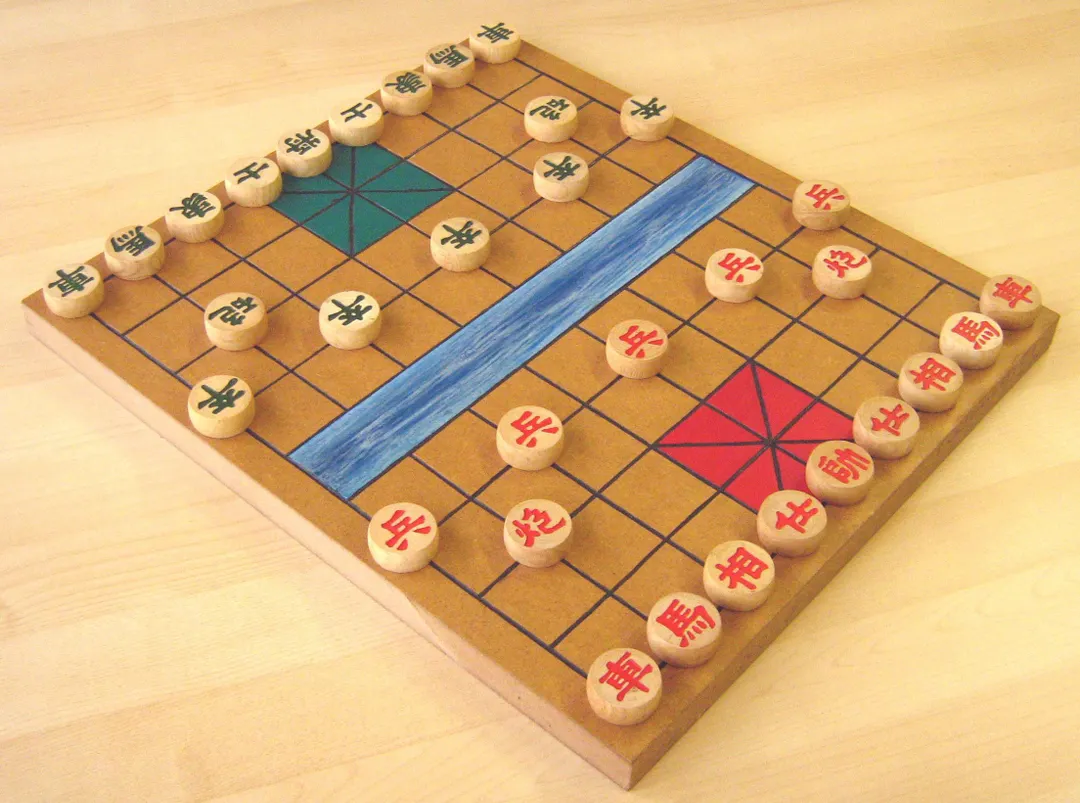
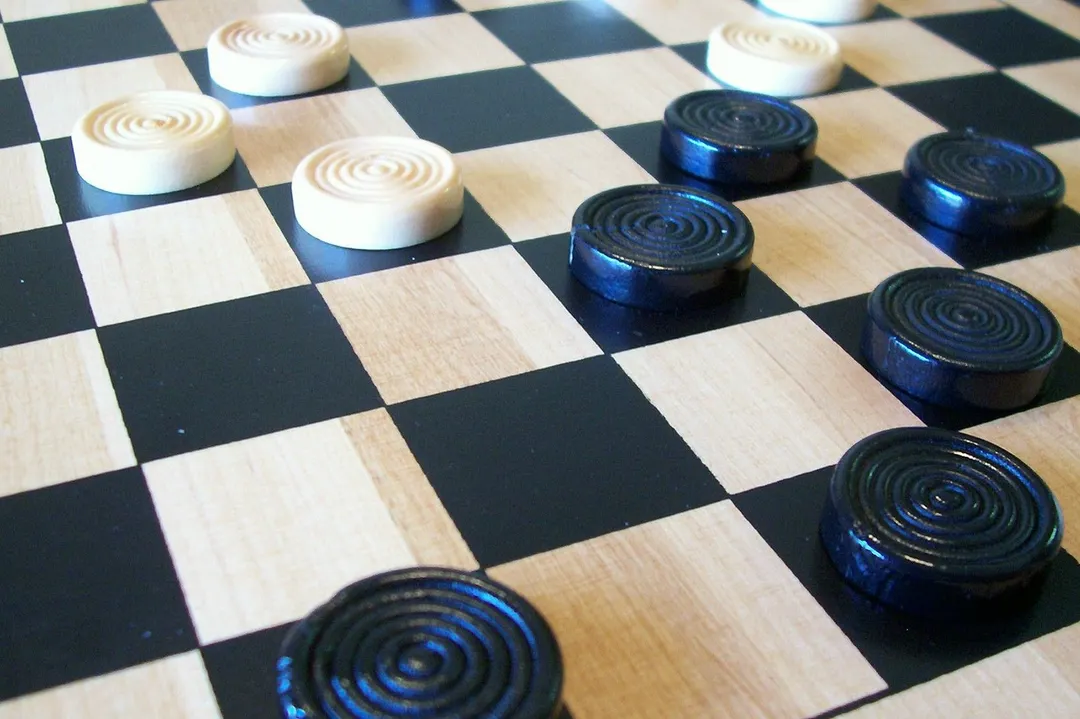




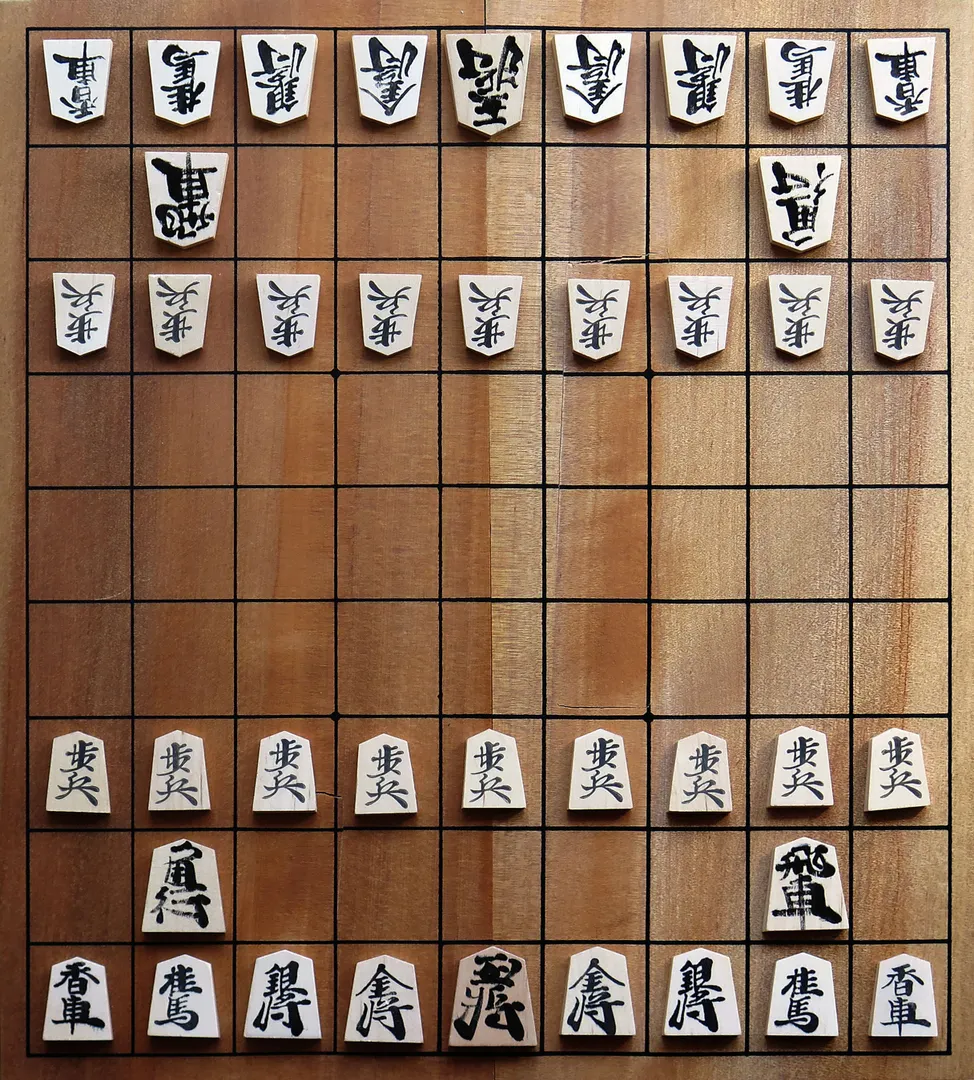
Of Japanese origins, Shogi is played on a 9 by 9 board, and the object is to capture the opponent's king. There are two main differences with Western chess. First, not only pawns but almost every piece can promote if it reaches the opponents three last rows. Second and most distinctive characteristic is that captured pieces become property of the capturing player and during his turn he can "parachute" or "drop" them back to the board instead of performing a normal move. Because of this feature, similar to Bughouse, the game can last longer than a Chess game, the board generally stays fairly crowded and there is no simplification going into the endgame. However, the endgame is typically more rapid with many possibilities for attack and ways to achieve a checkmate, which also makes draws/ties very rare. According to "A World of Chess" by Jean-Louis Cazaux & Rick Knowlton (2017, ISBN 978-0-7864-9427-9), Bishop, Rook and Drunk Elephant were introduced to the 9x9 Shogi creating Sho Shogi, the immediate predecessor of Shogi, in the middle of the 15th century. Modern Shogi where created with the introduction of the drop rule and the removal of the Drunk Elephant piece in Sho Shogi. This happened between 1567 and 1587 (earliest recording of modern Shogi). The latter date is based upon a picture in the diary of the samurai Matsudaira Ietada, dated 1587, which shows a game identical to the one of today.
Shogi supports 2 players according to the catalogue. This is the publisher’s listed player count, so the game is designed for exactly that number of participants. Variants for other group sizes, if any, are described in the rulebook of your edition, so check it before setting up a different configuration.
The listed playing time for Shogi is 60 minutes. This is the publisher’s estimate for a full game. The actual duration depends on the group, the player count and familiarity with the rules: first sessions usually run longer, while experienced groups often finish faster. Setup and teaching time are not included in this estimate.
The catalogue lists Shogi for ages 8 and up. This is the publisher’s recommendation and reflects reading demands, rule complexity and small components rather than theme alone. Younger players can often join with help from an adult, so check the age guidance on your edition and consider your group’s experience with board games.
Shogi has a complexity rating of 3.8 out of 5 from BoardGameGeek players, which makes it a heavy game. The rating reflects how much rules knowledge, planning and decision-making a typical game demands. Expect a longer first teach for heavier games, and use a preparation guide before game night.
Shogi belongs to these categories: Abstract Strategy. Its main mechanics are Square Grid, Grid Movement, and Pattern Movement. Categories describe the theme and setting of a game, while mechanics describe what players actually do on their turns. Each mechanic links to a catalogue hub with similar games, which helps when you want something comparable.
The catalogue lists Shogi as a base game. It can be played on its own with the components in the box and does not require any other title. Expansions, if any exist, add new content or rules on top of it and are listed separately in the catalogue with a link back to this base game.