
- BGG rank
- BGG #2,138
- BGG rating
- 7.0
Inside Job
- 2–5 players
- 20–30 min
- Complexity 1.7/5
- 2022
1810
Rules assistance for Skat
Plain-language explanations of turns, card effects and disputed situations, with official source references and saved question history.
For 3 players
What would you like to know?
Answers come from the official rulebook, with the page to check.
Skat is a board game released in 1810 for 3 players, 30 minutes per game, and ages 10 and up. Its main mechanics are Auction / Bidding, Team-Based Game, and Communication Limits.
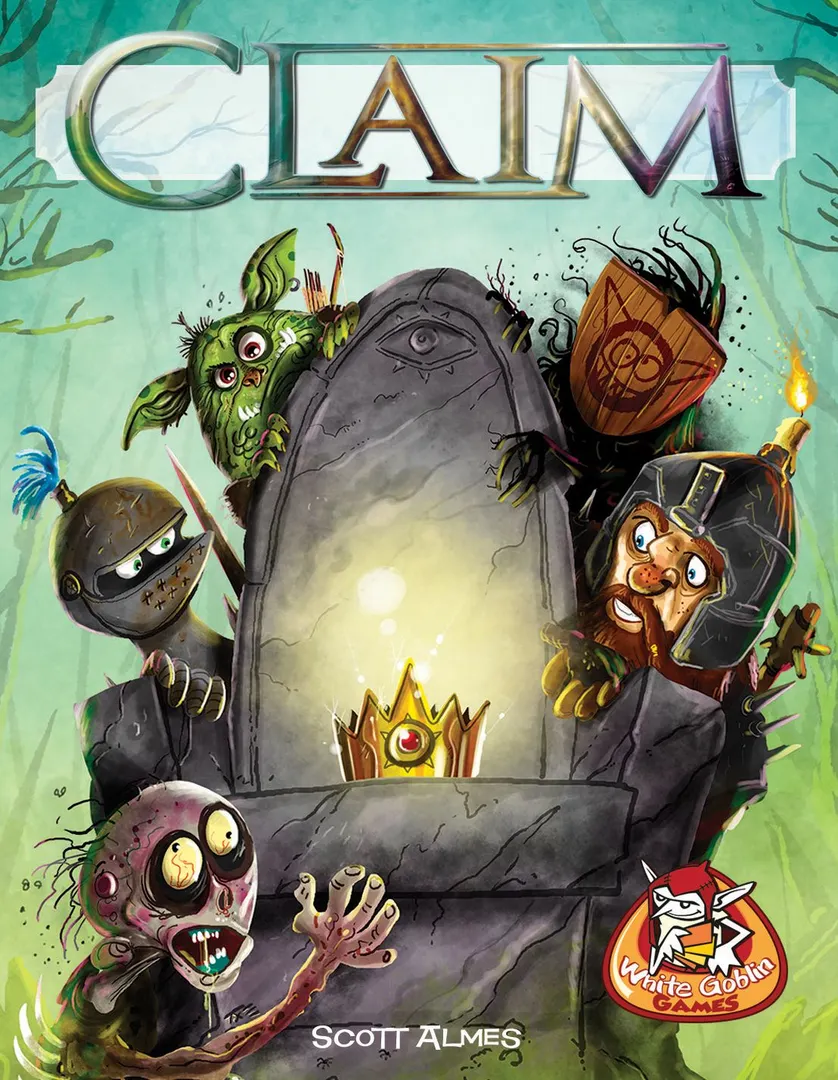
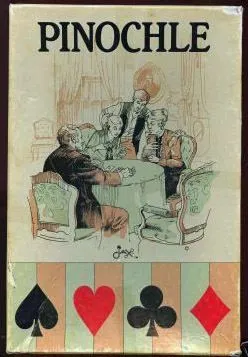
Traditional German card game for three players played with a standard card deck (2-6 removed), roughly 200 years old. The game is based on Schafkopf, Ombre (bidding) and Tarock (remaining cards). The latest revision of rules as approved by both the International Skat Players Association (ISPA) and the German Skat Association (DSkV) dates back to 1998. A play comprises two phases: first an intricate bidding process to decide the solo player who choses the type of game to be played in the second phase, the actual playing of tricks. If the solo player wins (takes more than half the total worth of cards in the game), the solo player alone will score points equal to the announced type of game and other modifiers (listed below); otherwise, the other two players will each score the double amount of these points. Both the bid and the final score depend on type of game announced combination of Jacks margin of winning (score 90+: "schneider"; take all tricks: "schwarz") (optional) declaration of margin of winning before the first trick is played (optional) open play of cards (optional) play with the initial hand ("hand" play) (optional) doubling of scoring value: *2 ("Kontra"); re-doubling *4 ("Re"); unofficial rules allow re-doubling ad infinitum exception for the Ramsch variant including sub-variants: Highest total worth of cards taken as tricks is scored negatively; the score is doubled when one other player took no trick ("virgin"), also doubled for each passing of the remaining cards without exchanging, if the drafting Ramsch variant is applied ("geschoben"); a player may also try to "shoot the moon" by taking all tricks (consequently scores +120 alone when successful). The solo player can choose between the following game modes: Suit (one suit and Jacks are trumps) Grand (only Jacks are trumps) Null (no trumps, solo player only wins without tricks). Unofficial variants: The most popular variant is Ramsch, which is applied when no player bids for the solo. This game mode punishes players who likely avoid the risk of successfully bidding for the solo with an only mediocre, but possible hand. It follows the rules for Grand, but highest score loses (no partnerships!). Due to the sometimes extraordinarily high (negative) scores, Ramsch plays may strongly distort a player's total scoring for the evening, and is therefore not officially sanctioned. Revolution (in three variants): basically a Null in open play, but the counter-players are allowed to exchange cards. Skat gained nation wide popularity and a major development of its mechanisms in the course of the first world war. The game as it is today is a result of constant modification and refinement by countless players in the trenches of the German Western front. The current form of bidding with ascending numbers prevailed among the players, and many unofficial variants were introduced. Though first rejected by the Skat association, a lot of the so-called "trench rules" later became officially sanctioned. The official tournament deck is a compromise that solved another dispute between the German and the International Skat Association by combining the colours of a German Suit (predominantly found in Southern and East Germany, Switzerland, Austria) with the symbols of a French Suit (predominant elsewhere in the regions where Skat is popular, foremost Northern and West Germany).
Skat supports 3 players according to the catalogue. This is the publisher’s listed player count, so the game is designed for exactly that number of participants. Variants for other group sizes, if any, are described in the rulebook of your edition, so check it before setting up a different configuration.
The listed playing time for Skat is 30 minutes. This is the publisher’s estimate for a full game. The actual duration depends on the group, the player count and familiarity with the rules: first sessions usually run longer, while experienced groups often finish faster. Setup and teaching time are not included in this estimate.
The catalogue lists Skat for ages 10 and up. This is the publisher’s recommendation and reflects reading demands, rule complexity and small components rather than theme alone. Younger players can often join with help from an adult, so check the age guidance on your edition and consider your group’s experience with board games.
Skat has a complexity rating of 3.1 out of 5 from BoardGameGeek players, which makes it a medium-weight game. The rating reflects how much rules knowledge, planning and decision-making a typical game demands. Expect a longer first teach for heavier games, and use a preparation guide before game night.
Skat belongs to these categories: Card Game. Its main mechanics are Auction / Bidding, Team-Based Game, and Communication Limits. Categories describe the theme and setting of a game, while mechanics describe what players actually do on their turns. Each mechanic links to a catalogue hub with similar games, which helps when you want something comparable.
The catalogue lists Skat as a base game. It can be played on its own with the components in the box and does not require any other title. Expansions, if any exist, add new content or rules on top of it and are listed separately in the catalogue with a link back to this base game.