
- BGG rank
- BGG #6,073
- BGG rating
- 8.1
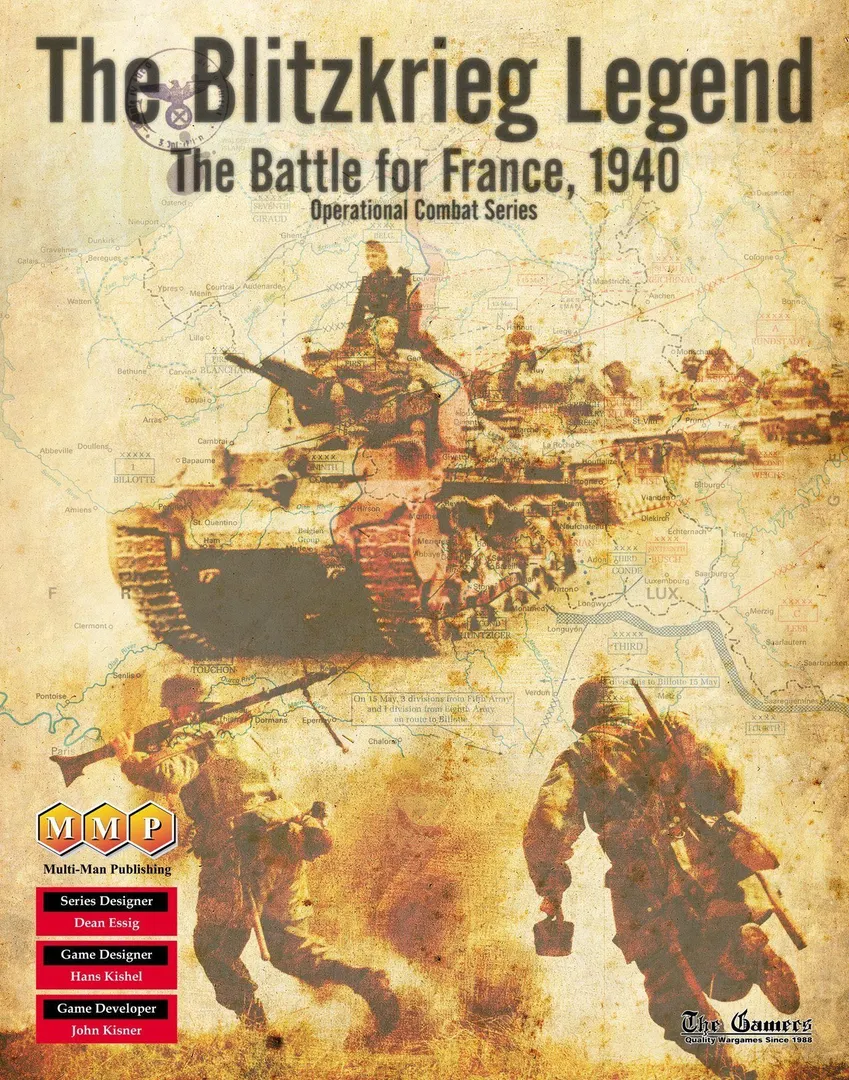
The Blitzkrieg Legend: The Battle for France, 1940
- 2 players
- 2880 min
- Complexity 3.9/5
- 2012
2018
Rules assistance for Smolensk: Barbarossa Derailed
Plain-language explanations of turns, card effects and disputed situations, with official source references and saved question history.
For 1 player
What would you like to know?
Answers come from the official rulebook, with the page to check.
Smolensk: Barbarossa Derailed is a board game released in 2018 for 1–2 players, 120–4560 minutes per game, and ages 16 and up. It was designed by Dean Essig and Hans Kishel and its main mechanics are Dice Rolling, Hexagon Grid, and Simulation.
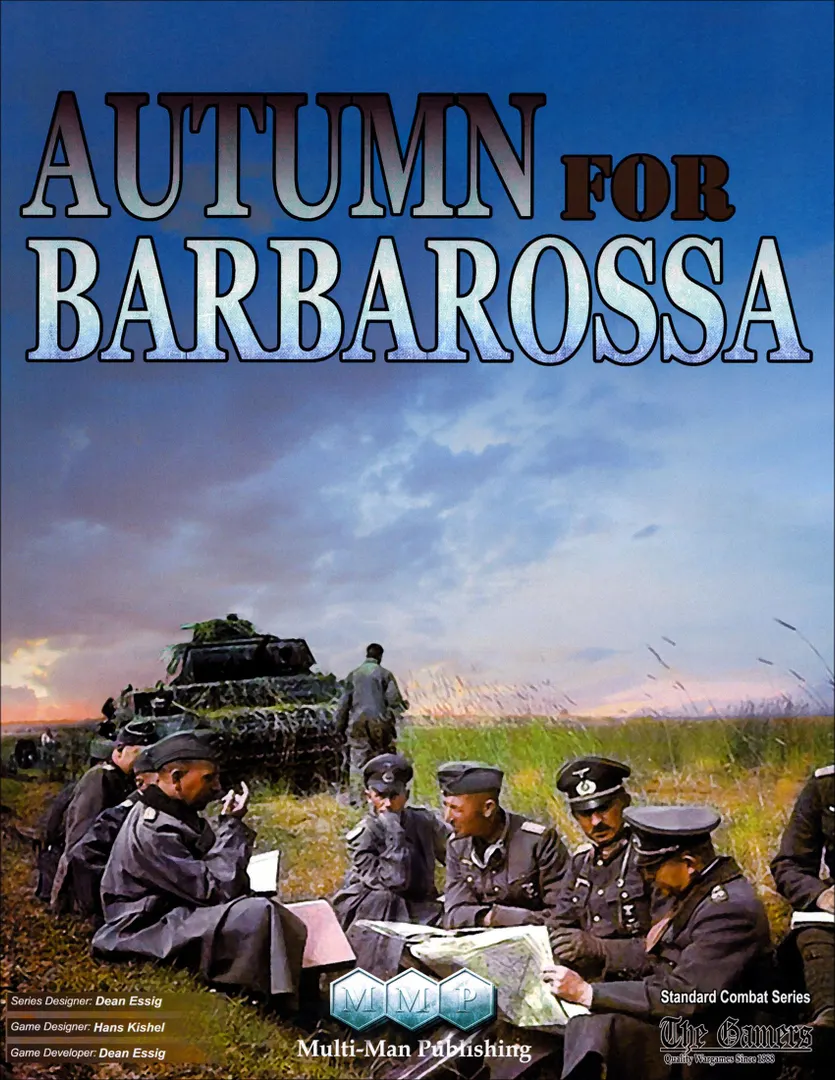


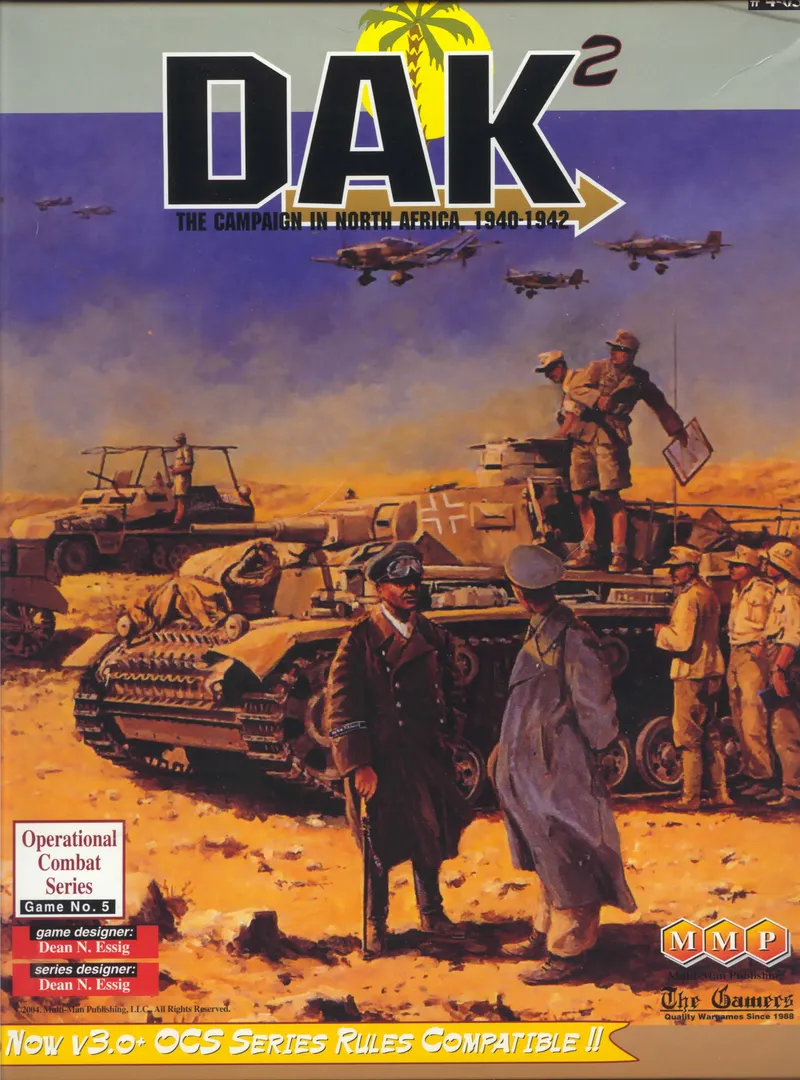
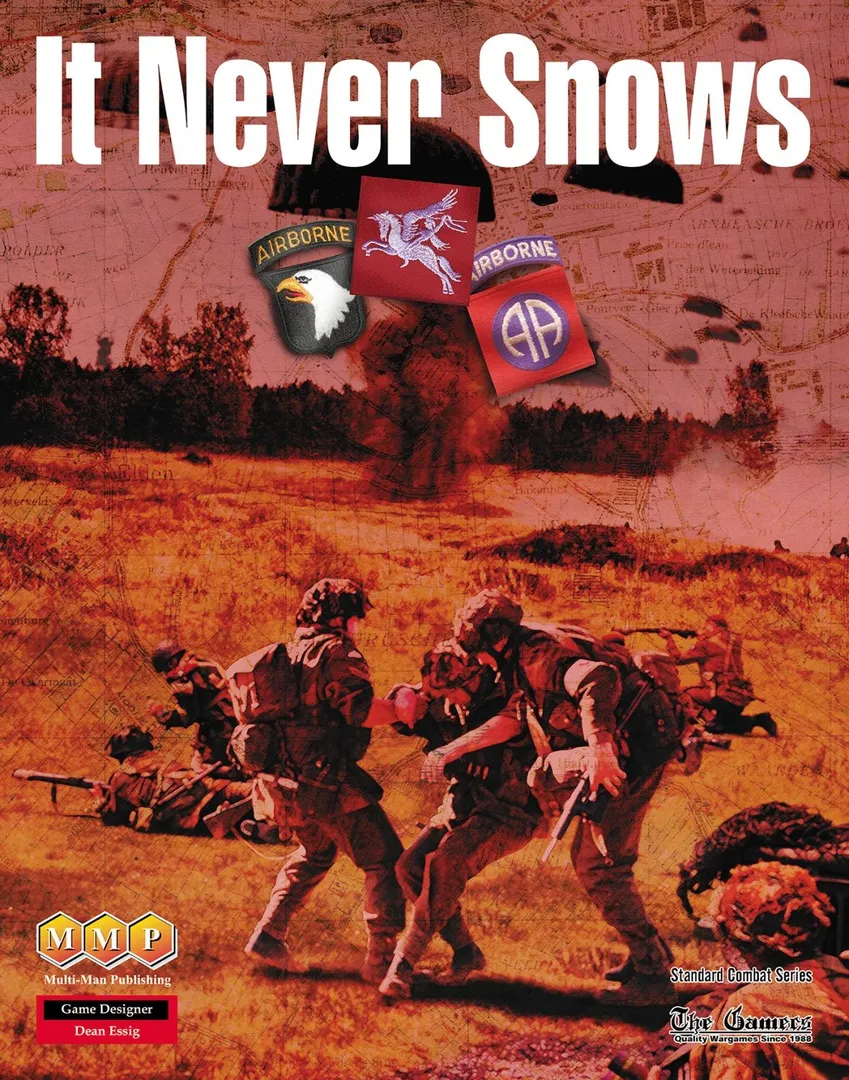
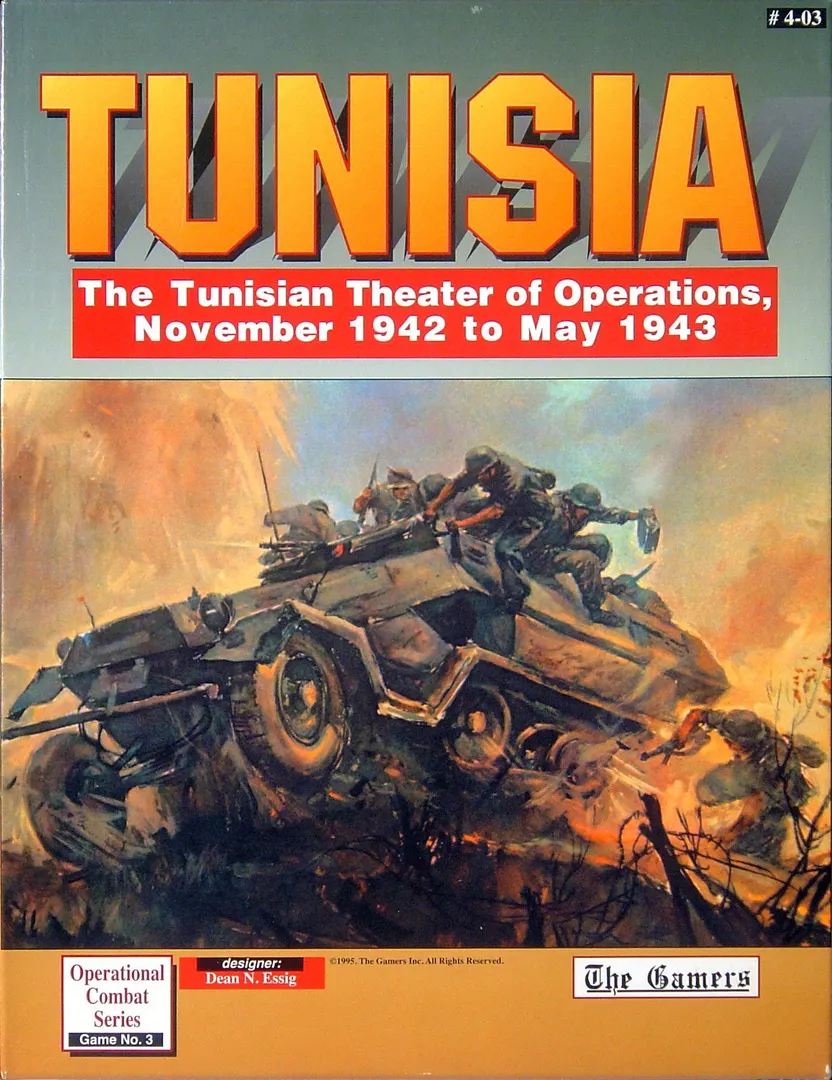



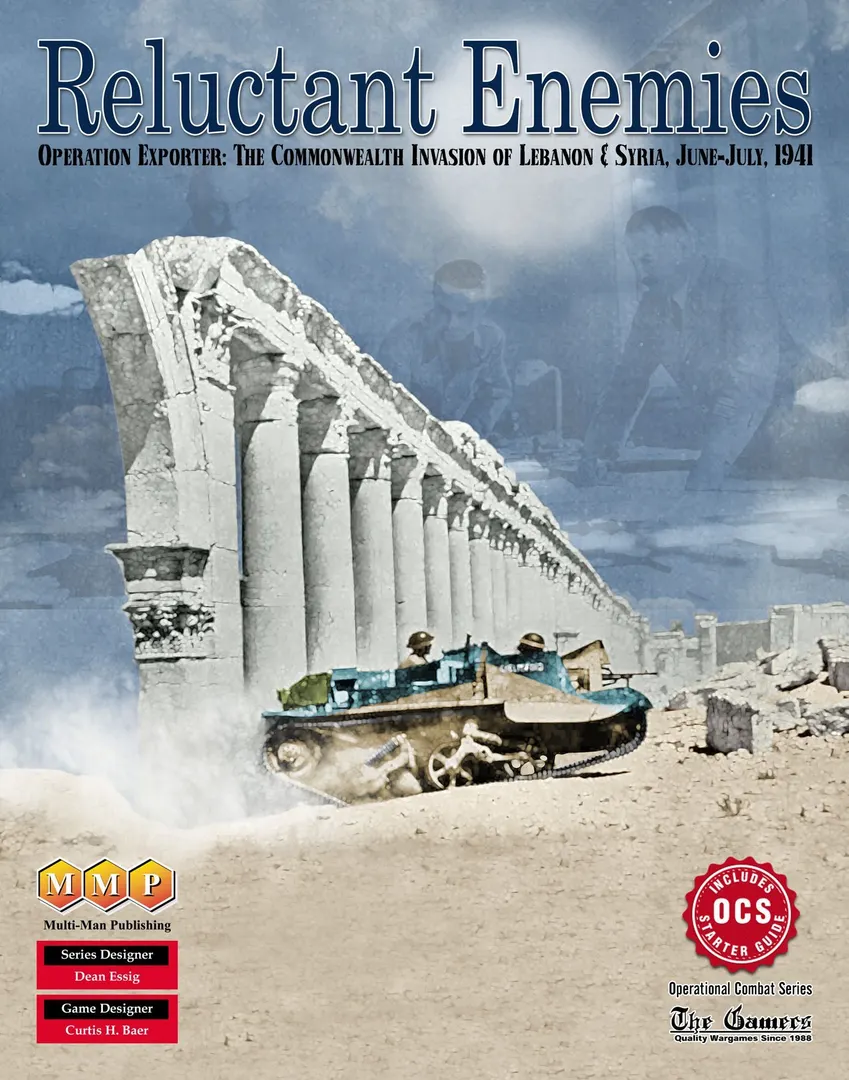
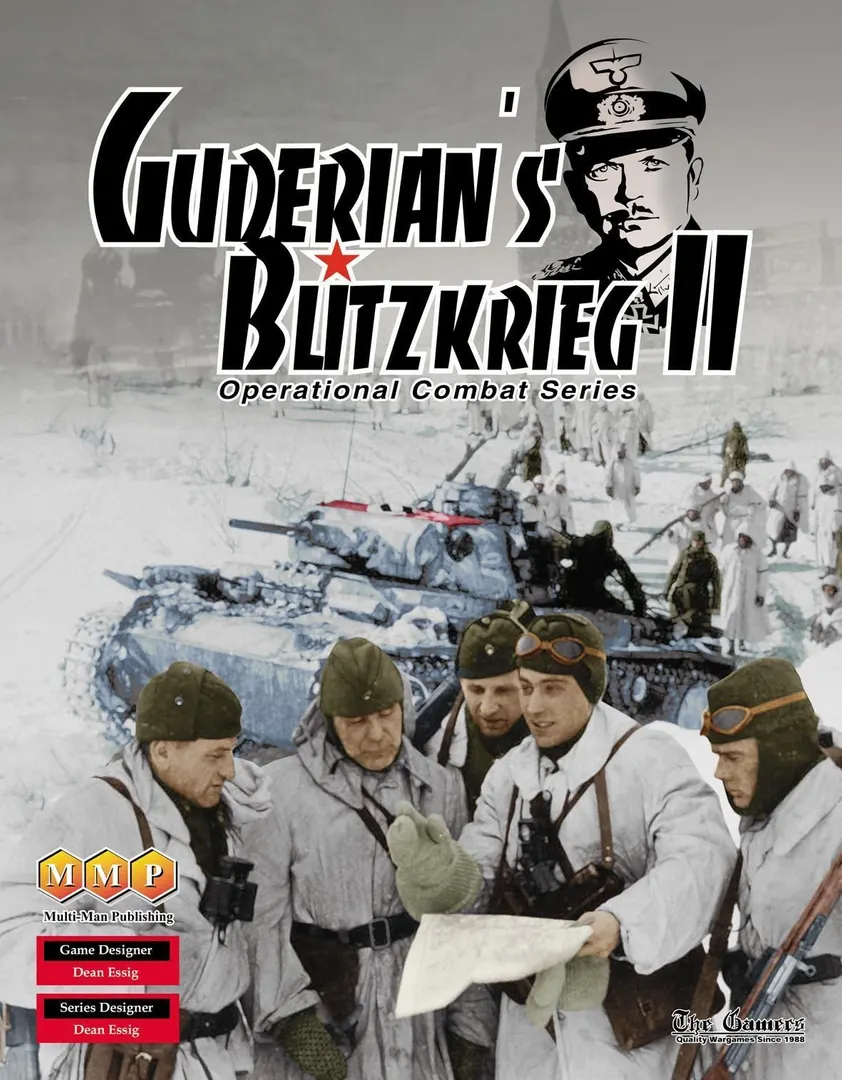
Description from the publisher: Smolensk: Barbarossa Derailed is the latest release in the Operational Combat Series (OCS), covering the campaign along the Moscow highway in the summer of 1941. These actions set the stage for the Wehrmacht’s autumn drive on the Soviet capital, and many historians believe the bitter fighting here ultimately doomed the Axis to failure in Russia. The game begins on 8 July with Barbarossa still in high gear. In August, the advance stalls as Hitler diverts most of the panzers from the map to forces around Leningrad and Kiev. Soviet counteroffensives will push Army Group Center close to the breaking point by game’s end on 8 September. The asymmetry of the two armies will be familiar to veterans of past OCS campaigns, especially Guderian’s Blitzkrieg II. There is the expected qualitative difference in typical Action Ratings, along with stark contrasts in logistical capabilities and replacement rates. There also some unique twists in the situation, including: Three of the panzer divisions are getting their first taste of combat, so their Action Ratings are reduced. The rivalry between Heinz Guderian and Hermann Hoth makes it difficult for these generals to coordinate their panzer armies, and might prevent the ring from closing around Smolensk. Soviet tank divisions are shown for the first time. They pack a wallop, but their quality leaves a lot to be desired. The Soviet 1st Motorized Division is presented as a somewhat elite multi-unit formation that includes some heavy KV-1s and T-34s. The contributions of small militia, tank, and anti-tank units are reflected by the Soviet Alarm Pool. Other chrome accounts for ‘tree bark soup’ (used by cut-off units), planes diverted to terror-bomb Moscow, and special markers for artillery ammo & katyusha effects. Smolensk is a small and fairly simple entry in the series, with special rules kept to a minimum. We think players will enjoy the fact both sides must attack and defend. By the end they will learn three things about this campaign: the Soviets are more than just punching bags, the Germans are challenged to hold their early gains, and the road to Moscow will be paved in blood. Seven scenarios are included: Intro Scenario: Vitebsk, 1/2 turn, using about 1/4 of the map Smolensk Campaign, 8 July to 8 September (19 turns) Late July Start, 22 July to 8 September (15 turns) 1st Counteroffensive, 22 July to 1 August (4 turns) Early August Start, 8 August to 8 September (10 turns) 2nd Counteroffensive, 8 August to 22 August (5 turns) 3rd Counteroffensive, 26 August to 8 September (5 turns)
Smolensk: Barbarossa Derailed supports 1–2 players according to the catalogue. This range comes from the publisher’s listed player count, so the game can be set up for any group size within it. Some setups, rules and scoring details may still vary by player count, so check your edition’s rulebook for the exact configuration.
The listed playing time for Smolensk: Barbarossa Derailed is 120–4560 minutes. This is the publisher’s estimate for a full game. The actual duration depends on the group, the player count and familiarity with the rules: first sessions usually run longer, while experienced groups often finish faster. Setup and teaching time are not included in this estimate.
The catalogue lists Smolensk: Barbarossa Derailed for ages 16 and up. This is the publisher’s recommendation and reflects reading demands, rule complexity and small components rather than theme alone. Younger players can often join with help from an adult, so check the age guidance on your edition and consider your group’s experience with board games.
Smolensk: Barbarossa Derailed has a complexity rating of 4.0 out of 5 from BoardGameGeek players, which makes it a heavy game. The rating reflects how much rules knowledge, planning and decision-making a typical game demands. Expect a longer first teach for heavier games, and use a preparation guide before game night.
Smolensk: Barbarossa Derailed belongs to these categories: Wargame and World War II. Its main mechanics are Dice Rolling, Hexagon Grid, and Simulation. Categories describe the theme and setting of a game, while mechanics describe what players actually do on their turns. Each mechanic links to a catalogue hub with similar games, which helps when you want something comparable.
The credited designers of Smolensk: Barbarossa Derailed are: Dean Essig and Hans Kishel. These credits come from the published game data and name the people responsible for the game’s design, not its illustrators or publishers. Designer pages on MeepleRules collect other titles by the same designers, which helps when you enjoy a game and want to find similar ones.
The catalogue lists Smolensk: Barbarossa Derailed as a base game. It can be played on its own with the components in the box and does not require any other title. Expansions, if any exist, add new content or rules on top of it and are listed separately in the catalogue with a link back to this base game.