
- BGG rank
- BGG #3,518
- BGG rating
- 7.7
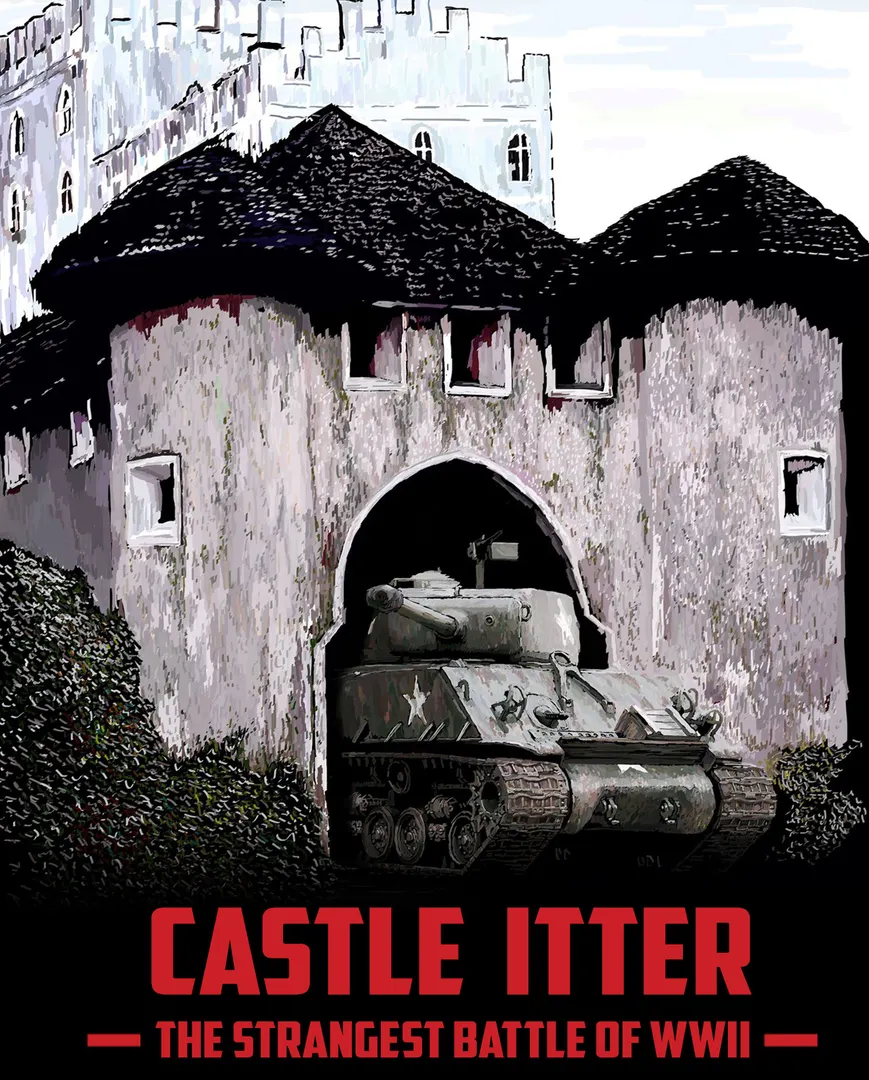
Castle Itter: The Strangest Battle of WWII
- 1 player
- 45–60 min
- Complexity 2.3/5
- 2019
2021
Rules assistance for Soldiers in Postmen's Uniforms
Plain-language explanations of turns, card effects and disputed situations, with official source references and saved question history.
For 1 player
What would you like to know?
Answers come from the official rulebook, with the page to check.
Soldiers in Postmen's Uniforms is a board game released in 2021 for 1 player, 60–75 minutes per game, and ages 10 and up. It was designed by David Thompson (I) and its main mechanics are Dice Rolling, Point to Point Movement, and Simulation.
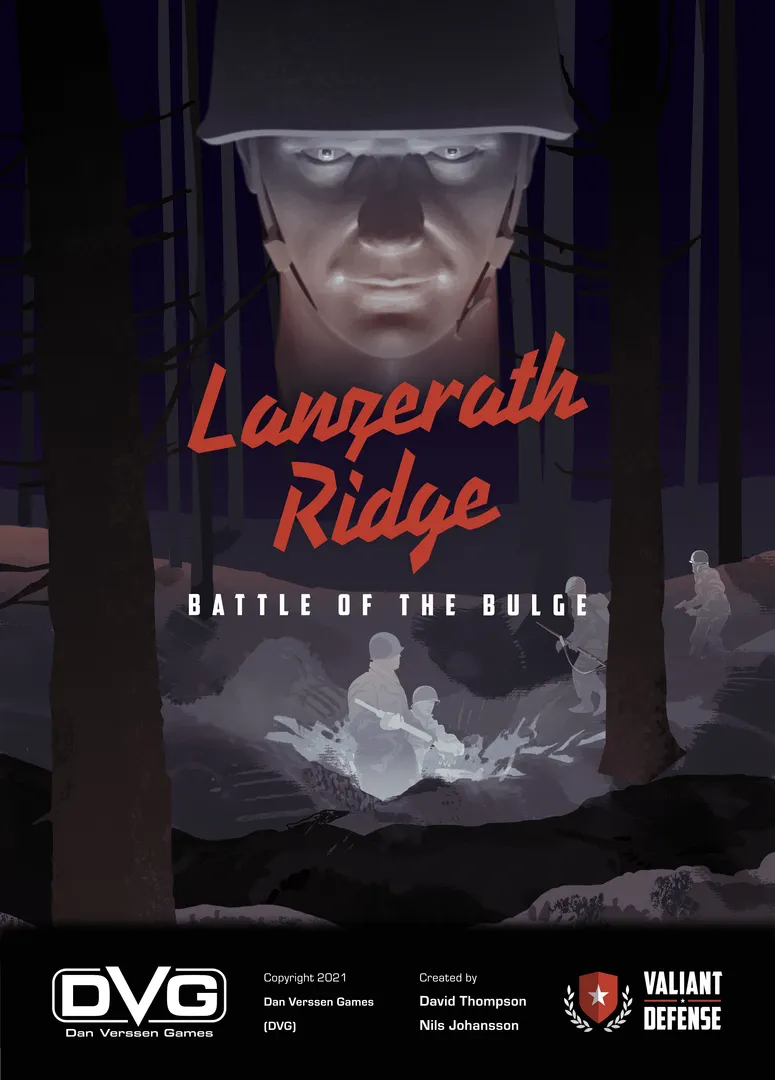


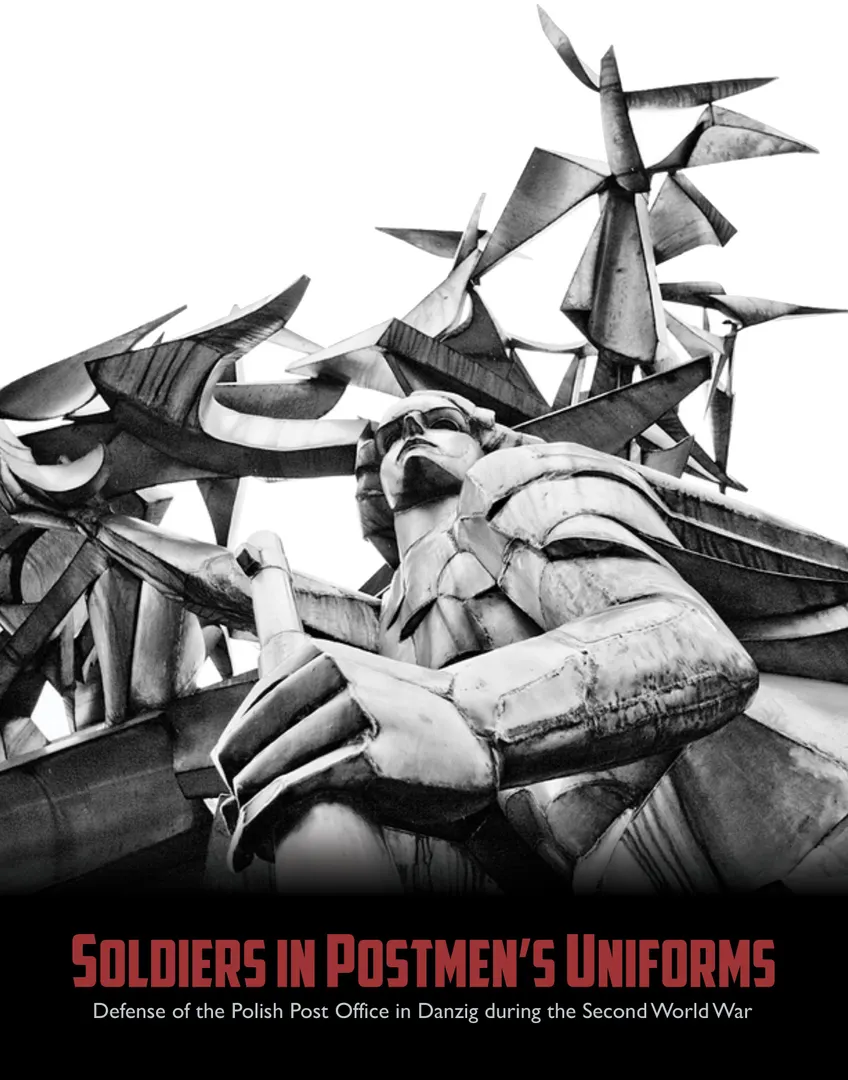
"Soldiers in Postmen's Uniforms" is a skirmish-level solitaire wargame that takes place in the Free City of Danzig on the first day of the Second World War. Danzig (present-day Gdańsk) came into being in 1920, in accordance with the 1919 Treaty of Versailles. Over the next two decades the city became a flash-point in Polish-German relations, which culminated in the Danzig Crisis of 1939. On the first day of the Second World War, German forces moved in to seize Polish installations in Danzig. Two of the installations were on alert and under orders to hold out: the Military Transit Depot on the peninsula of Westerplatte and the Polish Postal Office No. 1. The personnel of the post office repulsed repeated assaults, and were forced to surrender only after a day-long siege, when the post office was doused with gasoline and set alight. Though German propaganda cast these acts of defiance as futile and a failure, they were viewed by the Polish people as symbolic of their stand against a materially superior aggressor. In Soldiers in Postmen’s Uniforms you take control of the valiant defenders of Polish Postal Office No. 1 in the Free City of Danzig on the first day of WW2. Under your command, the defenders must fend off relentless attacks from the Danzig Schutzpolizei and two German SS units. Object of the Game The goal of Soldiers in Postmen’s Uniforms is to recreate the incredible historic accomplishment of the Polish postal workers by defending the post office during the day-long siege. You must last until the three enemy card decks are depleted, while protecting the postal workers and non-combatants. You score points for defenders that survive the assault — the higher your score, the better. Gameplay Soldiers in Postmen’s Uniforms is divided into three attack periods, each of which is represented by a deck of enemy cards. Attack 1 took place during the morning hours. This was the Danzig Schutzpolizei’s initial assault, which targeted the rear of the post office. Attack 2 took place during midday. In this assault, the Schutzpolizei attacked the front of the post office and were supported by armored vehicles as well as infantry guns and a howitzer from SS units. Attack 3 took place in the evening. This final assault was conducted by elements of two SS units against the front of the post office. It ended when the attackers brought up a fire engine filled with gasoline, pumped it into the building, and ignited it with a hand grenade. Each attack period is divided into turns, and each turn consists of three or four phases (depending on the attack period): Enemy Phase: Resolve five enemy cards. Defense Phase: Perform four moves and four actions with defenders. Clearing Phase: Assault counters inside the building remove defenders. Escape Phase (Attack 3 only): Defenders escape from the building. The game ends at the end of the turn when you draw the enemy fire engine card during Attack 3. At the end of the game, your score is based on the number of noncombatants and postal workers that survived the attacks. —description from the publisher
Soldiers in Postmen's Uniforms supports 1 player according to the catalogue. This is the publisher’s listed player count, so the game is designed for exactly that number of participants. Variants for other group sizes, if any, are described in the rulebook of your edition, so check it before setting up a different configuration.
The listed playing time for Soldiers in Postmen's Uniforms is 60–75 minutes. This is the publisher’s estimate for a full game. The actual duration depends on the group, the player count and familiarity with the rules: first sessions usually run longer, while experienced groups often finish faster. Setup and teaching time are not included in this estimate.
The catalogue lists Soldiers in Postmen's Uniforms for ages 10 and up. This is the publisher’s recommendation and reflects reading demands, rule complexity and small components rather than theme alone. Younger players can often join with help from an adult, so check the age guidance on your edition and consider your group’s experience with board games.
Soldiers in Postmen's Uniforms has a complexity rating of 2.7 out of 5 from BoardGameGeek players, which makes it a medium-light game. The rating reflects how much rules knowledge, planning and decision-making a typical game demands. Expect a longer first teach for heavier games, and use a preparation guide before game night.
Soldiers in Postmen's Uniforms belongs to these categories: Wargame and World War II. Its main mechanics are Dice Rolling, Point to Point Movement, and Simulation. Categories describe the theme and setting of a game, while mechanics describe what players actually do on their turns. Each mechanic links to a catalogue hub with similar games, which helps when you want something comparable.
The credited designers of Soldiers in Postmen's Uniforms are: David Thompson (I). These credits come from the published game data and name the people responsible for the game’s design, not its illustrators or publishers. Designer pages on MeepleRules collect other titles by the same designers, which helps when you enjoy a game and want to find similar ones.
The catalogue lists Soldiers in Postmen's Uniforms as a base game. It can be played on its own with the components in the box and does not require any other title. Expansions, if any exist, add new content or rules on top of it and are listed separately in the catalogue with a link back to this base game.