
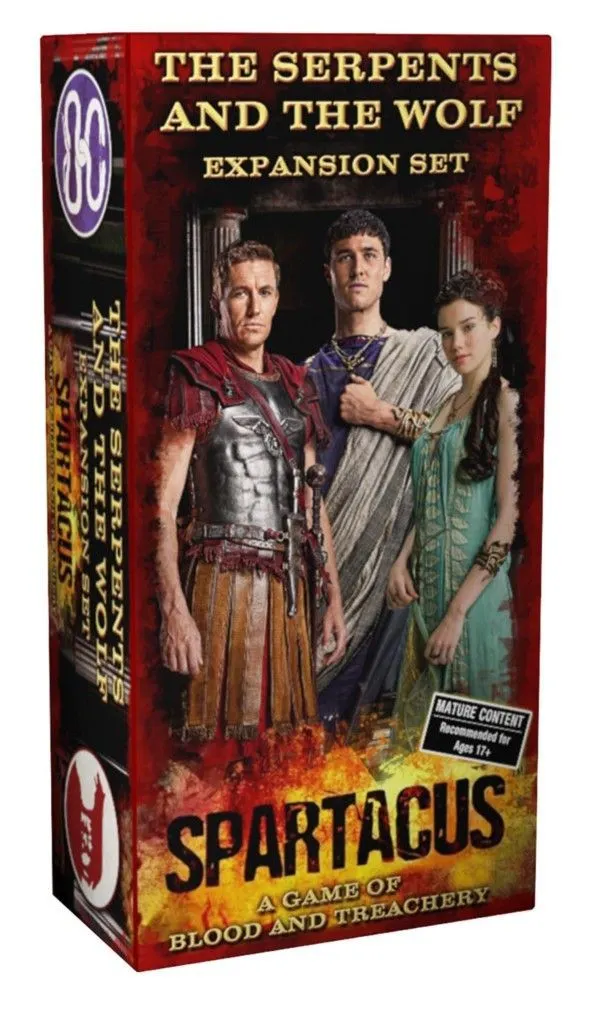
- BGG rating
- 8.0
Spartacus: The Serpents and the Wolf Expansion Set
- 3–6 players
- 120–180 min
- Complexity 2.6/5
- 2013
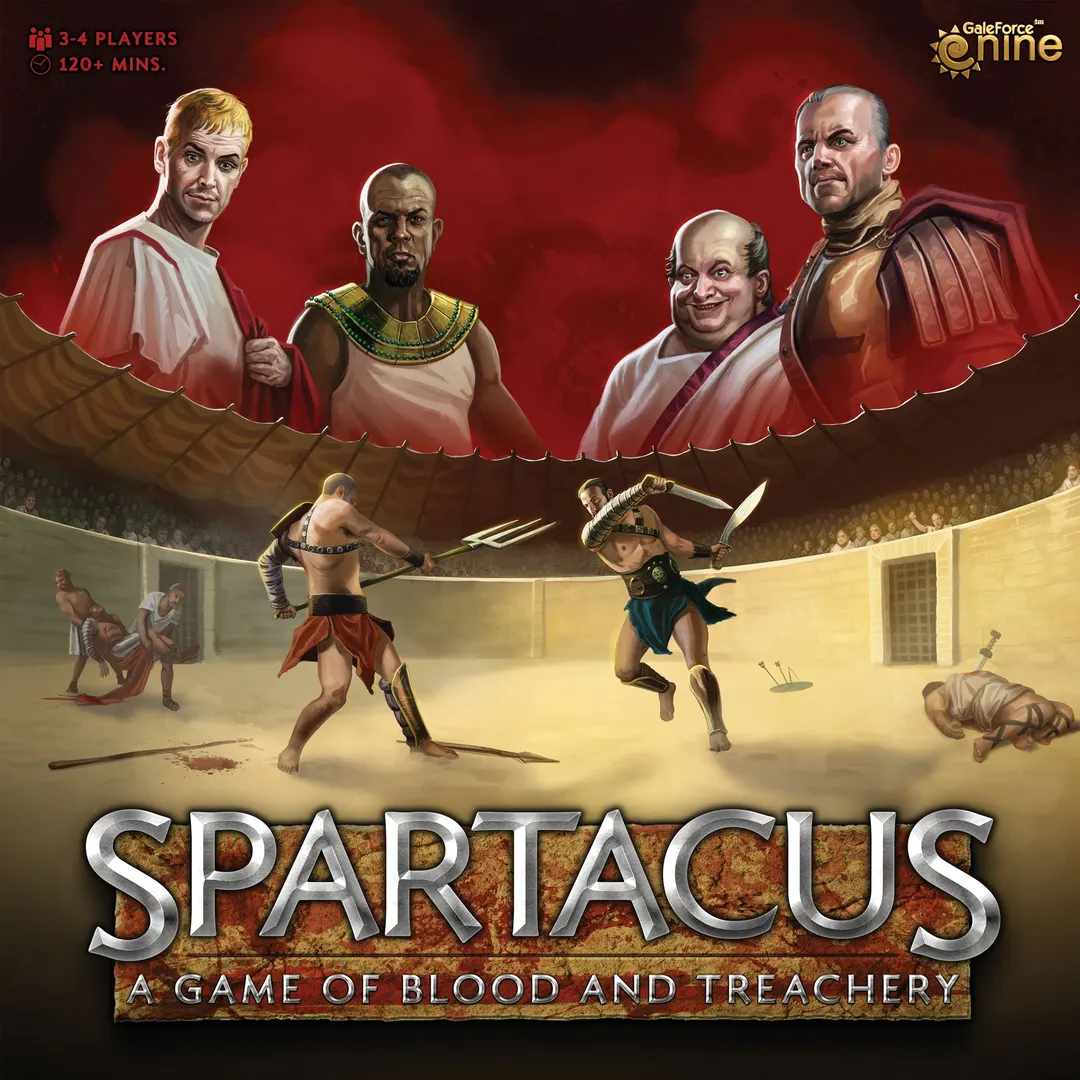
2012
Rules assistance for Spartacus: A Game of Blood and Treachery
Plain-language explanations of turns, card effects and disputed situations, with official source references and saved question history.
For 3 players
What would you like to know?
Answers come from the official rulebook, with the page to check.
Spartacus: A Game of Blood and Treachery is a board game released in 2012 for 3–4 players, 120–180 minutes per game, and ages 17 and up. It was designed by John Kovaleski, Sean Sweigart, and Aaron Dill and its main mechanics are Variable Player Powers, Hand Management, and Trading.
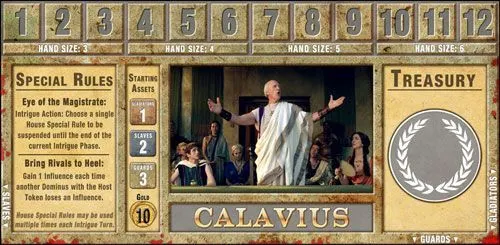
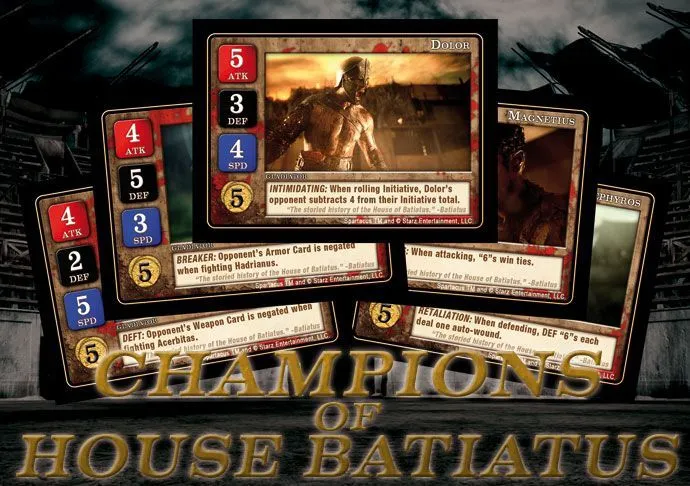
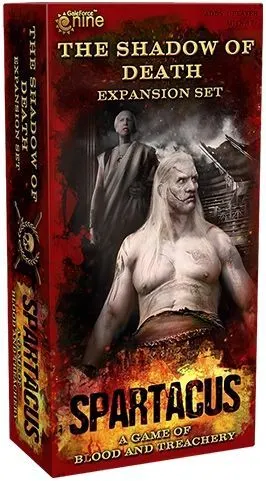
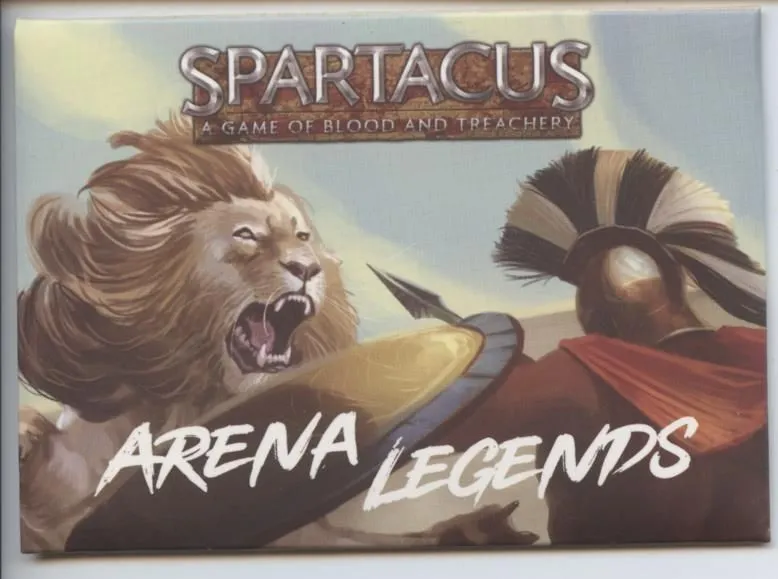






In Spartacus: A Game of Blood & Treachery, an exciting game of twisted schemes and bloody combats inspired by the hit STARZ Original series, each player takes on the role of Dominus, head of a rising house in the ancient Roman city of Capua. Each house is competing for Influence to gain the favor of Rome. Through a combination of political schemes and glorious battles on the arena sands your house will rise in fame and stature. As Dominus, you have a variety of resources at your disposal. Guards protect you from schemes launched by rivals. Slaves run your household and earn gold. Gladiators compete to bring glory to themselves and influence to their Dominus. Three main phases occur in each game round of Spartacus: A Game of Blood & Treachery. The Intrigue Phase is when players launch their Schemes, hoping to raise their fortunes while undermining their rivals. Schemes and Reactions are represented by cards in the Intrigue Deck. Players wield their Influence to put their Schemes into play, often asking for (or bribing) another player’s help in hatching the most complex plots. The Market Phase is when players buy, sell and trade Assets (Gladiators, Slaves, Equipment and Guards). Players also bid against each other to acquire new Assets at Auction. Wealth is not the only path to success as players bluff and bargain with each other to acquire the Assets they covet. The Arena Phase is when the bloody games are held. Gladiators from two rival Houses are pitted against each other in a brutal fight for glory. The spectacles of the games are represented by miniature combat on the arena board. Fighters pit their Attack, Defense and Speed dice against one another to determine the victor. All players seek to increase their fortunes by betting on the outcome of the gruesome conflict. Fighters who emerge from the arena victorious gain Favor and their Dominus gain Influence. The goal of the game is to become the most influential house in Capua, securing your family’s power for years to come. During the game, players will bribe, poison, betray, steal, blackmail, and undermine each other. Gold will change hands again and again to buy support, stay someone’s hand or influence their decisions. Will you be the honorable player whose word is their bond or the treacherous schemer whose alliances change with the wind? —description from the publisher
Spartacus: A Game of Blood and Treachery supports 3–4 players according to the catalogue. This range comes from the publisher’s listed player count, so the game can be set up for any group size within it. Some setups, rules and scoring details may still vary by player count, so check your edition’s rulebook for the exact configuration.
The listed playing time for Spartacus: A Game of Blood and Treachery is 120–180 minutes. This is the publisher’s estimate for a full game. The actual duration depends on the group, the player count and familiarity with the rules: first sessions usually run longer, while experienced groups often finish faster. Setup and teaching time are not included in this estimate.
The catalogue lists Spartacus: A Game of Blood and Treachery for ages 17 and up. This is the publisher’s recommendation and reflects reading demands, rule complexity and small components rather than theme alone. Younger players can often join with help from an adult, so check the age guidance on your edition and consider your group’s experience with board games.
Spartacus: A Game of Blood and Treachery has a complexity rating of 2.7 out of 5 from BoardGameGeek players, which makes it a medium-light game. The rating reflects how much rules knowledge, planning and decision-making a typical game demands. Expect a longer first teach for heavier games, and use a preparation guide before game night.
Spartacus: A Game of Blood and Treachery belongs to these categories: Fighting, Movies / TV / Radio theme, and Dice. Its main mechanics are Variable Player Powers, Hand Management, and Trading. Categories describe the theme and setting of a game, while mechanics describe what players actually do on their turns. Each mechanic links to a catalogue hub with similar games, which helps when you want something comparable.
The credited designers of Spartacus: A Game of Blood and Treachery are: John Kovaleski, Sean Sweigart, and Aaron Dill. These credits come from the published game data and name the people responsible for the game’s design, not its illustrators or publishers. Designer pages on MeepleRules collect other titles by the same designers, which helps when you enjoy a game and want to find similar ones.
The catalogue lists Spartacus: A Game of Blood and Treachery as a base game. It can be played on its own with the components in the box and does not require any other title. Expansions, if any exist, add new content or rules on top of it and are listed separately in the catalogue with a link back to this base game.