- BGG rating
- 7.1
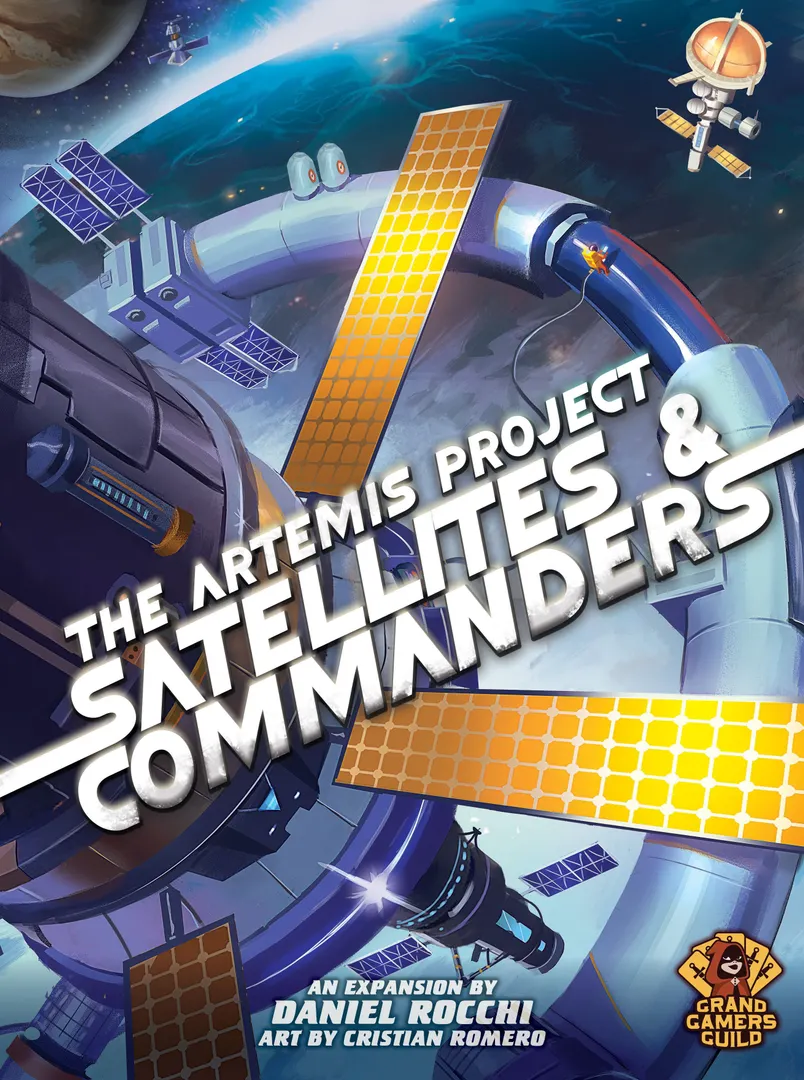
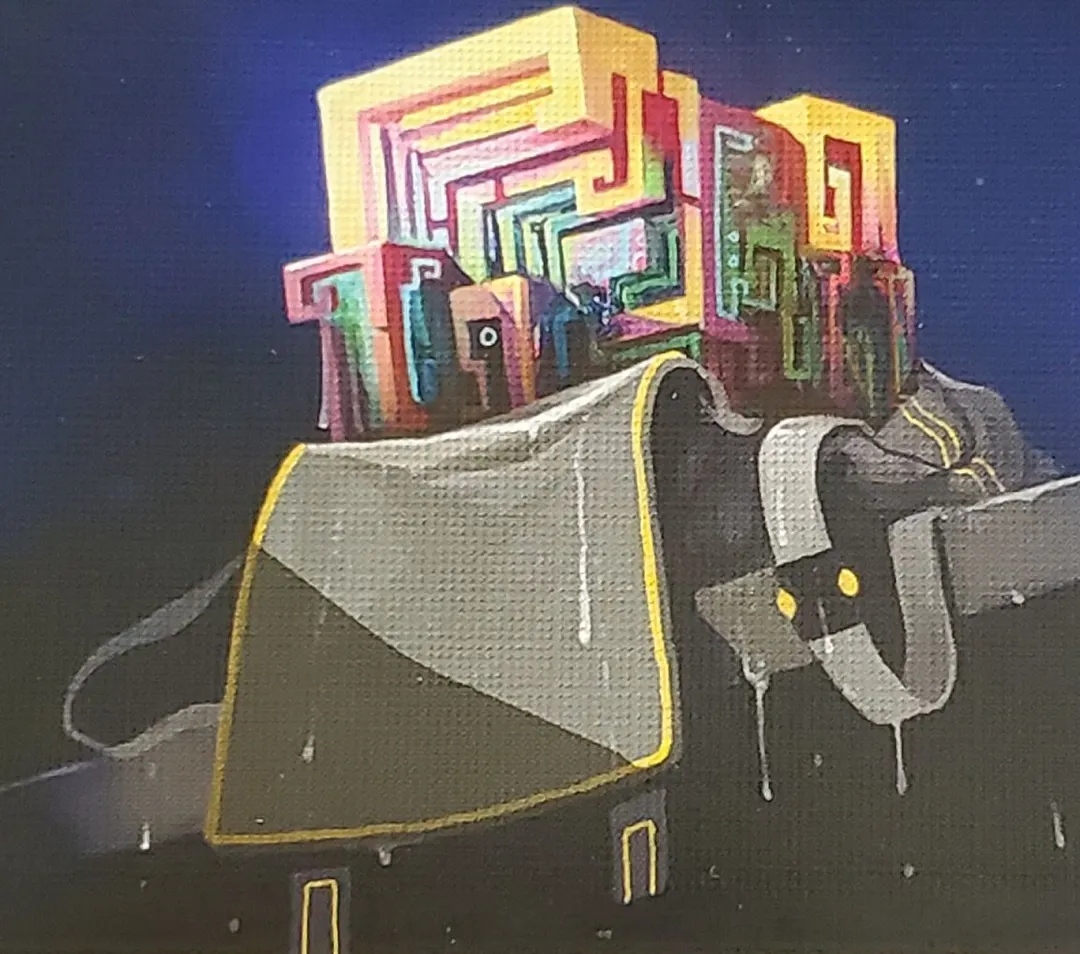
The Artemis Project: "Alien Relic" Mini-Expansion
- 1–5 players
- 60–75 min
- Complexity 3.0/5
- 2019
2019
Rules assistance for The Artemis Project
Plain-language explanations of turns, card effects and disputed situations, with official source references and saved question history.
For 1 player
What would you like to know?
Answers come from the official rulebook, with the page to check.
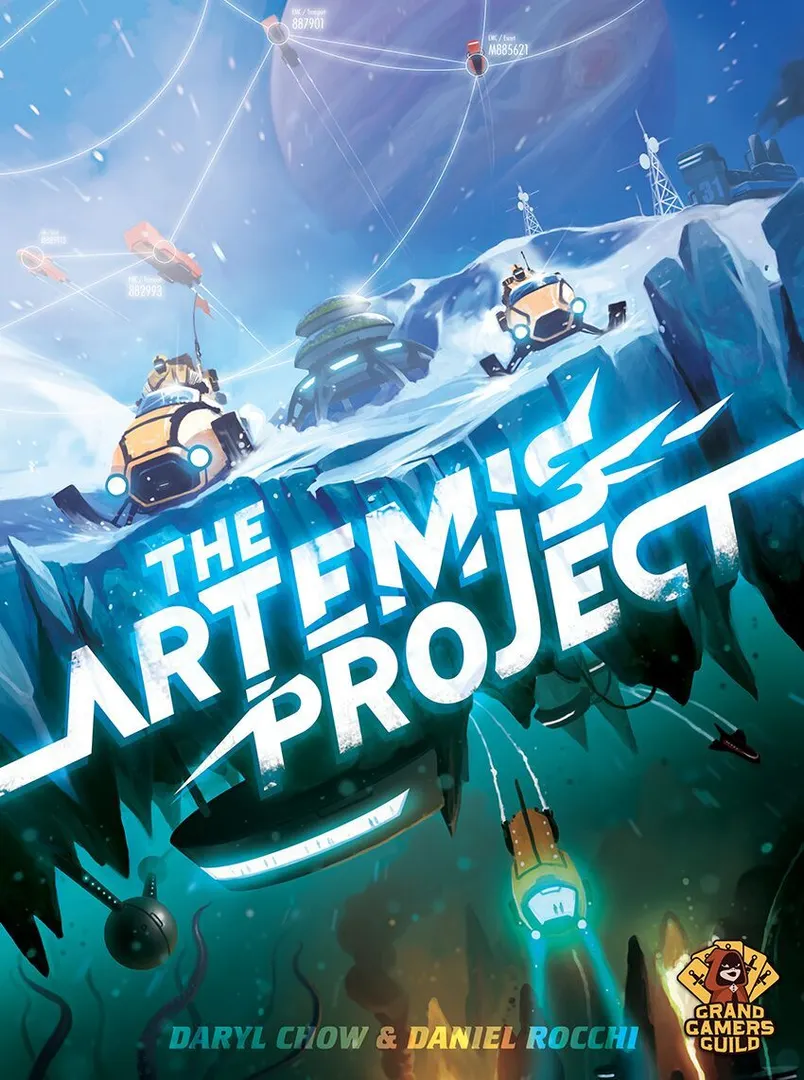
The Artemis Project is a board game released in 2019 for 1–5 players, 60–75 minutes per game, and ages 13 and up. It was designed by Daryl Chow and Daniel Rocchi and its main mechanics are Set Collection, Auction / Bidding, and Dice Rolling.



Europa, Jupiter's moon. Deep beneath the crust, the oceans are teeming with alien sea life. Shellfish, plants, corals, arthropods, even strange fish and larger sea creatures populate a wide-ranging interconnected web of hidden seas. Volcanism is rampant, warming the mineral-rich waters and creating excellent conditions for energy-harvesting. The largest cavern close to the surface is known as The Pocket. This is where the initial teams of Stabilizers built their first outposts, with the intent to establish long-term communities capable of surviving indefinitely. Aqua-farming is well established; food and other sundries are efficiently gathered. The Pocket has many deposits of minerals and crystals that can be mined and processed to create strong and versatile construction materials locally. Colonists arrive at the Doorstep at regular intervals when the Threshold is opened. The arrivals are of four general types: Pioneers (who are tasked with exploring the changing surface of the moon and the labyrinth of seas beneath), Engineers (who develop and operate the machinery and structures needed to run the colonies), Marines (who defend the colonies from hostile sea life, unwanted intruders, and other colonies), and Stewards (overseers responsible for strategy and negotiation). Colony development mostly occurs beneath the ice; this is where all of the moon’s resources are concentrated, so this is where the effort is best spent. To keep close to the surface, most colony structures are built clinging onto the underside of the ice crust. Surface structures will be built only once an undersea outpost is well established and beginning to thrive. In addition to construction and resource-gathering, colonies spend a lot of effort on exploring this new environment. The volcanic action and mineral-heavy waters make long-range scanning unreliable, so physical exploration is required to plumb the depths. As the Pocket is explored and expanded, the established colonies have been making some unusual discoveries beneath the ice. Deep in the trenches, artifacts of non-human origin are starting to be found. The dark seas hide many secrets. Squads of mercenaries occasionally appear on the surface and beneath the sea, penetrating the Threshold somehow to carry out an unknown mission on the moon. These aspects are worrisome but can’t distract the colonies from their main goals. It is still early in the Artemis project. A foothold on life here has been gained, but it will take tenacious effort from the competing colonies to reach the point where Europa is truly viable as a home. The Artemis Project is a dice (dis)placement and engine building game that has you fighting the planet as well as the other players. Roll your dice and place them tactically to thwart the other colonists. Harvest energy and minerals. Bid for buildings. Work together to go on Expeditions to earn rewards. Train workers. Will your efforts be enough to survive?
The Artemis Project supports 1–5 players according to the catalogue. This range comes from the publisher’s listed player count, so the game can be set up for any group size within it. Some setups, rules and scoring details may still vary by player count, so check your edition’s rulebook for the exact configuration.
The listed playing time for The Artemis Project is 60–75 minutes. This is the publisher’s estimate for a full game. The actual duration depends on the group, the player count and familiarity with the rules: first sessions usually run longer, while experienced groups often finish faster. Setup and teaching time are not included in this estimate.
The catalogue lists The Artemis Project for ages 13 and up. This is the publisher’s recommendation and reflects reading demands, rule complexity and small components rather than theme alone. Younger players can often join with help from an adult, so check the age guidance on your edition and consider your group’s experience with board games.
The Artemis Project has a complexity rating of 2.9 out of 5 from BoardGameGeek players, which makes it a medium-light game. The rating reflects how much rules knowledge, planning and decision-making a typical game demands. Expect a longer first teach for heavier games, and use a preparation guide before game night.
The Artemis Project belongs to these categories: Dice, Science Fiction, and Space Exploration. Its main mechanics are Set Collection, Auction / Bidding, and Dice Rolling. Categories describe the theme and setting of a game, while mechanics describe what players actually do on their turns. Each mechanic links to a catalogue hub with similar games, which helps when you want something comparable.
The credited designers of The Artemis Project are: Daryl Chow and Daniel Rocchi. These credits come from the published game data and name the people responsible for the game’s design, not its illustrators or publishers. Designer pages on MeepleRules collect other titles by the same designers, which helps when you enjoy a game and want to find similar ones.
The catalogue lists The Artemis Project as a base game. It can be played on its own with the components in the box and does not require any other title. Expansions, if any exist, add new content or rules on top of it and are listed separately in the catalogue with a link back to this base game.