
- BGG rank
- BGG #296
- BGG rating
- 7.9
Indonesia
- 2–5 players
- 180–240 min
- Complexity 4.0/5
- 2005
2012
Rules assistance for The Great Zimbabwe
Plain-language explanations of turns, card effects and disputed situations, with official source references and saved question history.
For 2 players
What would you like to know?
Answers come from the official rulebook, with the page to check.
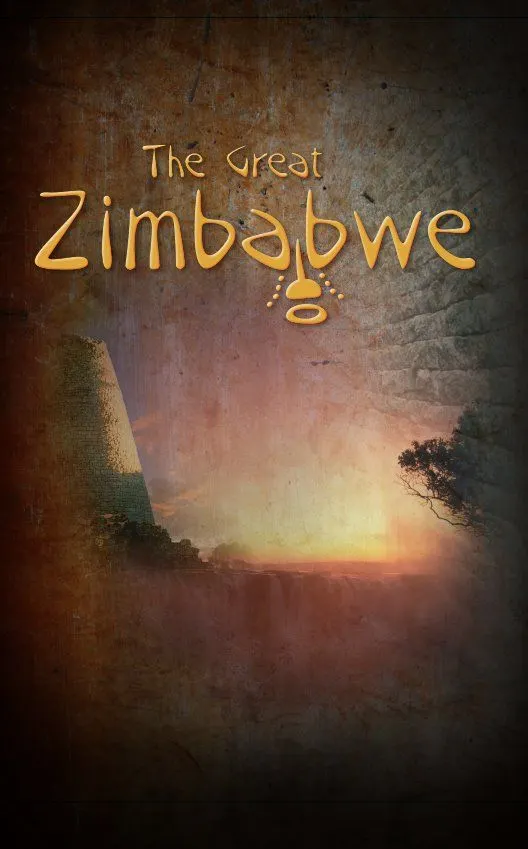
The Great Zimbabwe is a board game released in 2012 for 2–5 players, 90–150 minutes per game, and ages 14 and up. It was designed by Jeroen Doumen and Joris Wiersinga and its main mechanics are Variable Player Powers, Auction / Bidding, and Income.



The Great Zimbabwe is a game about building a trade based civilization in ancient Africa. It has been inspired by the old kingdoms surrounding the Great Zimbabwe, a world heritage site in southern Africa. Far into the previous century, colonial governments denied that a civilization that produced such impressive monuments and beautiful artwork could have been African in origin. But of course, this civilization was African, and the country of Zimbabwe itself was proudly named after this impressive cultural heritage. As always in our games, we have used this history for inspiration; however, first and foremost we wanted to create a highly playable and replayable Splotter game, so in many cases we took liberties with historical names, periods and artwork. In the game, players strive to build the most impressive monuments to one god of their choice. They can choose this god themselves-- each of the twelve gods offers a unique blessing, but each also requires a different amount of work to win the game. Building the monuments is done by developing a logistics network stretching across the region. Through this network, players produce and obtain ritual goods to raise their monuments and bring honour to the god of their choice. Here's the flavour text from the rules: The Mutapa king struts into the village, followed by a bunch of young warriors herding cattle. “Oondabezitha ”, he addresses the assembly of kings, “I have brought twelve heads of cattle for the ceremony tonight”. The others seem to shrink in stature as he speaks. The star of the king of Mutapa is clearly ascending. They have not brought nearly as much cattle themselves. “Soon, we will all be praying to Obatala”, murmurs one of the older Kilwa traders. “The Mutapa will be raising their godless monuments sky-high. Perhaps it is time for us to resort to some magic of our own”. Then the sky breaks into a thunder and a torrential rain pours down on the assembly. The men scramble while the plains fill with water. The ceremony will be wet tonight... The Great Zimbabwe is a logistico-economic game in which players are tribal leaders in Africa trying to please the gods by building monuments. Buying technology, building craftsmen, gathering resources and worshipping a god are among the many decisions necessary to win in 'The Great Zimbabwe'. But the main way of getting there is building and developing a network of monuments. The higher the monuments, the closer the players will be to victory, but players must balance many subtle aspects of the game. If they develop their economy, if they worship a powerful god or if they use a lot of technology, they will need to score more victory points. Clever use of turn-order manipulation, economic development in an almost close environment, scarce natural resource use and logistical optimization to deliver goods from craftsmen to monuments: You only get one action per turn, so be smart! 'The Great Zimbabwe' is a race for victory, in which you decide how far you want to go and at what speed. Then other players' decisions change everything...
The Great Zimbabwe supports 2–5 players according to the catalogue. This range comes from the publisher’s listed player count, so the game can be set up for any group size within it. Some setups, rules and scoring details may still vary by player count, so check your edition’s rulebook for the exact configuration.
The listed playing time for The Great Zimbabwe is 90–150 minutes. This is the publisher’s estimate for a full game. The actual duration depends on the group, the player count and familiarity with the rules: first sessions usually run longer, while experienced groups often finish faster. Setup and teaching time are not included in this estimate.
The catalogue lists The Great Zimbabwe for ages 14 and up. This is the publisher’s recommendation and reflects reading demands, rule complexity and small components rather than theme alone. Younger players can often join with help from an adult, so check the age guidance on your edition and consider your group’s experience with board games.
The Great Zimbabwe has a complexity rating of 3.7 out of 5 from BoardGameGeek players, which makes it a medium-weight game. The rating reflects how much rules knowledge, planning and decision-making a typical game demands. Expect a longer first teach for heavier games, and use a preparation guide before game night.
The Great Zimbabwe belongs to these categories: Economic, Industry / Manufacturing, and Transportation. Its main mechanics are Variable Player Powers, Auction / Bidding, and Income. Categories describe the theme and setting of a game, while mechanics describe what players actually do on their turns. Each mechanic links to a catalogue hub with similar games, which helps when you want something comparable.
The credited designers of The Great Zimbabwe are: Jeroen Doumen and Joris Wiersinga. These credits come from the published game data and name the people responsible for the game’s design, not its illustrators or publishers. Designer pages on MeepleRules collect other titles by the same designers, which helps when you enjoy a game and want to find similar ones.
The catalogue lists The Great Zimbabwe as a base game. It can be played on its own with the components in the box and does not require any other title. Expansions, if any exist, add new content or rules on top of it and are listed separately in the catalogue with a link back to this base game.