
- BGG rank
- BGG #5,123
- BGG rating
- 6.9
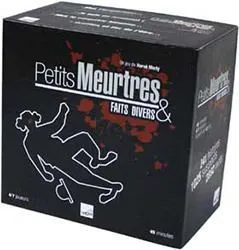
Petits Meurtres & Faits Divers
- 4–7 players
- 45 min
- Complexity 1.7/5
- 2007
2013
Rules assistance for The Phantom Society
Plain-language explanations of turns, card effects and disputed situations, with official source references and saved question history.
For 2 players
What would you like to know?
Answers come from the official rulebook, with the page to check.
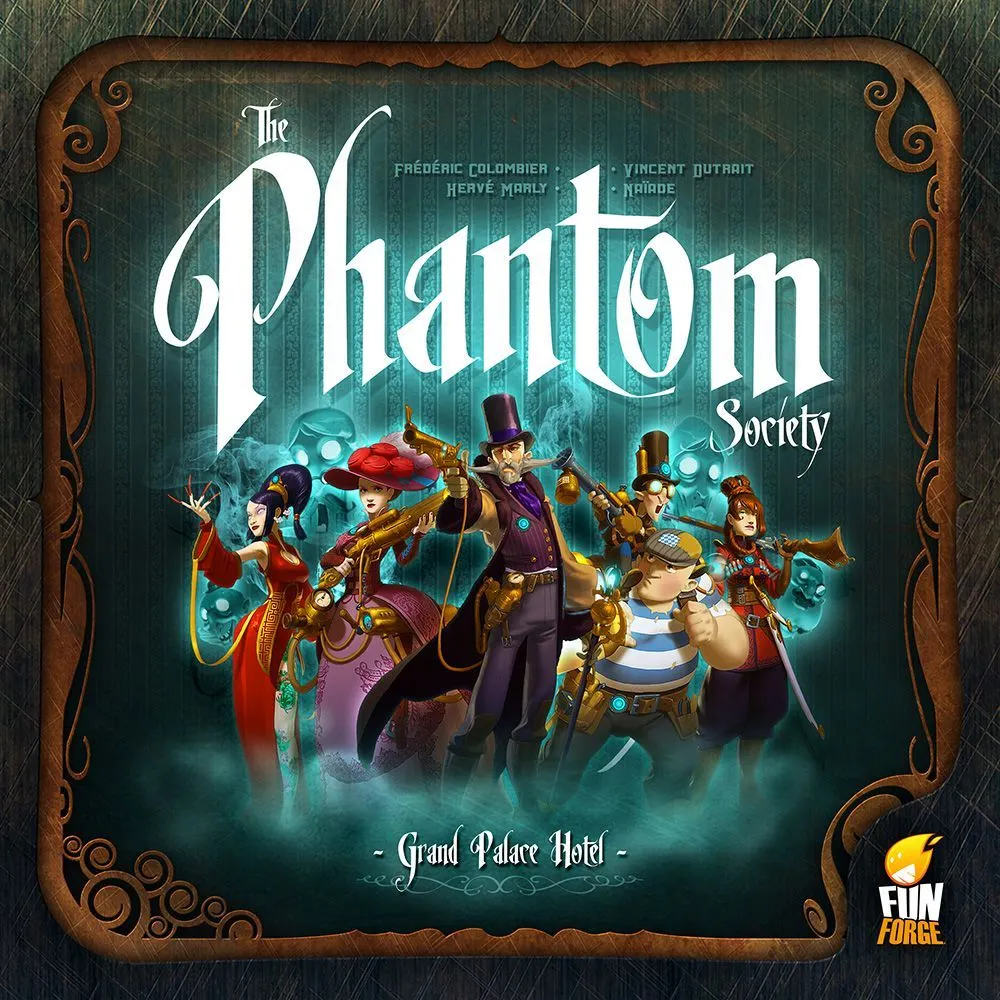
The Phantom Society is a board game released in 2013 for 2–4 players, 20 minutes per game, and ages 8 and up. It was designed by Hervé Marly and Frédéric Colombier and its main mechanics are Grid Movement, Secret Unit Deployment, and Team-Based Game.


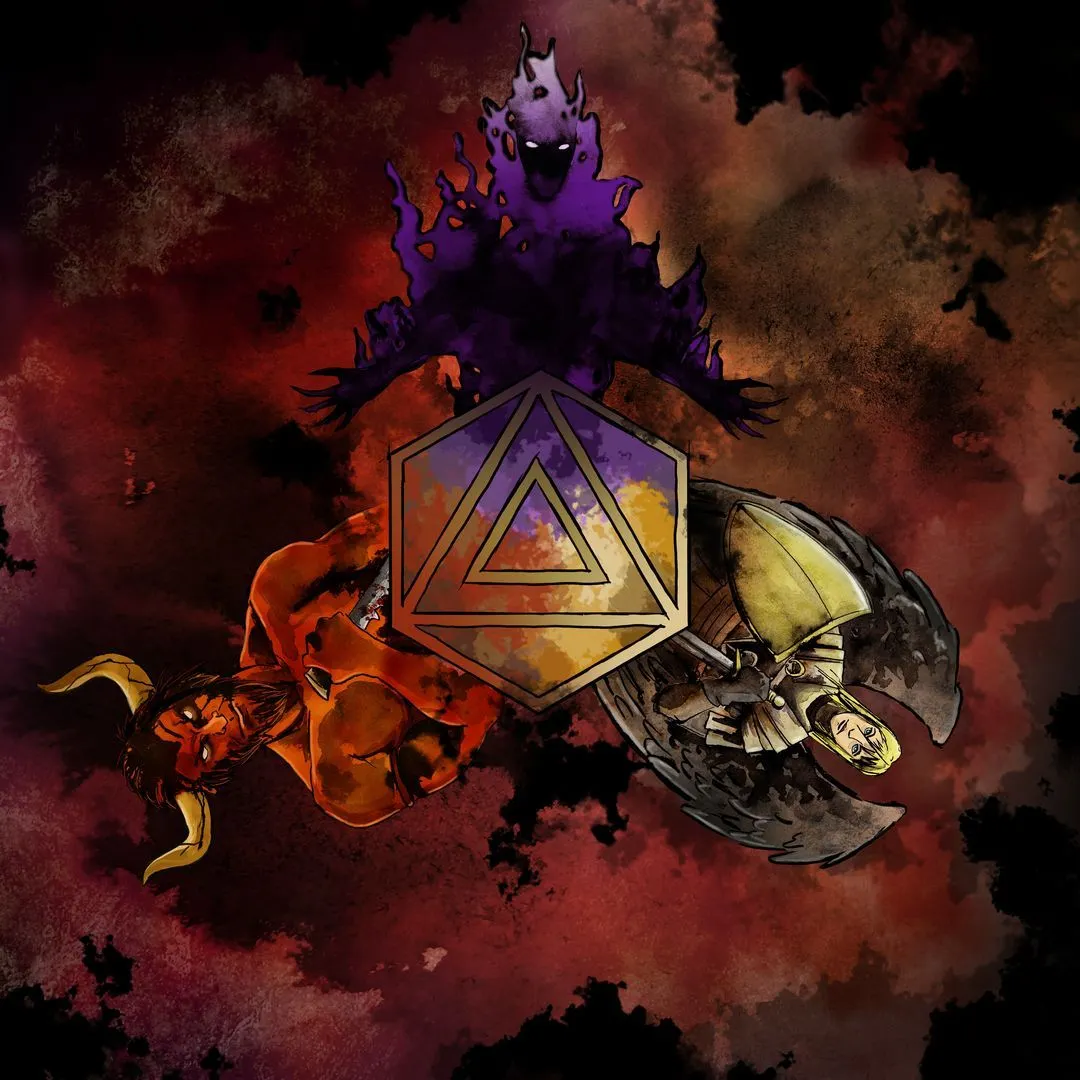
Welcome to Scotland, a country famous for its whisky, the Highlands, its castles, and, of course...its ghosts! The Phantom Society is a ghost-hunting game in which you play as sly spirits seeking to ruin a manor hotel or, if you prefer, intrepid ectoplasm hunters who are a bit destructive around the edges but who also never falter in pursuit of their prey. For the ghosts, the goal is to inflict at least £45,000 of damage (in tribute to Special 45 – Old Faydhutee Single Malt) on the manor, whether it is inflicted by the ghosts or the hunters. The ghost hunters want to stop the ghosts before they achieve their objective. The dual-level game board represents a manor floor composed of 36 rooms, with each room being a tile representing a value from £1,000 to £6,000; each of the four ghosts corresponds to a room type and will hide beneath a tile of this type, starting its devastation of the hotel by removing tiles adjacent to the one it's hidden beneath. The ghost hunters must try to determine where the ghosts are hiding based upon the tiles destroyed. While doing this, though, the ghost hunters will also remove tiles – thus destroying them and adding to the total damage – to see whether a ghost is hidden beneath. The ghost hunters must think carefully and logically over which tiles to remove while the ghosts have to use cunning and psychology in order to cloud their investigation and remain concealed. Will the manor come through this madness intact?
The Phantom Society supports 2–4 players according to the catalogue. This range comes from the publisher’s listed player count, so the game can be set up for any group size within it. Some setups, rules and scoring details may still vary by player count, so check your edition’s rulebook for the exact configuration.
The listed playing time for The Phantom Society is 20 minutes. This is the publisher’s estimate for a full game. The actual duration depends on the group, the player count and familiarity with the rules: first sessions usually run longer, while experienced groups often finish faster. Setup and teaching time are not included in this estimate.
The catalogue lists The Phantom Society for ages 8 and up. This is the publisher’s recommendation and reflects reading demands, rule complexity and small components rather than theme alone. Younger players can often join with help from an adult, so check the age guidance on your edition and consider your group’s experience with board games.
The Phantom Society has a complexity rating of 1.5 out of 5 from BoardGameGeek players, which makes it a light game. The rating reflects how much rules knowledge, planning and decision-making a typical game demands. Expect a longer first teach for heavier games, and use a preparation guide before game night.
The Phantom Society belongs to these categories: Deduction and Abstract Strategy. Its main mechanics are Grid Movement, Secret Unit Deployment, and Team-Based Game. Categories describe the theme and setting of a game, while mechanics describe what players actually do on their turns. Each mechanic links to a catalogue hub with similar games, which helps when you want something comparable.
The credited designers of The Phantom Society are: Hervé Marly and Frédéric Colombier. These credits come from the published game data and name the people responsible for the game’s design, not its illustrators or publishers. Designer pages on MeepleRules collect other titles by the same designers, which helps when you enjoy a game and want to find similar ones.
The catalogue lists The Phantom Society as a base game. It can be played on its own with the components in the box and does not require any other title. Expansions, if any exist, add new content or rules on top of it and are listed separately in the catalogue with a link back to this base game.