
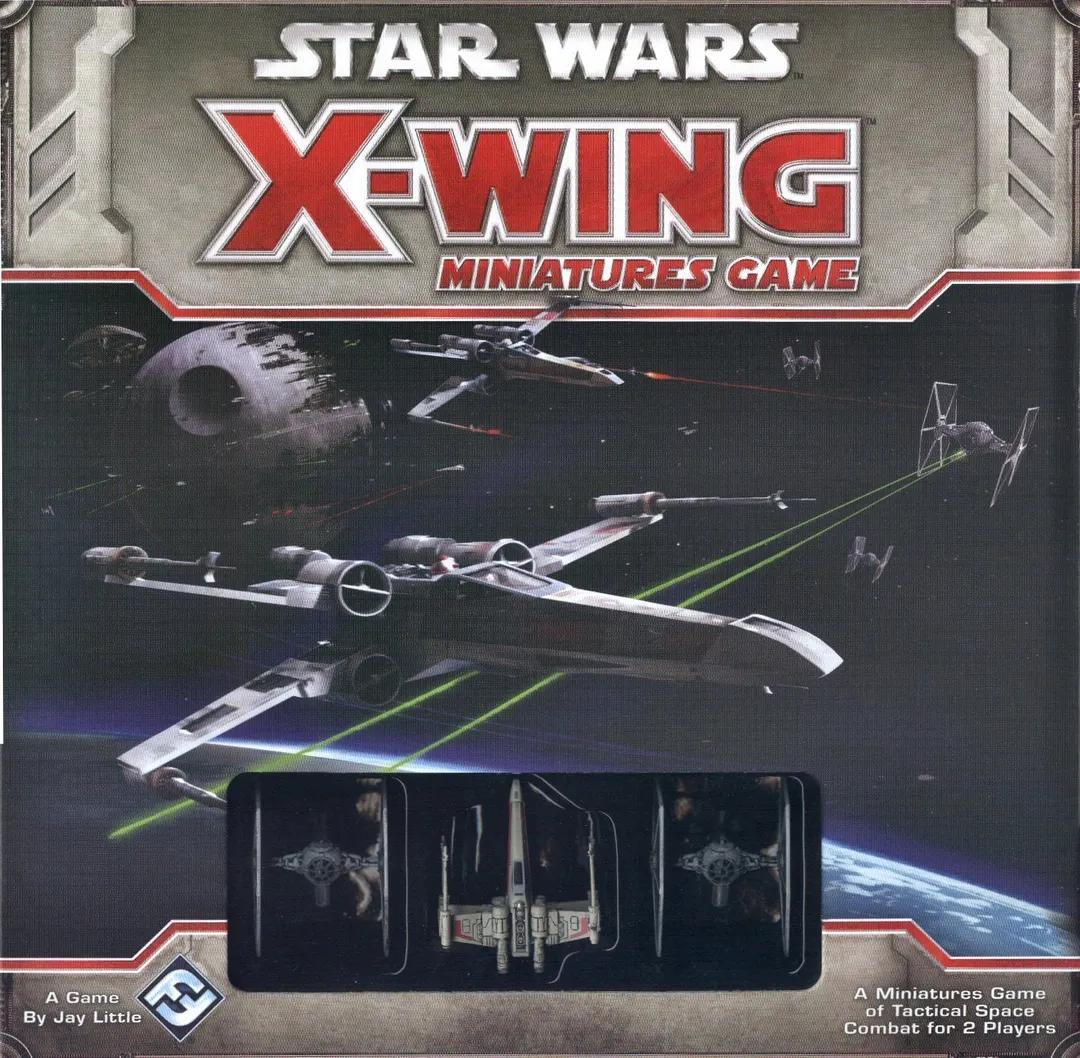
- BGG rank
- BGG #206
- BGG rating
- 7.6
Star Wars: X-Wing Miniatures Game
- 2 players
- 30–45 min
- Complexity 2.5/5
- 2012
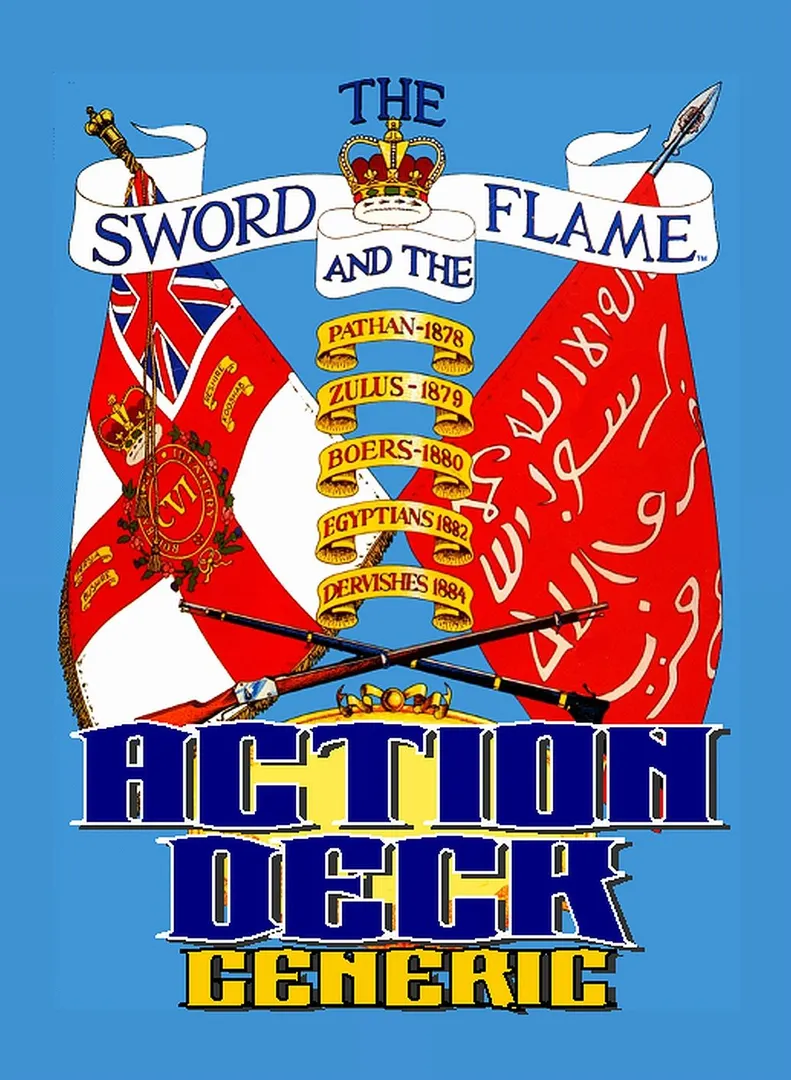
Rules assistance for The Sword and the Flame: Action Deck
Plain-language explanations of turns, card effects and disputed situations, with official source references and saved question history.
What would you like to know?
Answers come from the official rulebook, with the page to check.
The Sword and the Flame: Action Deck is an expansion for The Sword and the Flame released in 2005. It was designed by Patrick Wilson and its main mechanics are Dice Rolling and Simulation.




For the Gamer who wants all the advantages of a dedicated Card Deck, but wishes to use just one for all his TSATF battles. An "Action Deck" is a set of Cards that serves the role previously played by the Standard Card Decks of 800FE and TSATF, determining the order of Movement and Fire, and for TSATF, casualties. The 2.5" x 3" TSATF Action Decks cue movement and fire order, but also specify casualties, identifying which Leader, "Key," and Other Ranks have been hit. Wound severities ("Serious" and "Light") have been added, but are entirely optional. Unless stated otherwise, most TSATF Action Decks consist of 63 Cards: 52 for Movement/Fire/Casualties with the full degree of detail required by the rules. There are also 10 Optional Cards, 8 of which provide specific Events equally affecting both sides, and 2 "Halt!" Cards which can end the Movement and/or Fire Phases early. For the more sadistic among you, there are 2 "blanks" for creating your own Events. Finally, there is a Card providing some instruction on use of the Deck. Using contemporary full color illustrations and terminology specific to the foe facing the British/Imperialist players, each Action Deck not only speeds the steps of play, but heightens the "atmosphere" to make every exciting game even more so! —description from the publisher
The Sword and the Flame: Action Deck belongs to these categories: Wargame, Miniatures, and Expansion for Base-game. Its main mechanics are Dice Rolling and Simulation. Categories describe the theme and setting of a game, while mechanics describe what players actually do on their turns. Each mechanic links to a catalogue hub with similar games, which helps when you want something comparable.
The credited designers of The Sword and the Flame: Action Deck are: Patrick Wilson. These credits come from the published game data and name the people responsible for the game’s design, not its illustrators or publishers. Designer pages on MeepleRules collect other titles by the same designers, which helps when you enjoy a game and want to find similar ones.
The catalogue lists The Sword and the Flame: Action Deck as an expansion for The Sword and the Flame. Expansions add new content, rules or scenarios to the base game and usually cannot be played on their own, so you need The Sword and the Flame to use it. Check that your edition of The Sword and the Flame is compatible, as some expansions were revised between editions.