
- BGG rating
- 9.2
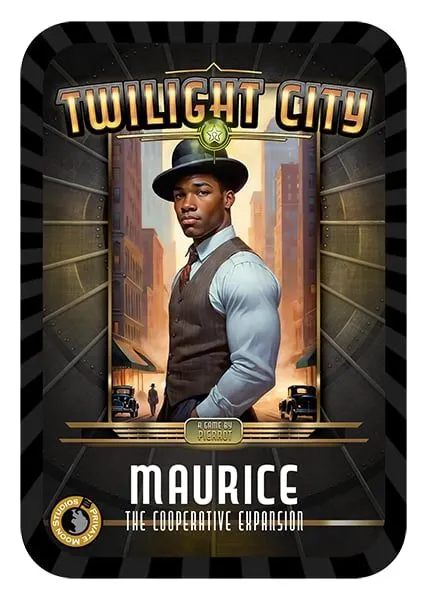
Twilight City: Maurice – The Cooperative Expansion
- 1–4 players
- 120 min
- 2024
2024
Rules assistance for Twilight City
Plain-language explanations of turns, card effects and disputed situations, with official source references and saved question history.
For 1 player
What would you like to know?
Answers come from the official rulebook, with the page to check.
Twilight City is a board game released in 2024 for 1–4 players, 120 minutes per game, and ages 14 and up. It was designed by Pierrot and its main mechanics are Grid Movement, Action Points, and Contracts.
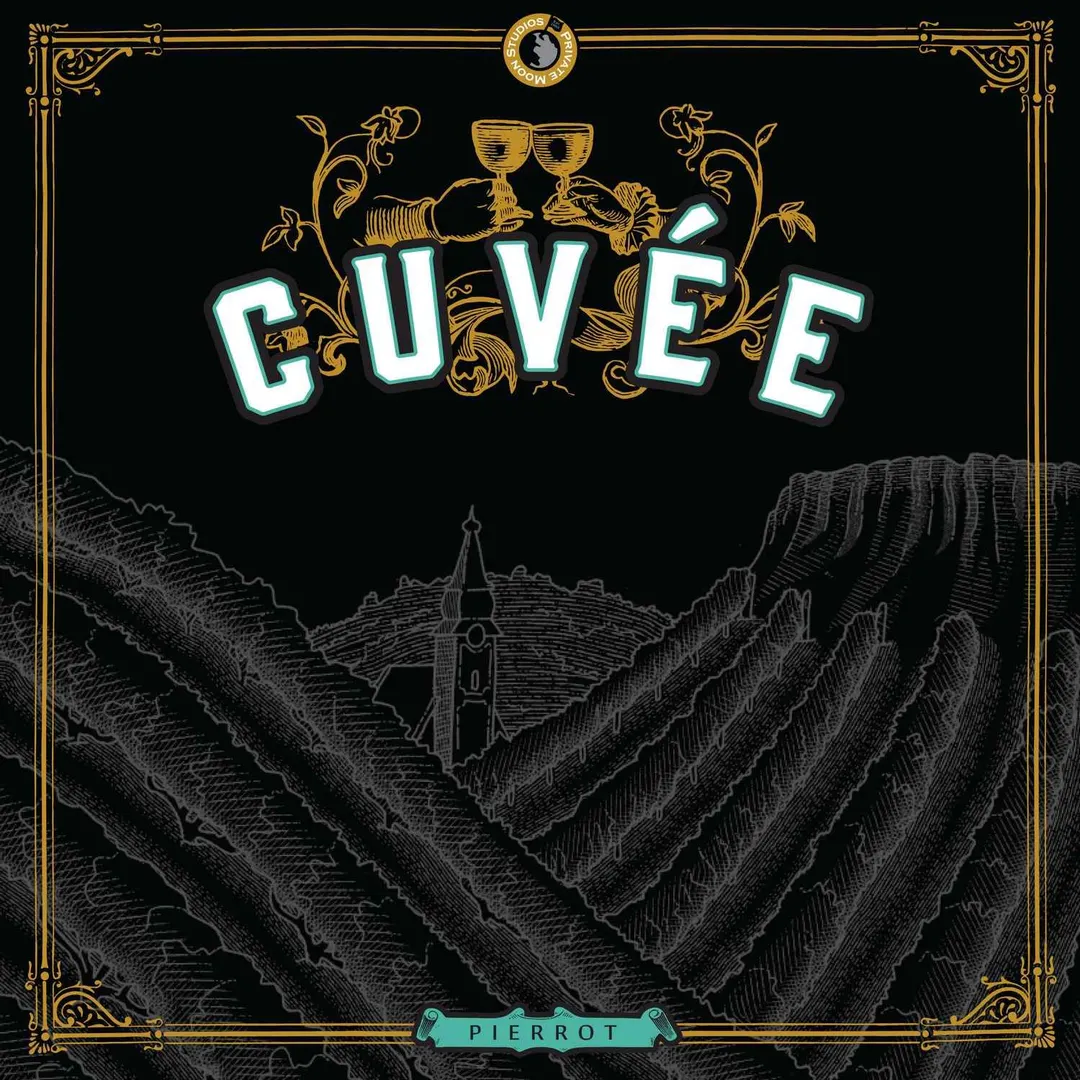
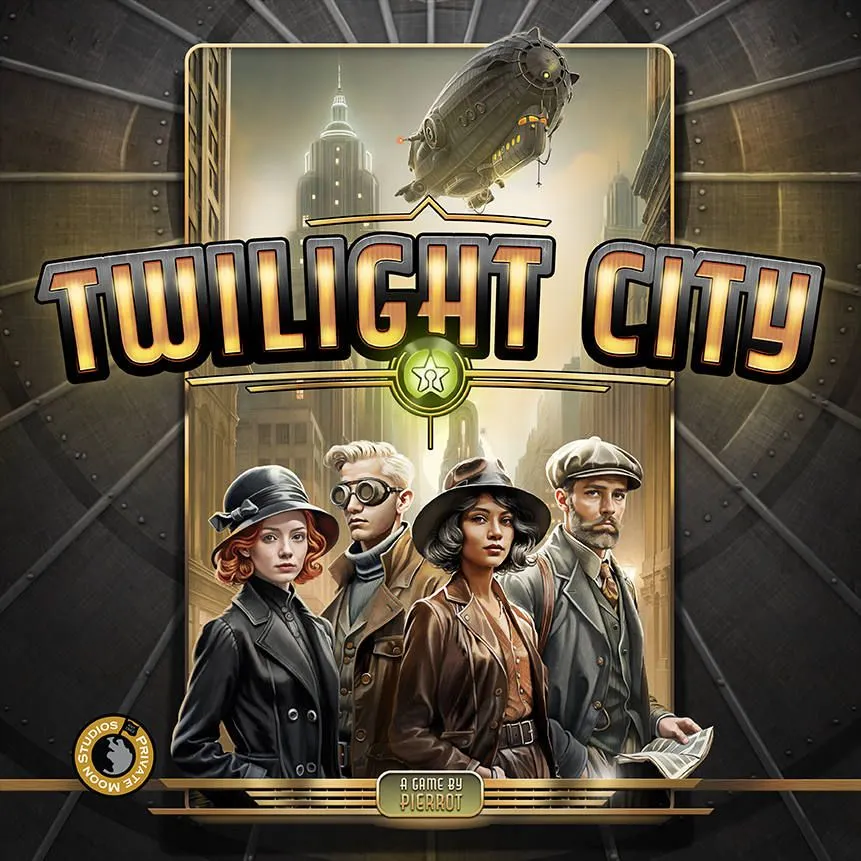
Twilight City offers an immersive experience for expert players. As a group of partisans, you share the common goal of undermining the dictatorial regime of the Governor in the smog-ridden metropolis, but you also compete with each other for prestige points. Twilight City is a complex game with a rich variety of mechanics, including tableau building and resource management. It also provides a solo mode, which introduces unique and challenging solutions to the base rules. The game lasts for an unspecified number of rounds. You have 12 movement points available before your in-game day ends. However, closing the day is not synchronous between players. If you fail to finish your activities in time or have not saved enough money for your expenses (e.g., the daily mandatory oxygen intake), you will have less time available the next day. Everything starts with a single Main Action, which is either playing a card or selecting a card from the display – and there are multiple ways to do these. Playing a single card comes with a multitude of consequences and further options, including movement in the city and a variety of actions accessible through clever selection mechanisms. Each player builds a row of cards in front of them. When certain visual elements of two adjacent cards connect, you collect resources accordingly, and your income also derives from the card row. Resources are used to craft the items needed for various sabotage actions, and you also have several options to spend your money, including infiltrating the corrupt government apparatus. Moving in the city is tricky because you must avoid the formidable Police Airship that hovers above the streets, constantly changing its position. This is crucial because every time someone is spotted by the Airship, things become harder for all players. —description from the publisher
Twilight City supports 1–4 players according to the catalogue. This range comes from the publisher’s listed player count, so the game can be set up for any group size within it. Some setups, rules and scoring details may still vary by player count, so check your edition’s rulebook for the exact configuration.
The listed playing time for Twilight City is 120 minutes. This is the publisher’s estimate for a full game. The actual duration depends on the group, the player count and familiarity with the rules: first sessions usually run longer, while experienced groups often finish faster. Setup and teaching time are not included in this estimate.
The catalogue lists Twilight City for ages 14 and up. This is the publisher’s recommendation and reflects reading demands, rule complexity and small components rather than theme alone. Younger players can often join with help from an adult, so check the age guidance on your edition and consider your group’s experience with board games.
Twilight City has a complexity rating of 4.0 out of 5 from BoardGameGeek players, which makes it a heavy game. The rating reflects how much rules knowledge, planning and decision-making a typical game demands. Expect a longer first teach for heavier games, and use a preparation guide before game night.
Twilight City belongs to these categories: Science Fiction. Its main mechanics are Grid Movement, Action Points, and Contracts. Categories describe the theme and setting of a game, while mechanics describe what players actually do on their turns. Each mechanic links to a catalogue hub with similar games, which helps when you want something comparable.
The credited designers of Twilight City are: Pierrot. These credits come from the published game data and name the people responsible for the game’s design, not its illustrators or publishers. Designer pages on MeepleRules collect other titles by the same designers, which helps when you enjoy a game and want to find similar ones.
The catalogue lists Twilight City as a base game. It can be played on its own with the components in the box and does not require any other title. Expansions, if any exist, add new content or rules on top of it and are listed separately in the catalogue with a link back to this base game.