
- BGG rank
- BGG #4,483
- BGG rating
- 7.3
Desolate
- 1 player
- 15–20 min
- Complexity 1.6/5
- 2018
2026
Rules assistance for UnderQuest
Plain-language explanations of turns, card effects and disputed situations, with official source references and saved question history.
For 1 player
What would you like to know?
Answers come from the official rulebook, with the page to check.
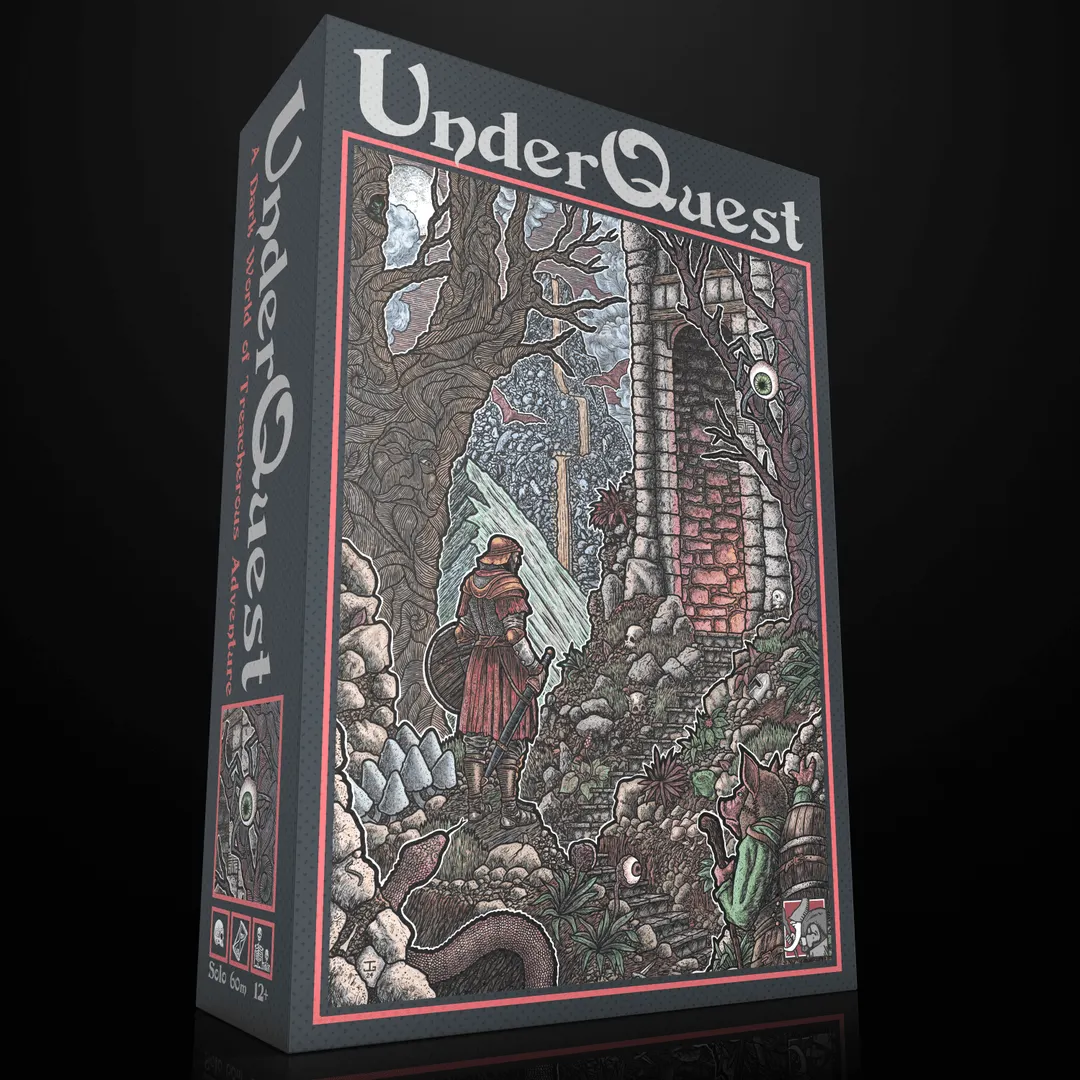
UnderQuest is a board game released in 2026 for 1 player, 60–90 minutes per game, and ages 12 and up. It was designed by Jason Glover and Dustin Cox and its main mechanics are Push Your Luck, Dice Rolling, and Solo / Solitaire Game.
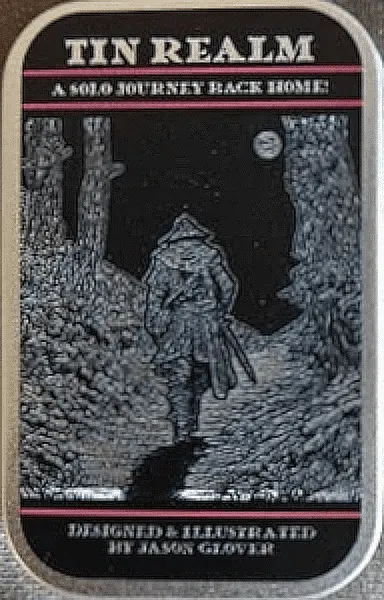



In UnderQuest you are an adventurer setting out into a dark and grim world to make a name for yourself. Evil plagues and vile creatures lurk around every corner. Your task is to complete quest cards in order to drive the narrative, while building up your character by finding new loot, learning new skills, and defeating nasty foes. Doing this will allow you to embark on even tougher quests. You will start your adventure in UnderQuest at the Lonely Troll Inn, where you will create a new character by picking a race and class, each with different skills and perks. You will then equip your adventurer with trappings. You then must build your quest deck and embark on your adventure. UnderQuest uses a unique draw two, pick one mechanic while you are exploring the huge underground world, along with a tactical dice system for combat. Each enemy feels quite different. You will find powerful weapons, armor, and items along the way to aid you in your quest. There is even a clever alchemy system that allows you to craft potions. During your adventure you will encounter not just foes, but also treasure, campsites, traps, and random encounters. When you have to resolve a random encounter, you will get to draw from a special random encounters deck with dozens of outcomes. These can range from strange caravans and wandering merchants to poisonous mushroom groves and snake pits! Whenever you gain the required quest tokens for the current quest card, you complete that leg of the journey and must reveal the next quest card. You win the game once you have exhausted the quest deck, typically ending in an epic boss fight. This allows UnderQuest to have a strong narrative to drive the storytelling aspect of the game and make each quest feel fleshed out. Will you be able to build a lowly adventure into a mighty hero, or will your adventurer fall to the darkness that sleeps below. You can only find out by taking on the UnderQuest!
UnderQuest supports 1 player according to the catalogue. This is the publisher’s listed player count, so the game is designed for exactly that number of participants. Variants for other group sizes, if any, are described in the rulebook of your edition, so check it before setting up a different configuration.
The listed playing time for UnderQuest is 60–90 minutes. This is the publisher’s estimate for a full game. The actual duration depends on the group, the player count and familiarity with the rules: first sessions usually run longer, while experienced groups often finish faster. Setup and teaching time are not included in this estimate.
The catalogue lists UnderQuest for ages 12 and up. This is the publisher’s recommendation and reflects reading demands, rule complexity and small components rather than theme alone. Younger players can often join with help from an adult, so check the age guidance on your edition and consider your group’s experience with board games.
UnderQuest has a complexity rating of 2.8 out of 5 from BoardGameGeek players, which makes it a medium-light game. The rating reflects how much rules knowledge, planning and decision-making a typical game demands. Expect a longer first teach for heavier games, and use a preparation guide before game night.
UnderQuest belongs to these categories: Card Game, Fantasy, and Exploration. Its main mechanics are Push Your Luck, Dice Rolling, and Solo / Solitaire Game. Categories describe the theme and setting of a game, while mechanics describe what players actually do on their turns. Each mechanic links to a catalogue hub with similar games, which helps when you want something comparable.
The credited designers of UnderQuest are: Jason Glover and Dustin Cox. These credits come from the published game data and name the people responsible for the game’s design, not its illustrators or publishers. Designer pages on MeepleRules collect other titles by the same designers, which helps when you enjoy a game and want to find similar ones.
The catalogue lists UnderQuest as a base game. It can be played on its own with the components in the box and does not require any other title. Expansions, if any exist, add new content or rules on top of it and are listed separately in the catalogue with a link back to this base game.