

- BGG rank
- BGG #7,445
- BGG rating
- 7.6
Neuroriders
- 2–4 players
- 20–40 min
- Complexity 2.8/5
- 2024
2024
Rules assistance for Villa Panda
Plain-language explanations of turns, card effects and disputed situations, with official source references and saved question history.
For 2 players
What would you like to know?
Answers come from the official rulebook, with the page to check.
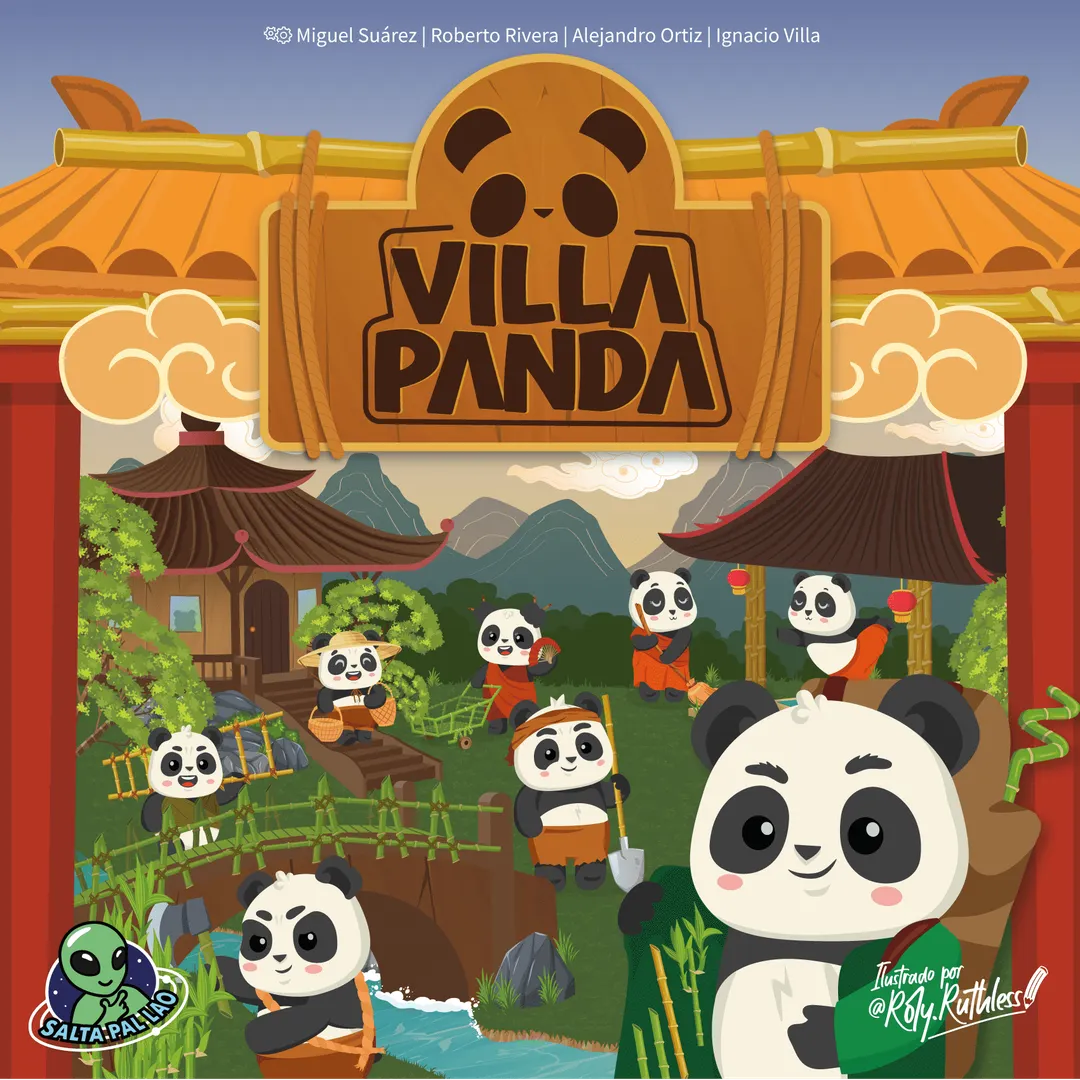
Villa Panda is a board game released in 2024 for 2–4 players, 45–90 minutes per game, and ages 10 and up. It was designed by Miguel Suárez Olivares, Roberto D. Rivera, Alejandro Ortiz Peña, and Ignacio Villa Toro and its main mechanics are Race, Dice Rolling, and Open Drafting.


In the green and peaceful hills of Villa Panda, a new challenge awaits. Each player takes on the role of a hungry panda, aspiring to become the leader of this charming village. To achieve this honor and reach the necessary 12 victory points, you will need to build, plan, and expand your influence, hiring other pandas to strengthen your position. With a building erected, each new panda under your command, and each cunning strategy implemented, you will accumulate points that will bring you closer to the prestigious title of Panda Leader. The game takes place in successive rounds, and in each round, the active player will develop three phases: 1) Dice throwing: he will throw two dice in front of everyone. 2) Card activation: In order, the sum of both dice activates the Panda cards of ALL players. The active player then selects the result of a die and activates only his cards with that value. 3) Actions Phase: Place your meeple in an area of the main board to obtain specific resources (between water, bamboo, bao, or gold) or perform a specific action between; Market (exchange resources), Build (buildings, overlapping panda), Hire Panda and Activate Panda. The first player to get 12 points triggers the end of the game. The entire round of players will be played until reaching the player who triggered the end of the game again, who will play one last turn. The player with the most points is the winner of the game. —description from the publisher (English) En las verdes y tranquilas colinas de Villa Panda, te espera un nuevo desafío. Cada jugador asume el papel de un panda hambriento que aspira a convertirse en el líder de esta encantadora villa. Para lograr este honor y alcanzar los 12 puntos de victoria necesarios, necesitarás construir, planificar y expandir tu influencia, contratando a otros pandas para fortalecer tu posición. Con cada edificio erigido, cada nuevo panda bajo tu mando y cada astuta estrategia implementada, acumularás puntos que te acercarán al prestigioso título de Líder Panda. El juego se desarrolla en rondas sucesivas, y en cada ronda, el jugador activo desarrollará tres fases: 1) Lanzamiento de dados: lanzará dos dados a la vista de todos. 2) Activación de cartas: En orden, el resultado de la suma de ambos dados activa las cartas Panda de TODOS los jugadores. Luego, el jugador activo selecciona el resultado de un dado y activa solo sus cartas con ese valor. 3) Fase de Acciones: Coloca a tu meeple en un área del tablero principal para obtener recursos específicos (entre agua, bambú, bao u oro) o realizar una acción específica entre; Comercializar (intercambiar recursos), Construir (edificios, ubicando pandas solapados), Contratar Panda y Activar Panda. El primer jugador que consiga 12 puntos activará el final del juego. Se jugará una ultima ronda hasta llegar nuevamente al jugador que provocó el final del juego, quien jugará un último turno. El jugador con más puntos de victoria será el ganador. ¡Prepárate para una aventura llena de astucia, estrategia y competidores adorables en tu camino hacia la cima de Villa Panda ! —description from the publisher (Spanish)
Villa Panda supports 2–4 players according to the catalogue. This range comes from the publisher’s listed player count, so the game can be set up for any group size within it. Some setups, rules and scoring details may still vary by player count, so check your edition’s rulebook for the exact configuration.
The listed playing time for Villa Panda is 45–90 minutes. This is the publisher’s estimate for a full game. The actual duration depends on the group, the player count and familiarity with the rules: first sessions usually run longer, while experienced groups often finish faster. Setup and teaching time are not included in this estimate.
The catalogue lists Villa Panda for ages 10 and up. This is the publisher’s recommendation and reflects reading demands, rule complexity and small components rather than theme alone. Younger players can often join with help from an adult, so check the age guidance on your edition and consider your group’s experience with board games.
Villa Panda has a complexity rating of 2.6 out of 5 from BoardGameGeek players, which makes it a medium-light game. The rating reflects how much rules knowledge, planning and decision-making a typical game demands. Expect a longer first teach for heavier games, and use a preparation guide before game night.
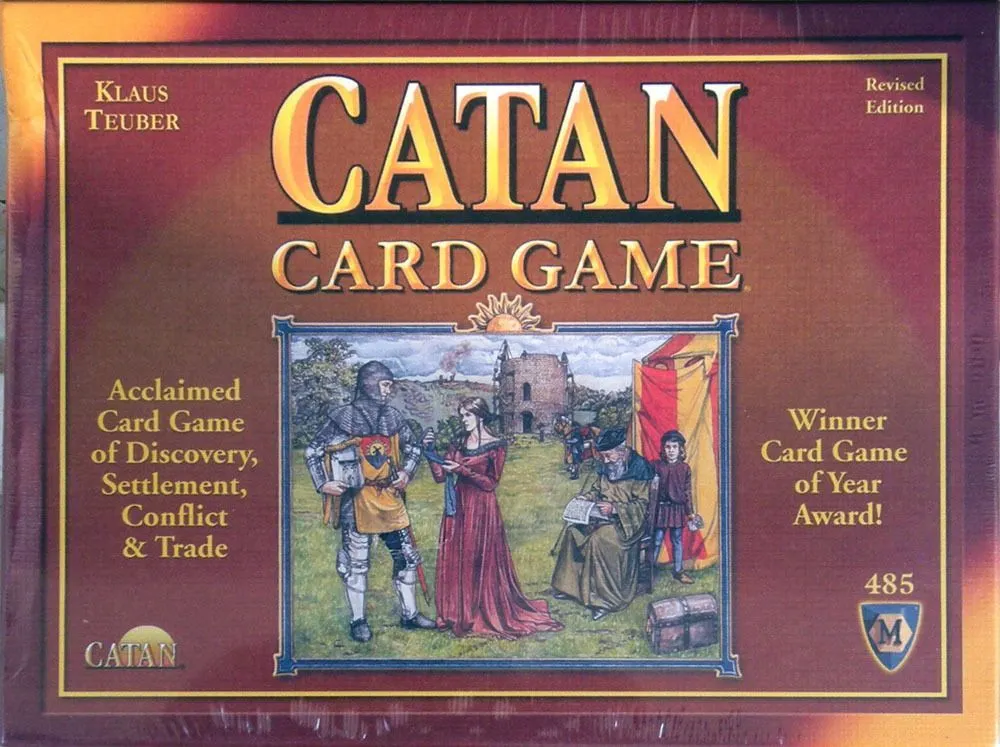
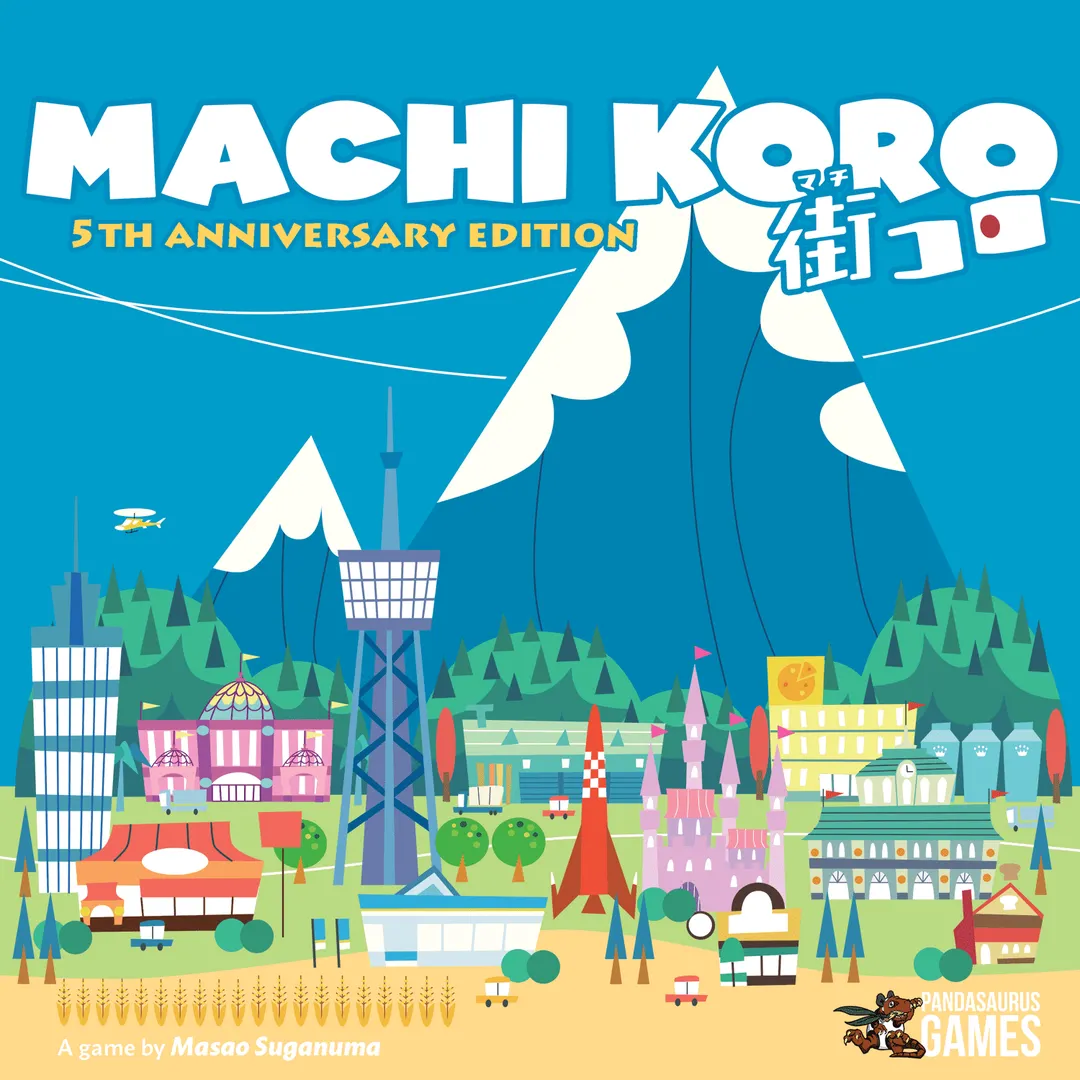
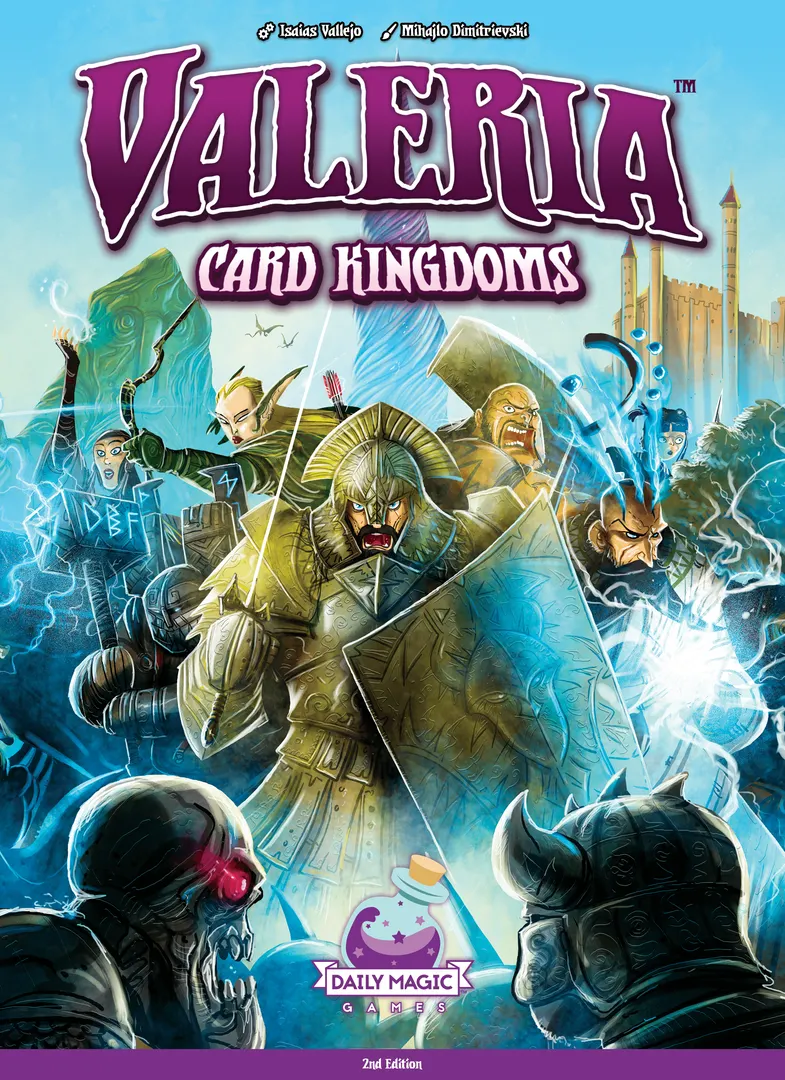
Villa Panda belongs to these categories: Card Game, Animals, and Dice. Its main mechanics are Race, Dice Rolling, and Open Drafting. Categories describe the theme and setting of a game, while mechanics describe what players actually do on their turns. Each mechanic links to a catalogue hub with similar games, which helps when you want something comparable.
The credited designers of Villa Panda are: Miguel Suárez Olivares, Roberto D. Rivera, Alejandro Ortiz Peña, and Ignacio Villa Toro. These credits come from the published game data and name the people responsible for the game’s design, not its illustrators or publishers. Designer pages on MeepleRules collect other titles by the same designers, which helps when you enjoy a game and want to find similar ones.
The catalogue lists Villa Panda as a base game. It can be played on its own with the components in the box and does not require any other title. Expansions, if any exist, add new content or rules on top of it and are listed separately in the catalogue with a link back to this base game.