
- BGG rank
- BGG #2,033
- BGG rating
- 7.9
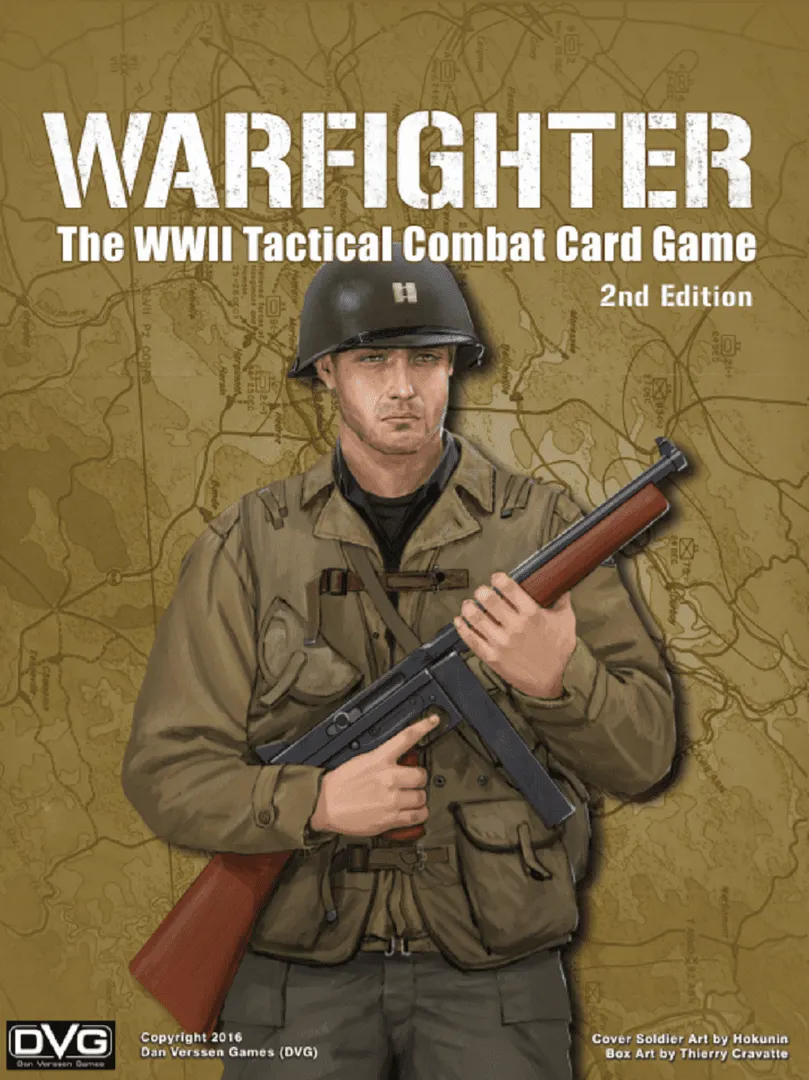
Warfighter: The WWII Tactical Combat Card Game
- 1–6 players
- 30–90 min
- Complexity 3.1/5
- 2016
Expansion for Warfighter: The WWII Pacific Combat Card Game
2020
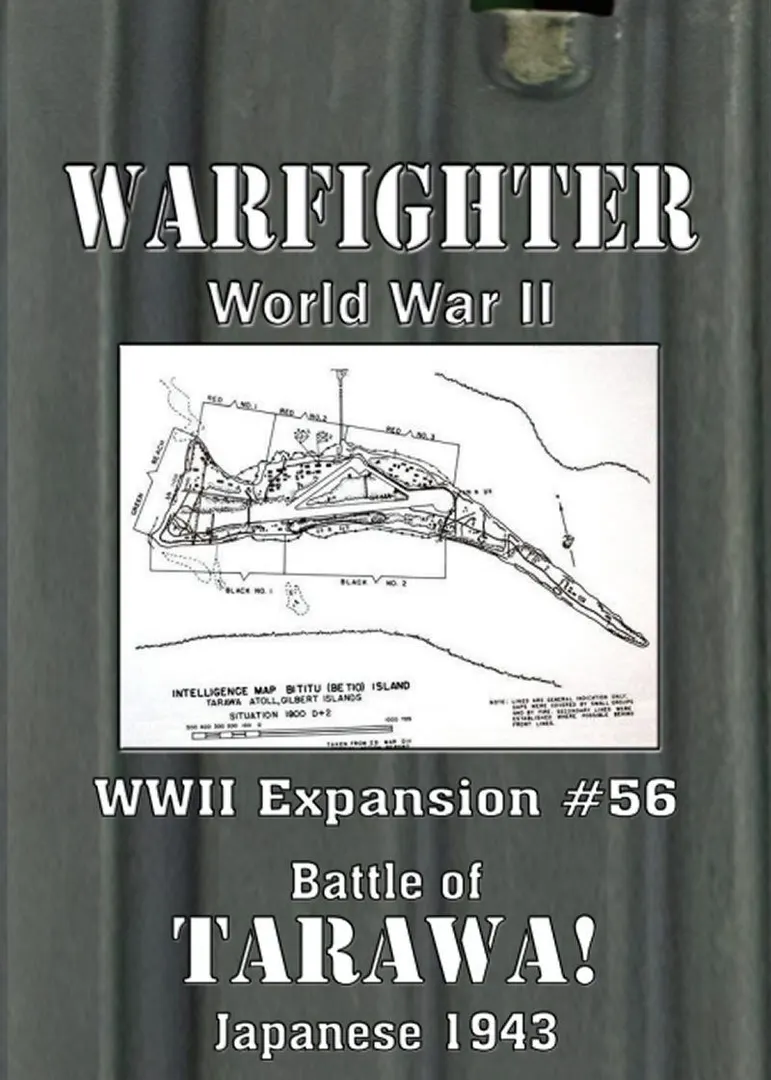
Rules assistance for Warfighter: WWII Expansion #56 – Battle of Tarawa! Japanese 1943
Plain-language explanations of turns, card effects and disputed situations, with official source references and saved question history.
What would you like to know?
Answers come from the official rulebook, with the page to check.
Warfighter: WWII Expansion #56 – Battle of Tarawa! Japanese 1943 is an expansion for Warfighter: The WWII Pacific Combat Card Game released in 2020 for 1–6 players and 30 minutes per game. It was designed by Philip S. Bolger-Cortez and its main mechanics are Hand Management, Dice Rolling, and Cooperative Game.

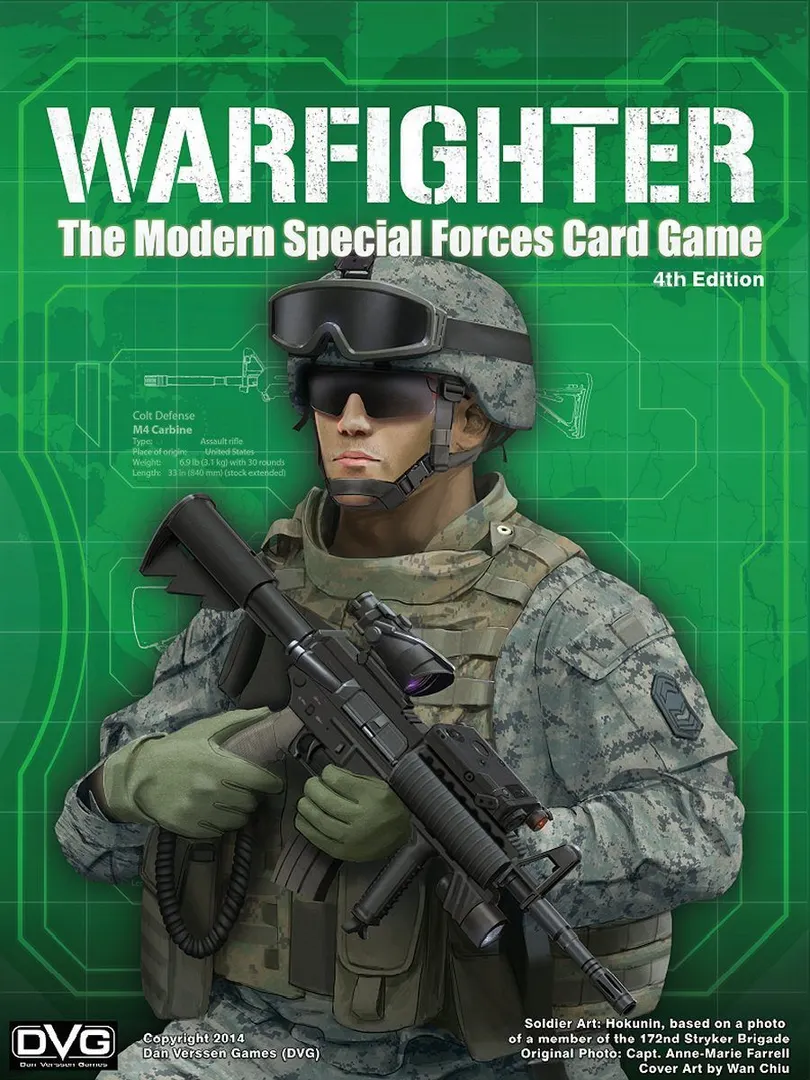
For four days in November 1943, roughly 2600 sailors drawn from the Imperial Japanese Navy’s Special Naval Landing Forces fought tooth and nail to prevent the United States Marine Corps from establishing a hold in the central Pacific. Outnumbered more than five to one, and with nowhere to run, the SNLF fought, nearly to the last man. Of the 2600 Naval Infantry sailors there, only 17 left the island alive, and all as prisoners of war. The Americans were destined to win—they had the numbers, the naval advantage, and the air advantage, and despite the heavy fortifications of the Japanese defenders, the outcome was never really in doubt. Take command of IJN SNLF Sailors, and do your best to honor the Emperor as you fight to the last man. If you can’t stop the American advance, you can at least make them pay in blood for every inch of Tarawa. This Battlepack is a Holding Action-centric pack that pits the disciplined fanaticism of IJN SNLF against the military might of the United States Marine Corps. 2 x Player Soldiers (Japanese) 2 x Non-Player Soldiers (Japanese) 2 x Squad Soldiers (Japanese) 7 x Weapons 1 x Equipment 2 x Skills 4 x Missions 4 x Objectives 12 x Locations 20 x Hostiles —description from the publisher
Warfighter: WWII Expansion #56 – Battle of Tarawa! Japanese 1943 supports 1–6 players according to the catalogue. This range comes from the publisher’s listed player count, so the game can be set up for any group size within it. Some setups, rules and scoring details may still vary by player count, so check your edition’s rulebook for the exact configuration.
The listed playing time for Warfighter: WWII Expansion #56 – Battle of Tarawa! Japanese 1943 is 30 minutes. This is the publisher’s estimate for a full game. The actual duration depends on the group, the player count and familiarity with the rules: first sessions usually run longer, while experienced groups often finish faster. Setup and teaching time are not included in this estimate.
Warfighter: WWII Expansion #56 – Battle of Tarawa! Japanese 1943 belongs to these categories: Card Game, World War II, and Expansion for Base-game. Its main mechanics are Hand Management, Dice Rolling, and Cooperative Game. Categories describe the theme and setting of a game, while mechanics describe what players actually do on their turns. Each mechanic links to a catalogue hub with similar games, which helps when you want something comparable.
The credited designers of Warfighter: WWII Expansion #56 – Battle of Tarawa! Japanese 1943 are: Philip S. Bolger-Cortez. These credits come from the published game data and name the people responsible for the game’s design, not its illustrators or publishers. Designer pages on MeepleRules collect other titles by the same designers, which helps when you enjoy a game and want to find similar ones.
The catalogue lists Warfighter: WWII Expansion #56 – Battle of Tarawa! Japanese 1943 as an expansion for Warfighter: The WWII Pacific Combat Card Game. Expansions add new content, rules or scenarios to the base game and usually cannot be played on their own, so you need Warfighter: The WWII Pacific Combat Card Game to use it. Check that your edition of Warfighter: The WWII Pacific Combat Card Game is compatible, as some expansions were revised between editions.