
- BGG rank
- BGG #2,756
- BGG rating
- 8.1
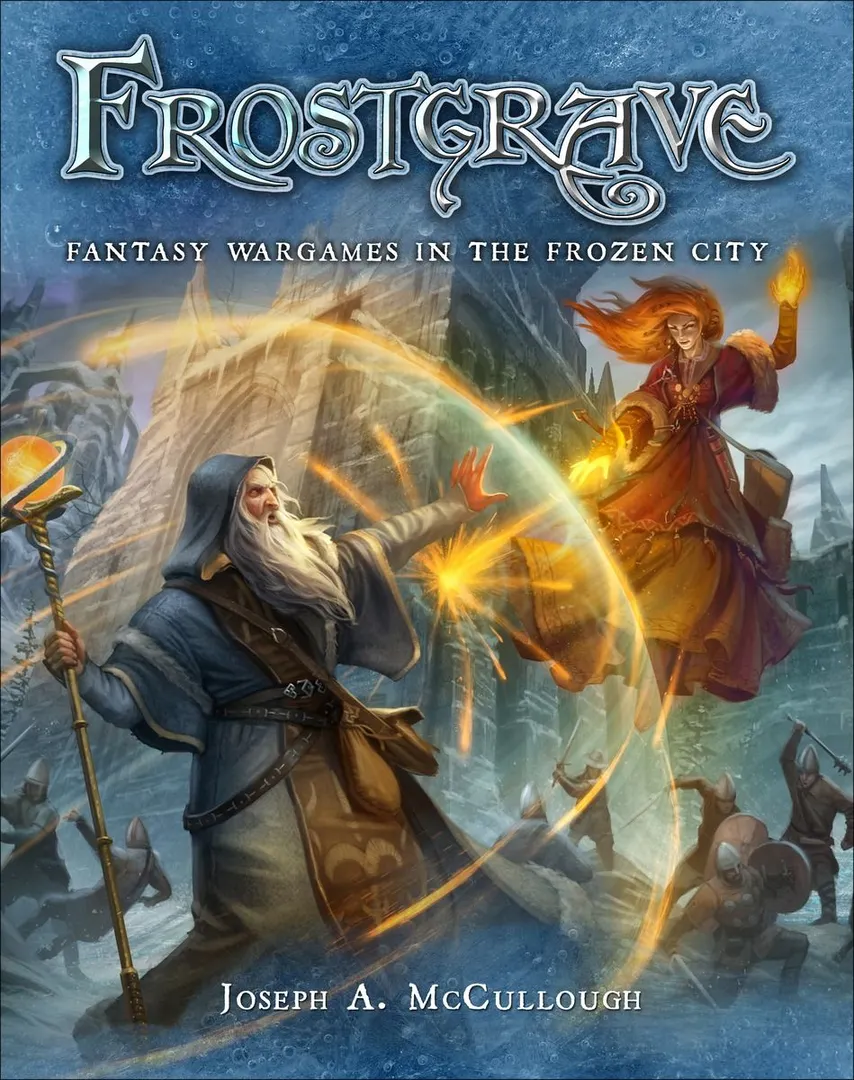
Frostgrave
- 2–8 players
- 60–120 min
- Complexity 2.8/5
- 2015
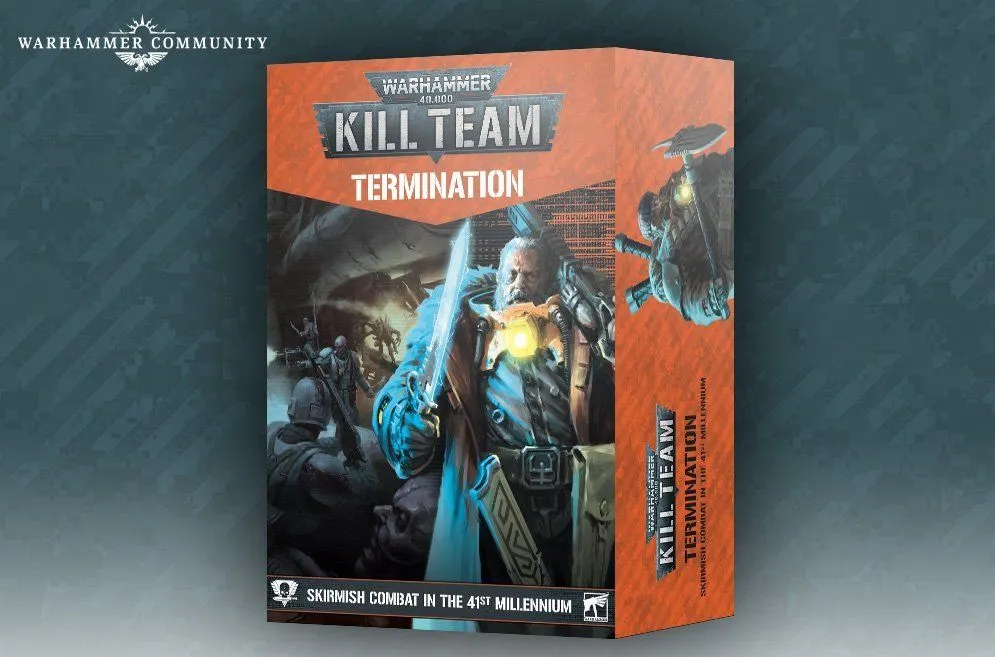
Rules assistance for Warhammer 40,000: Kill Team – Termination
Plain-language explanations of turns, card effects and disputed situations, with official source references and saved question history.
What would you like to know?
Answers come from the official rulebook, with the page to check.
Warhammer 40,000: Kill Team – Termination is an expansion for Warhammer 40,000: Kill Team – Octarius released in 2024 for 2–4 players, 60–120 minutes per game, and ages 12 and up. Its main mechanics are Variable Player Powers, Dice Rolling, and Line of Sight.
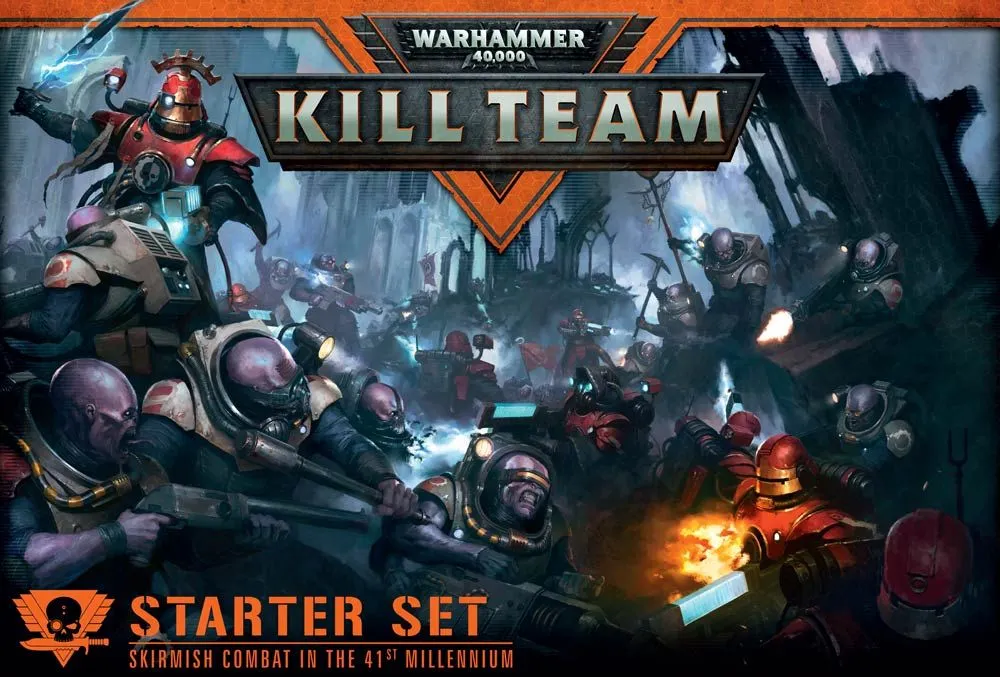
The world of Bheta-Decima is a ruined corpse, a toxic and crumbling nightmare. Even in this desolation, a Genestealer-infected regiment of Brood Brothers musters for global insurrection. All their martial expertise is tested to its limits, however, when they encounter a ruthless and resilient band of Hernkyn Yaegirs. These hardy survivors of a crashed vessel will baulk at no deed to see that their legacy outlasts the alien-tainted soldiers hunting them down. Kill Team: Termination is the latest expansion for Warhammer 40,000: Kill Team, plunging you into a desperate fight for resources and control on a dying world. Take command of two new kill teams – zealous Brood Brothers, led by a scheming Broodcoven, and a band of determined and heavily-armed Hernkyn Yaegirs – as they fight over two Plasma Generatorium terrain pieces that upgrade your killzones. You'll also find a book packed with background information, new missions, and rules for both kill teams, plus two sets of datacards and tokens to keep your games running smoothly. -description from publisher's website
Warhammer 40,000: Kill Team – Termination supports 2–4 players according to the catalogue. This range comes from the publisher’s listed player count, so the game can be set up for any group size within it. Some setups, rules and scoring details may still vary by player count, so check your edition’s rulebook for the exact configuration.
The listed playing time for Warhammer 40,000: Kill Team – Termination is 60–120 minutes. This is the publisher’s estimate for a full game. The actual duration depends on the group, the player count and familiarity with the rules: first sessions usually run longer, while experienced groups often finish faster. Setup and teaching time are not included in this estimate.
The catalogue lists Warhammer 40,000: Kill Team – Termination for ages 12 and up. This is the publisher’s recommendation and reflects reading demands, rule complexity and small components rather than theme alone. Younger players can often join with help from an adult, so check the age guidance on your edition and consider your group’s experience with board games.
Warhammer 40,000: Kill Team – Termination belongs to these categories: Wargame, Miniatures, and Science Fiction. Its main mechanics are Variable Player Powers, Dice Rolling, and Line of Sight. Categories describe the theme and setting of a game, while mechanics describe what players actually do on their turns. Each mechanic links to a catalogue hub with similar games, which helps when you want something comparable.
The catalogue lists Warhammer 40,000: Kill Team – Termination as an expansion for Warhammer 40,000: Kill Team – Octarius. Expansions add new content, rules or scenarios to the base game and usually cannot be played on their own, so you need Warhammer 40,000: Kill Team – Octarius to use it. Check that your edition of Warhammer 40,000: Kill Team – Octarius is compatible, as some expansions were revised between editions.