
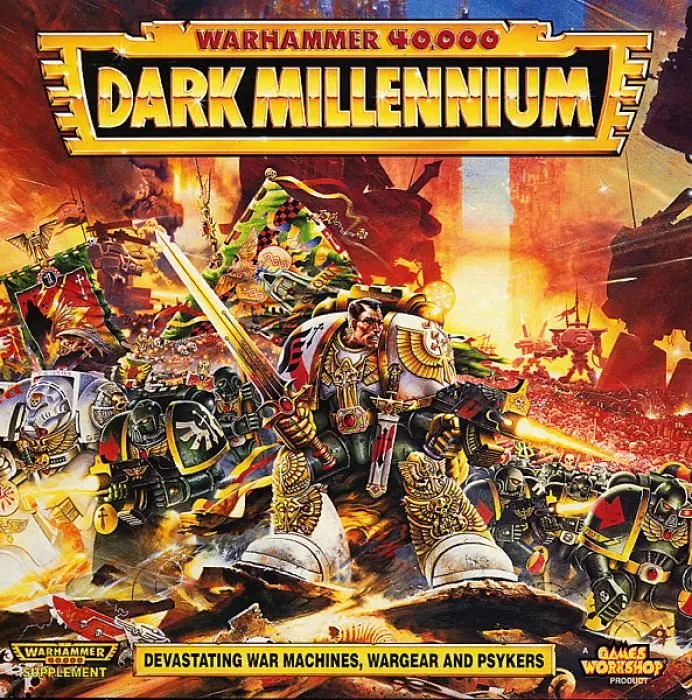
- BGG rating
- 6.8
Warhammer 40,000: Dark Millennium
- 2–4 players
- 120 min
- Complexity 3.6/5
- 1994
1993
Rules assistance for Warhammer 40,000 (Second Edition)
Plain-language explanations of turns, card effects and disputed situations, with official source references and saved question history.
For 2 players
What would you like to know?
Answers come from the official rulebook, with the page to check.
Warhammer 40,000 (Second Edition) is a board game released in 1993 for 2–6 players, 30–120 minutes per game, and ages 17 and up. It was designed by Rick Priestley and Andy Chambers and its main mechanics are Variable Player Powers, Dice Rolling, and Modular Board.
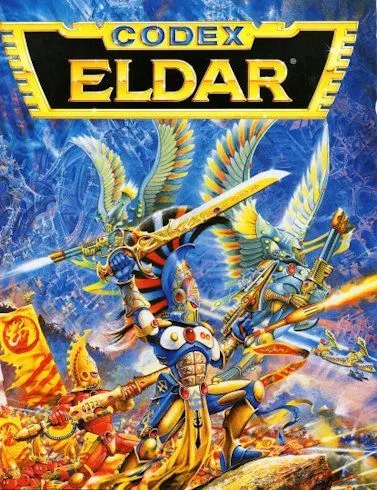
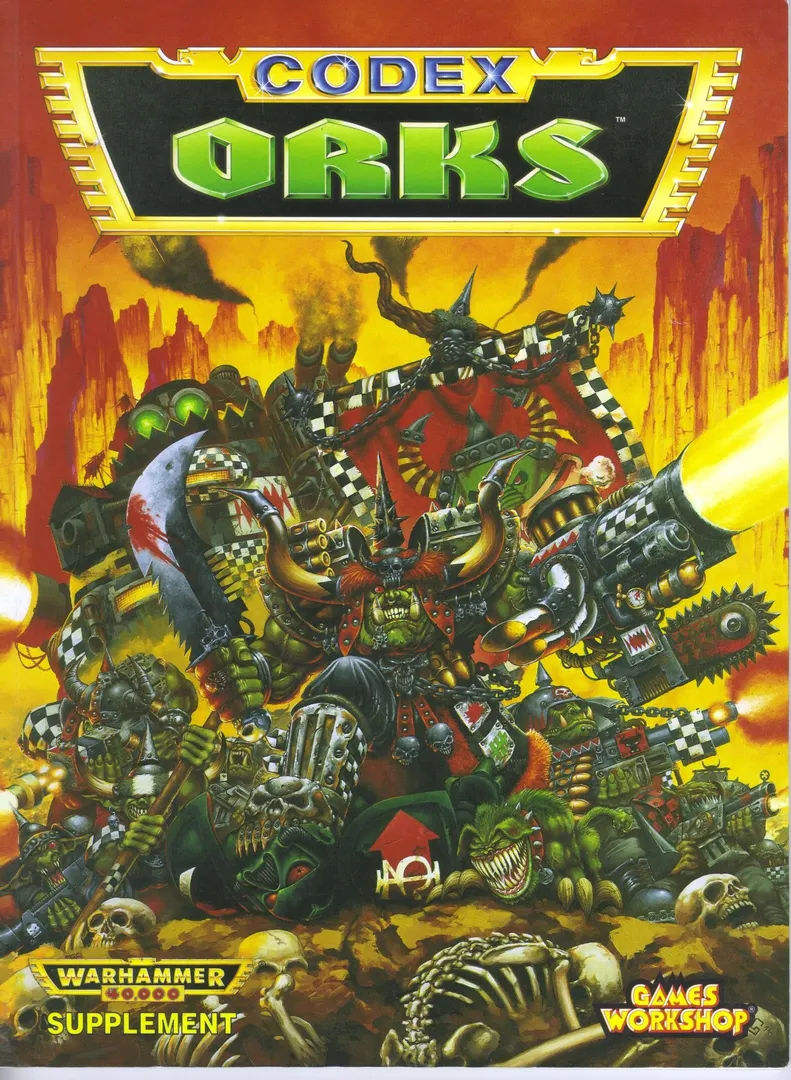
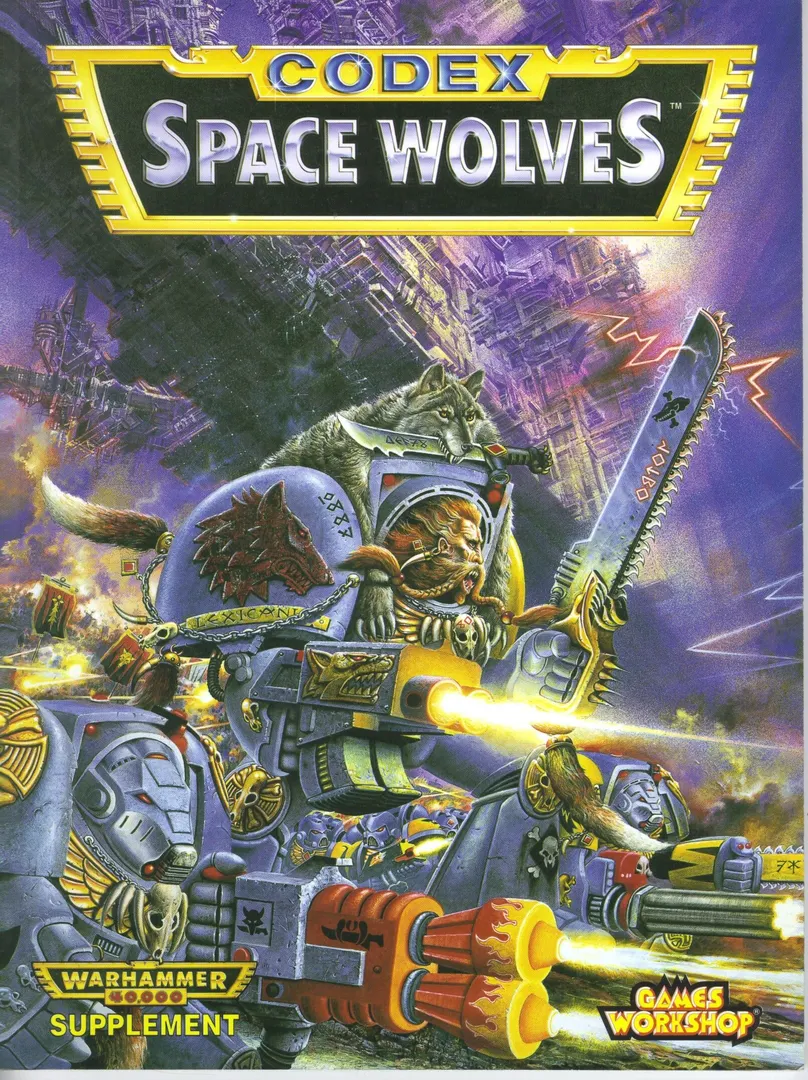
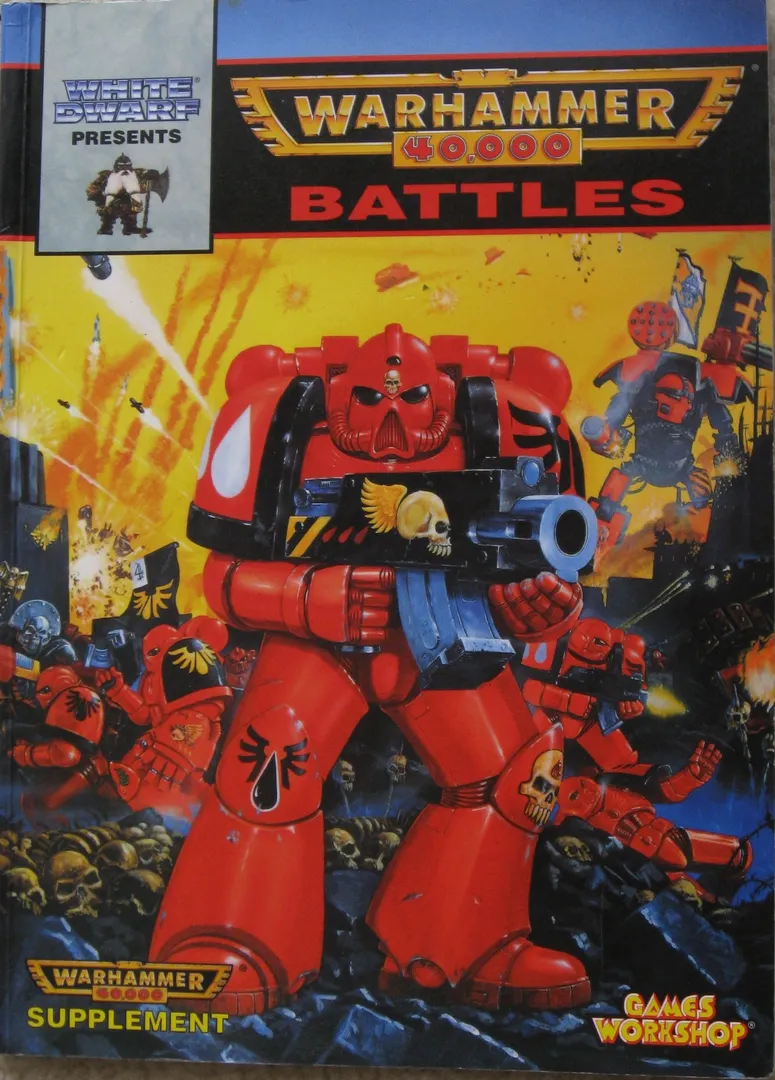
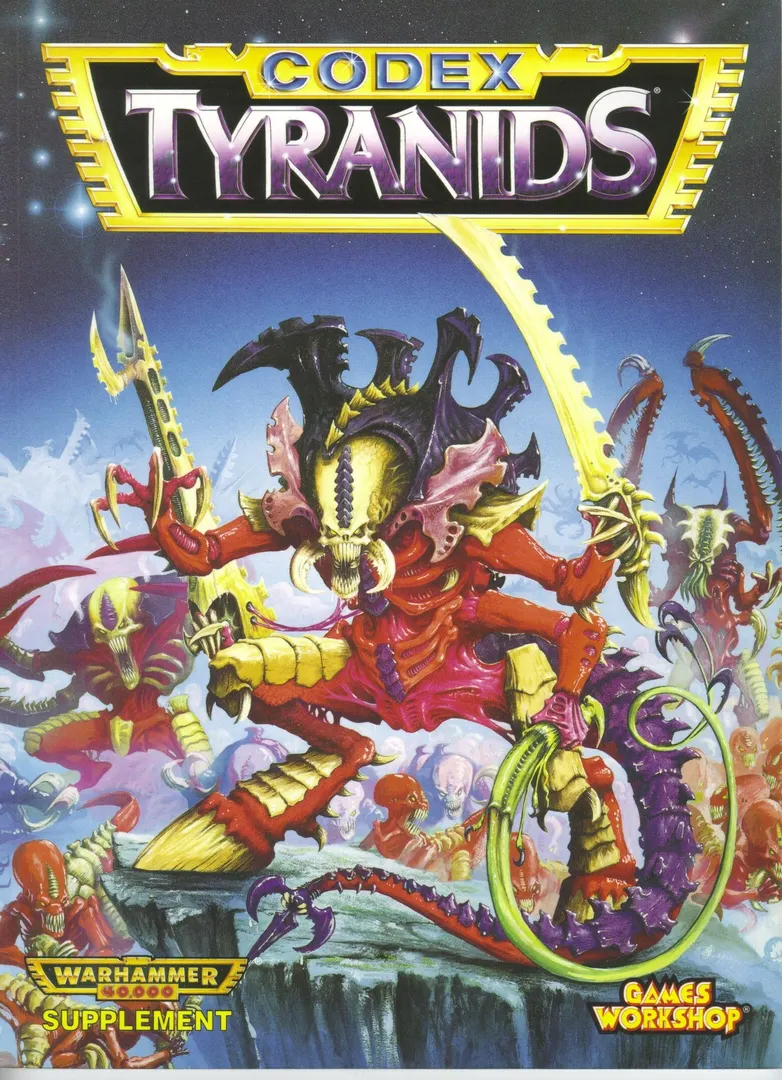
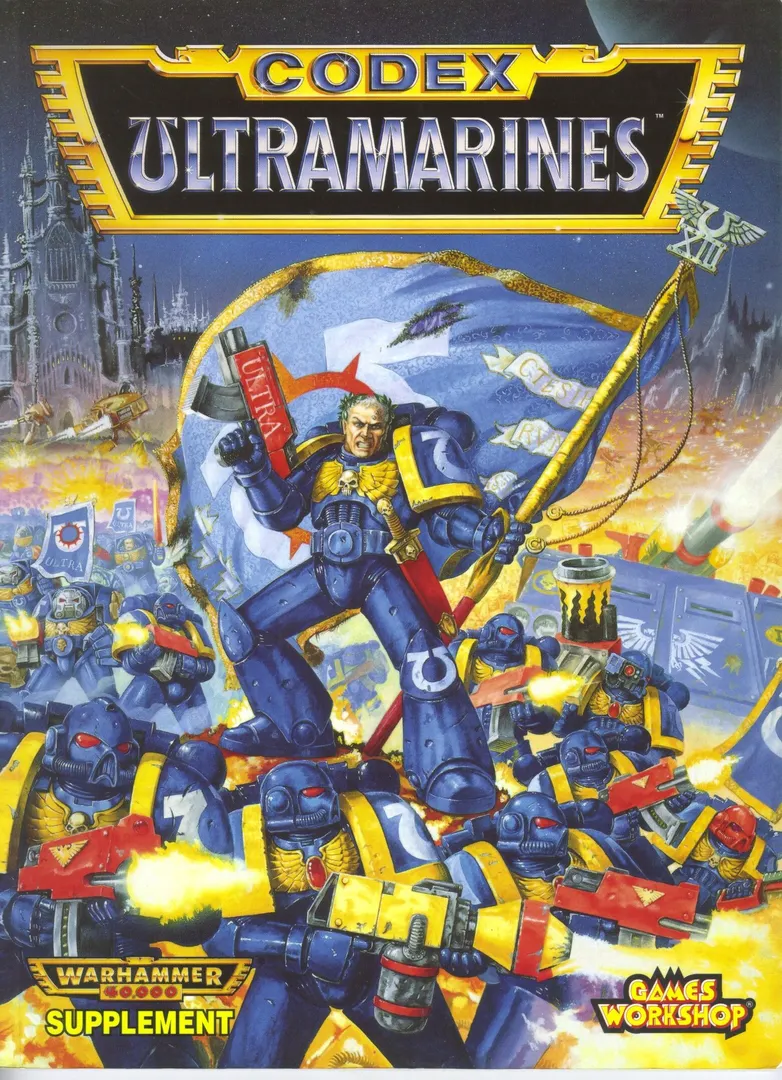
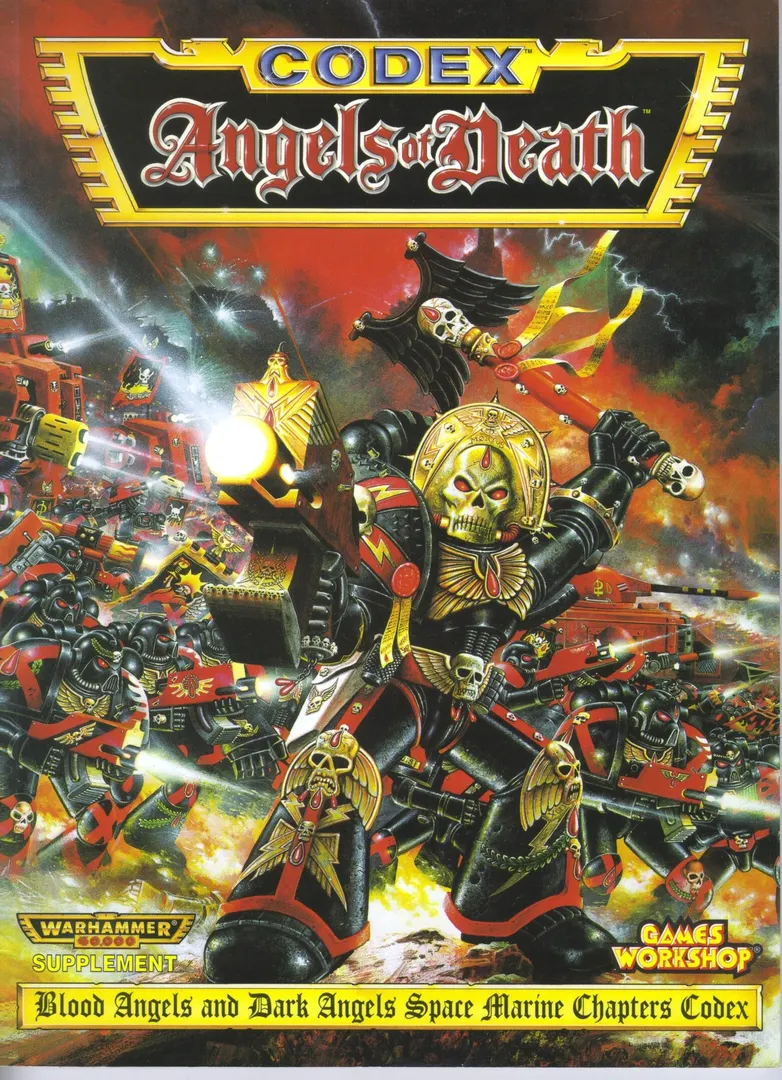
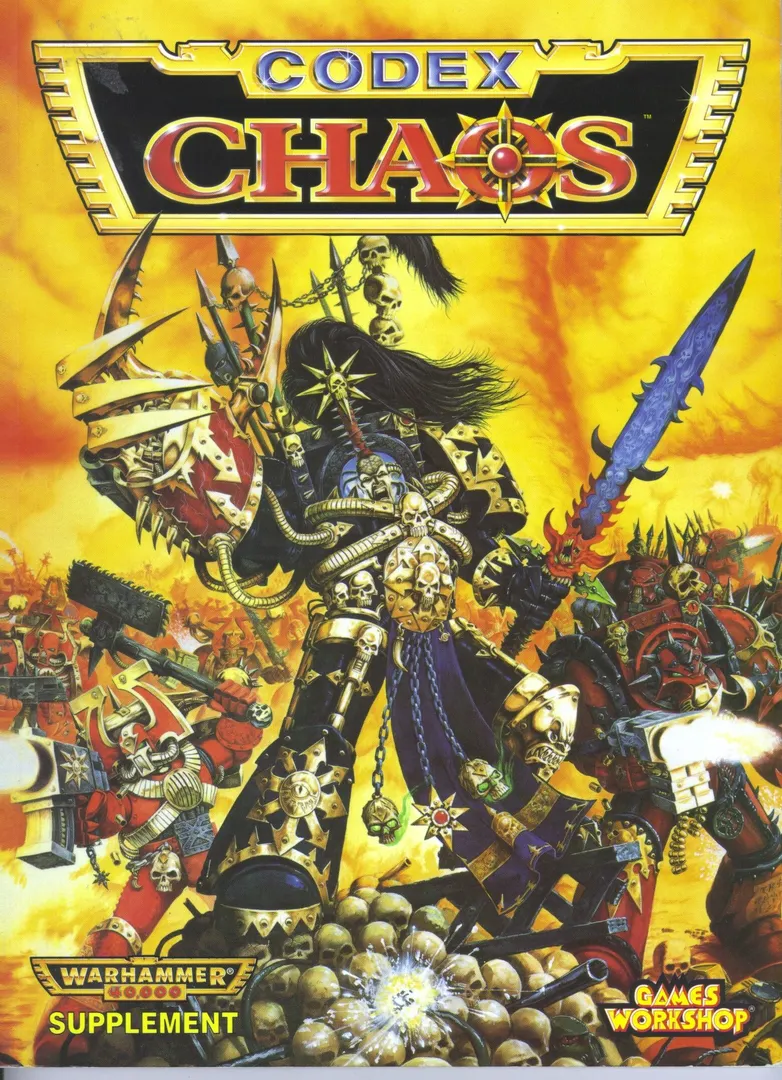
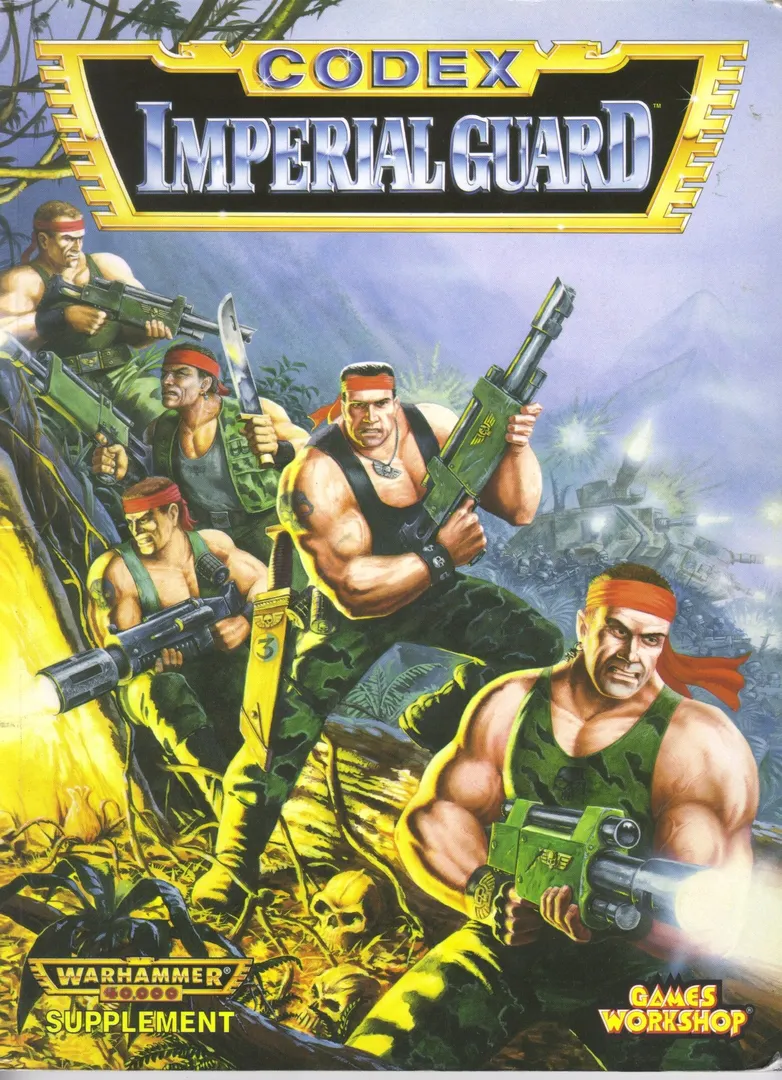
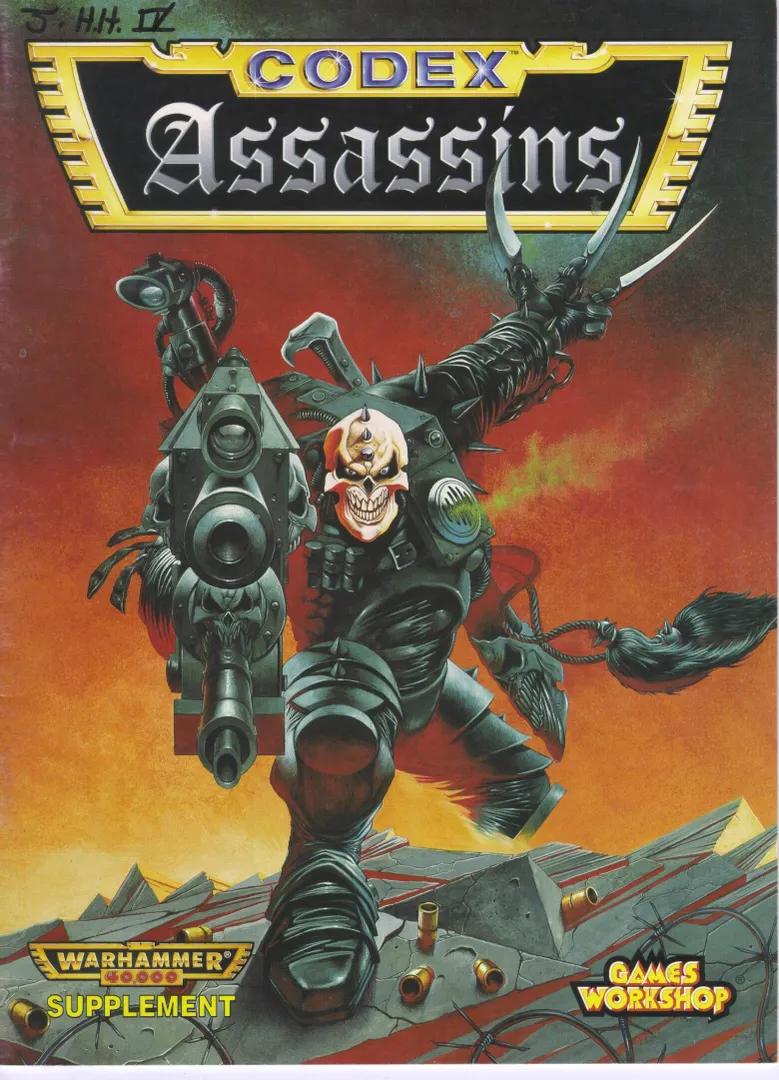
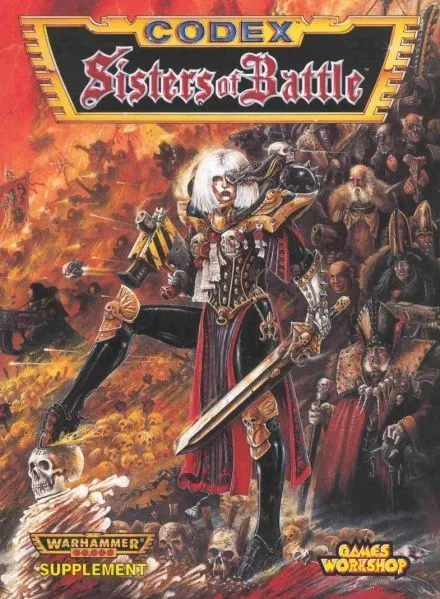
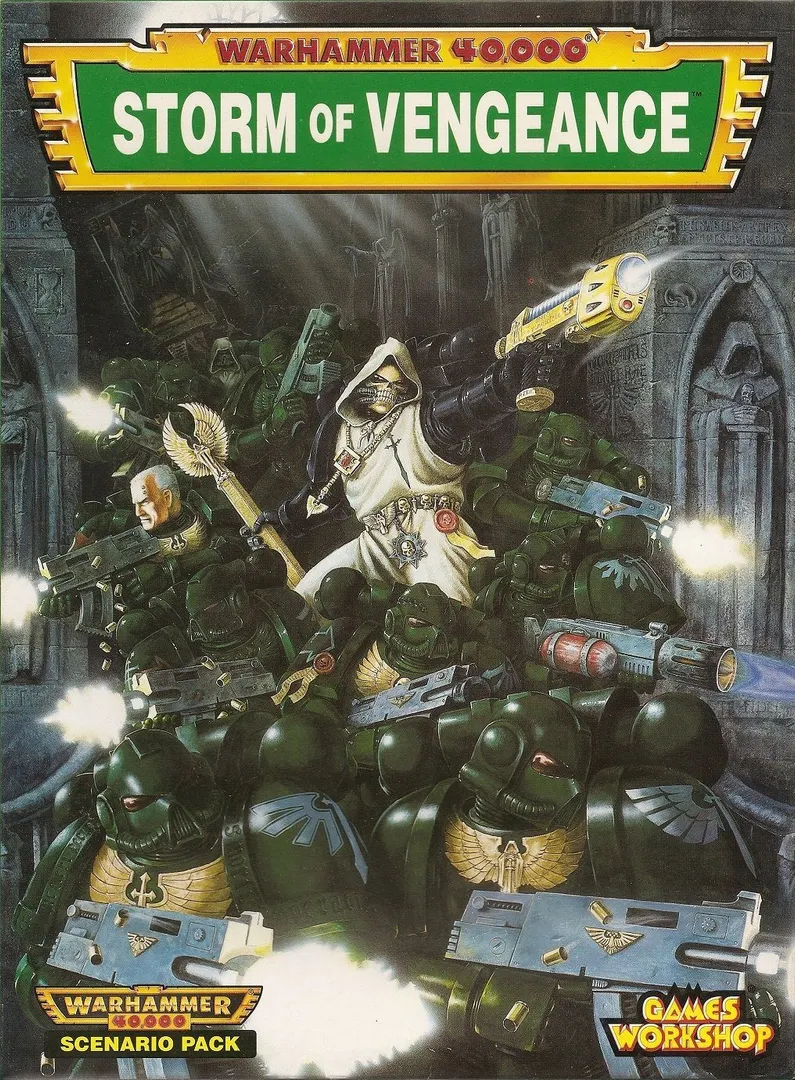
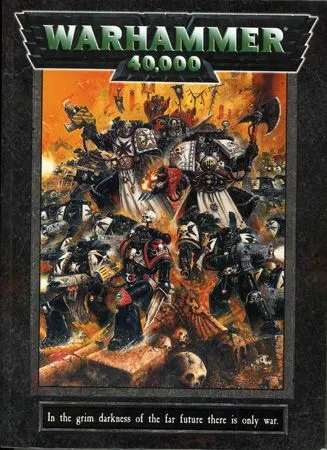
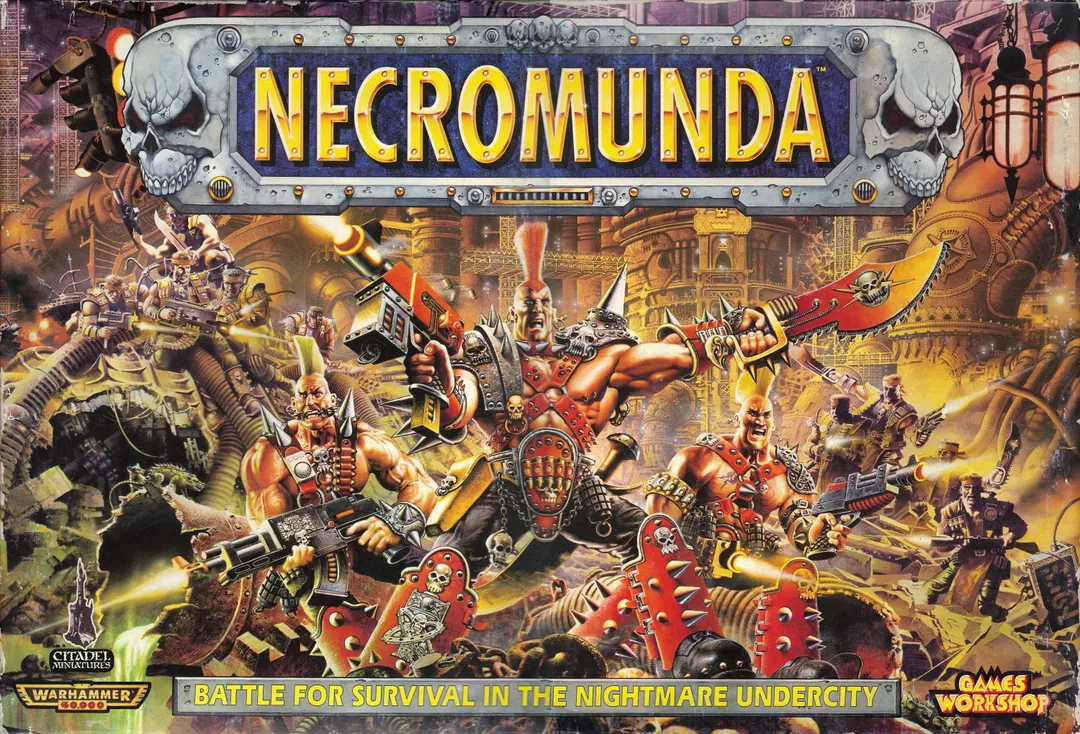
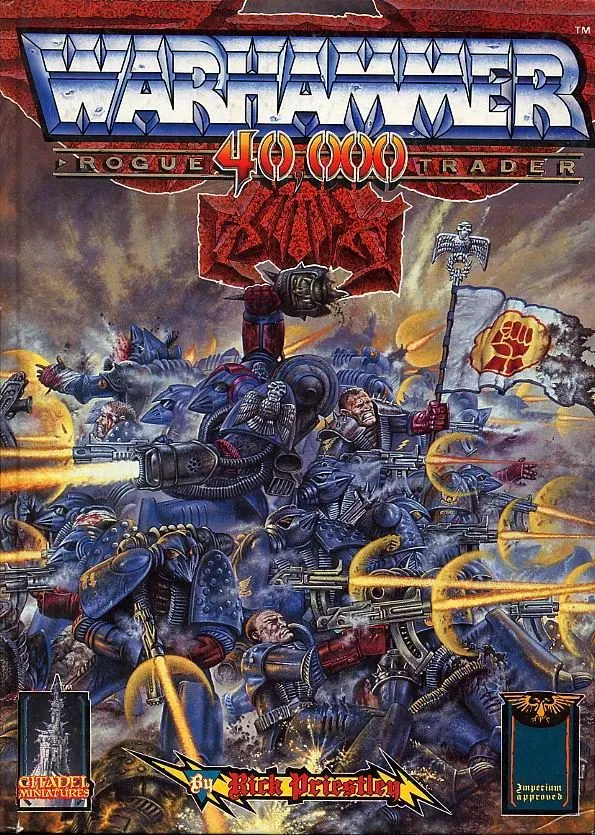
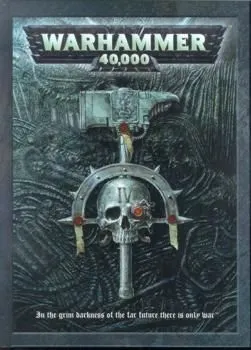

The second edition Warhammer 40,000 Rulebook was published in 1993 as a softcover book and was included with the second edition starter set. Its companion books (Warhammer 40,000: Wargear (2nd Edition), Codex Imperialis, Codex Army Lists) were devoted to background, wargear and army lists, while the Rulebook detailed how to play the game. It contains 8 pages of full-colour images in the centre, a weapon summary and quick reference sheet at the end. The combat rules and shooting were identical to those of Necromunda. The much more complex nature of the rules meant that games were intended to be played on a much smaller scale than the current Warhammer 40,000 rules. Box Contents: Game rules and background: Warhammer 40,000 Rulebook Warhammer 40,000 Wargear (weapons and wargear rules} Warhammer 40,000 Codex lmperialis (background for game factions plus rules for different units/characters} Warhammer 40,000 Codex army lists Warhammer 40,000 Battle for Armageddon scenarios (scenarios that make use of boxed game miniatures} Warhammer 40,000 How to paint your models How to play Warhammer 40,000 (a ‘getting started’ run through of the rules) Warhammer 40,000 Rules summary card Warhammer 40,000 Weapons summary card Miniatures: 20 Orks (bolt pistol and axe) 40 Gretchin (autogun) 1 cardboard Ork dreadnought and stand 2 Space Marine Sergeants (bolt pistol and chainsword) 2 Space Marines with flamers 2 Space Marines with rocket launchers 14 Space Marines with bolters Vehicle Datafaxes: 1 Space Marine Rhino 1 Space Marine Dreadnought 1 Space Marine Predator 1 Space Marine Land Raider 1 Space Ork Dreadnought 1 Space Ork Battlewagon Wargear Cards: 1 Bionic Eye 1 Combi-weapon 1 Conversion Field 1 Displacer Field 1 Firepike 2 Haywire Grenades 1 Retractor Field 1 Scanner 2 Vortex Grenades 1 Web Of Skulls Mission Cards (one of each pair is green and the other is blue): 2 ‘Engage and Destroy’ mission cards 2 ‘The Assassins’ mission cards 2 ‘Dawn Raid’ mission cards 2 ‘Take and Hold’ mission cards Play aids: 20 cardboard ruins 3 squad references cards (1 Space Marine, 1 Ork, 1 Gretchin) Victory point record chart 1 vehicle turning template 1 Thudgun template (made of four connected 1” blast templates) 1 blast template — 1" 1 blast template — 1.5" 1 blast template — 2" 1 blast template — 3" 2 vortex templates — 1.5" 1 hand flamer template 1 flamer template 1 heavy flamer template
Warhammer 40,000 (Second Edition) supports 2–6 players according to the catalogue. This range comes from the publisher’s listed player count, so the game can be set up for any group size within it. Some setups, rules and scoring details may still vary by player count, so check your edition’s rulebook for the exact configuration.
The listed playing time for Warhammer 40,000 (Second Edition) is 30–120 minutes. This is the publisher’s estimate for a full game. The actual duration depends on the group, the player count and familiarity with the rules: first sessions usually run longer, while experienced groups often finish faster. Setup and teaching time are not included in this estimate.
The catalogue lists Warhammer 40,000 (Second Edition) for ages 17 and up. This is the publisher’s recommendation and reflects reading demands, rule complexity and small components rather than theme alone. Younger players can often join with help from an adult, so check the age guidance on your edition and consider your group’s experience with board games.
Warhammer 40,000 (Second Edition) has a complexity rating of 4.2 out of 5 from BoardGameGeek players, which makes it a heavy game. The rating reflects how much rules knowledge, planning and decision-making a typical game demands. Expect a longer first teach for heavier games, and use a preparation guide before game night.
Warhammer 40,000 (Second Edition) belongs to these categories: Wargame, Miniatures, and Science Fiction. Its main mechanics are Variable Player Powers, Dice Rolling, and Modular Board. Categories describe the theme and setting of a game, while mechanics describe what players actually do on their turns. Each mechanic links to a catalogue hub with similar games, which helps when you want something comparable.
The credited designers of Warhammer 40,000 (Second Edition) are: Rick Priestley and Andy Chambers. These credits come from the published game data and name the people responsible for the game’s design, not its illustrators or publishers. Designer pages on MeepleRules collect other titles by the same designers, which helps when you enjoy a game and want to find similar ones.
The catalogue lists Warhammer 40,000 (Second Edition) as a base game. It can be played on its own with the components in the box and does not require any other title. Expansions, if any exist, add new content or rules on top of it and are listed separately in the catalogue with a link back to this base game.